Yet, for those who live alone, this traditional blueprint raises a glaring logistical question: What happens to that room during the other 350 days of the year when no one is sleeping in it?
According to the newly released Taskrabbit 2026 Trend Report, a growing number of solo dwellers are no longer willing to let square footage sit vacant for the majority of the year. Instead, they are reimagining these underutilized spaces, transforming traditional guest rooms into dedicated environments tailored entirely to their own personal interests, creative pursuits, and daily wellness routines.
The data highlights a significant shift in residential priorities. Taskrabbit reports that booking requests related to the creation of home podcast studios have surged by an impressive 90 percent year over year. At the same time, demand for professional assembly and installation services tied to home gyms has jumped 59 percent. Wellness and hobbies are also driving the trend, with at-home saunas rising 35 percent and dedicated craft rooms increasing by 33 percent.
This architectural and lifestyle evolution is part of a broader cultural phenomenon that Taskrabbit has dubbed "The Independent Home." In this new paradigm, individuals living alone are shifting their mindset away from treating their current living spaces as mere temporary waypoints on the path toward a future shared household. Rather than holding back on home investments until a partner or roommate enters the picture, solo occupants are choosing to invest deeply in their immediate comfort, creative output, and lifestyle satisfaction right now.
Without the traditional compromises, negotiations, and space-sharing dynamics inherent in cohabitating with others, the possibilities for these extra rooms are practically limitless. The modern spare room is no longer defined by a bed that collects dust; it is defined by utility, passion, and personal expression.
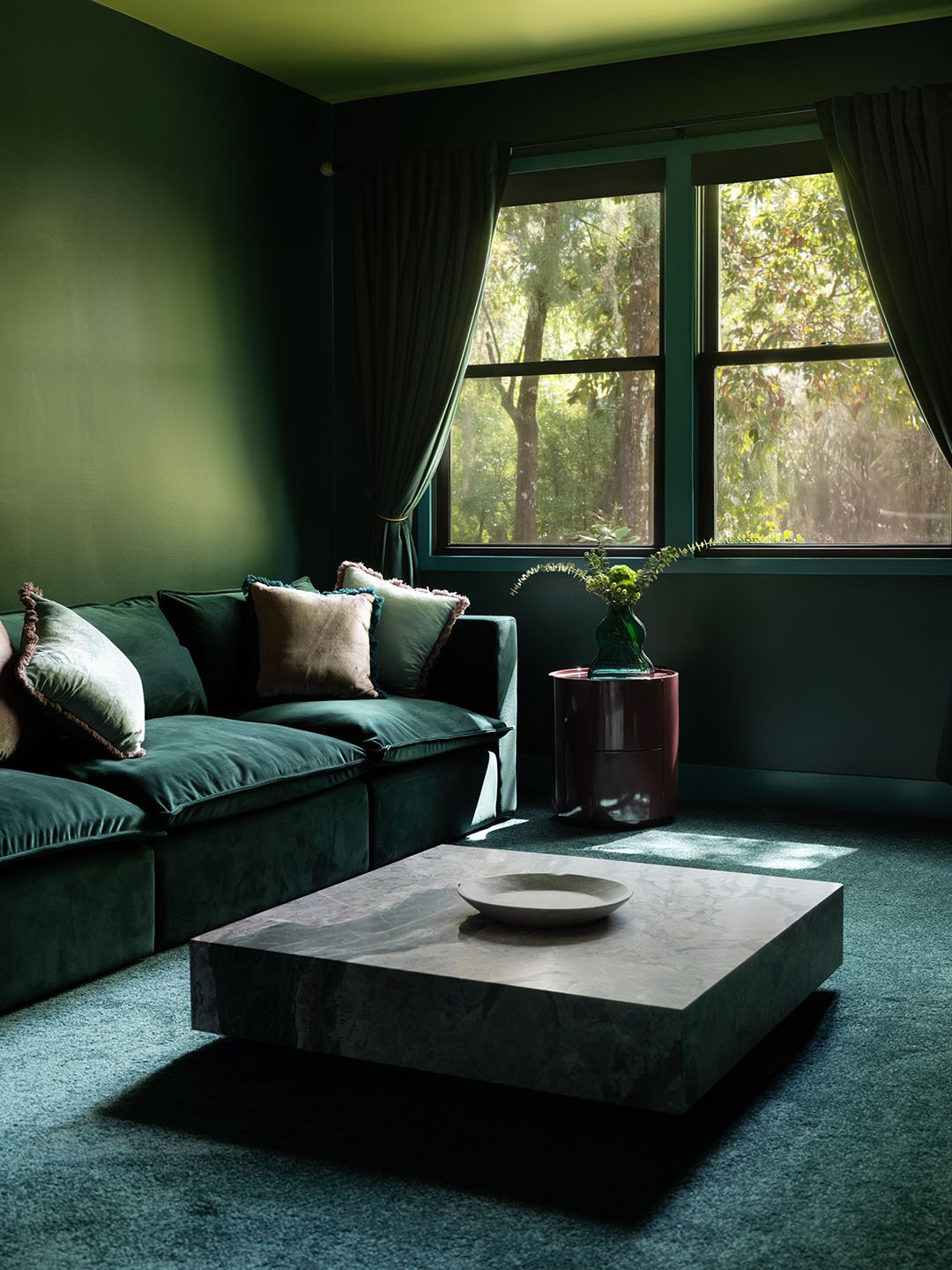
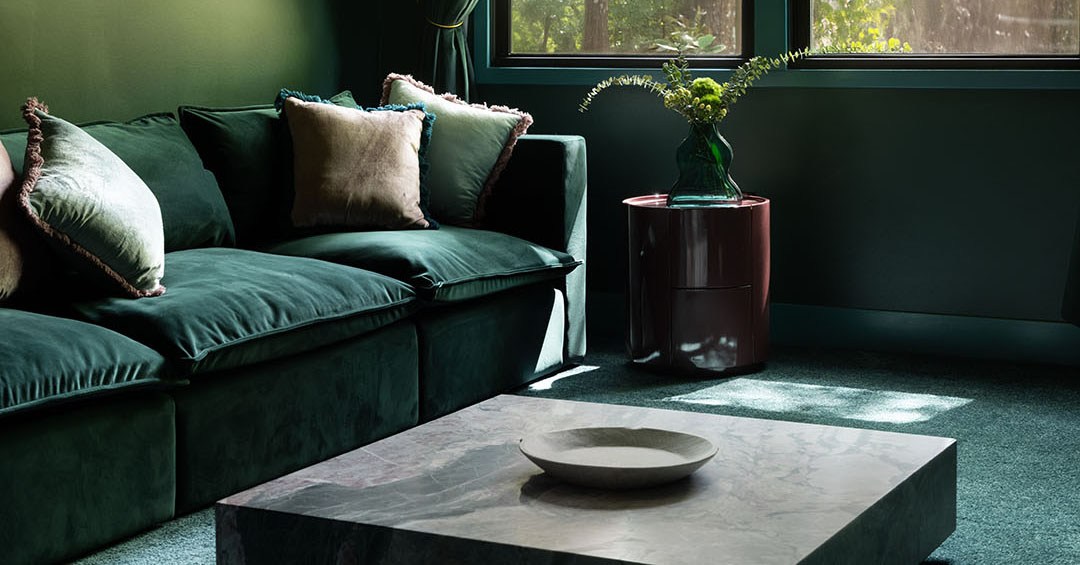
Of course, embracing this trend does not require every solo dweller to install complex home-wellness infrastructure like a cold plunge or embark on heavy-duty audio engineering. The spectrum of adaptation is broad. For many, a former guest bedroom is finding a second life as an immersive home theater, a quiet reading retreat, a sewing and textile studio, or simply a spacious room to spread out a sprawling creative endeavor without the pressure of having to pack everything away before dinner.
Designers and homeowners alike are leaning into this flexibility. Across the country, awkward architectural alcoves, small spare bedrooms, and barely used bonus spaces are being repurposed to reflect individual identities. In Los Angeles, designers have transformed tight, unconventional pockets of space into dedicated music rooms. Elsewhere, lifestyle figures like Camille Styles have taken under-utilized guest bedrooms and converted them into fully functional creative studios complete with partial kitchen setups, bridging the gap between hosting capabilities and personal workspace.
This structural shift underscores a maturing view of modern living spaces. Extra square footage no longer needs to be sequestered for the occasional weekend visitor. Instead, homeowners are discovering that they can successfully balance occasional hosting duties—perhaps through versatile furniture like pull-out sofas or Murphy beds—while carving out daily utility for the hobbies and routines that enrich their lives the other 350 days of the year.