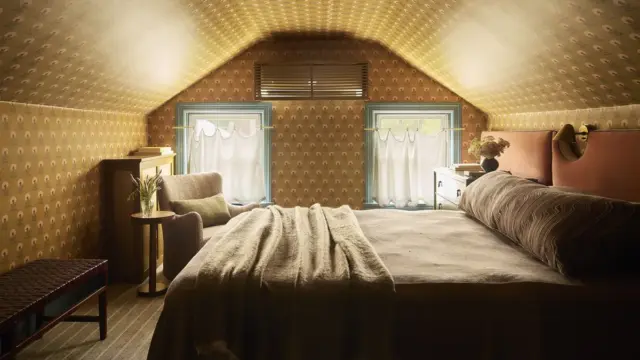
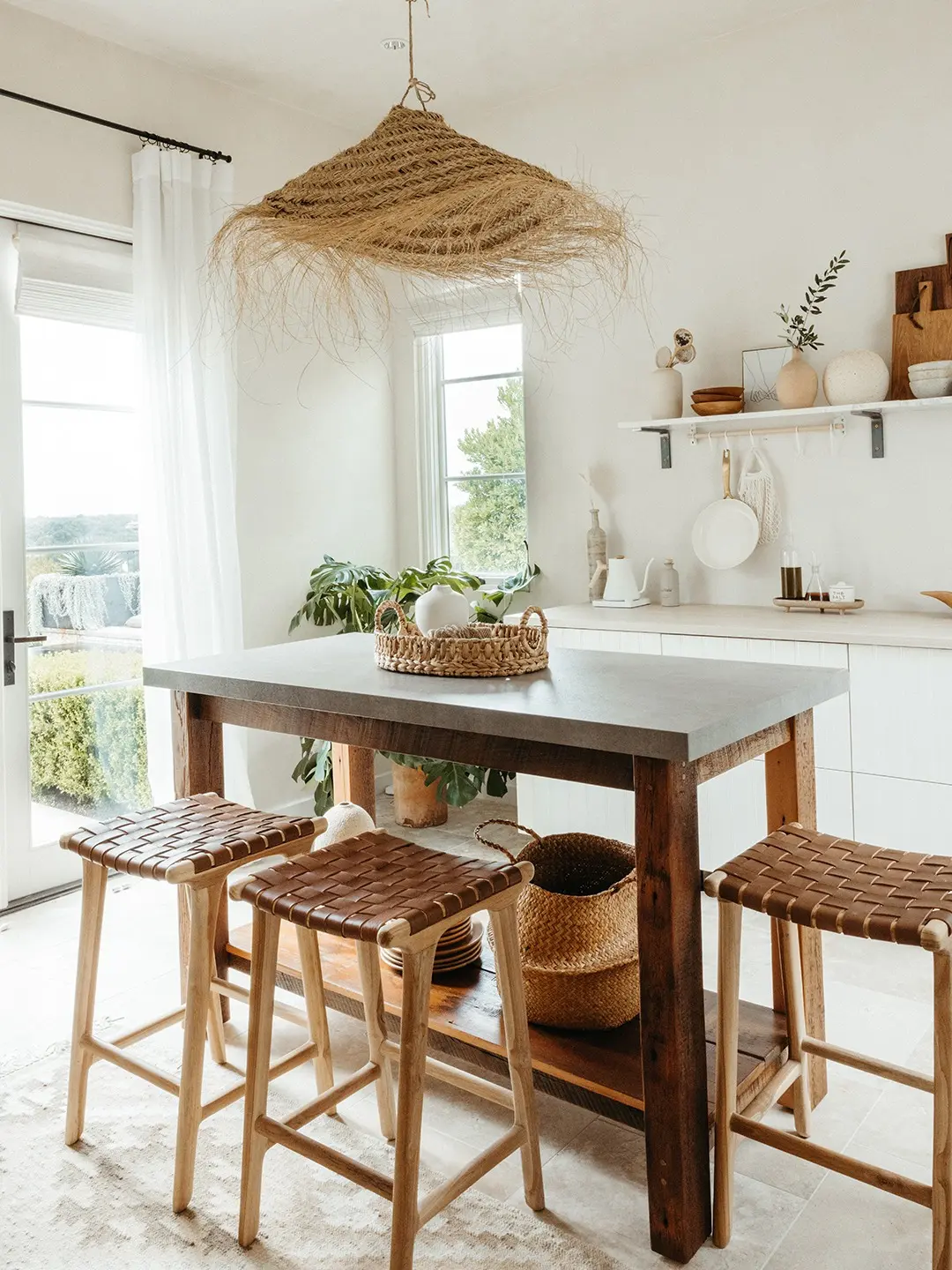
Yet, for households comprised of single occupants, this traditional blueprint raises a lingering question: What happens to that room during the other 350 days of the year when no one is sleeping in it?
Increasingly, solo dwellers across the country are asking themselves that very question and arriving at answers that prioritize their own daily lives over occasional hosting duties. According to the recently released 2026 Trend Report from Taskrabbit, people living alone are steering away from keeping permanent, empty guest rooms. Instead, they are transforming these underutilized spaces into dedicated sanctuaries tailored entirely to their personal hobbies, creative endeavors, and wellness routines.
Data from the report highlights a significant shift in how people view their square footage. Taskrabbit notes that bookings related to podcast studios have surged by an impressive 90 percent year over year. At the same time, service requests for home gyms have jumped 59 percent, indoor saunas are up 35 percent, and dedicated craft rooms have seen a 33 percent increase.
This architectural and lifestyle evolution is part of a broader phenomenon that Taskrabbit has dubbed “The Independent Home.” Rather than treating their current living spaces as temporary holding patterns—mere stopovers on the way to a future shared household with a partner or roommate—solo dwellers are choosing to invest deeply in their living environments right now. Unencumbered by the compromises and negotiations that typically come with shared living, these individuals are realizing that their homes can and should serve their immediate, personal aspirations.
The motivations behind this trend are rooted in a modern reassessment of utility and comfort. For years, the spare bedroom was considered a standard real estate asset, a symbol of preparedness. But as remote work, creative side projects, and wellness culture take up larger portions of daily life, holding a room hostage for a few weekends a year has begun to feel impractical, particularly in high-cost housing markets where every square foot carries a premium.
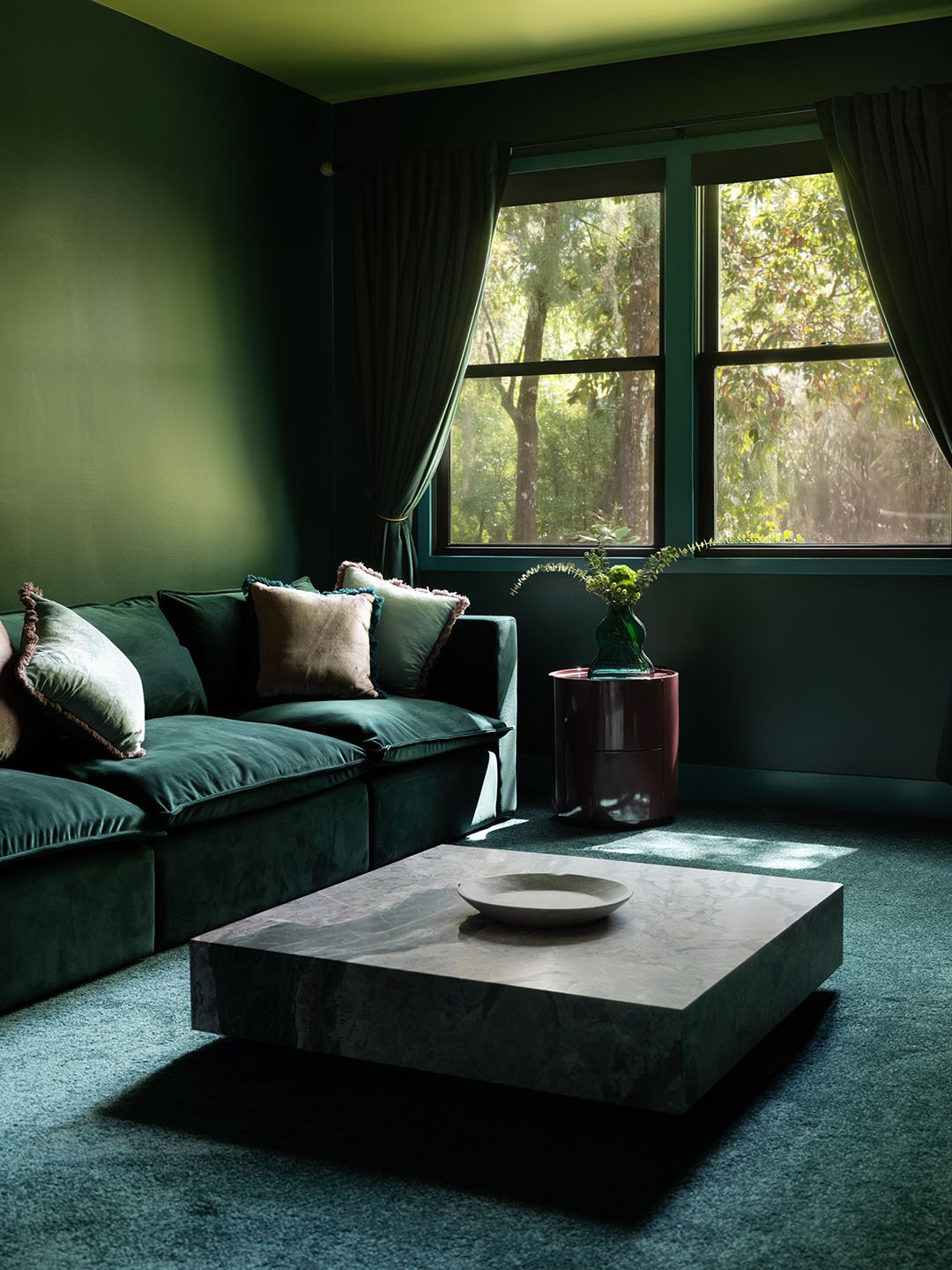
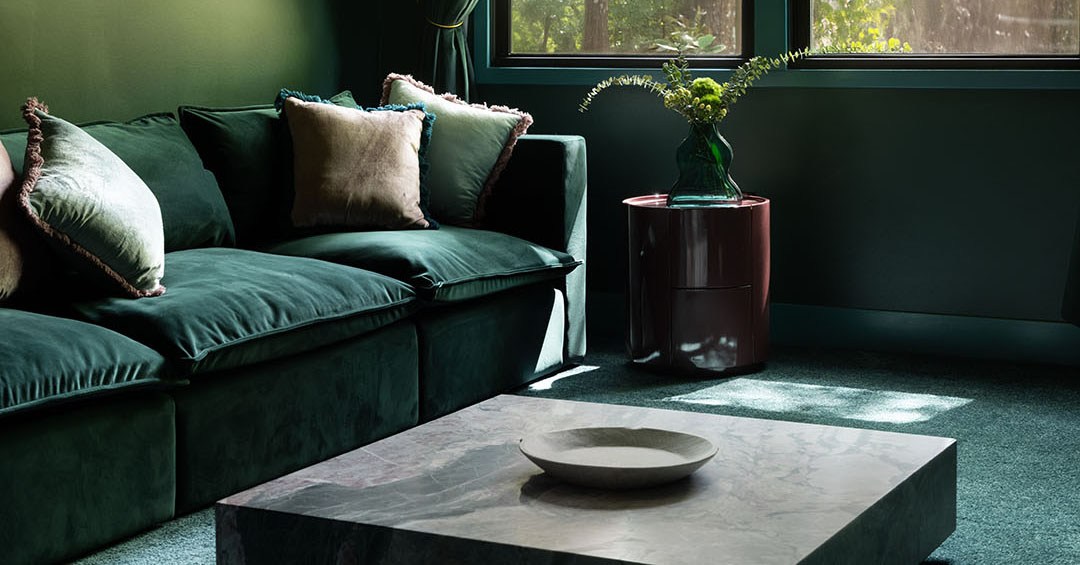
Of course, embracing the independent home movement does not require a complete overhaul or the installation of expensive wellness equipment like a cold plunge or an advanced audio production suite. The spectrum of possibilities is as diverse as the individuals living in these homes. Across design circles, spare bedrooms are being reimagined as moody home theaters, expansive reading retreats, dedicated sewing spaces, or simply creative open zones where an art project can be left out on a table without needing to be cleared away before dinner.
Designers and homeowners alike are proving that extra square footage does not have to be an all-or-nothing proposition. With thoughtful planning, a home can balance occasional hosting duties with the daily enrichment of a favorite hobby or professional pursuit.
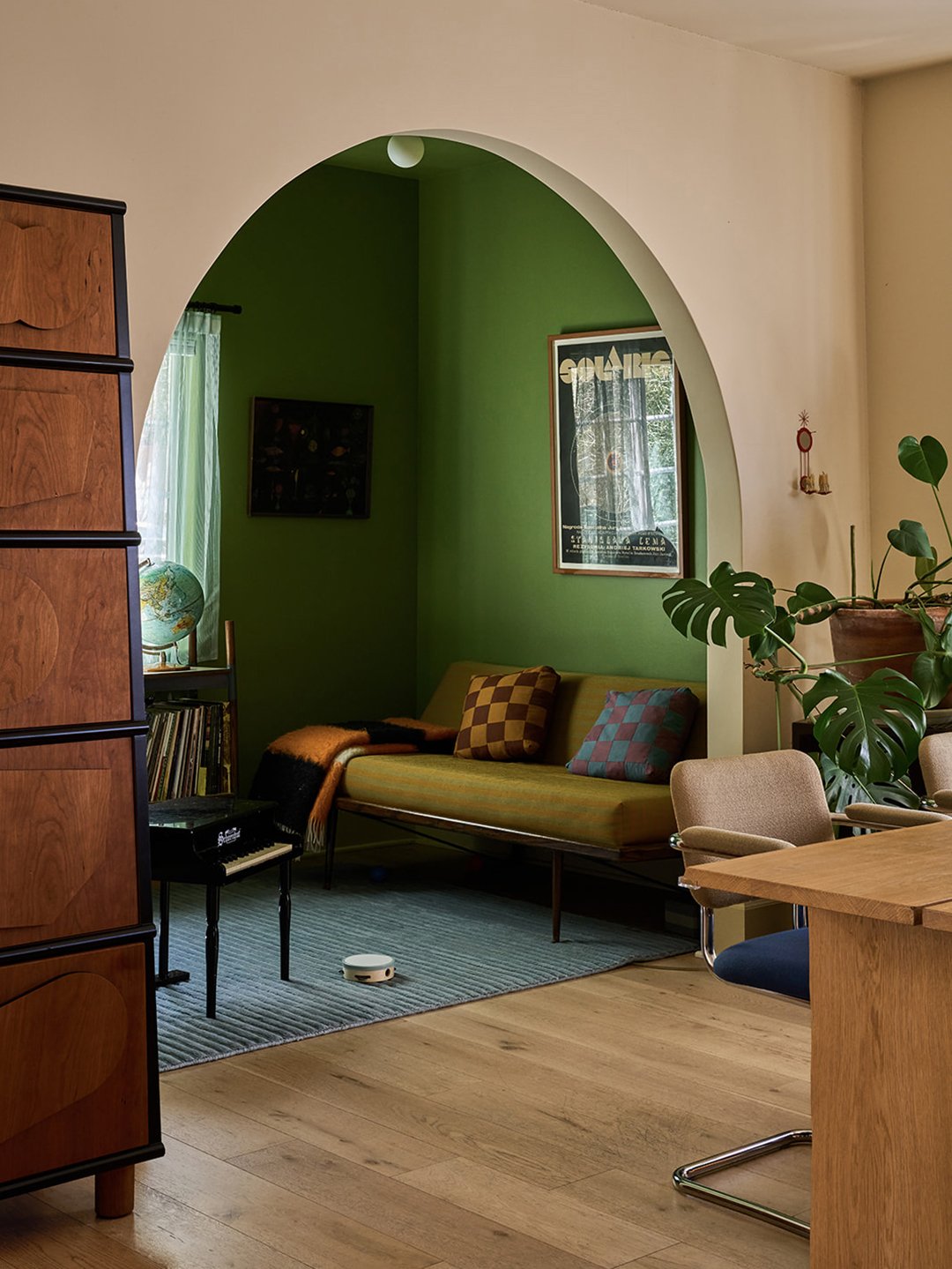
Consider the creative adaptations surfacing in urban and suburban homes alike. In some residences, awkward structural alcoves or small spare rooms are being converted into vibrant music rooms or personal listening lounges. In others, homeowners are leaning into hybrid utility by pairing flexible furniture solutions with specialized workspaces. High-profile creatives and designers have also begun championing the shift; notable lifestyle figures have famously converted barely used guest quarters into fully functioning creative studios complete with partial kitchenettes and custom cabinetry, blending productivity with domestic comfort.
Ultimately, the 2026 Taskrabbit trend report signals a broader cultural pivot in domestic spaces. The standard blueprint of the American home is becoming more fluid, personalized, and unapologetically self-centered in the best possible way. As more people embrace solo living as a long-term lifestyle choice rather than a transitional phase, the spare bedroom is shedding its traditional obligations, making room for a new era of home design where the occupant’s personal well-being takes center stage.