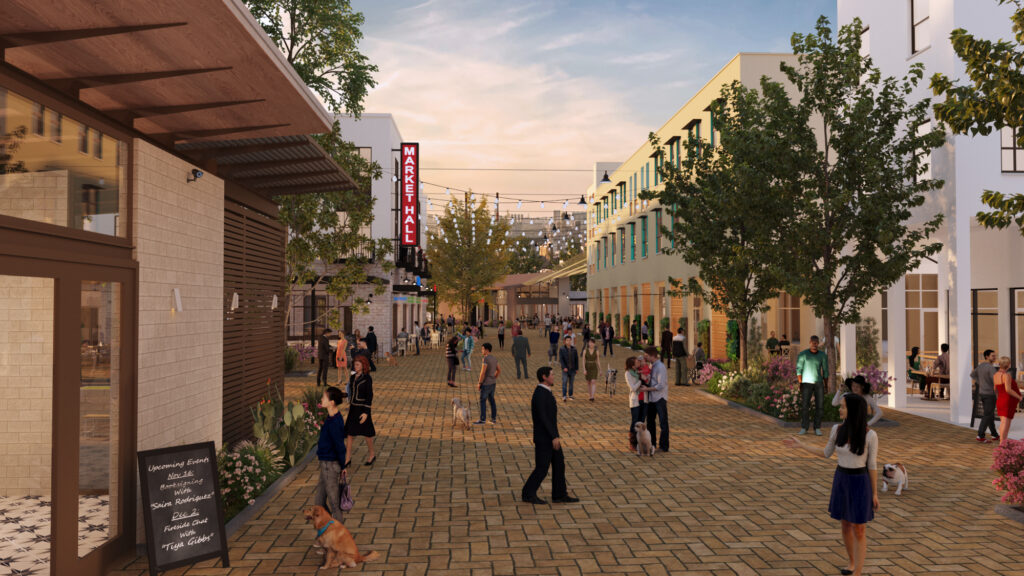
If given a single wish to instantly improve the global human condition, the proposed solution would not be a breakthrough medical treatment or a sweeping economic policy. Instead, it would be a foundational shift in how humans build their cities and countries—pivoting away from car-centric infrastructure and immediately rebuilding the world around people.
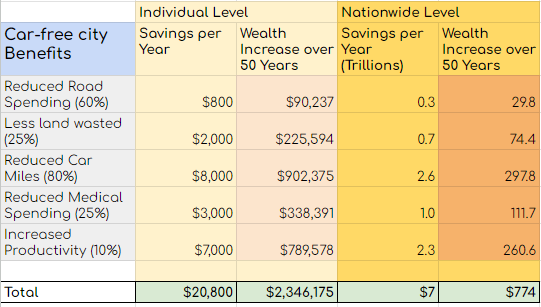
The projected benefits of this transformation stretch far beyond eliminating localized pollution, frustrating traffic congestion, or devastating traffic accidents. Proponents argue that shifting to human-centric urban design unlocks a richer, healthier, and vastly more engaging daily life for every citizen. When calculated conservatively, this lifestyle shift translates to an economic and well-being boost exceeding $20,000 per person annually, compounding into well over two million dollars over an adult lifetime.
On a national scale within the United States, such a transition would generate an estimated seven trillion dollars in added value each year, compounding to roughly 770 trillion dollars over the next five decades. This staggering figure surpasses the current total net worth of all human wealth globally. Residents would inhabit homes that are simultaneously more affordable, beautiful, and spacious. Human biology—supported by naturally integrated physical activity—would thrive with lower healthcare expenditures and less time dedicated to chronic disease maintenance. Public and private investment portfolios would overflow with surplus income driven by slashed household expenses and an unprecedented era of urban productivity.
Challenging the Status Quo of Urban Planning
To many, city planning feels like a mundane administrative chore managed quietly in the background by municipal councils and zoning committees. Critics argue that this status quo is precisely the root of the problem. Current urban development is largely governed by institutions designed to preserve existing systems, often influenced by legacy interests and local skepticism that fails to envision alternative models.
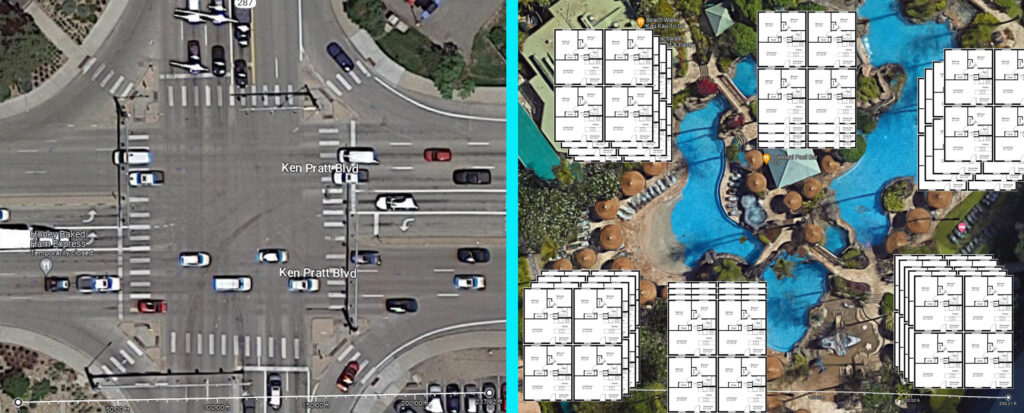
The current paradigm is heavily defined by wasted spatial allocation. When comparing land use, the footprint required to park two small cars is roughly equivalent to an entire two-bedroom apartment. Traditional urban design multiplies this inefficiency exponentially. A standard large-city intersection measuring 250 by 250 feet consumes roughly 1.5 acres of valuable land. While motorists navigate these zones during daily commutes, that same acreage could alternatively house approximately 200 residents in comfortable, resort-like settings complete with green spaces, retail amenities, and community infrastructure.
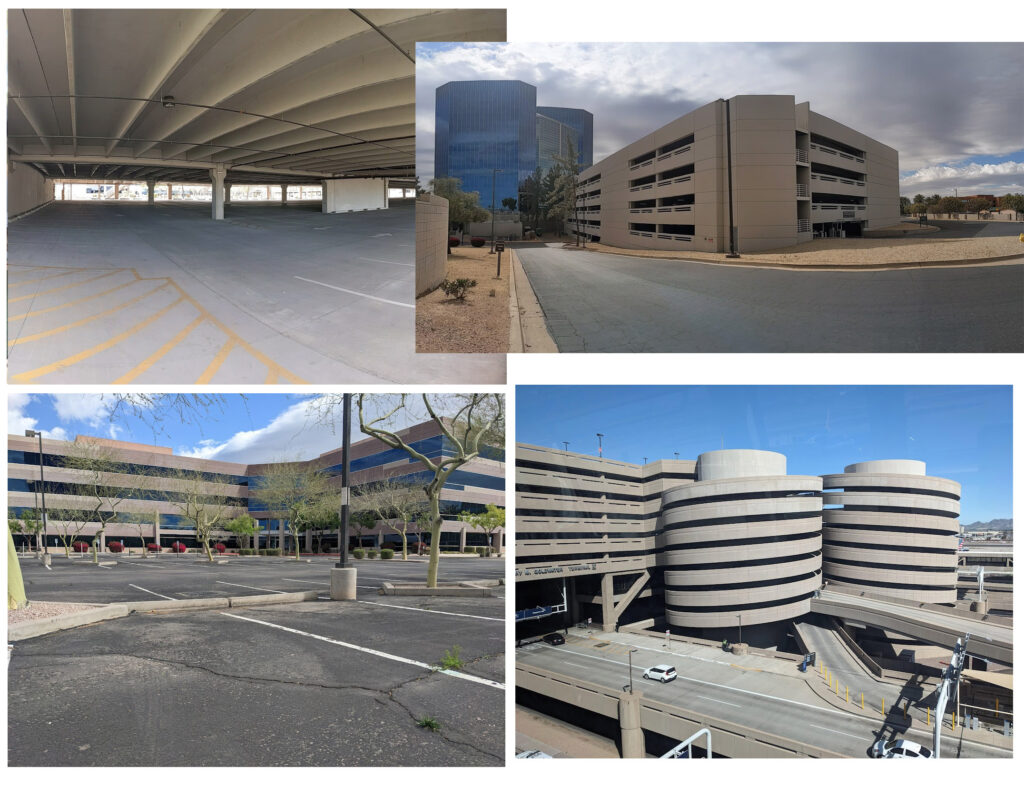
Across major metropolitan areas, vast swaths of land are entirely dedicated to asphalt, multi-story parking garages, and wide multi-lane thoroughfares. This automobile obsession spreads communities so far apart—while generating noise and safety hazards—that walking or cycling becomes unappealing or impractical, creating the artificial illusion that human society cannot function without private cars.
Addressing Common Objections and Mobility Realities
Whenever sweeping urban reforms are proposed, critics immediately raise logistical objections centered around automobile dependency. The primary concern is straightforward: how can populations maintain their current driving habits if infrastructure is fundamentally altered?
The core premise of human-centric design, however, is that eliminating massive spaces dedicated to vehicle storage and wide roads removes the necessity for constant driving. Modern urban layouts can weave together residential clusters, offices, grocery stores, fitness centers, and recreational amenities into cohesive neighborhoods. While peripheral roads would remain for emergency vehicles, deliveries, and residents requiring mobility assistance, internal community spaces would be entirely pedestrian and cycle-friendly.
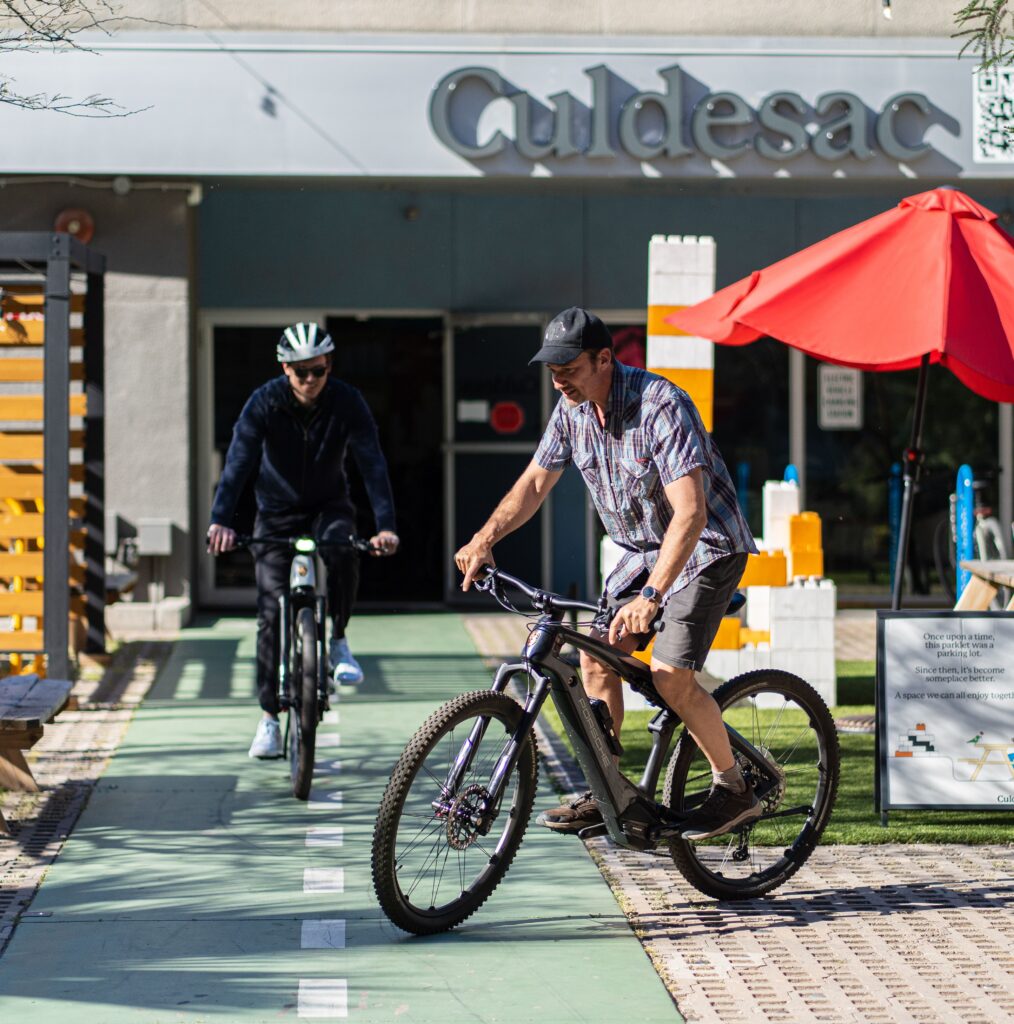
Regarding public transit, many citizens express frustration with rigid bus schedules, waiting times, and crowded terminals. Personal preference often leans toward immediate, self-directed mobility. For short distances under two miles, traditional bicycles offer rapid transit; for longer journeys up to fifteen miles, electric bicycles provide speed, physical engagement, and efficiency that bypasses congested traffic lights entirely. When cities eliminate the ninety percent of land wasted on car accommodation, active transportation methods become dramatically faster and more enjoyable. Light rail and rapid bus networks serve as regional connectors, while shared electric vehicle fleets remain available for occasional long-distance trips.
The Real-World Proof of Concept: Culdesac Tempe
While municipal reform in traditional cities often faces entrenched bureaucratic resistance, private developers have begun demonstrating what is possible from the ground up. A prime example is Culdesac Tempe, a pioneering car-free neighborhood designed to house approximately 1,000 residents across 17 acres in Tempe, Arizona.
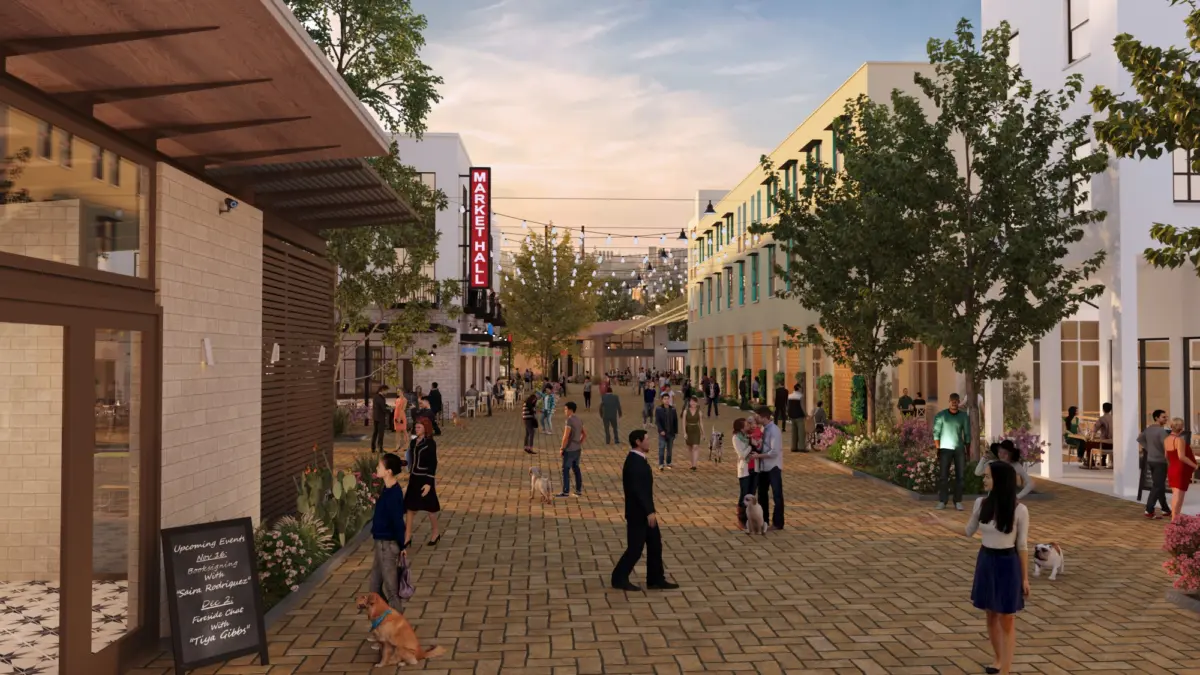
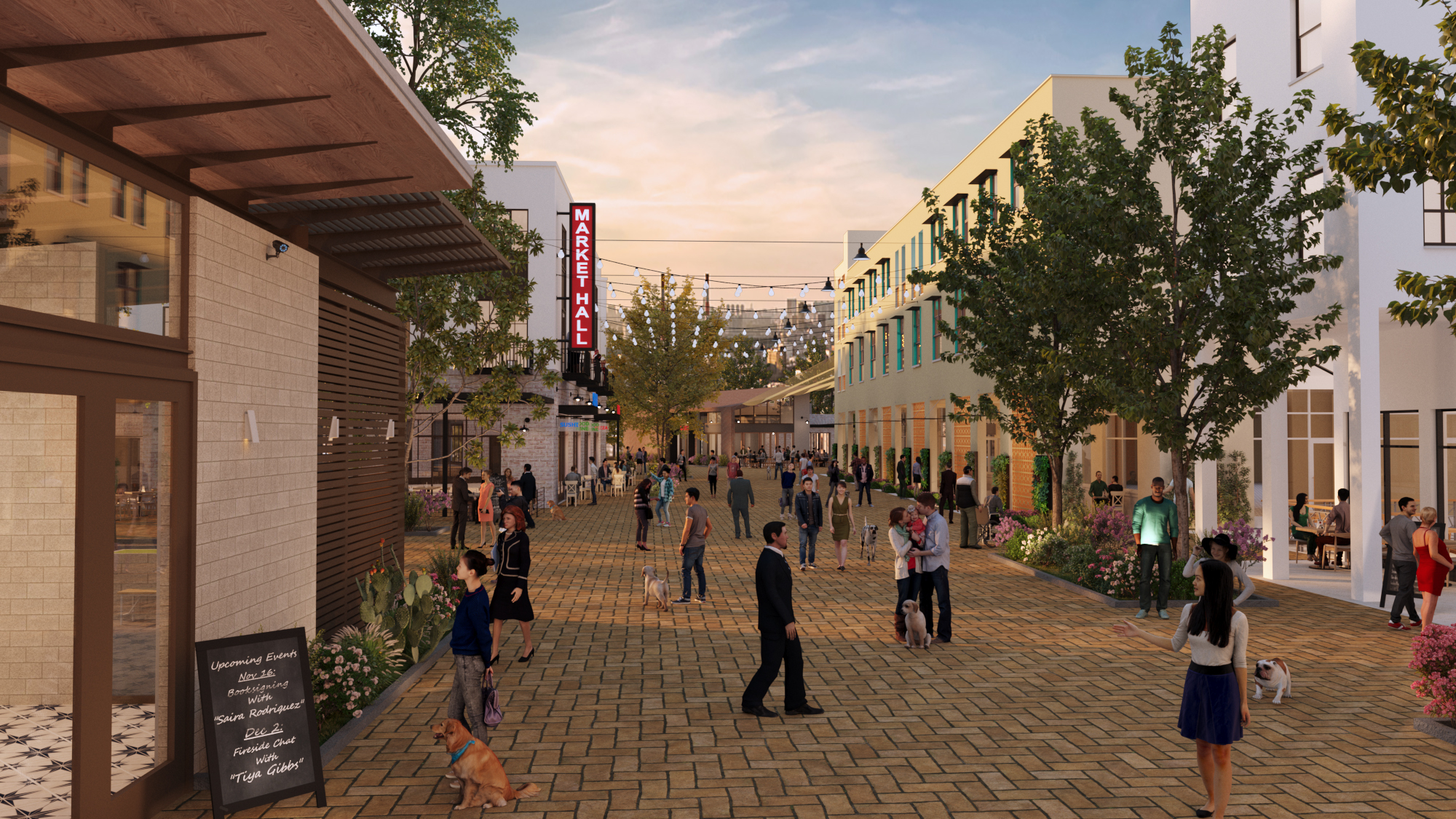
Following extensive visits, interviews with co-founders Ryan Johnson and Jeff Berens, and community meetups held within the development’s emerging central plaza, advocates point to the project as a functional blueprint for the future. The neighborhood intentionally replaces sprawling parking lots with shaded walking paths, plazas, and daily amenities integrated directly into the residential fabric.
Situated in the heart of the Phoenix metropolitan area within walking distance of Arizona State University, Culdesac Tempe sits directly adjacent to a light rail station. Residents receive transit passes included with their rent, connecting them to the broader region and the international airport for free. The community features a dedicated fleet of shared electric vehicles for mountain excursions or trips outside transit ranges, alongside extensive fleets of electric bikes for local transit. The architectural design specifically accounts for the desert climate, emphasizing shade, airflow, and open public gathering spaces.
The Broader Economic and Social Stakes
Understanding the economics of modern city planning has been compared to diagnosing a patient suffering from chronic illness caused by a lifetime of poor nutrition and physical inactivity. The solutions are direct, and the mutual benefits across economic, social, and environmental spheres are profound. Every car trip eliminated and every urban block redesigned to prioritize human connection represents a step toward massive generation of wealth and improved quality of life.

With pioneering developments establishing proof of concept, the momentum behind car-free urban planning continues to draw attention from entrepreneurs, economists, and residents alike. As the movement gains traction, the fundamental question facing modern societies is whether they are prepared to embrace a future built around people rather than automobiles.