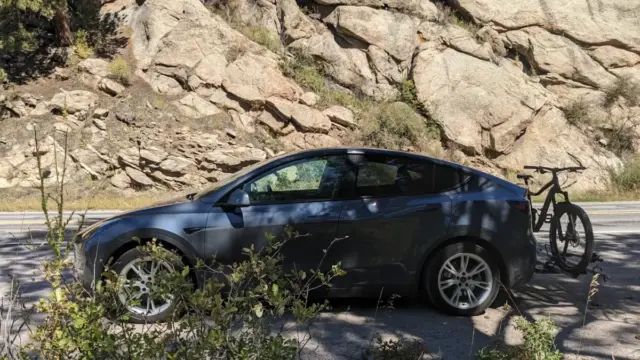
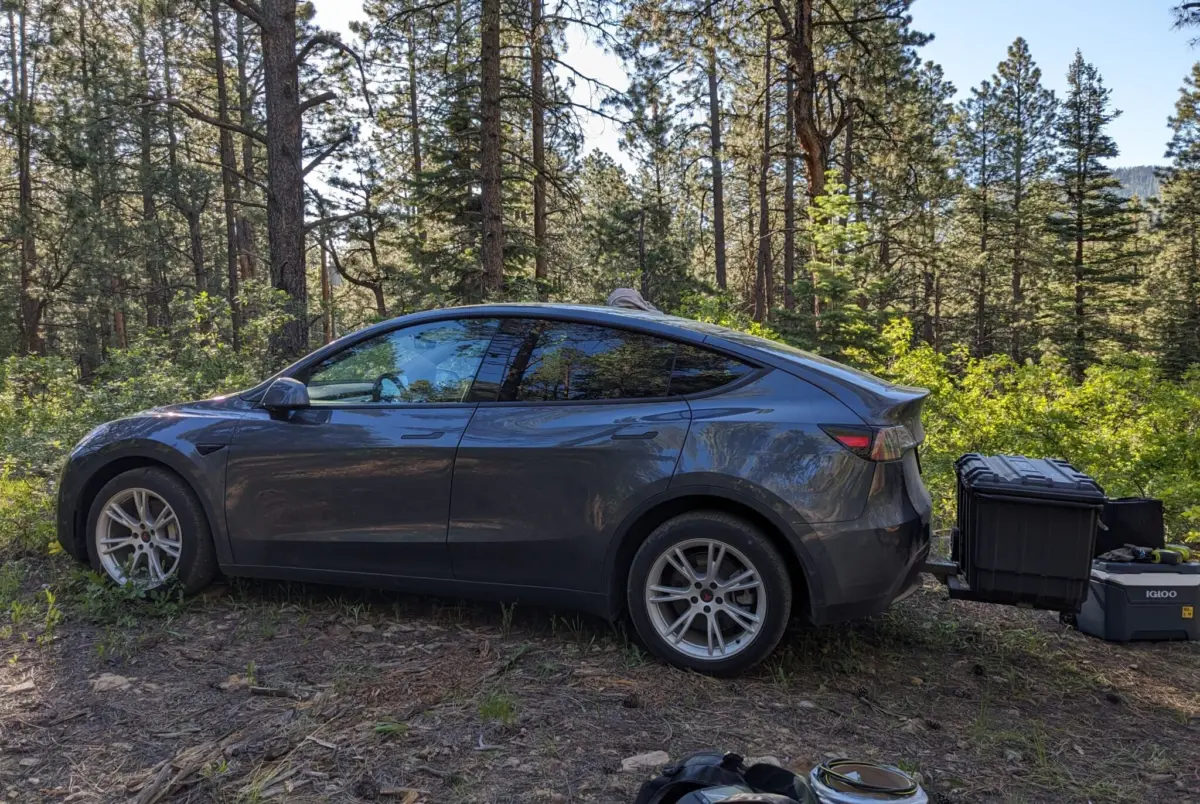
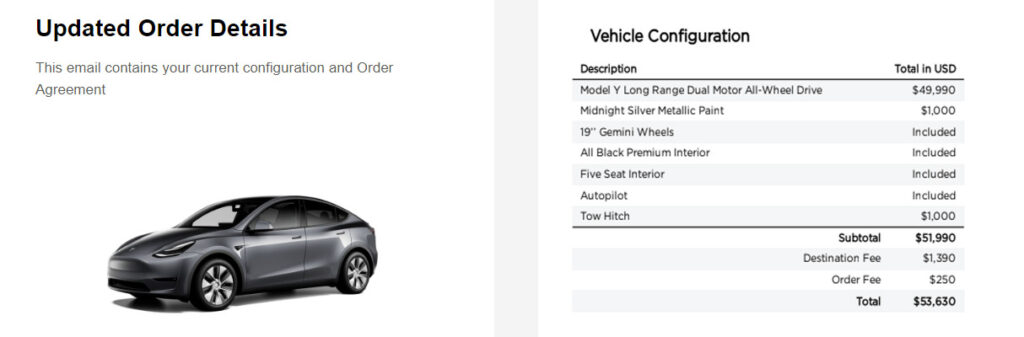
For followers of his long-running financial blog, the purchase feels like an anomaly. After all, the author built his entire digital brand on mocking excessive car culture, arguing that the average person drives vehicles they cannot afford and uses them far more often than necessary. Yet, he finds himself jumping through the necessary hoops to acquire a luxury crossover packed with modern technology, all-wheel drive, and rapid acceleration. After accounting for taxes and available government incentives, the net cost of the vehicle sits at approximately $52,000—a stark departure from his decades-long history of ultra-low-cost transportation.
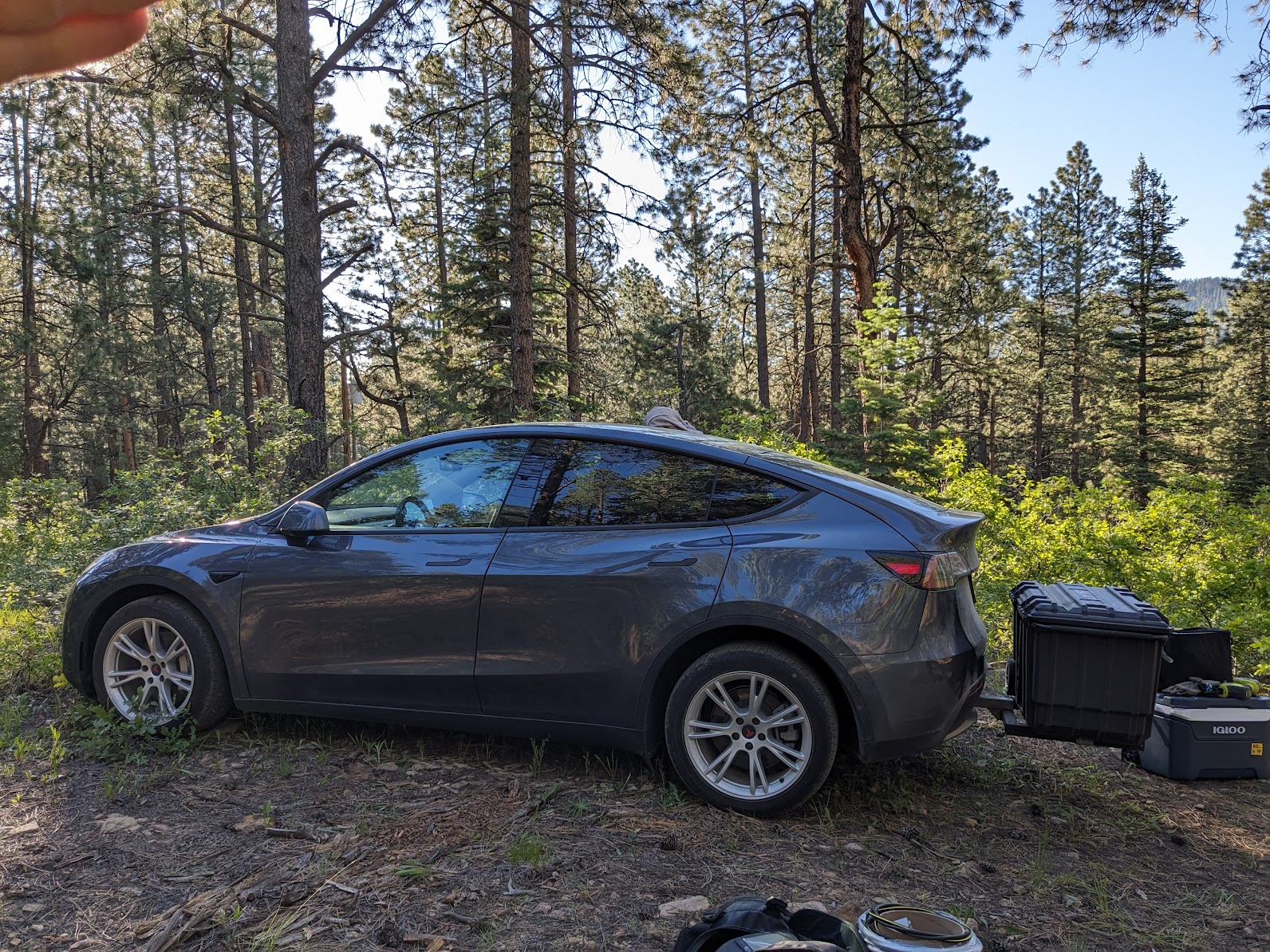
The decision has prompted the creator to launch a dedicated tracker page titled "The Model Y Experiment" to document his ongoing findings, ownership experience, and the psychological shift required for a lifelong saver to comfortably spend money on luxury. Despite the self-mockery and public teasing over abandoning his budget-conscious roots, the blogger insists he remains a devout believer in the principles of financial independence that allowed him to retire early 18 years ago. However, he acknowledges that a rigid mindset can eventually run its course, neatly summarizing his changing perspective with a classic piece of wisdom: "What got you here, won’t get you where you’re going."
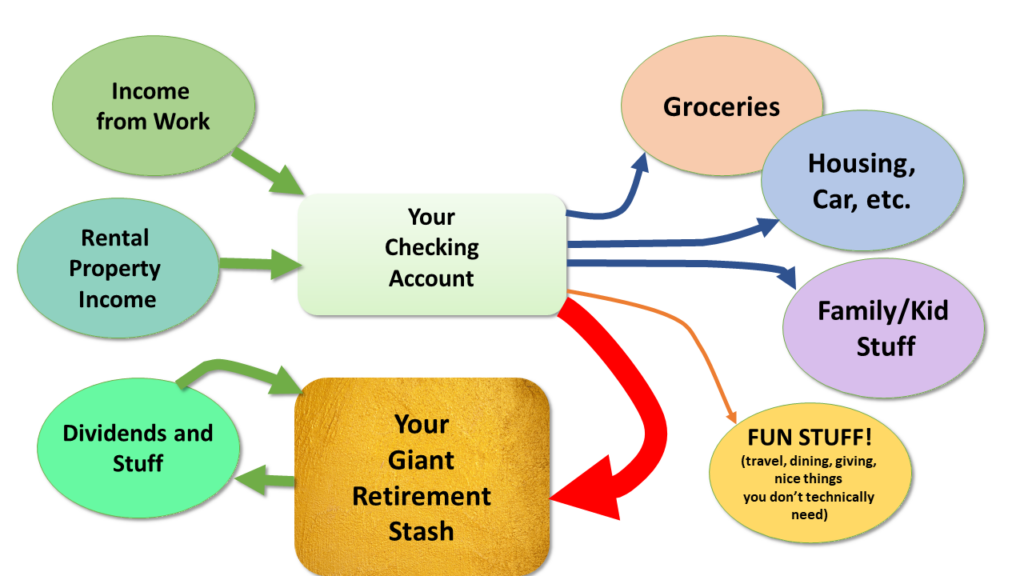
To illustrate this psychological hurdle, the author shares a recent anecdote from a grocery store run, where he experienced visceral anger upon finding a loaf of specialty bread priced at $6.99 instead of his usual $4.50. After cycling through a mental debate about boycotting the item or searching for substitutes, he realized the absurdity of the internal conflict. Recognizing that an extra few dollars spent on bread would never make a measurable difference in his overall happiness or net worth, he purchased the loaf. A conversation with a wealthy peer who made a fortune through decades of disciplined work revealed that even individuals with multi-million-dollar net worths struggle with the same ingrained hesitations when it comes to spending on themselves.
This realization led the financial writer and his peers to examine the invisible barrier that prevents financially secure retirees from enjoying their wealth. Many individuals who successfully accumulate substantial investment portfolios continue to live on austere budgets out of sheer habit, maintaining a massive gap between their actual spending and safe withdrawal rates. When confronted with this dynamic, lifelong savers often funnel every extra dollar back into an already overflowing nest egg while keeping their discretionary spending completely restricted.
To counteract this scarcity mindset, the blogger outlines three mental shifts designed to help financially secure individuals bridge the gap between accumulating wealth and actually enjoying it. The first concept involves recognizing a realistic minimum spending budget based on conservative portfolio withdrawal rates. Someone with a multi-million-dollar portfolio and zero housing debt can safely spend tens of thousands of dollars annually without threatening their long-term financial security, yet many continue to restrict themselves to a fraction of that amount out of lingering anxiety.
The second concept addresses the psychological difficulty of wasting hard-earned money by reframing how funds are allocated for personal enjoyment. Much like spending corporate money on a business trip without second-guessing restaurant bills, creating a dedicated discretionary pool can help separate personal luxury from daily frugality. The third strategy emphasizes the value of a accountability circle—a network of peers with similar financial backgrounds who can actively call out excessive cheapness and encourage sensible splurges when appropriate.
For the author, trading in the old Honda van—affectionately dubbed "Vanna"—marked the end of an era. The aging vehicle, which dutifully served as a cross-country road trip machine and helped rebuild neighborhood homes over 23 years, finally met its end via a transmission failure on a mountain pass. Rather than attempting another difficult repair, the blogger utilized an online car salvage service called Peddle, which offered $715 for the salvageable vehicle and towed it away in exchange for cash. True to the theme of his spending experiment, he immediately dedicated that cash toward dinners out with friends.
The transition to a $50,000 electric vehicle will predictably increase his annual transportation expenses by roughly $10,000 when factoring in depreciation, insurance, and other ownership costs. However, because his historical spending fell well below his safe withdrawal capacity, the author views the expenditure as a calculated and manageable step toward prioritizing experiences, road trips, and comfort.
Addressing critics who argue that such funds should instead be directed toward charitable causes, the blogger notes a long history of philanthropic giving, having previously donated over $500,000 to various organizations. He cautions against a counterproductive mindset where substantial charitable giving makes everyday personal spending feel excessively guilt-laden by comparison. Ultimately, the new Tesla represents more than just a luxury purchase; it serves as a deliberate exercise in letting go of unnecessary anxiety, embracing modern efficiency, and finding a sustainable middle ground between responsible stewardship of wealth and the freedom to enjoy it.