
The dialogue surrounding the book highlights a fundamental paradox of contemporary life: while news headlines frequently focus on national debt crises, healthcare strains, and economic hardships, the average citizen in developed nations actually faces a crisis of ridiculous overindulgence and excessive ease. The central issue is not merely the presence of comfort, but a general failure to recognize the subtle damage that a totally frictionless lifestyle inflicts on the human mind and body.

Understanding the Human Drive for Comfort
Michael Easter’s exploration of comfort versus hardship relies on a compelling narrative style, interweaving the grueling details of an extreme caribou hunting expedition in remote Alaska with rigorous scientific research, psychological studies, and cultural commentary. This dual approach allows readers to examine the evolutionary mismatch between our ancient biological wiring and our ultra-modern surroundings.
One of the most revealing psychological phenomena highlighted in the book explains why humans in safe, stable environments frequently find reasons to complain. Psychological studies on threat-detection indicate that the human brain is hardwired to scan the environment for problems. When researchers test human behavior in settings that gradually become safer, participants do not simply relax and enjoy the peace. Instead, as genuine threats disappear, the human brain lowers its threshold for what it considers a problem. When people run out of actual dangers to confront, they begin scanning for a wider range of minor grievances, magnifying trivial issues and manufacturing complaints.

This psychological quirk sheds light on broader cultural behaviors, from neighborhood disputes over minor property infractions to politically driven wedge issues that foster unnecessary division. When life is virtually problem-free, society often invents friction to fill the void. Conversely, populations enduring severe external hardship often display greater resilience. Research into the attitudes of individuals living in active conflict zones or extreme environments frequently reveals psychological endurance that starkly contrasts with the chronic anxiety found in wealthy, hyper-comfortable societies.
Immigrant experiences offer a parallel observation. Individuals who grow up in harsher, less affluent conditions often adapt to those environments as a normal baseline. Upon relocating to wealthier nations, they perceive the new surroundings as remarkably accommodating, which often translates into higher resilience, prudent financial habits, and a greater capacity to delay gratification. Over successive generations, however, that initial adaptation fades, replaced by the complacency born of uninterrupted ease.
The Biological Necessity of Nature and Exertion
Beyond psychological observations, The Comfort Crisis provides insight into the profound health benefits of spending time in natural environments and engaging in physical exertion. Human biology evolved in direct response to the natural world, responding instantly and positively to natural stimuli in ways that artificial environments, office cubicles, and automobiles cannot replicate. Scientific studies demonstrate that even placing a single plant in a hospital room measurably accelerates patient recovery. Consequently, spending extended periods in a living forest or natural landscape acts as a powerful restorative medicine for both mental and physical well-being.
The book also addresses the human predisposition toward physical conservation. Evolution taught our ancestors to conserve energy whenever possible, a survival mechanism designed to prevent starvation in resource-scarce environments. In the modern world, however, this instinct manifests as an overwhelming default toward physical inactivity. Observational data reveals that an overwhelming majority of people choose escalators over stairs when given the option, despite the immense long-term health costs associated with a sedentary lifestyle.

Regular physical movement, load-bearing exercise, and heavy exertion dramatically reduce the probability and severity of numerous physical and mental ailments. Yet, modern society frequently overlooks these foundational requirements, opting instead for a lifestyle centered around prolonged sitting, driving, and indoor isolation, supplemented by medical interventions designed to treat the resulting chronic conditions. Wellness advocates argue that a return to basic human requirements—such as daily outdoor exposure, physical exertion, minimal processed food consumption, and reduced reliance on artificial comforts—should precede the pursuit of complex, niche medical treatments.
Real-World Application of Hardship
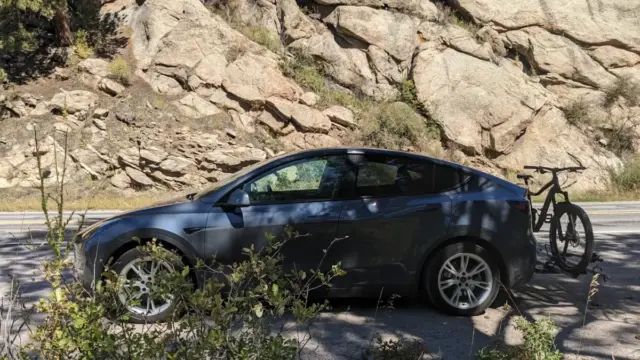
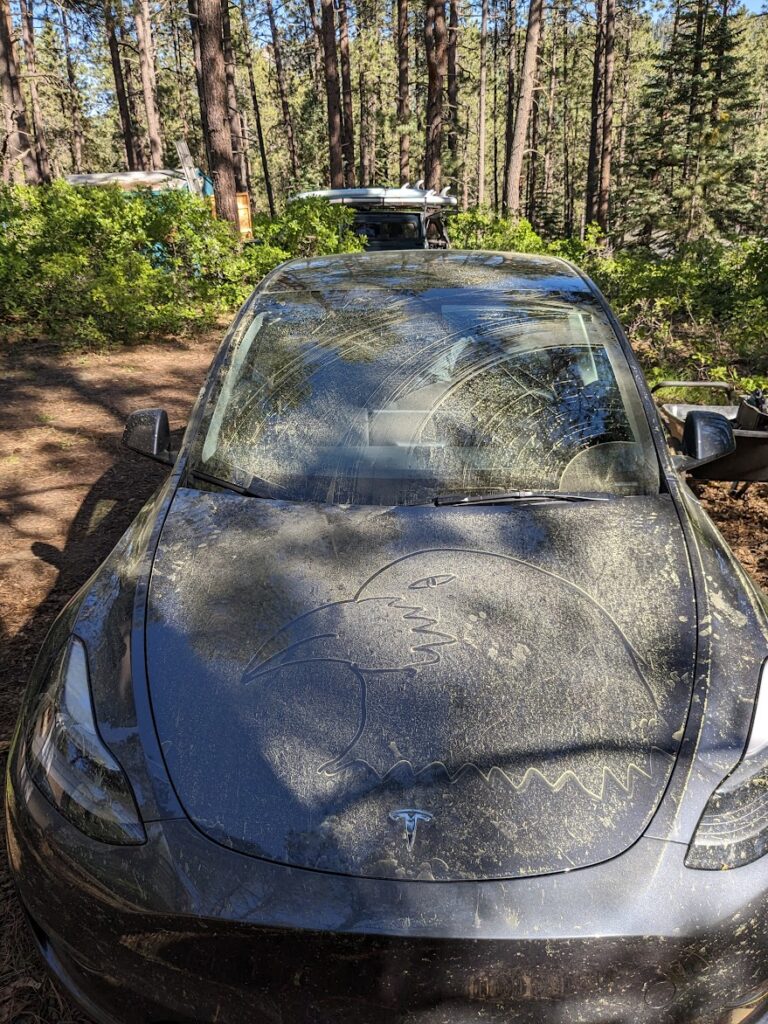
The principles outlined in the book find practical application in unexpected places, including solo travel and manual labor. A recent journey into the mountains of Southwestern Colorado served as a real-life testing ground for these concepts. Setting out with a minimalist setup designed for vehicle camping and manual construction work across multiple remote sites, the trip immediately encountered a series of minor disruptions. A torrential rainstorm, a traffic citation in a mountain town, and a cracked windshield on a new vehicle provided immediate sources of friction.

Though these incidents were objectively minor, they served to highlight how accustomed modern individuals have grown to absolute stability. In a state of high comfort, even small inconveniences disrupt mental equilibrium. However, as the physical labor of construction progressed in a high-desert environment characterized by intense sun, pollen, and a lack of indoor plumbing, a shift in perspective occurred. Rather than fostering depression or exhaustion, the physical demands and sparse conditions generated a growing sense of resilience and capability.
Activities such as navigating open water on paddleboards against a stiff wind, far from modern amenities, reinforced the value of voluntary discomfort. Embracing physical challenge without digital distractions or safety nets fosters a deeper connection to the environment and creates lasting mental clarity. Furthermore, physical exertion naturally restores healthy biological signals, such as normal appetite regulation, transforming simple sustenance into a deeply satisfying experience.

Purposeful Hardship Versus Modern Spending
These reflections connect directly to broader conversations within the financial independence community regarding spending habits and lifestyle inflation. Critics frequently argue that those focused on long-term financial independence risk becoming overly frugal, neglecting the experiential value of money. At the same time, the lessons of The Comfort Crisis caution against the slow, insidious creep of excessive comfort.
While spending money on meaningful adventures, personal growth, generosity, and community improvement enhances life quality, spending money merely to eliminate every trace of friction carries hidden costs. The human body and mind require a certain level of challenge to function optimally.
Ultimately, the core takeaway emphasizes balance. Rather than surrendering to the modern urge to purchase increasingly softer chairs and eliminate every physical or mental challenge, individuals are encouraged to invest in better tools, embrace manageable hardships, and maintain a resilient engagement with the natural world.