Advocates suggest that if society could enact one sweeping, transformative change, it should be to immediately shift the architecture of our cities and countries around people rather than automobiles, while retrofitting existing infrastructure to match a pedestrian-friendly model. The potential benefits extend far beyond minor reductions in traffic congestion or vehicular emissions. Proponents argue this pivot would result in significantly richer, healthier, and more economically vibrant communities.
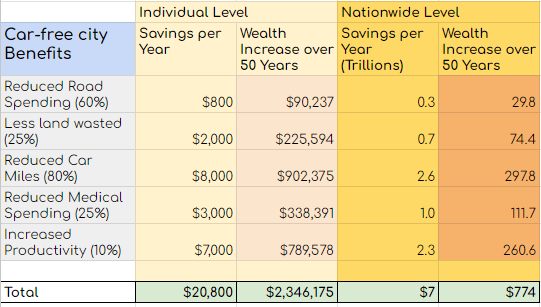
Conservative estimates place the potential societal boost at over $20,000 per person annually, compounding into millions of dollars over an adult lifetime. On a national scale, transitioning away from car-centric design could theoretically increase the wealth of the United States by approximately seven trillion dollars per year, compounding into hundreds of trillions over the coming decades—a figure that rivals the current total wealth of the global population.
Proponents of this urban shift point out that current city planning is largely dictated by bureaucratic committees and institutional norms designed to maintain the status quo and resist disruption. These planning boards are often influenced by traditional interests and local resistance that fail to recognize the massive opportunity costs of automobile-dominated infrastructure.
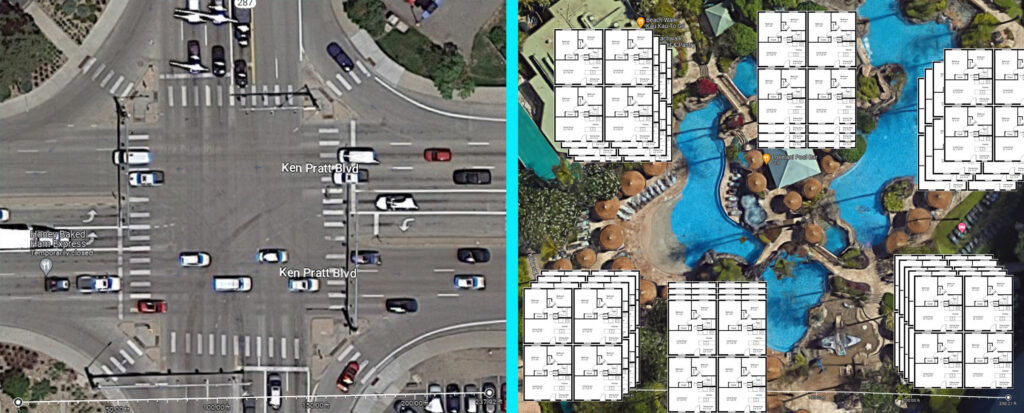
A stark visual representation of this inefficiency can be found in the sheer amount of urban land dedicated to vehicles. A typical large intersection, measuring roughly 250 by 250 feet, consumes about 1.5 acres of space. In a pedestrian-focused model, that same footprint could accommodate roughly one hundred two-bedroom apartments alongside communal amenities such as green spaces, retail shops, and dining establishments. Similarly, standard parking spaces require vast swaths of land that could otherwise be utilized for housing or public gathering areas.
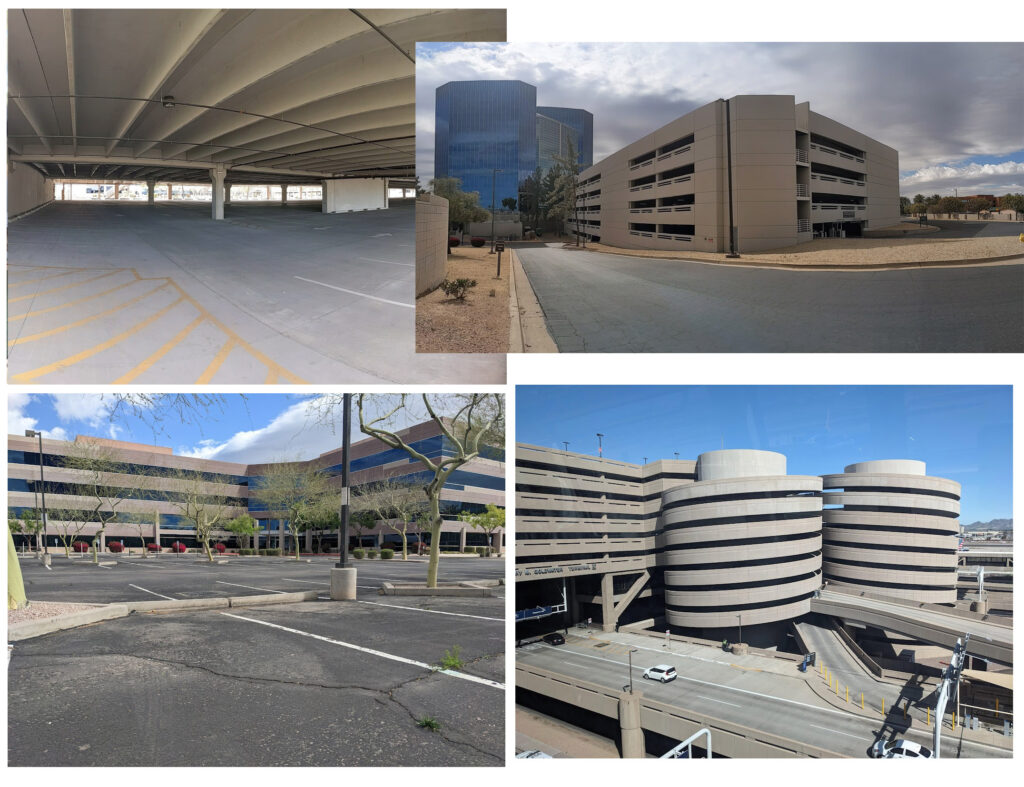
Critics of car-free initiatives frequently raise concerns about mobility, asking how populations will maintain their current driving habits without expansive roadways and parking infrastructure. However, urban advocates emphasize that the necessity for constant driving is largely a byproduct of car-centric design itself. Because vast parking lots and wide multi-lane roads spread destinations far apart and create noisy, hazardous environments, walking and cycling become impractical.

By contrast, dense, human-scaled neighborhoods integrate daily necessities directly into the living areas. In such environments, shorter distances make active transportation methods like walking, standard bicycles, and electric bikes significantly faster and more practical than navigating traffic signals and congested roadways in cars. While public transit, light rail, and emergency vehicle access remain essential components of a functional city, the daily reliance on private automobiles drops dramatically.

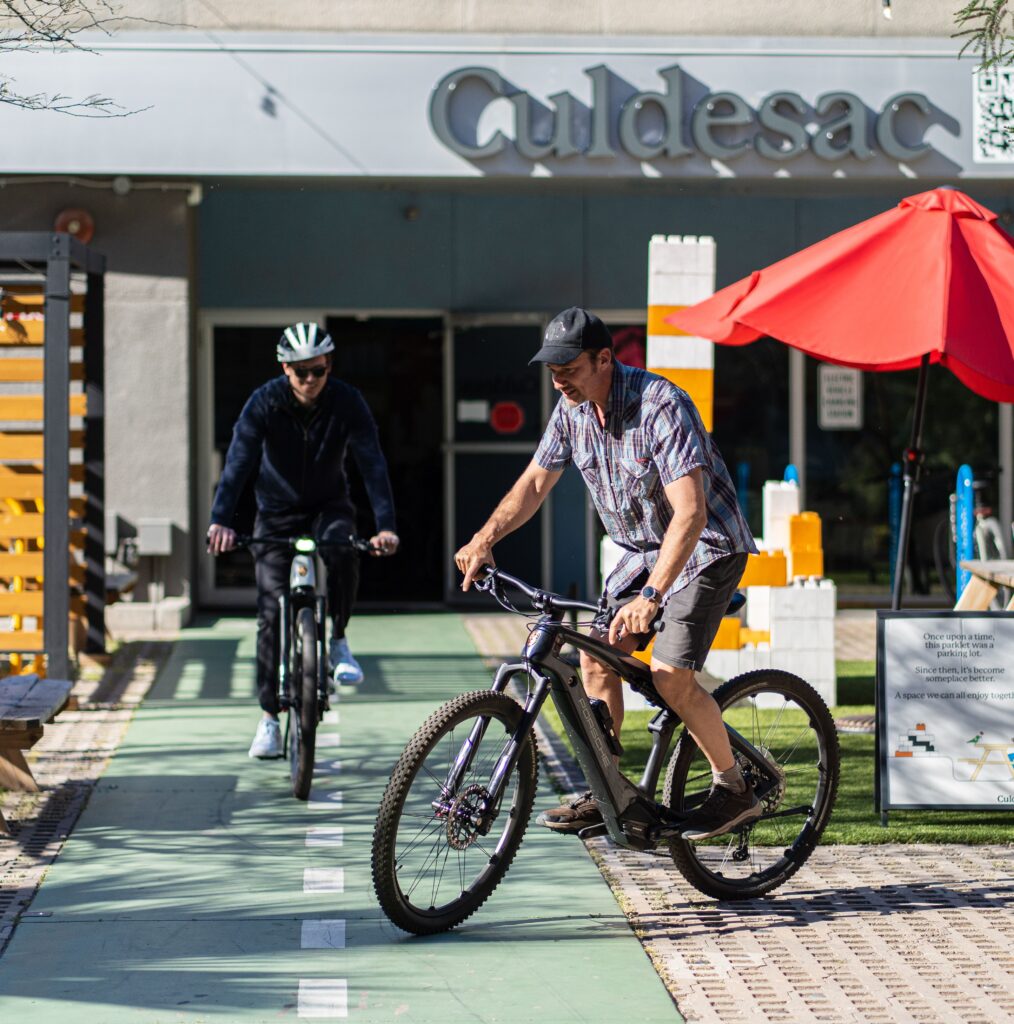
While transforming established municipalities often involves navigating complex bureaucratic hurdles and public resistance, tangible examples of car-centric alternatives are beginning to materialize. One prominent example is Culdesac Tempe, a newly established, thousand-person car-free neighborhood situated in Arizona. The development spans seventeen acres and serves as a living laboratory for human-centric urban design.
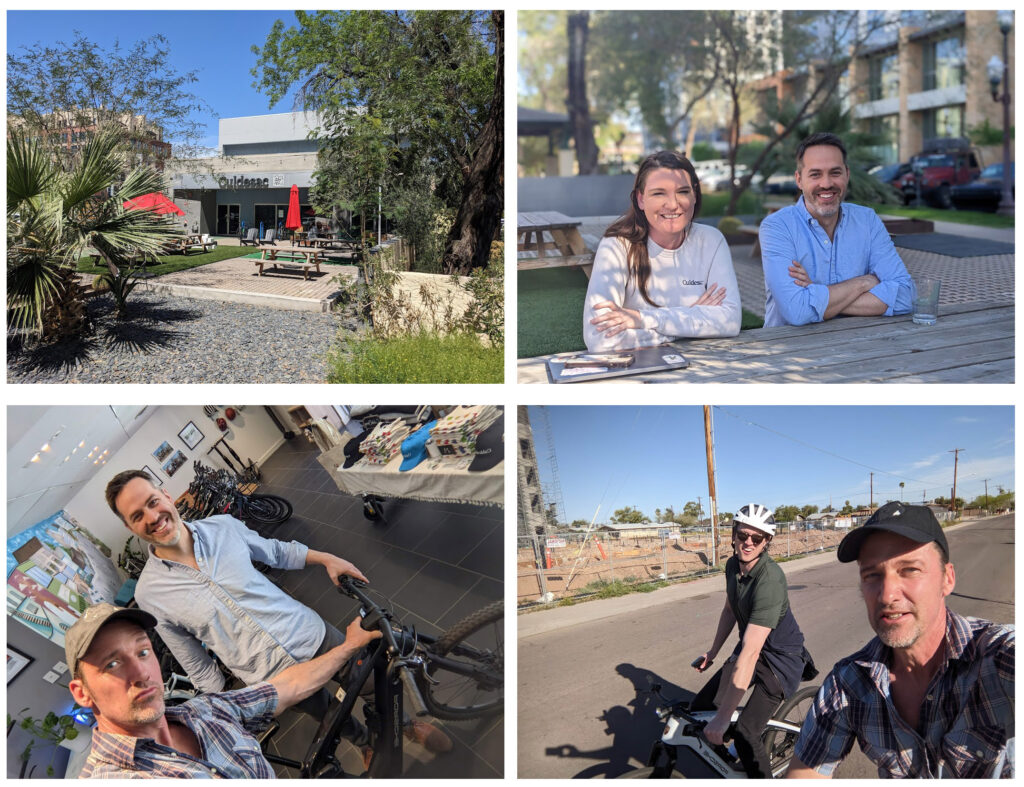
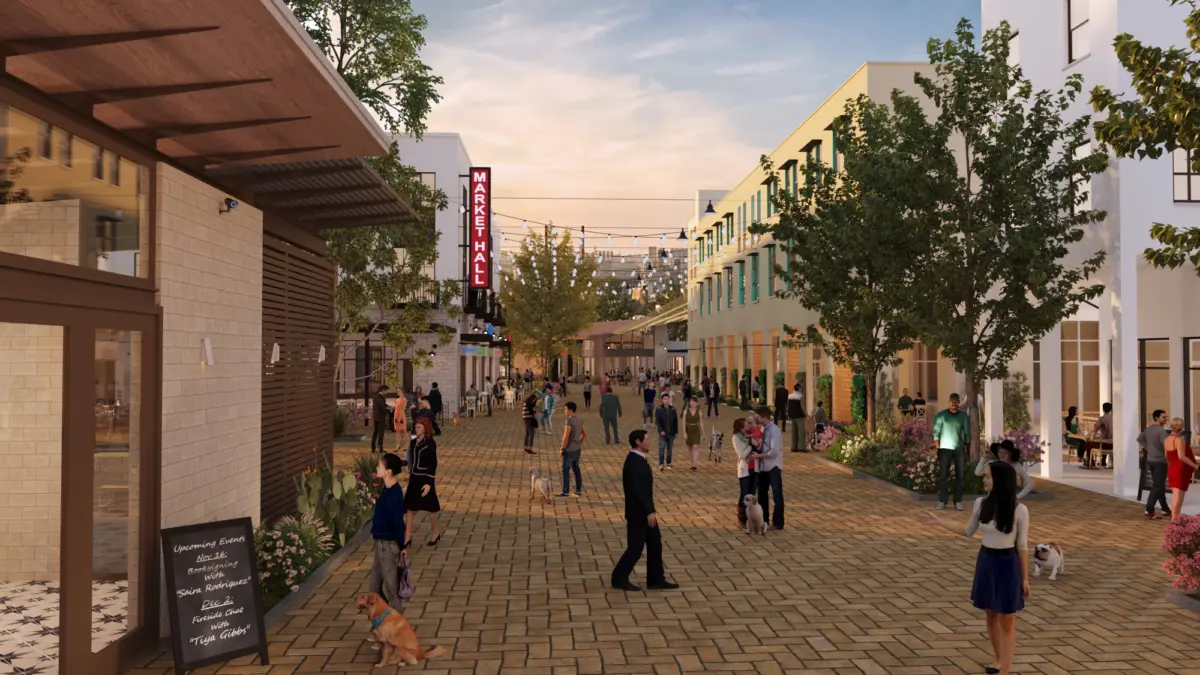
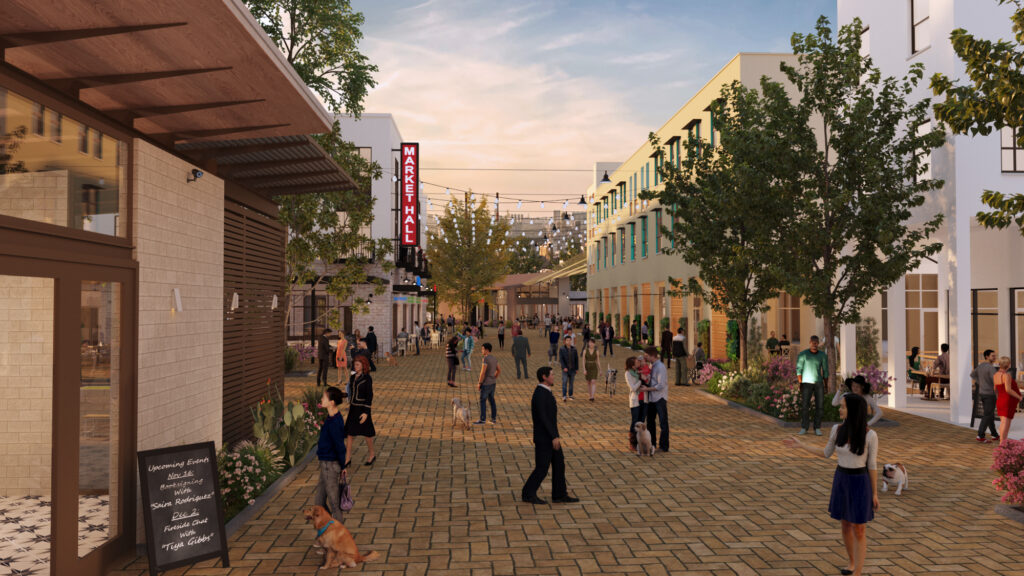
Visitors and residents at the development encounter a layout where traditional parking lots are replaced by central plazas, walking paths, and shared amenities. The neighborhood incorporates daily necessities directly on-site, reducing the need for residents to drive elsewhere for routine tasks. Positioned within the Phoenix metropolitan area, the development is located near a university and adjacent to a light rail station, offering residents access to public transit options alongside fleets of shared electric bicycles and neighborhood electric vehicles.
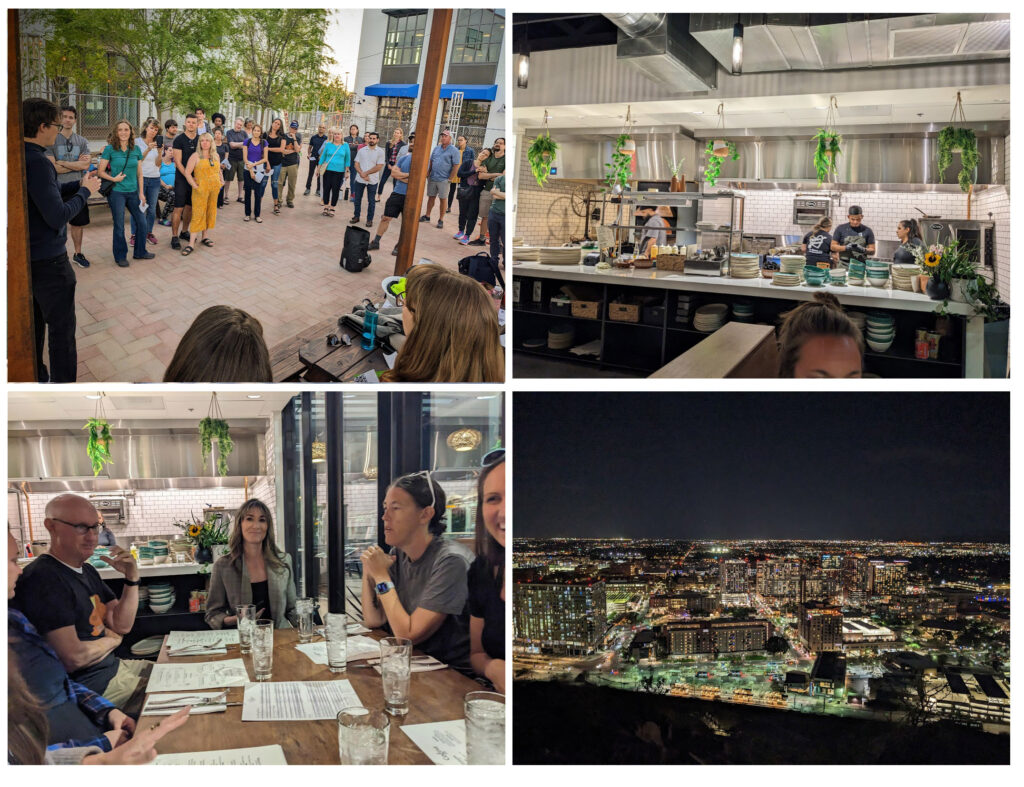
The economic and social implications of shifting away from automobile dependency are profound. Observers compare the current state of car-dominated urban design to a chronic health condition stemming from unsustainable habits. As municipalities begin to explore car-free developments and pedestrian-oriented zoning, the transition offers a glimpse into how reimagining physical spaces can fundamentally alter modern living, generating long-term economic growth and improving the overall quality of urban life.