This overarching theme anchors the latest roundup of essential reads from across the literary internet, capturing a moment of profound reflection within the global writing community. Alongside explorations of modern technology, recent commentary has spanned historical legacies, international politics, matters of identity, and deep dives into the mechanics of literary craft.
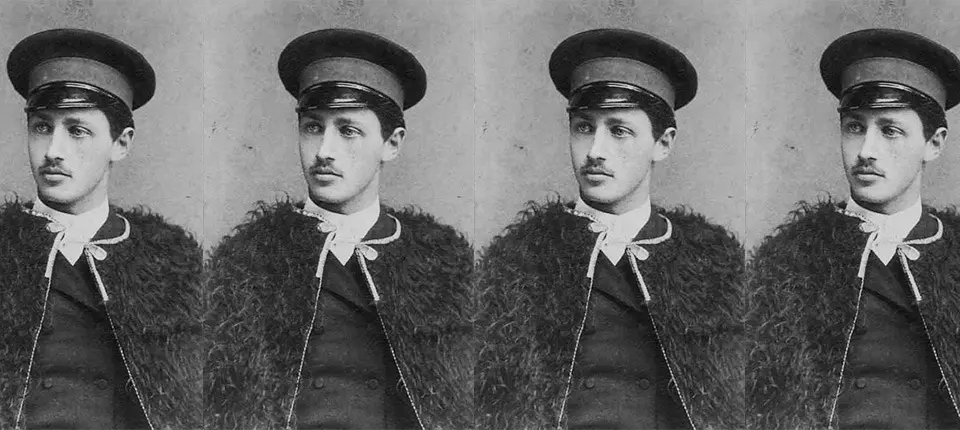
Marking the historical anchors of the literary calendar, the week’s retrospectives began with the commemoration of the birth of Ivan Bunin in 1870. The celebrated Russian writer and poet, who would later become the first Russian to win the Nobel Prize in Literature, remains a towering figure whose mastery of prose and piercing psychological insight continue to influence generations of writers. Bunin’s legacy of observation and exile offers a poignant backdrop to contemporary discussions surrounding the destruction of cultural heritage, particularly as modern conflicts continue to devastate libraries and literary spaces globally.
Among the most pressing discussions in contemporary publishing is the friction between technological automation and human creativity. Critics and essayists have increasingly turned their attention to safeguarding the interiority of art. While generative tools mimic syntax and pattern, essays published this week argue that the lived experience, the weight of individual grief, and the idiosyncratic nuances of human consciousness cannot be synthesized by code. This sentiment extends into the realm of poetry and prose, where writers grapple with the limits of language itself—particularly in trans poetics and works exploring identity—highlighting how the failures and triumphs of vocabulary mirror the complexities of human self-actualization.
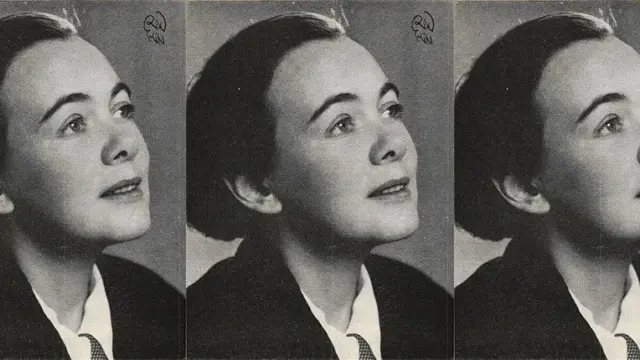
Identity and its ever-shifting lexicon remain central to cultural criticism. Recent essays have examined the evolving language surrounding Latinx identity, noting how terminology adapts to encompass the vast, heterogeneous experiences of diverse communities. Similarly, writers have explored intersectional histories, such as the profound influence of feminist activist Robin Morgan on preserving the legacy of Sylvia Plath. Plath’s enduring grip on the literary imagination is further illuminated through examinations of the cyclical nature of life and death embedded within her work, offering readers a lens through which to view her visceral poetry with renewed clarity.
The mechanics of craft and the diverse lived experiences that inform it have also yielded compelling conversations among authors. Novelist Barbara Kingsolver recently shared practical insights into her daily routine, explaining the physical and creative rationale behind why she writes standing up. Elsewhere, conversations on fiction explore the delicate art of raising the stakes—transforming narrative drafts from inert concepts into gripping, emotionally resonant stories. Novelists like Lydia Millet have sat down to discuss the intricacies of constructing double novels that tackle the heavy themes of grief and loss, while Kristen Millares Young has reflected on the intersections of marriage, motherhood, and the transformative journey toward self-actualization.
Personal trauma and physical disruption often leave indelible marks on a writer’s output. In recent features, authors have processed extraordinary life events through their work. Nafissa Thompson-Spires discussed how surviving a lightning strike fundamentally shifted her identity and influenced her characters, while other essayists explored how rigorous academic research and the demands of writing can serve as a lifeline when coping with profound personal loss. Craft discussions have also touched on regional and thematic boundaries, with writers like Adam Wilson meditating on plot versus concept—and famously vowing never to write a story about a Yankees fan—while Anishinaabe poets navigate the unique challenges of maintaining traditional storytelling traditions within a predominantly fiction-driven literary market.
Historical echoes resonate strongly through recent non-fiction and cultural critique. Commentators have drawn stark parallels between historical turning points and modern political anxiety, specifically analyzing how the electoral victory that dismantled German democracy in March 1933 offers chilling resonances for contemporary political landscapes, including the 2026 American midterms. International politics also take center stage in examinations of Brazil’s recent political convulsions, which offer a broader window into understanding the maneuvers of the global far-right. In tandem, discussions on human rights and state power have interrogated the machinery of modern deportations, framing contemporary immigration policies as an undocumented, ongoing war.
The intersection of literature and social activism continues to draw vital commentary. Environmental writer Bill McKibben recently reflected on the arduous, long-term struggle for the earth, emphasizing that climate activism is a slow, cumulative process deeply tied to the health of democracy. In Ukraine, the human and cultural cost of war is brought into sharp focus through personal accounts of writers losing entire libraries and manuscripts to Russian bombardment, underscoring the fierce resilience of a literary community fighting to preserve its stories amidst destruction.
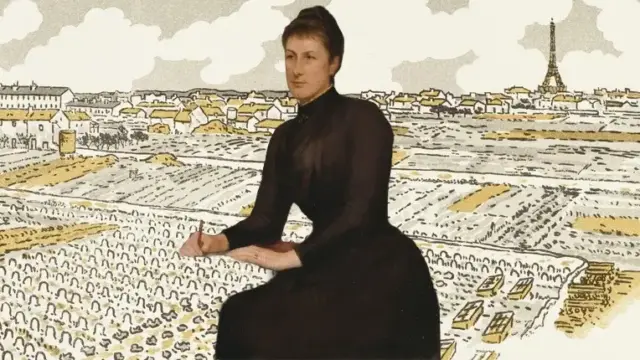
History also preserves quieter, yet equally powerful, acts of literary devotion. Recent essays celebrate unsung figures from publishing history, such as Ettie Stettheimer and her century-old novel Love Days, alongside examinations of the deep, decades-long intellectual friendship between political theorist Hannah Arendt and writer Mary McCarthy. Archival deep dives have revealed fascinating footnotes, including how army librarians heroically brought the joy of reading to the front lines during World War II, and a behind-the-scenes look at the prestigious Heinrich Maria Ledig-Rowohlt translation prize dinner at the Frankfurt Book Fair, where translators and international publishers gathered to celebrate cross-lingual bridges.
Pop culture and music frequently intersect with literary analysis. Critics this week revisited the confident complexity of Whitney Houston’s iconic performance at Super Bowl XXV, analyzing it as a cultural text in its own right. Meanwhile, poetry finds experimental ground in unusual places, such as Patricia Lockwood’s striking poem "Sensual Songs for Eight-Year-Olds," which challenges conventional poetic expectations.
For readers seeking out new material, the literary internet continues to provide curated guidance. The latest Independent Press Top 40 Bestsellers lists for both fiction and nonfiction highlight the vibrant ecosystem of independent publishing, while weekly review roundups direct attention toward the most essential critical assessments of new releases.
Whether examining the quiet intimacies of family estrangement, the complex bonds between queer individuals and their relatives, or the structural relationship between a reader and a writer as shaped by the editor’s hand, the literary internet reflects a community deeply engaged with the weight of history, the urgency of politics, and the enduring necessity of the human voice.