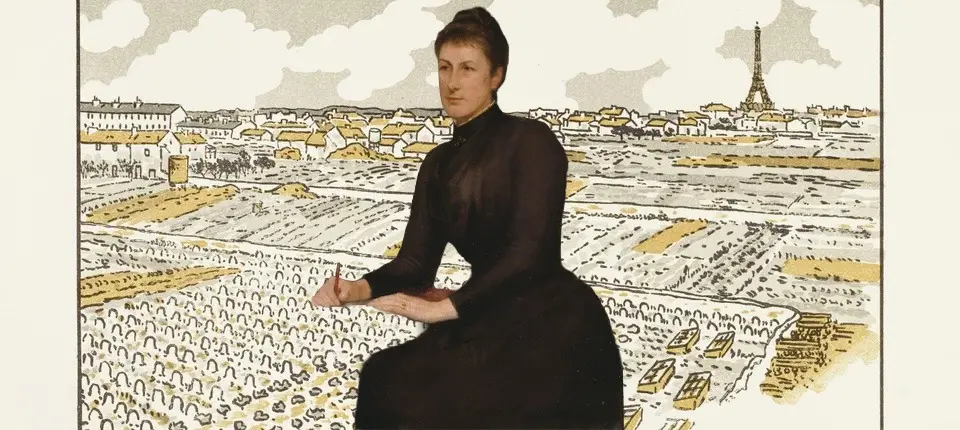
Today in literary history marks a significant yet often overlooked anniversary: the passing of Jessie Catherine Couvreur, who died on this day in 1897. Couvreur, a notable figure of the late 19th-century literary sphere, left behind a complex and intriguing legacy that continues to captivate scholars of colonial and Victorian literature. Born in England and later making her mark internationally, particularly through her deep engagement with Australian life and culture, Couvreur wrote under the well-known pseudonym Tasma. Her work offers a vital window into the shifting cultural dynamics of the nineteenth century, capturing the complexities of expatriate existence, women’s independence, and the rugged realities of the Australian landscape during a period of intense global transformation.
The remembrance of literary figures like Couvreur serves as a reminder of the vast, interconnected network of voices that have populated the literary internet and traditional archives alike over the centuries. As digital platforms continue to archive, digitize, and recirculate the histories of nineteenth-century writers, contemporary audiences are afforded unprecedented access to the lives and works of authors who might otherwise have faded into the margins of literary history. Through online databases, digital scholarly editions, and daily literary retrospectives, the stories of writers such as Tasma are given new life, allowing modern readers to engage with the full spectrum of literary heritage.
Beyond today’s historical remembrance, the literary internet remains a vibrant ecosystem of daily essays, author interviews, digital criticism, and debates concerning the future of publishing and reading. From deep dives into neglected nineteenth-century novels to contemporary discussions regarding the shifting aesthetics of modern prose, online spaces continue to function as the modern equivalent of the traditional literary salon. Readers and critics alike use these digital avenues to champion forgotten works, debate the merits of contemporary releases, and construct a more inclusive and expansive literary canon that honors both the past and the present.
As we reflect on the contributions of Jessie Catherine Couvreur on the anniversary of her death, we are reminded of the enduring power of the written word to transcend time and geography. Whether through the preservation of historical biographies or the rapid-fire exchange of contemporary literary criticism, the digital spaces dedicated to books and writing continue to foster a vibrant community for those who believe in the transformative impact of literature. Stay tuned as we continue to track the best essays, reviews, and historical spotlights crossing the literary web today.