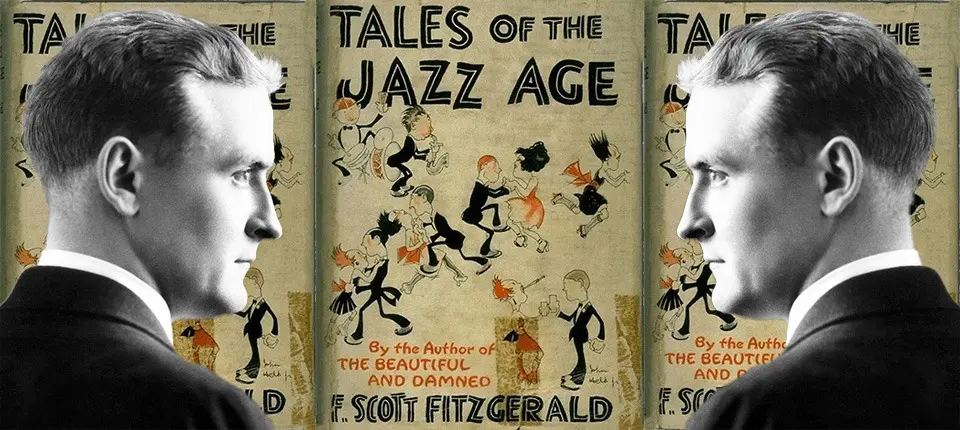
As readers and historians look back at the milestones that shaped contemporary reading and writing culture, anniversaries like this one offer a valuable lens through which to examine the shifting landscapes of publishing, art, and society. The publication of Tales of the Jazz Age arrived at a fascinating juncture in American history, arriving just two years before Fitzgerald would publish his masterpiece, The Great Gatsby. Charles Scribner’s Sons, long recognized as one of the premier publishing houses of the era, recognized the growing public appetite for Fitzgerald’s unique stylistic voice, which brilliantly captured the restless energy, post-war disillusionment, and frantic glamour of the early 1920s.
The collection brought together some of Fitzgerald’s most celebrated and widely discussed short fiction up to that point in his career. Among the notable pieces included in the original 1922 edition were such enduring works as "The Diamond as Bigger than the Ritz" and "Bernice Bobs Her Hair." These stories showcased Fitzgerald’s remarkable range, shifting effortlessly from biting social satire and surrealist fantasy to keen, observant realism concerning the romantic and social ambitions of the American youth. Through these narratives, Fitzgerald did not merely entertain his audience; he actively documented a rapid cultural transformation, giving voice to a generation that had emerged from the shadow of the First World War eager to redefine morality, leisure, and personal expression.
The reception of Tales of the Jazz Age upon its New York release by Charles Scribner’s Sons helped further elevate Fitzgerald from a promising young magazine writer into a major literary figure of his generation. While his debut novel, This Side of Paradise, had captured the national imagination and established his celebrity in 1920, the short story collection demonstrated that his narrative talents were equally formidable in shorter formats. The book proved to be commercially successful and critically engaging, reinforcing the symbiotic relationship between mass-market periodical culture—where many of these stories first appeared—and the prestigious hardcover publishing market championed by editors like the legendary Maxwell Perkins.
In the broader context of the literary internet and modern cultural commentary, reflecting on the historical release of Tales of the Jazz Age serves as a reminder of how deeply rooted our contemporary understanding of the 1920s remains in the prose of F. Scott Fitzgerald. Long before the era became shorthand for flappers, speakeasies, and economic excess in popular media, Fitzgerald was actively defining its contours sentence by sentence, character by character.
As digital literary platforms continue to explore, celebrate, and re-examine the archives of twentieth-century fiction, the anniversary of the Scribner’s publication highlights the enduring legacy of a book that captured a fleeting moment in time and preserved it for generations of readers to come.