Yet, despite the wisdom of tuning out most political noise, there is one critical arena where the record urgently needs correcting: the economy, personal wealth, and the overall financial health of the nation. Politicians have rarely been celebrated for their technical mastery of complex disciplines like science, technology, or macroeconomics. During election cycles, however, political discourse routinely plunges to new depths. Candidates desperately attempting to sway undecided voters in vital swing states frequently rely on irrational emotional appeals rather than sound economic principles.
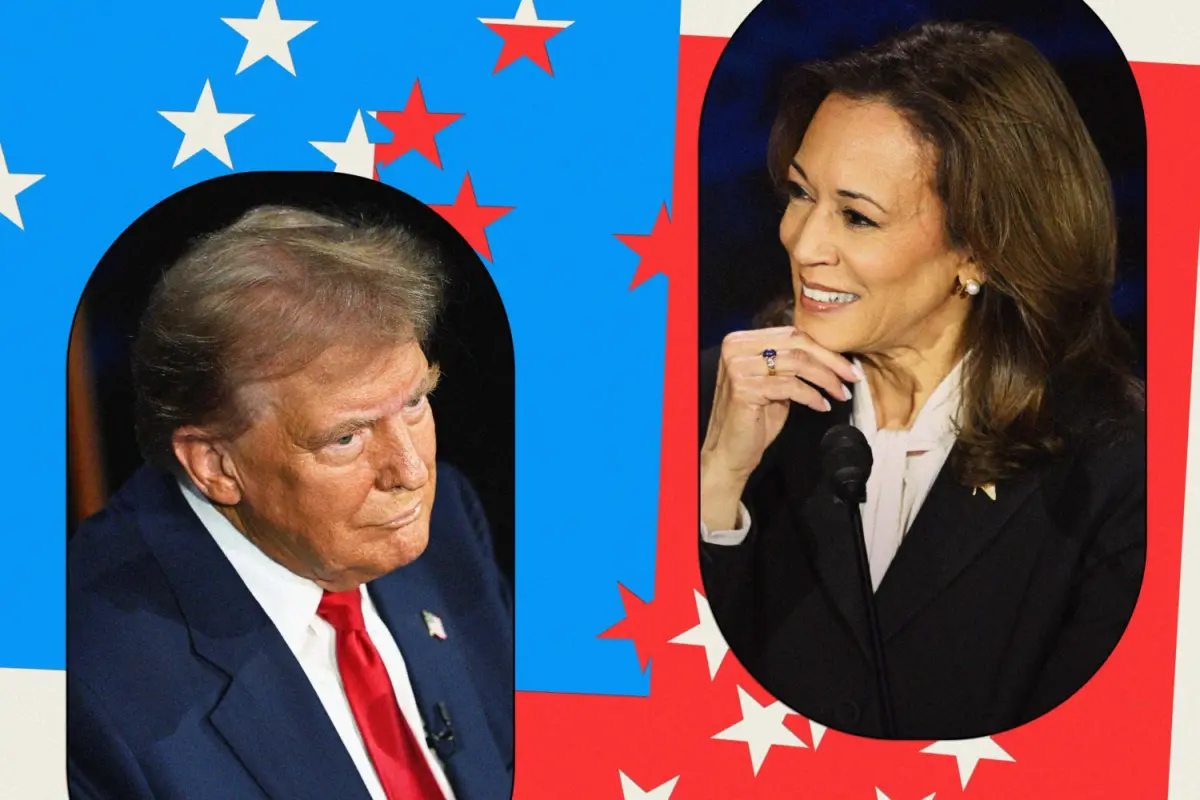
A striking example of this phenomenon is the persistent narrative pushed by opposition figures—most notably Donald Trump and his campaign—characterizing the current administration’s economic record as a failure. In stark contrast to these gloomy talking points, macroeconomic indicators reveal that the United States economy is fundamentally robust, boasting historically low unemployment rates. It is difficult to envision a significantly healthier baseline economic environment than the one currently observed. Even the recent wave of elevated inflation can be interpreted as a symptom of an economy operating with immense momentum, necessitating the application of monetary brakes via higher interest rates to ensure long-term stability.
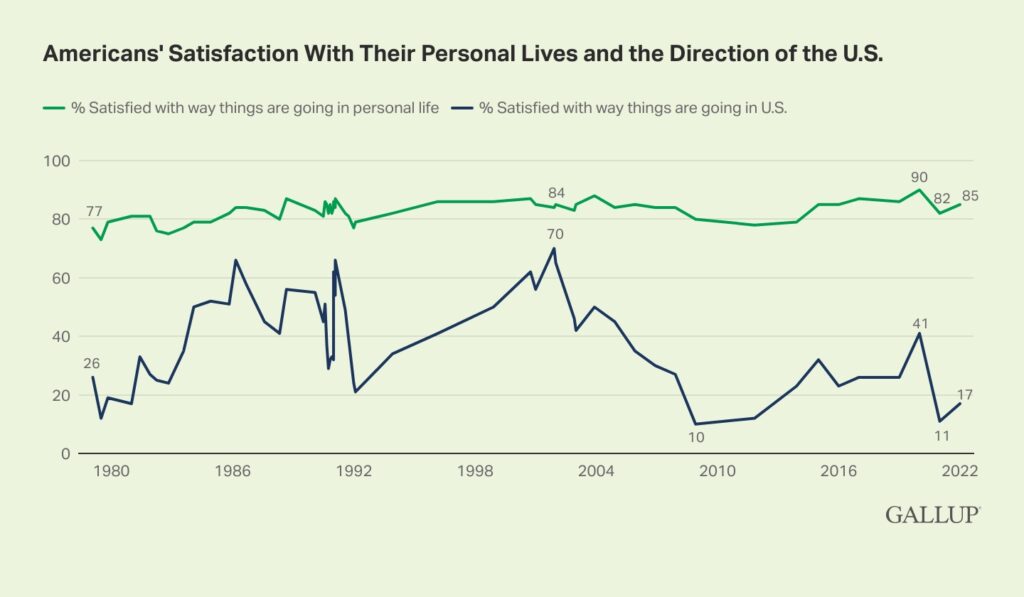
Despite these positive realities, public sentiment remains remarkably pessimistic. Recent polling data from Gallup underscores a profound disconnect: while an overwhelming majority of Americans report that their personal financial situations are going very well, a tiny fraction believe the broader national economy is performing well. This mathematical impossibility—where the vast majority report individual success while simultaneously condemning the collective system—points to a widespread perceptual failure. Analysts note that this pervasive disconnect correlates strongly with the modern proliferation of social media misinformation and sensationalized news reporting.

Rather than providing objective, accurate information to the electorate, political campaigns and media outlets frequently amplify distortions. While individuals can simply choose to ignore campaign speeches and proceed with their daily lives, achieving financial mastery requires an accurate understanding of reality. Financial literacy remains a powerful tool; the more precisely citizens comprehend how macroeconomic systems actually operate, the better equipped they are to build and preserve wealth. To clear up the prevailing confusion, financial analysts and commentators have increasingly pushed back against the most persistent economic misconceptions propagated by political figures on both sides of the aisle.
The Myth of Presidential Economic Control
A foundational falsehood of modern campaigning is the notion that the sitting president single-handedly controls the national economy. When a recession strikes, opposition politicians invariably pin the blame directly on the Oval Office. Conversely, when economic indicators trend upward, incumbents are quick to claim personal credit for the collective prosperity. In reality, the United States economy is far too massive—and thankfully far too decentralized and free—for any single political figure to exert direct control or monumental influence over its trajectory.
The American economy operates as a gigantic, multifaceted machine, continuously converting human labor and raw materials into tangible goods and services, ranging from everyday technology to vital infrastructure. Although the United States remains the world’s largest national economy, representing roughly 26 percent of global economic activity, it is perpetually influenced by the remaining 74 percent of economic production generated by billions of people across the globe.
Periodic economic boom-and-bust cycles are driven primarily by human psychology—specifically, phases of irrational exuberance and greed, such as the housing boom leading up to 2007, followed by inevitable periods of extreme fear and contraction, as witnessed during the 2008 financial crisis. While government policies, tax rates, and regulatory frameworks certainly play a role, the effects of these policies are typically delayed, indirect, and difficult to isolate. The federal government can adjust the rudder of the massive economic ship, but in the short term, the vessel inevitably pitches and rolls in response to vast global ocean currents and storms.
The Illusion of Presidential Influence Over Interest Rates
Another recurring theme in contemporary political debates involves candidates feigning sympathy for middle-class Americans struggling with higher borrowing costs on credit cards, car loans, and residential mortgages. Campaign promises frequently include bold pledges to "fight" to bring interest rates down. In some instances, political rhetoric has even extended to criticizing independent Federal Reserve board members or suggesting that a future administration should exert direct executive control over monetary policy.
In a functional democracy, leaving monetary policy directly in the hands of a sitting president would be disastrous, as historical examples from other nations demonstrate. Instead, the Federal Reserve utilizes interest rates as critical gas and brake pedals for the economic vehicle. When economic activity slows and unemployment rises, strategic reductions in interest rates provide a necessary stimulus to job creation and capital markets. Conversely, when the economy overheats, raising rates prevents runaway inflation from destabilizing the financial system. These independent adjustments are technical and data-driven, remaining entirely outside the direct purview of executive fiat.
Misconceptions Surrounding Inflation and Purchasing Power
Political rhetoric concerning post-pandemic inflation is similarly disconnected from baseline economic data. In the immediate wake of the global health crisis, the United States experienced a sharp spike in inflation. This inflationary pressure was driven by a unique combination of supply chain bottlenecks, widespread factory closures, remote work transitions, and robust consumer demand fueled by federal stimulus programs and ultra-low interest rates. Over subsequent years, these systemic imbalances largely resolved themselves, bringing the inflation rate back down to a normalized baseline.
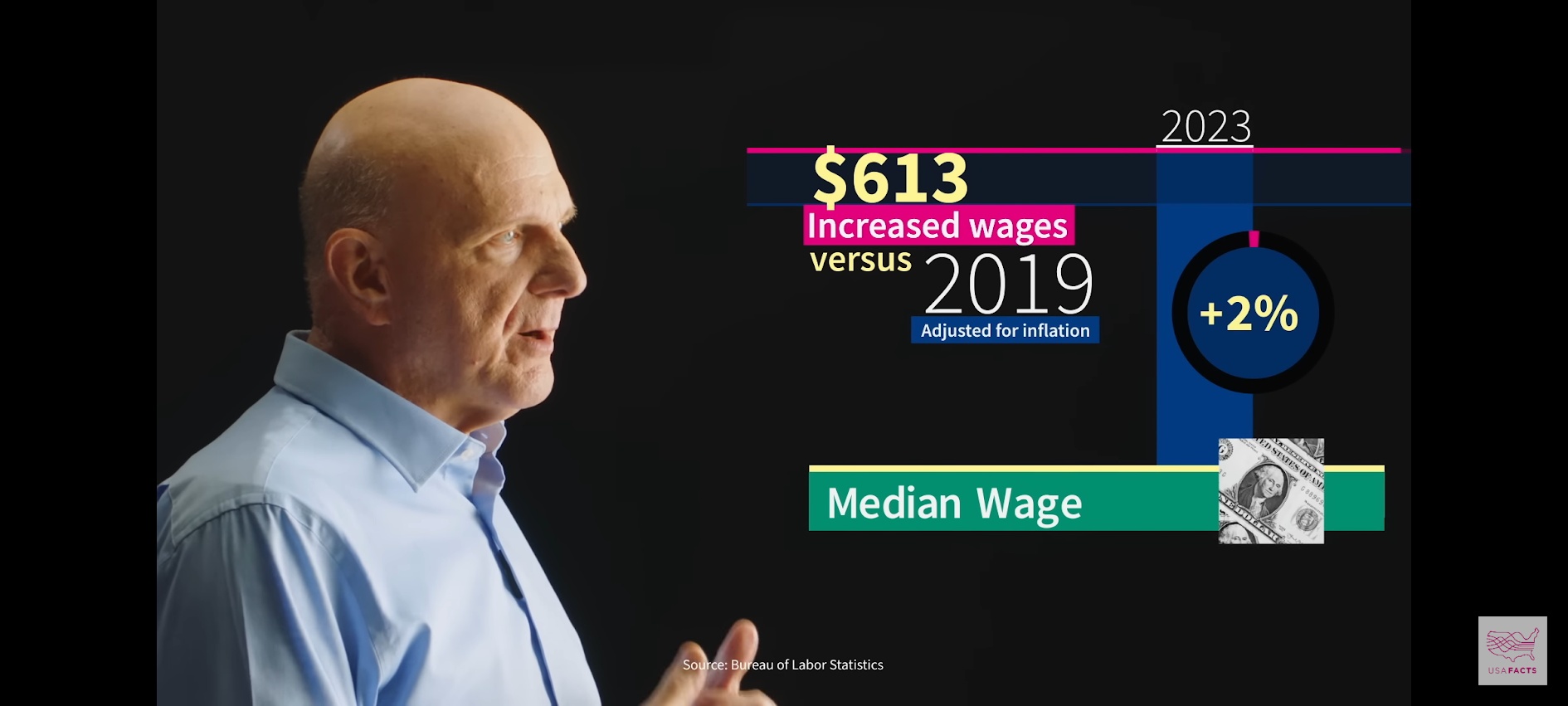
Crucially, comprehensive economic data indicates that overall wage growth has outpaced cumulative inflation over the long term. Since 2019, while general consumer prices have risen significantly, aggregate wages have climbed at an even faster rate, leaving the average American better positioned financially than they were prior to the pandemic. Nevertheless, political candidates continue to frame inflation as an ongoing catastrophe, often making unrealistic promises to artificially roll back consumer prices. This persistent framing has successfully convinced segments of the electorate that a combination of higher wages and higher prices inherently equates to a broken economy, which fundamentally contradicts macroeconomic definitions.
Parallel narratives frequently blame corporate greed for rising consumer prices, alleging that businesses artificially inflate costs to hoard windfall profits. However, extensive economic research—including deep-dive analyses from independent journalistic organizations like NPR—has repeatedly demonstrated that competitive market pressures prevent widespread price gouging. Grocery stores and major retailers, for instance, have not captured abnormal windfall profits off the back of recent inflationary cycles, operating instead within standard, highly competitive profit margins.
The Complex Realities of Housing and Real Estate
Housing affordability represents one area where structural challenges have genuinely intensified over the past decade. Across the United States, residential property prices and rental rates have outpaced general inflation and wage growth. Simultaneously, higher benchmark interest rates—while necessary for cooling the broader economy—have increased borrowing costs for prospective homebuyers, creating a dual burden of elevated purchase prices and expensive mortgages.
Despite these genuine difficulties, proposed political solutions frequently lean toward policies that threaten to exacerbate the underlying supply shortage. Schemes involving direct subsidies for first-time homebuyers or political pressure to manipulate mortgage rates often stimulate demand without addressing the root cause of the crisis. Economists and housing advocates argue that sustainable relief requires a dramatic expansion of housing supply. Achieving this goal necessitates removing bureaucratic roadblocks for residential builders, streamlining the permitting process, modernizing rigid building codes, and dismantling exclusionary suburban zoning, minimum parking requirements, and local regulatory hurdles that inflate construction costs.
Gasoline Prices and Technological Transition
Gasoline prices have long served as a staple of political stump speeches and media outrage, despite representing a relatively minor component of household expenditures. When adjusted for inflation, gasoline prices remain remarkably comparable to historical levels seen decades ago, hovering within predictable per-gallon ranges in real dollars. Furthermore, despite the prevalence of large and inefficient vehicles on American roadways, the average household devotes only a small fraction of its disposable income to fuel costs, often spending vastly more on total vehicle ownership, financing, and maintenance.
Moreover, the broader transportation landscape has evolved significantly. Electric vehicles and advanced alternative technologies have matured to the point where used electric models compete directly with traditional internal combustion vehicles, while new electric cars offer lower total cost of ownership, reduced maintenance requirements, and superior performance. Persistent political fixation on fossil fuel pricing often overlooks the broader technological transition already underway in consumer markets.
Refocusing the Economic Conversation
Ultimately, contemporary political discourse frequently fixates on metrics and anxieties that miss the broader picture of modern human prosperity. Advanced economies achieved material sufficiency decades ago, meaning that modern debates over marginal consumer luxuries resemble an abundance of resources rather than genuine scarcity. While income inequality remains a legitimate societal challenge best addressed through progressive taxation and sensible safety nets, the relentless accumulation of wealth beyond the threshold of basic sufficiency rarely correlates with sustained personal happiness.
As the election cycle reaches its conclusion, voters continue to evaluate competing visions for the country’s future. Yet, as financial philosophers and market historians frequently emphasize, individual well-being is defined far more by personal mindset, resourcefulness, and life skills than by macroeconomic political promises. For most citizens, the most rational approach remains active civic participation followed by a prompt return to personal priorities, confident in the resilience of a decentralized and dynamic economic landscape.