The initiative emphasizes that meaningful seasonal engagement does not require significant financial investment. Drawing on popular spring programming while introducing fresh concepts tailored for higher temperatures, the recommendations span outdoor exploration, community building, domestic projects, and intentional periods of rest.
1. Sunrise walk
Beginning the day before standard waking hours offers a distinct encounter with outdoor tranquility. Observers note that experiencing the quiet of early morning while the sun rises can set a peaceful tone for the remainder of the day. Participants frequently combine this routine with a warm beverage, such as coffee or hot chocolate, to counter the early chill.

2. Forage
Foraging serves as an engaging and cost-free activity that stimulates observational skills and connects individuals to local ecosystems. By conducting preliminary research on regional flora, participants can safely harvest wild foods while spending time outdoors. During the summer months, regionally common finds often include wild mulberries, blackberries, and dandelions.
3. Stargaze
Nighttime skywatching requires minimal preparation—merely a blanket or an open vantage point away from intense urban light pollution. While specialized equipment is unnecessary, digital tools such as the Stellarium application can enhance the experience by helping identify constellations and celestial bodies.
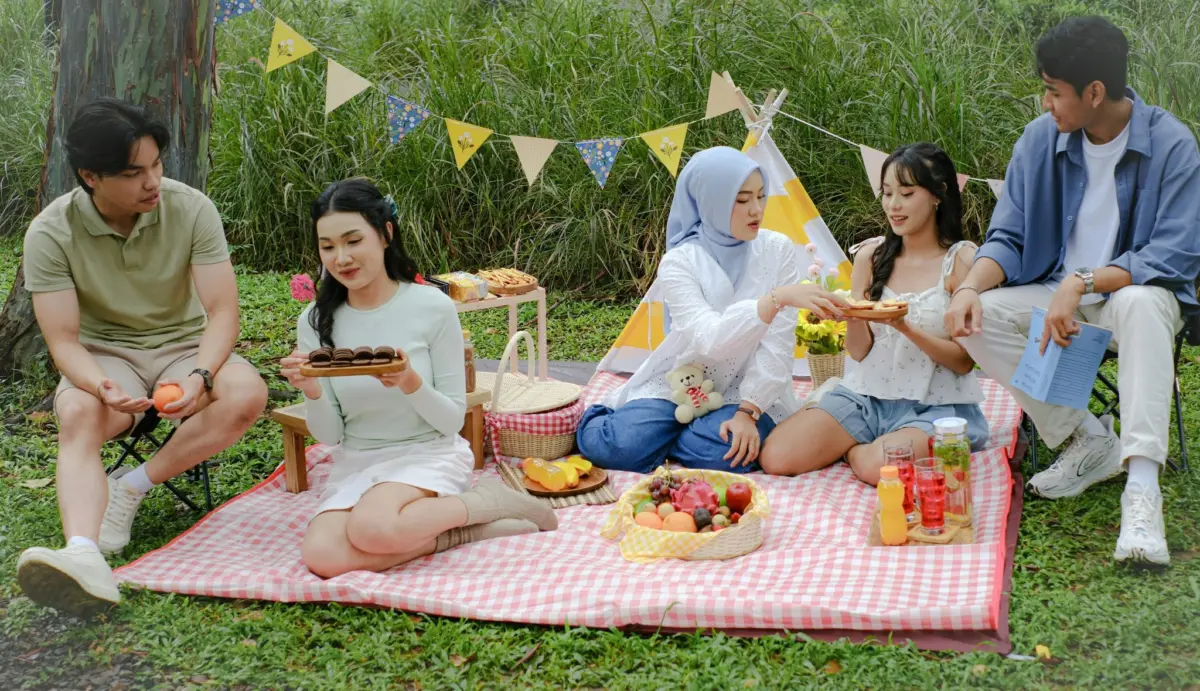
4. Host a potluck picnic
Social gatherings can be organized around shared responsibilities rather than centralized costs. Potluck picnics allow friends and neighbors to contribute individual dishes, reducing financial strain and planning stress for the host.

Extending this concept further, community-minded groups occasionally organize cooperative efforts to provide meals for unhoused neighbors. These initiatives might involve pooling resources and ingredients ahead of time to distribute sandwiches or host a modest, community-supported barbecue.
5. Attend a free concert or movie in the park
Municipal calendars frequently feature complimentary cultural programming during the summer months. Local libraries, parks, and recreation departments routinely host outdoor film screenings and live musical performances in public spaces, offering accessible entertainment options for residents and visitors alike.
6. Set up a lemonade stand
While traditionally associated with childhood entrepreneurship, operating a casual refreshment stand can serve as a collaborative neighborhood activity for adults and children alike. Beyond commercial endeavors, beverages can be prepared and shared freely with passersby as a gesture of community hospitality.

7. Do a clothing swap
Seasonal wardrobe updates can be achieved sustainably through organized clothing exchanges. Participants declutter their personal spaces, gather at a designated location, and browse through the pooled collection of unwanted items. This practice provides individuals with a refreshed selection of clothing while preventing textiles from entering the waste stream prematurely.
8. Visit a museum on a free day
Cultural institutions frequently designate specific days or hours with complimentary admission. Utilizing these schedules allows the public to access educational and artistic exhibits without financial barrier, offering a comfortable alternative for individuals seeking shelter from intense daytime heat.
9. Sketch outside
Engaging in visual arts in an outdoor setting does not demand formal training or artistic mastery. Sketching natural elements—such as trees, landscapes, or architectural features—encourages focused observation and a deeper appreciation of the immediate environment.

10. Press flowers
Botanical preservation offers a lasting keepsake from the seasonal landscape. Utilizing common household items like heavy books and wax paper, individuals can flatten and dry fresh flowers for subsequent use in correspondence, decorative framing, or handmade stationery.
11. Write letters
In an era dominated by digital communication, composing physical letters on paper provides a tangible and emotionally resonant connection. Handwritten correspondence directed toward older family members, such as grandparents, serves as a thoughtful method for fostering intergenerational ties and brightening recipients’ daily routines.
12. DIY bird bath
Constructing a simple water station for local wildlife supports urban ecology while offering passive observation opportunities. Elaborate construction is entirely optional; a shallow dish placed securely on a stable surface is sufficient to attract local birds and beneficial insects seeking hydration and relief from the heat.

13. Declutter
The extended daylight hours of summer often provide clearer perspective on personal environments and material possessions. Undertaking focused organization projects—ranging from individual drawers to broader seasonal categories—helps residents evaluate which items genuinely serve their current needs. Comprehensive checklists are frequently utilized to guide systematic organization across various living spaces.
14. Hammock
Resting in a suspended fabric sling requires minimal exertion and provides an immediate opportunity for relaxation. Whether utilized for reading, napping, or quiet contemplation among foliage, this low-impact activity prioritizes physical and mental decompression.
15. Grow something
Cultivating plant life can be scaled to fit any living situation, from small balcony containers and kitchen herb gardens to mason jar sprouts and sown wildflower seeds. Engaging in basic horticulture fosters a direct connection to food production and natural growth cycles.

16. Plan a staycation day
Treating one’s hometown with the curiosity of a tourist encourages the exploration of overlooked local landmarks, parks, and businesses. Establishing a dedicated itinerary for a single day promotes local discovery without the logistics or expenses associated with long-distance travel.
17. Make homemade popsicles from whatever’s in your fridge
Kitchen experimentation can reduce food waste while producing cooling seasonal treats. Excess fresh fruit, fruit juices, yogurt, and other beverages can be combined and frozen in molds to create improvised frozen snacks.
18. Find a natural spot to swim
Accessing natural bodies of water—including rivers, lakes, creeks, and swimming holes—offers recreational relief during peak summer temperatures. These locations provide immersive contact with natural environments, supporting physical activity and mental well-being.

19. Try a photo-a-day project
Documenting the summer season through a consistent daily photographic record encourages mindful observation. By selecting a specific thematic focus—such as shadows, a particular color, or recurring subjects—participants create a visual archive that illustrates the subtle transitions occurring over the course of the season.
20. Do absolutely nothing for an afternoon
Amidst persistent digital connectivity and fast-paced daily schedules, designating time for deliberate inactivity offers profound restorative benefits. Allowing an afternoon to remain completely unscheduled—free from digital devices, agendas, and productivity goals—provides an essential opportunity for cognitive recovery and mental rest.