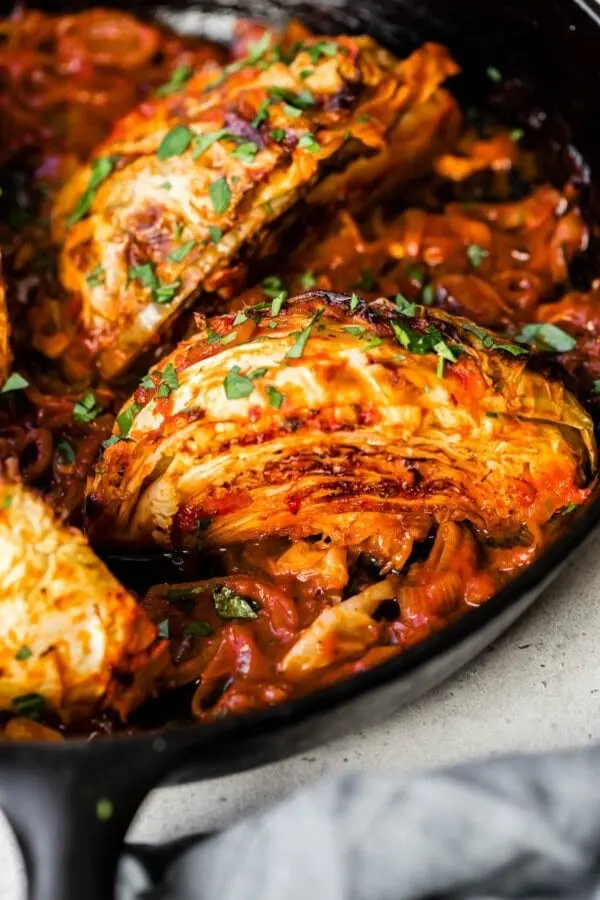
By slow-simmering thick-cut wedges until they achieve a soft, silky texture, the dish offers the warm, rich profile of traditional stuffed cabbage rolls without requiring meat or complex, multi-step assembly. The feature highlights technique-driven cooking methods, such as preliminary stovetop browning and precise fluid management, to build complex flavor profiles out of basic produce and pantry staples.
Reimagining an Underrated Vegetable
In her commentary accompanying the recipe release, Homolka addresses the common perception of cabbage in home kitchens. While red and green cabbages are widely available, affordable, and prized for their exceptional shelf life, they are frequently overlooked when home cooks plan dinner side dishes. Outside of raw applications like coleslaw, cabbage rarely takes center stage on weeknight dinner menus.
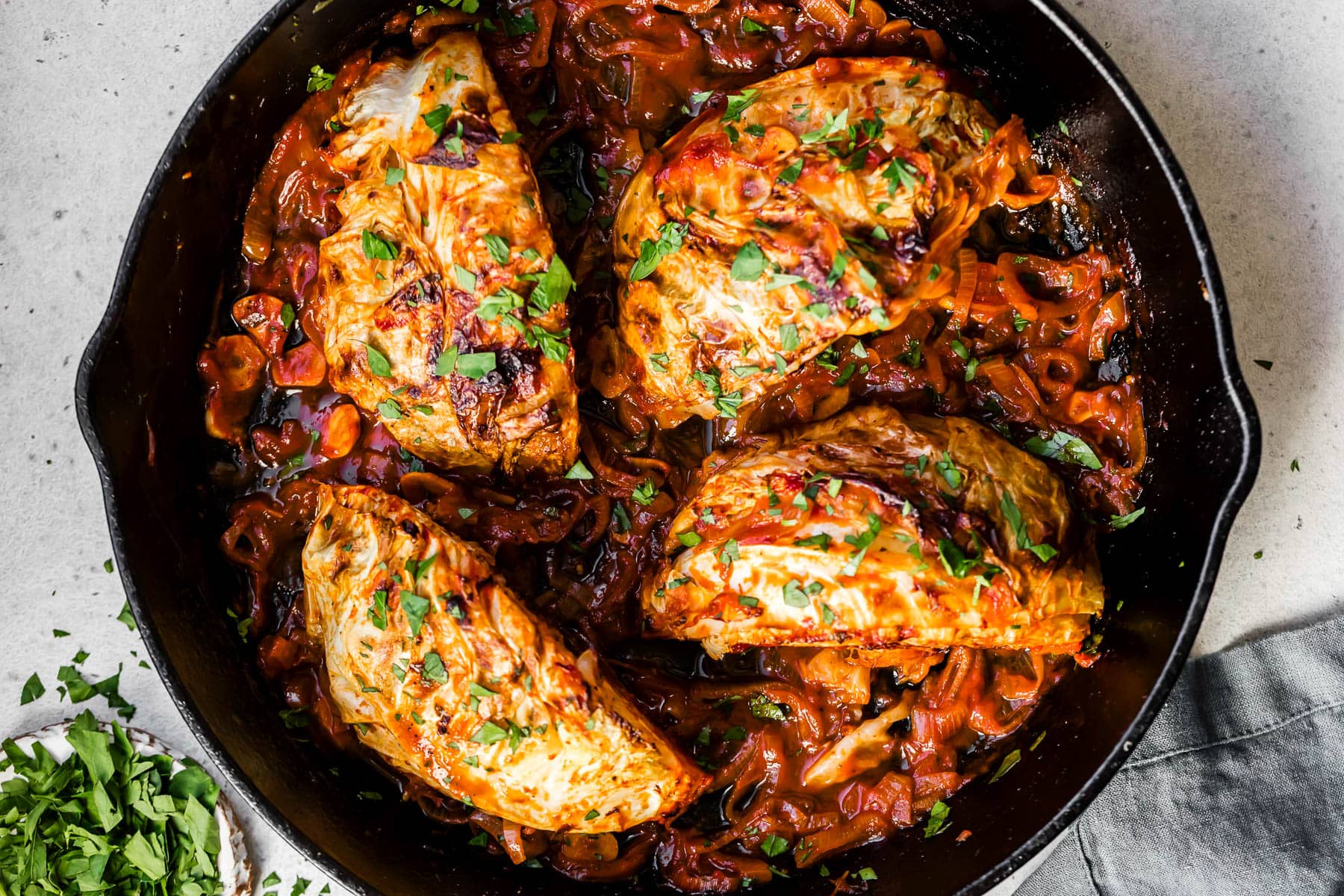
The new melting cabbage preparation seeks to shift that routine by demonstrating how gentle braising converts tough, fibrous brassica leaves into an elegant, tender side dish. By cutting a whole head of cabbage into sturdy wedges, the vegetable maintains its structural shape in the pan while allowing cooking liquids to penetrate deep into its inner layers.
Homolka compares the finished profile to deconstructed stuffed cabbage, as the leaves absorb a seasoned tomato broth, resulting in a dish that feels hearty and comforting while remaining light in overall calorie count. The approach offers home cooks an accessible method for elevating simple farm produce into a restaurant-quality accompaniment.
The Culinary Chemistry of Braised ‘Melting Cabbage’
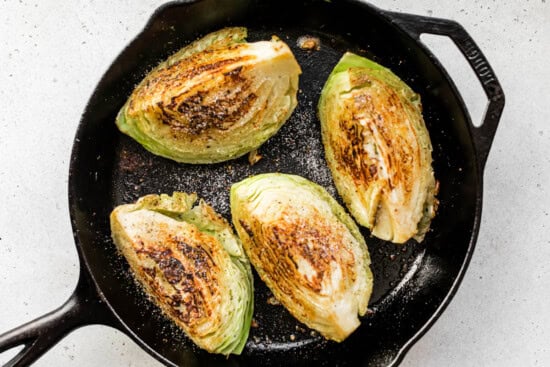
The foundational appeal of the dish lies in its texturing technique, which relies on a two-phase cooking method combining direct dry-heat searing and wet-heat braising. The preparation begins by searing the raw cabbage wedges in butter within a hot skillet before adding any simmering liquids.
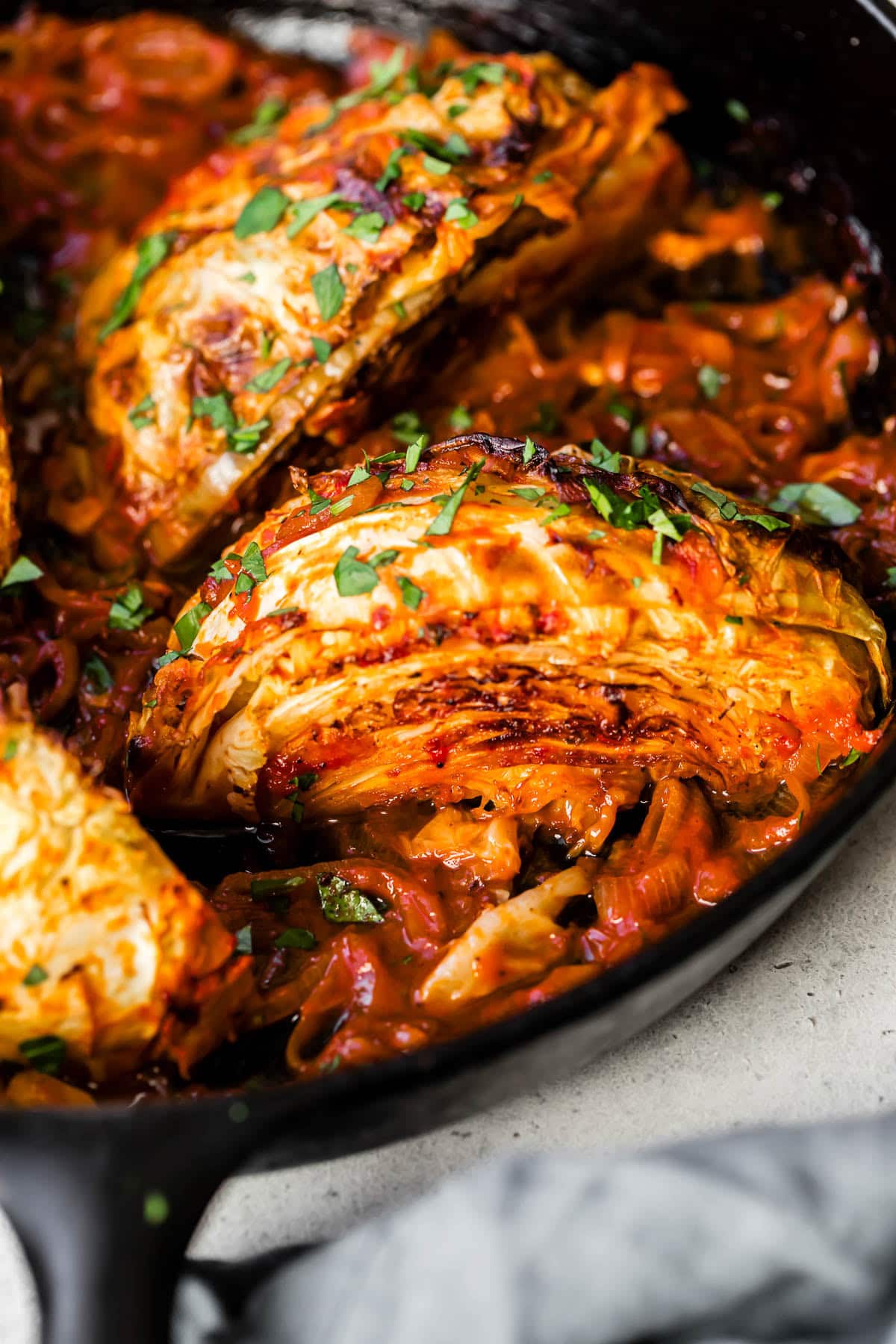
This initial searing step triggers a caramelization process across the outer leaves of each wedge. As the natural sugars within the cabbage react to the high surface temperature of the skillet, the edges brown and develop a deeper, nuttier flavor profile. This caramelization provides an essential savory background that counterbalances the mild, slightly sweet inherent flavor of cooked cabbage.
Once the outer surfaces are browned, the cooking process shifts from frying to braising. As the wedges simmer covered in the seasoned tomato liquid over low heat, the dense connective fibers within the cabbage leaves break down gradually. Over the course of the cook time, the tight layers relax and soften into a silky texture that easily yields to a fork, giving rise to the descriptive title "melting cabbage."
Constructing the Tomato-Wine Braising Base
Because raw cabbage possesses a relatively neutral flavor profile, the recipe places a strong emphasis on building a robust, highly seasoned braising liquid. The liquid acts as both the medium that softens the vegetable and the primary source of seasoning, soaking directly into the spaces between the cabbage leaves.

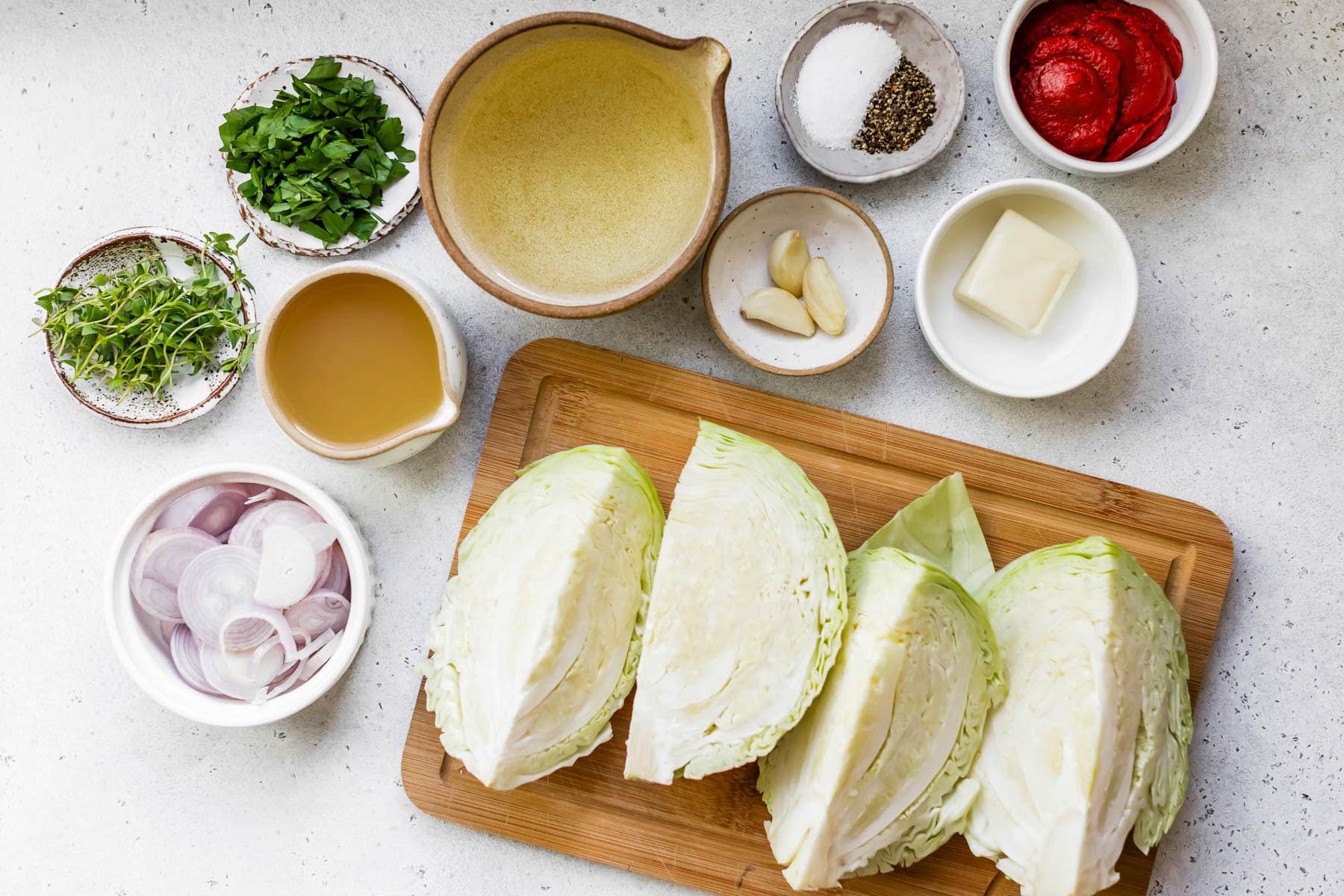
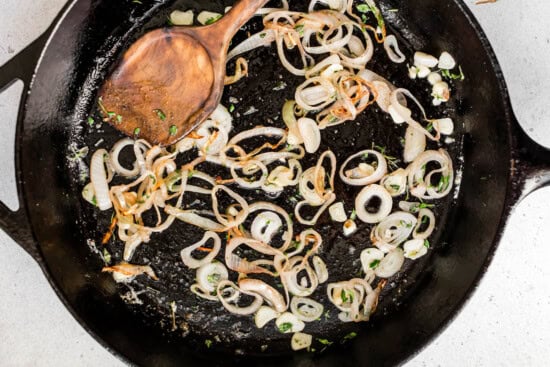
The aromatics begin with finely chopped shallots, which are sautéed in the pan juices immediately after searing the cabbage wedges. The shallots lend a subtle sweetness and mild onion flavor that grounds the sauce. To build body and deep umami notes, the recipe utilizes double-concentrated tomato paste. Double-concentrated paste is processed to remove excess moisture, yielding an intensely rich, sweet tomato character that coats the skillet aromatics smoothly.
To balance the richness of the tomato and butter, white wine is introduced to deglaze the skillet. The acidity of the wine lifts the caramelized browned bits left on the pan surface, integrating them back into the sauce while brightening the overall flavor. The combination of concentrated tomato, aromatic shallots, butter fat, and acid forms a well-rounded braising broth that coats each wedge as it cooks.
Managing Braising Liquids and Moisture Levels
A critical component of successful vegetable braising is monitoring liquid ratios throughout the cooking period. In the recipe notes, Homolka outlines specific guidelines to ensure the cabbage softens completely without scorching or becoming overly waterlogged.

To achieve proper braising conditions, the liquid level in the skillet should submerge approximately the bottom half of the arranged cabbage wedges. This allows the lower portion of the cabbage to cook directly in the simmering sauce, while the upper portion steams gently under the covered pan, absorbing vaporized flavors.
Over the course of the recommended 45-minute cooking duration, liquid within the skillet will naturally evaporate and reduce into a thicker reduction sauce. Homolka cautions cooks to keep a close eye on the pan’s moisture levels as it simmers. If the tomato broth reduces too quickly, causing the bottom of the pan to become dry, dark, or prone to burning before the cabbage cores have rendered completely tender, home cooks are instructed to loosen the sauce by adding a splash of fresh broth or water. Maintaining a liquid bed ensures a consistent simmer and prevents bitterness caused by over-reduced tomato solids.
Nutritional Metrics and Health Considerations
Aligned with the core mission of the Skinnytaste brand, the braised cabbage recipe is designed to offer maximum flavor with a light nutritional footprint. The recipe yields four distinct servings, with each serving calculated as one-fourth of the completed skillet output. Total preparation time requires approximately 10 minutes of active kitchen prep, followed by 45 minutes of stovetop simmering, making for a total commitment of 55 minutes.
According to the provided nutritional breakdown, a single serving of the braised cabbage dish contains approximately 167.5 calories. The low-caloric density makes it a practical option for individuals seeking high-volume side dishes that support weight management or balanced eating routines.
From a macronutrient perspective, each serving provides 22 grams of total carbohydrates, balanced by a notable 7 grams of dietary fiber. Cabbage is naturally rich in soluble and insoluble fiber, which promotes digestive health and contributes to a feeling of fullness. Each serving also contains 5 grams of plant-based protein and 6 grams of total fat, with 3.5 grams coming from saturated fat derived primarily from the cooking butter.
Additional nutritional values per serving include 15.5 milligrams of cholesterol and 643.5 milligrams of sodium. The natural sweetness of the cooked cabbage and concentrated tomato paste accounts for 10.5 grams of total sugar per serving, without requiring heavy added sweeteners.
Serving Pairings and Menu Integration
The rich tomato and wine sauce produced by braising cabbage makes the dish a versatile component for broader meal planning. Because the cooking process yields a built-in pan reduction, the dish functions both as a vegetable side and a sauce element for surrounding starches and lean proteins.
Homolka recommends pairing the melting cabbage with hearty roasted or pan-seared main courses. Excellent protein choices include lemon and rosemary roast chicken, air-fryer bacon-wrapped pork tenderloin, or a lightened turkey meatloaf blended with zucchini. The savory acidity of the tomato-wine reduction cuts through the richness of roasted meats, balancing the overall plate.
For starch pairings, the recipe notes highlight buttermilk mashed potatoes as an ideal pairing. Spooning the tender cabbage wedges and extra tomato reduction directly over a scoop of mashed potatoes allows the potatoes to soak up the seasoned sauce, ensuring no braising liquid goes to waste.
Recipe Flexibility and Seasonal Variations
To accommodate varied dietary preferences, pantry availability, and seasonal ingredients, the recipe features several simple modifications that home cooks can apply without compromising the final dish:
- Cabbage Varieties: While traditional green cabbage is the default choice for its mild flavor and tender texture when cooked, home cooks can easily substitute red cabbage. Red cabbage yields a vibrant dark visual presentation and offers a slightly earthier flavor profile, though it may require a few extra minutes of braising due to its denser leaf structure.
- Aromatic Substitutions: If shallots are unavailable, half of a small yellow or red onion can be finely diced and substituted into the pan base to achieve a similar aromatic foundation.
- Tomato Paste Adjustments: For cooks who do not have double-concentrated tomato paste on hand, standard tomato paste works as a direct substitute. However, because standard paste is slightly less sweet and more acidic than double-concentrated varieties, the recipe recommends adding a small pinch of granulated or brown sugar to match the intended sweetness.
- Non-Alcoholic Liquid Swaps: For those who prefer to cook without wine, the white wine component can be completely omitted. In its place, cooks can increase the volume of vegetable or chicken broth used in the pan and introduce one tablespoon of white wine vinegar or red wine vinegar. The added vinegar restores the sharp acidity needed to balance the deep tomato flavors.
By offering a simple blueprint for converting basic brassica vegetables into a flavorful skillet dish, Skinnytaste’s braised melting cabbage provides home cooks with a practical, low-calorie addition to their cold-weather meal rotations.