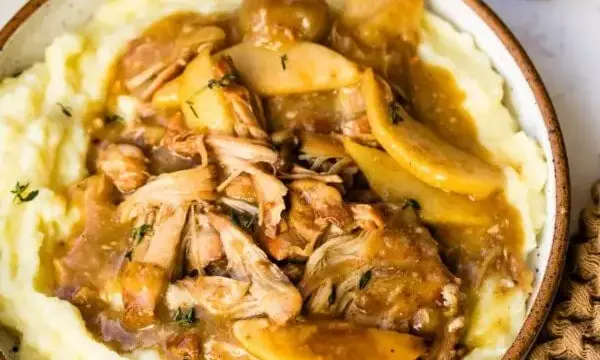

Adapted originally from the Slow Cooker Revolution Cookbook, the technique centers on low-and-slow thermal processing. By allowing lean poultry to cook gradually in a sealed environment, moisture loss is significantly minimized. At the same time, the rendered natural juices form the structural base for a rich, homemade gravy that develops directly within the appliance. The resulting dish provides a low-stress solution for hosts who wish to serve standard holiday fare without managing a massive multi-pound whole turkey or navigating complicated kitchen timing logistics.
Key Culinary Specifications and Nutritional Profile
From a nutritional standpoint, turkey breast prepared in a slow cooker aligns closely with modern dietary preferences emphasizing lean protein consumption without unnecessary added fats. The primary recipe specification accounts for a yield of 10 distinct servings, with a standard individual serving size defined as four ounces of cooked turkey breast paired with one-quarter cup of finished gravy.
According to the official dietary analysis provided, a single standard portion yields approximately 167 kilocalories. Protein content forms the foundation of the macro profile, delivering 25 grams of protein per serving. This high protein density makes the dish a notable candidate for lean meal planning and fits into low-fat eating regimens.
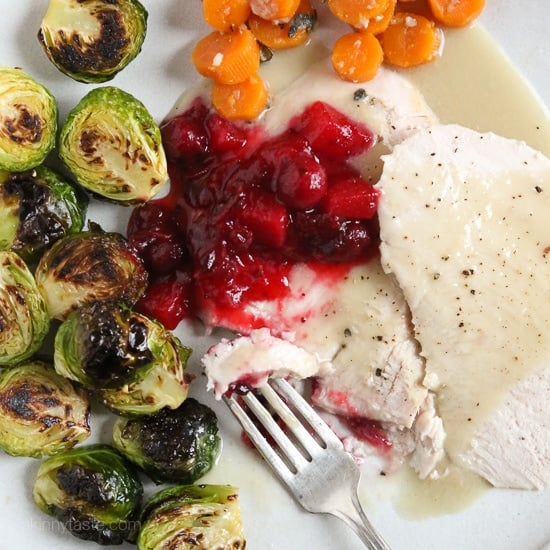
The total fat content remains modest at 5 grams per serving, of which only 1 gram consists of saturated fat. The recipe yields a cholesterol count of 55 milligrams per portion. Carbohydrates measure at 8 grams per serving, supported by 1 gram of dietary fiber and a low sugar count of 0.3 grams. The sodium content sits at 743 milligrams per serving, primarily derived from the seasoning bases and rich pan juices that construct the accompanying gravy.
| Nutritional Metric | Amount per Serving (4 oz breast, 1/4 cup gravy) |
|---|---|
| Calories | 167 kcal |
| Protein | 25 g |
| Total Fat | 5 g |
| Saturated Fat | 1 g |
| Cholesterol | 55 mg |
| Sodium | 743 mg |
| Total Carbohydrates | 8 g |
| Dietary Fiber | 1 g |
| Total Sugars | 0.3 g |
Because of its lean profile and high nutritional density, this approach appeals to health-conscious diners who do not want to sacrifice classic flavor profiles during festive meals.
Cooking Dynamics, Safety Benchmarks, and Timing Guidelines
Executing a turkey breast in a slow cooker requires minimal active labor, requiring approximately 10 minutes of hands-on preparation time. The total elapsed processing time generally spans 6 hours, though active thermal windowing depends on the specific hardware parameters of the appliance and the precise physical dimensions of the poultry cut.
When preparing a standard 5-pound bone-in turkey breast, the recommended operational setting on the slow cooker is set to LOW. Cooking under this gentle heat profile typically requires between 5 and 7 hours to achieve optimal tenderness. Hardware variations mean that heating rates can vary between slow cooker models, making internal temperature monitoring essential rather than relying solely on visual inspection or fixed timers.

Food safety protocols dictate that poultry must reach a baseline internal temperature of 165°F at its thickest point. Home cooks are advised to insert a calibrated digital meat thermometer deep into the meat, ensuring the probe does not make direct contact with the internal bone structure, which can yield false high readings. Once the 165°F threshold is confirmed, the turkey breast must be removed from the active heat source and granted a imperative 20-minute resting period prior to slicing. This resting window allows muscle fibers to relax and retain internal moisture, preventing juices from rapidly draining onto the cutting board.
Gravy Development and Culinary Inspiration
One of the distinct structural advantages of using a slow cooker for poultry preparation lies in the simultaneous creation of a concentrated cooking broth. As the turkey breast gently warms, natural drippings, fat, and seasonings blend in the bottom of the crock insert. This fluid accumulates rich flavor over the 5 to 7 hour cycle, creating an ideal foundation for homemade gravy without needing separate stock reductions.
This recipe framework draws inspiration from the Slow Cooker Revolution Cookbook, a foundation valued for its focus on kitchen reliability and foolproof temperature adjustments. The framework encourages customization, allowing home cooks to adjust dry seasonings, aromatic herbs, and savory additions to match personal flavor preferences. By utilizing the appliance’s built-in condensation trap, the drippings maintain an ideal balance of moisture and flavor intensity, ready to be thickened into a velvet gravy just before serving.
Side Dish Synergies for Complete Holiday Menus
Because slow cooker turkey breast occupies no oven space, hosts gain complete operational freedom over their primary kitchen range. This setup simplifies multi-dish timing during busy holiday preparations, allowing side dishes that require active baking, roasting, or broiling to occupy the oven without conflict.

To build a traditional holiday spread, the gravy produced in the slow cooker pairs naturally with classic starch dishes. Buttermilk Mashed Potatoes offer a creamy base specifically suited to capture the rich pan gravy. Traditional stuffing recipes, such as Mom’s Stuffing, alongside fruit-derived condiments like Cranberry Pear Sauce, deliver balanced sweet and savory counterpoints that complete the holiday dinner plate.
For vegetable accompaniments, high-temperature roasting techniques can be utilized simultaneously in the liberated oven. Recommendations for complementary vegetable sides include:
- Roasted Green Beans with Caramelized Onions: Provides a crisp texture and savory sweetness that balances the rich meat.
- Spinach Gratin: Delivers a creamy, rich side option for formal holiday dinners.
- Roasted Baby Potatoes: Serves as an alternative starch option with crispy skin and tender interiors.
By keeping the central protein contained within the slow cooker, managing multiple hot side dishes becomes significantly less complex.
Proper Storage and Leftover Utilization
Beyond the initial holiday meal, slow cooker turkey breast offers substantial utility for ongoing meal prep throughout the week. Because the low-temperature cooking method retains moisture, the meat stays tender when cold, making it easy to store and repurpose without becoming dry.

After carving, any remaining turkey should be allowed to cool before being sealed in airtight containers. When kept refrigerated, cooked turkey breast maintains optimal quality for several days. The accompanying gravy should be stored separately in sealed glassware to preserve its texture and allow for easy reheating.
Leftover turkey breast serves as a versatile ingredient for lunch and quick weeknight meals. Popular applications include slicing the meat cold for classic turkey sandwiches paired with whole-grain bread and leftover cranberry sauce, or chopping the protein to serve atop mixed green dinner salads for a quick, high-protein meal.
Exploring Alternative Turkey Preparation Methods
While slow cooking offers an accessible, hands-off approach for smaller gatherings, home cooks often explore distinct culinary methods depending on time constraints, textural preferences, and kitchen equipment.
For those prioritizing crisp skin and accelerated cooking times, an Air Fryer Turkey Breast provides a compelling alternative. Air frying relies on high-velocity hot air circulation to produce deeply browned, crispy outer skin in a fraction of the time required by traditional methods, making it ideal for fast weeknight meals.

Conversely, for traditionalists seeking classic roasted flavors with deep savory seasoning, a Dry Brine Turkey remains a preferred option. This technique involves rubbing the poultry with salt and seasonings days in advance, allowing the salt to penetrate the muscle tissue deeply. While dry brining demands more advance planning and traditional oven capacity, it delivers exceptional skin texture and seasoned meat throughout.
Ultimately, the choice between slow cooking, air frying, or dry brining comes down to practical kitchen management. For home cooks looking to minimize effort, free up oven space, and produce tender meat paired with built-in gravy, the slow cooker turkey breast remains an exceptionally reliable culinary strategy.