The new program comes as interest in protein-dense nutrition continues to surge among health-conscious consumers. By offering a curated blueprint complete with detailed macronutrient profiles, calorie counts, and Weight Watchers (WW) point values, the meal plan aims to simplify daily nutritional tracking while keeping food engaging and flavorful.
The Shift Toward High-Protein Nutrition and Muscle Maintenance
The development of the high-protein meal plan reflects a personal and strategic shift toward prioritizing muscle maintenance and metabolic health. Elevating daily protein intake has increasingly been recognized as an effective strategy for supporting lean muscle growth, boosting energy levels, and maintaining prolonged satiety throughout the day.
A central benefit of increasing protein consumption is its ability to curb appetite and minimize cravings. High-protein meals help prevent blood sugar fluctuations that often lead to between-meal snacking or late-night cravings for sweet and savory items. To achieve consistent results without feeling overly full at a single sitting, the plan emphasizes distributing protein evenly across all daily meals.
Under this nutritional framework, individuals aiming for a target of 120 grams of protein daily are encouraged to consume roughly 30 grams per main meal, supplemented by 10 to 30 grams through strategic mid-day or evening snacks. This balanced approach ensures a steady supply of amino acids throughout the day. To further assist home cooks who struggle to hit elevated macro targets, additional high-protein meal plans will be released monthly, alongside an upcoming specialized high-protein cookbook.
Navigating the Plan: Flexibility, Daily Targets, and WW Integration
Designed as a flexible guide rather than a rigid regime, the weekly structure allows ample room for individual customization. Users are encouraged to adjust portion sizes or supplement meals with additional fruits, beverages, coffee, snacks, or desserts depending on their specific energy expenditure and health goals.

While baseline caloric intake across the plan averages around 1,500 calories per day—a standard baseline recommendation for many women—nutritional requirements vary widely based on age, weight, physical activity level, and metabolic factors. Home cooks are advised to consult with registered dietitians or utilize standard tools like the USDA MyPlate calculator to adjust calorie targets to their personal needs.
To streamline meal preparation, the plan formats Monday through Friday breakfasts and lunches for individual servings, making them ideal for single-prep office lunches or quick morning routines. Dinners during the week and all weekend meals are designed to feed a family of four, frequently generating intentional leftovers for quick meal assembly the following day.
The plan also integrates recent updates from the Weight Watchers program. WW recently expanded its zero-point food list to include staples such as oatmeal. In response, Skinnytaste has updated its extensive digital recipe database for all posts published between 2018 and 2025. Furthermore, digital recipes across the site link directly to the mobile WW Recipe Builder, allowing users to automatically sync custom point values to their personal mobile accounts.
Essential Health Considerations and Medical Caveats
While high-protein diets offer broad metabolic and strength benefits for many individuals, health experts emphasize that elevated protein intake is not universally suitable for everyone.
Individuals with pre-existing medical conditions—particularly chronic kidney disease, liver disease, gout, or specific metabolic disorders—must exercise caution when increasing their daily protein intake. Older adults experiencing age-related reductions in renal function are similarly advised to monitor their intake closely.
Consuming excess protein under compromised kidney or liver function can place unnecessary stress on filtration systems and exacerbate underlying health issues. The publication stresses the importance of seeking medical clearance or personalized dietary advice from a qualified healthcare professional before undertaking significant changes in macronutrient distribution.
Community Support and Practical Planning Tools
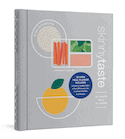
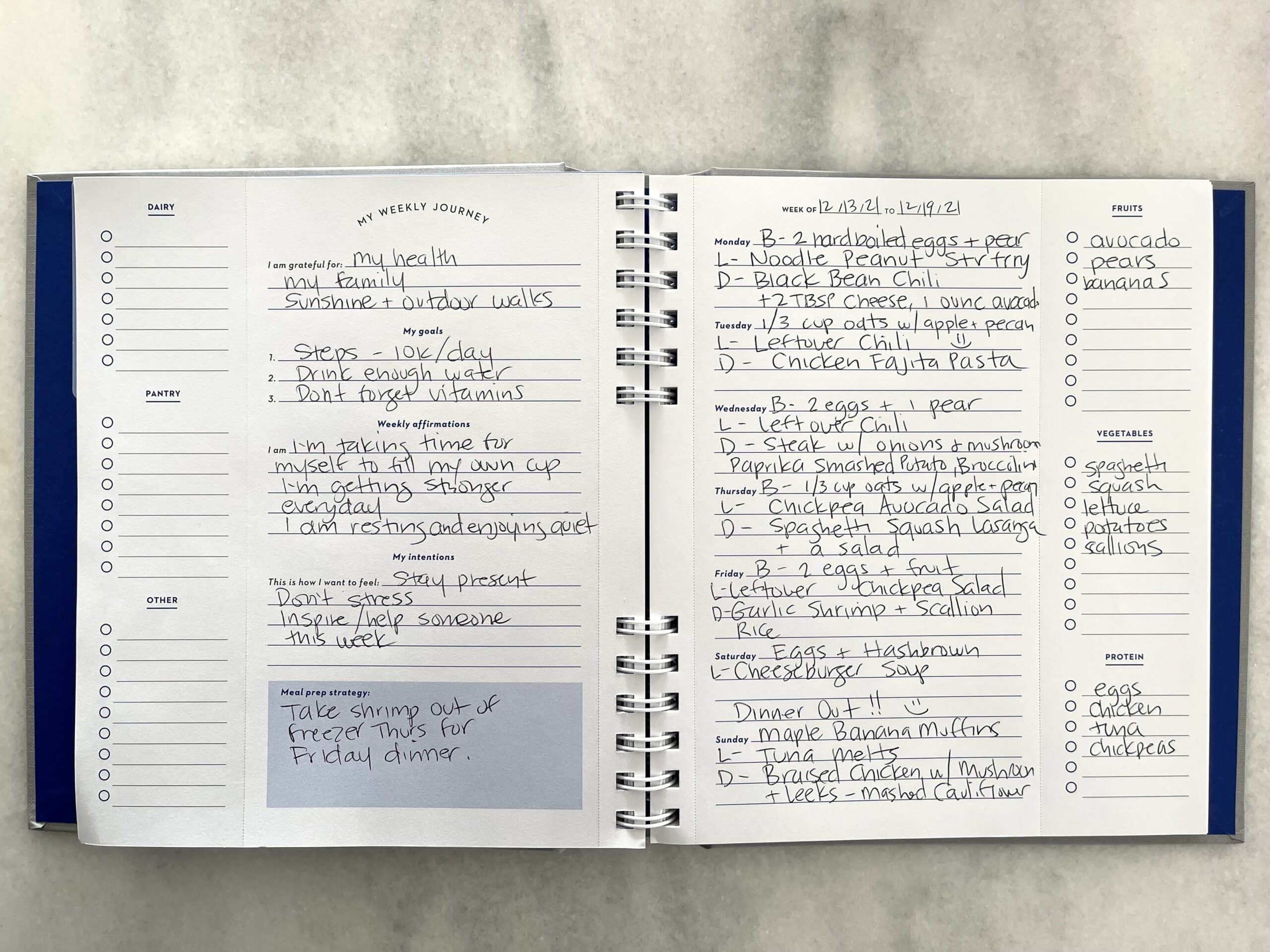
To help users execute meal plans efficiently, the brand offers dedicated physical and digital planning resources. The Skinnytaste Ultimate Meal Planner provides a 52-week spiral-bound tracking system. The publication features tear-out weekly planning grids suitable for display, tear-out grocery shopping lists, a curated 12-week meal guide, and 30 distinct recipes, half of which are exclusive to the planner. It also includes dedicated sections for morning gratitude, positive affirmations, and weekly intention setting to foster mental well-being alongside physical health.
In tandem with physical planners, digital community channels provide peer support and real-time recipe modifications. Through the Skinnytaste Facebook Community, participants share step-by-step photos, ingredient swaps, and batch-cooking tips. An automated email newsletter service also delivers newly formulated weekly meal guides directly to subscribers’ inboxes.
A Week of High-Protein Autumn Recipes
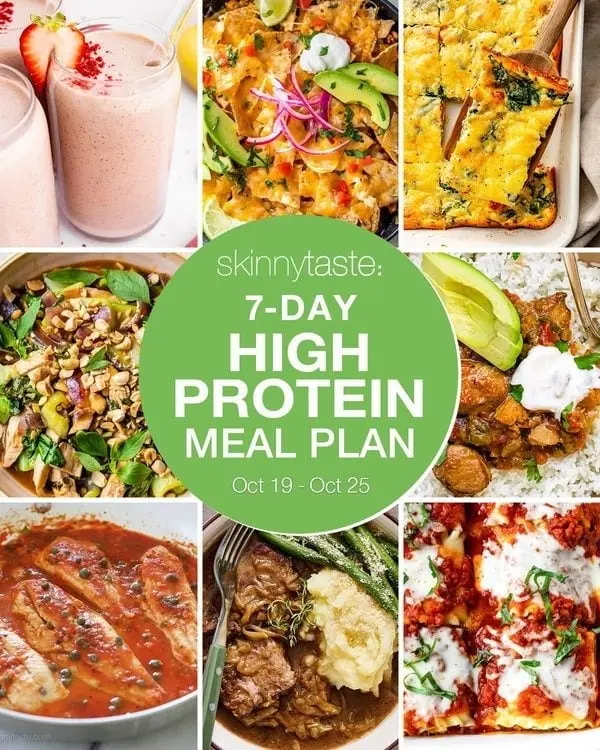
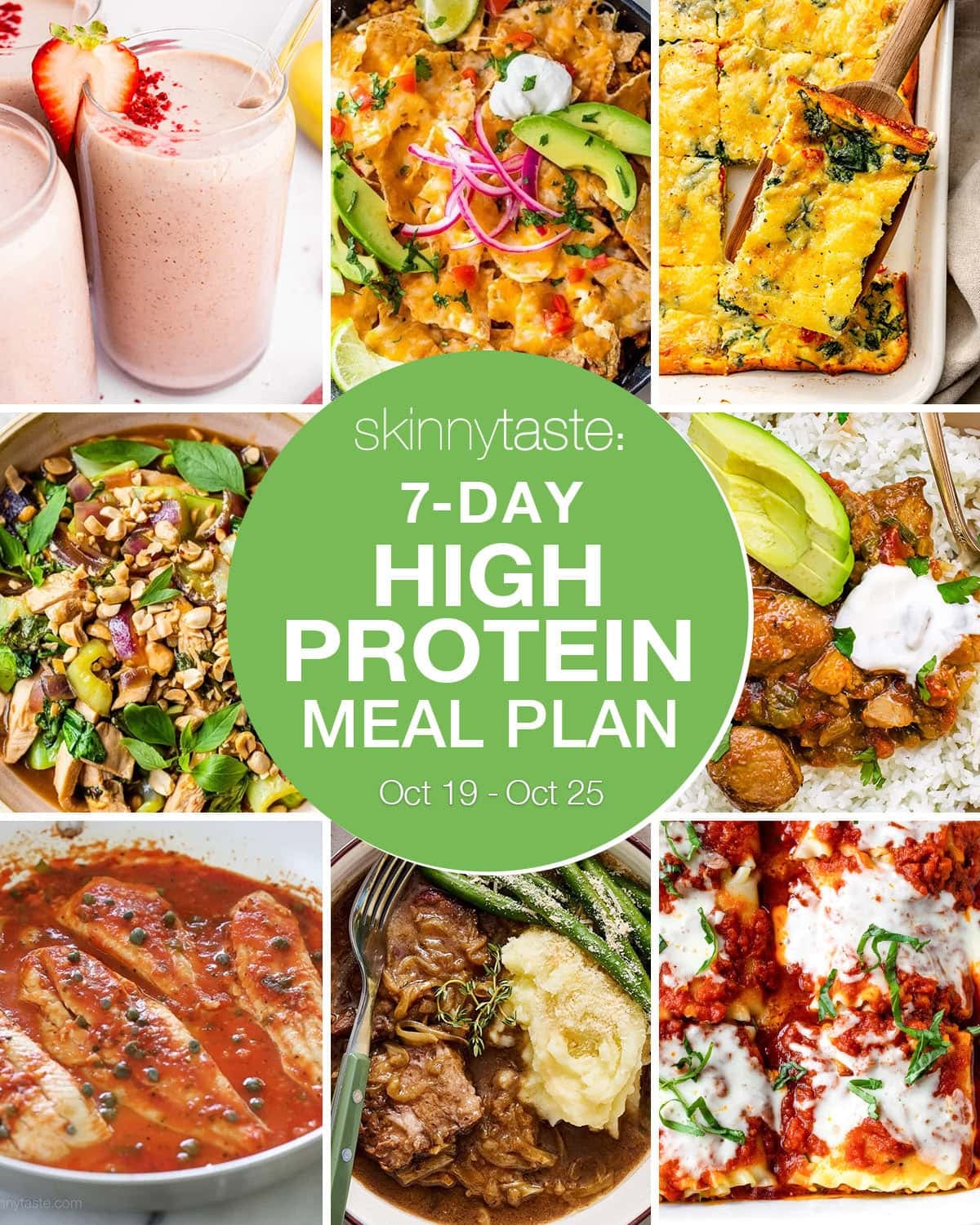
The week-long menu showcases a variety of seasonal produce, lean meats, seafood, and nutrient-dense dairy products. Below is the detailed daily outline along with target caloric and protein metrics:
- Monday: Breakfast opens with a Strawberry Banana Smoothie enriched with a quarter-cup of nonfat plain Greek yogurt. Lunch features prepped Honey Sriracha Chicken and Broccoli Meal Prep Bowls. Dinner consists of Lasagna Roll Ups made with cottage cheese served alongside a fresh Arugula Salad. Daily totals stand at 1,431 calories and 125 grams of protein.
- Tuesday: Breakfast and lunch repeat Monday’s smoothie and Honey Sriracha Chicken meal prep bowl. Dinner transitions to a Ground Turkey Taco Skillet served with a half-portion of fresh homemade guacamole. Daily totals reach 1,469 calories and 127 grams of protein.
- Wednesday: Morning dining features a High Protein Omelet paired with a fresh pear, followed by a Honey Sriracha Chicken bowl for lunch. Dinner presents a Garlic-Ginger Chicken Stir-Fry served over nutrient-dense cauliflower rice. Daily totals equal 1,338 calories and 124 grams of protein.
- Thursday: The morning repeats the High Protein Omelet and pear, with the final Honey Sriracha Chicken bowl consumed at lunch. Dinner delivers a slow-cooked French Onion Pot Roast accompanied by garlic mashed potatoes and a massaged raw kale salad. Daily totals stand at 1,395 calories and 129 grams of protein.
- Friday: Breakfast features a Savory Cottage Cheese Bowl, followed by leftover French Onion Pot Roast and garlic mashed potatoes for lunch. Dinner highlights pan-seared Fish Fillets cooked with tomatoes, white wine, and capers, paired with broccoli and orzo. Daily totals reach 1,181 calories and 123 grams of protein.
- Saturday: Weekend eating begins with a sixth of a batch of Breakfast Casserole loaded with sausage and spinach, served with a cup of fresh grapes. Lunch consists of a classic Turkey Club sandwich paired with an apple. The schedule leaves dinner open for dining out. Daily totals sit at 856 calories and 123 grams of protein.
- Sunday: Morning meals utilize the remaining portion of the Breakfast Casserole with spinach, sausage, and grapes. Lunch offers a quick Chicken Quesadilla. The week concludes with a slow-cooked Green Chili Pork Stew served over brown rice and topped with fresh avocado. Daily totals reach 1,371 calories and 128 grams of protein.