However, a groundbreaking global study led by researchers at the University of Sydney offers a profoundly hopeful shift in perspective. By examining a diverse cross-section of global conservation success stories—ranging from vibrant marine ecosystems in the South Pacific to endangered chimpanzee habitats in West Africa, grizzly bear populations in Canada, and albatross colonies off the coast of Tasmania—scientists have determined that financial investments alone do not dictate whether nature flourishes or founders. Instead, the ultimate deciding factor for environmental resilience comes down to the daily actions, local knowledge, and central leadership of the people living closest to the land and water.
Published in the journal Nature Ecology & Evolution, the comprehensive study sought to understand why certain endangered species, vulnerable habitats, and localized ecosystems are unexpectedly thriving while others continue to experience severe degradation. By synthesizing research from more than 70 distinct studies examining environmental and sustainability "bright spots"—places where social-ecological systems perform significantly better than expected despite hostile circumstances—the research team successfully established a unified framework to decode and potentially replicate these rare environmental victories.
Decoding the Shared Threads of Global Environmental Success
Dr. Bing Lin, the lead author of the study from the University of Sydney’s Thriving Oceans Research Hub, explained that the research team purposely shifted their focus away from systemic environmental decline. By analyzing unexpected global success stories, Dr. Lin and his colleagues uncovered three common denominators that transcended geographical borders, cultural differences, and the specific ecological challenges faced by each region.
"Our study examined different species on different continents that are all facing unique conservation challenges," Dr. Lin noted. "Yet each succeeded against the odds for remarkably similar reasons: local knowledge was valued alongside science, communities played a central role in decision-making, and management adapted to local social and environmental conditions."
While prior conservation efforts have often attempted to impose uniform, top-down governance structures from afar, this new review highlights that lasting environmental protection is inherently relational and localized. The study represents a significant milestone in ecological research, marking the first time scientists have successfully synthesized seemingly unrelated conservation bright spots into a single analytical framework. This framework not only reveals the baseline conditions that allow human communities and natural ecosystems to thrive simultaneously against formidable pressures, but it also provides a practical methodology for researchers and policymakers to identify and learn from unexpected success stories worldwide.
"Conservation is often framed as a story of loss and decline, but there are places where ecosystems and the people who depend on them are thriving despite enormous pressures," Dr. Lin said. "By bringing together research from around the world, we’ve shown these aren’t simply lucky exceptions. They often share common characteristics that can serve as windows into real-world resilience and help guide conservation elsewhere."
Although every bright spot possesses its own distinct local characteristics, the research revealed a recurring theme: communities that demonstrate a high capacity to implement grassroots conservation practices frequently do so in the face of immense challenges, including the tempting short-term allure of more immediate, exploitative economic gains.
Customary Traditions and Marine Resilience in Papua New Guinea
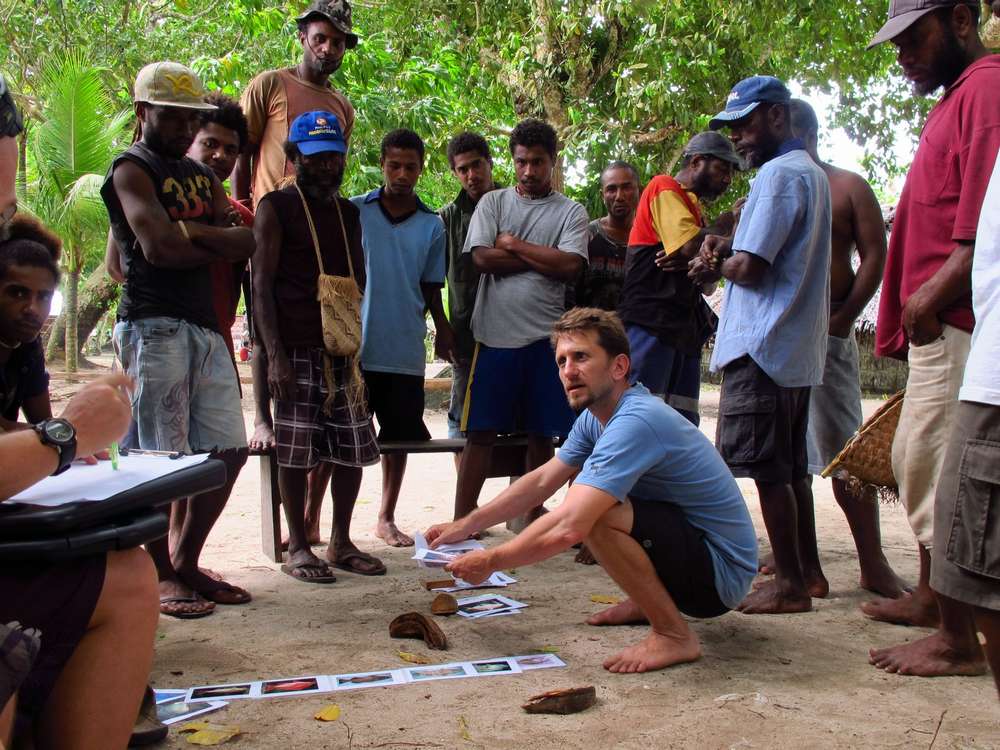
To understand how these principles operate on the ground, one need only look to the coastal communities of Papua New Guinea, home to some of the richest and most resilient coral reef networks on earth. Co-author Professor Josh Cinner, Director of the Thriving Oceans Research Hub, has spent more than 25 years working alongside these coastal populations, documenting how traditional ecological knowledge translates into long-term marine protection.
"I’ve always known the place was special, but I was blown away when, out of a rigorous quantitative analysis of nearly 1,700 coral reefs around the world, this site came up as one of our global bright spots," Professor Cinner said, reflecting on the findings of his original landmark bright spots study published in Nature in 2016.
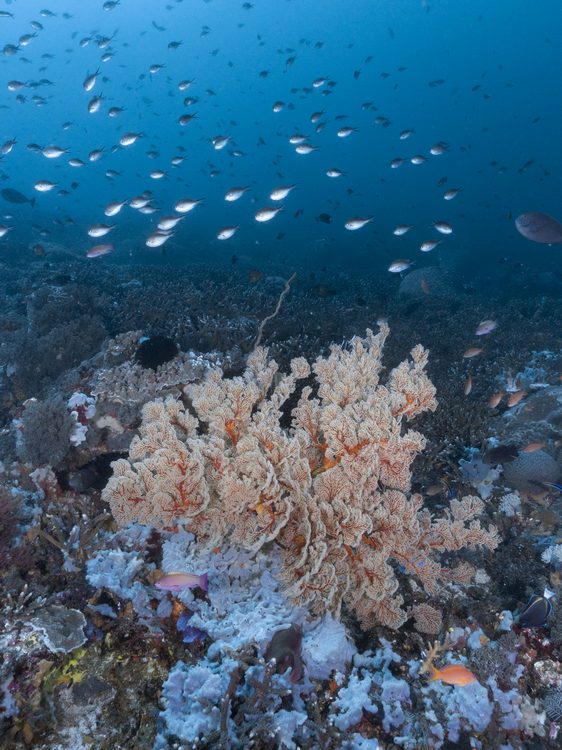
The secret to the remarkable endurance of these coral reefs lies in an ancient, customary practice utilized by local villages. Communities periodically close specific sections of their marine territory to fishing, effectively establishing a rotating system of temporary closures. This practice functions much like fallow agriculture on land, providing marine ecosystems with essential periods of recovery, biological replenishment, and structural growth before harvesting is permitted to resume.
Subsequent research conducted by Professor Cinner demonstrated that this traditional marine management practice has endured precisely because it is deeply woven into the fabric of daily community life. Strong intergenerational relationships between village elders and younger members, a shared sense of collective responsibility for marine stewardship, and cultural traditions that actively reward community participation have all combined to sustain abundant marine life in a region where reefs are otherwise heavily stressed by global climate pressures.
"At a time when the headline story about coral reefs is that they are in trouble, this bright spot provides an alternative narrative as a story of hope and connection," Professor Cinner said. "The environmental success these communities have achieved comes from extensive local experience and genuine local ownership of decision-making, management and enforcement."
Parallels Across Continents: From Chimpanzees to Albatrosses
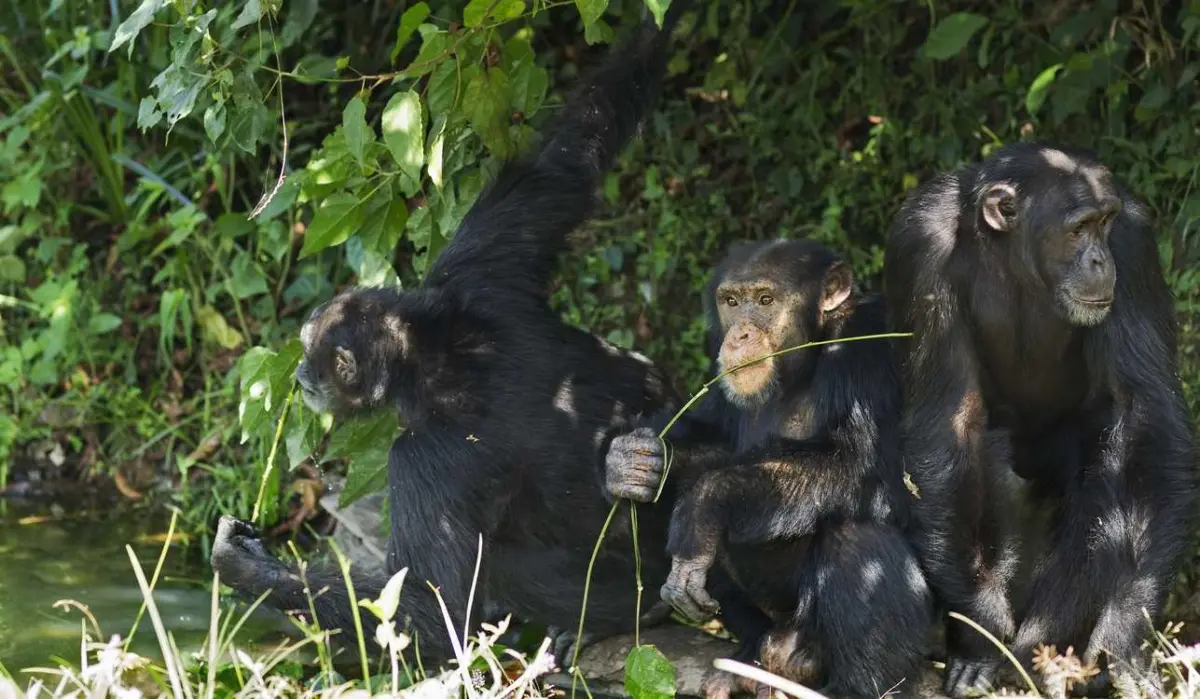
Remarkably, this same foundational pattern of community-driven resilience emerged across vastly different ecosystems and continents. In West Africa, researchers investigating the status of critically endangered Western chimpanzees discovered that while regional populations were suffering widespread decline due to habitat loss and poaching, certain isolated populations were defying the odds. Alongside chimpanzees inhabiting strictly protected and inaccessible terrain, the strongest and most stable populations were consistently found in areas where local communities maintained cultural traditions and deeply rooted social norms that actively discouraged hunting and fostered coexistence with wildlife.
Further south, the conservation of Tasmania’s vulnerable shy albatross demonstrated how close, collaborative partnerships between academic scientists, wildlife managers, and regional policymakers can successfully engineer similar environmental bright spots. Through cooperative decision-making processes, stakeholders implemented innovative conservation interventions designed to protect albatross chicks from destructive parasites, significantly expanded existing species protection programs, and established an enduring framework for testing and adapting future population management strategies.
On the opposite side of the Pacific, in Canada’s expansive Great Bear Rainforest, First Nations communities have similarly spearheaded successful grizzly bear conservation efforts. By placing indigenous stewardship, traditional ecological knowledge, and self-governance at the very heart of regional environmental policy, these communities have demonstrated that protecting apex predators and complex forest ecosystems is most effective when managed by the people who have inhabited the landscape for millennia.
A New Framework for Global Conservation
Reflecting on the broader implications of the multi-continent study, Dr. Lin emphasized that these successful outcomes are not isolated anomalies or strokes of random good fortune.
"Our framework shows that bright spots arise through a positive interplay of process, people, and place," Dr. Lin said. "What we hope our study provides is a way for scientists to identify different types of conditions that support conservation success. By developing a ‘common language’ across disparate global ecosystems, we hope that these bright spots can be compared consistently for improved outcomes globally."
For conservationists working in a field frequently dominated by pessimistic ecological forecasts, the findings deliver a much-needed injection of empirical optimism. By highlighting the proven power of local knowledge, inclusive decision-making, and adaptive management, the study provides a tangible roadmap for protecting vulnerable species and ecosystems while honoring the autonomy and expertise of local populations worldwide.
"Our review shows that local conservation bright spots are not isolated miracles," Professor Cinner concluded. "They follow patterns that we can recognize, learn from and apply elsewhere. That gives us real reasons for optimism as we work to protect both people and nature."