
For years, Adeney had been familiar with the Amazon Vine program, recognizing the platform’s designated reviewers, frequently labeled as "Vine Voices." The premise of the program is straightforward: participants are granted the ability to order a wide variety of merchandise from Amazon completely free of charge, provided they fulfill the requirement to review at least 80 percent of the items they select. Recognizing the arrangement as a potentially fun way to acquire items he might otherwise have purchased, and figuring that he was already writing product reviews voluntarily, he decided the opportunity was worth exploring. Without giving it much further consideration, he accepted the terms and conditions and plunged headfirst into the program.
What followed was a surprising nine-month experiment that tested the limits of his legendary frugality, altering his daily routines and providing a stark lesson in modern behavioral science. While the endeavor did yield some undeniable financial upside—saving him thousands of dollars on tools and construction materials for his business and the MMM-HQ coworking space—it also exposed how easily sophisticated digital incentives can bypass deeply ingrained personal habits.

The experiment was originally intended to serve a dual purpose: saving money on genuine necessities while gathering material for a blog post. Yet, as Adeney quickly discovered, the combination of subtle interface nudges and unpredictable rewards proved remarkably potent at hijacking human psychological mechanisms. Reflecting on the experience, he noted that the architecture of the Vine program shares striking similarities with online casinos and social media feeds, tapping directly into vulnerabilities embedded in human evolutionary programming.
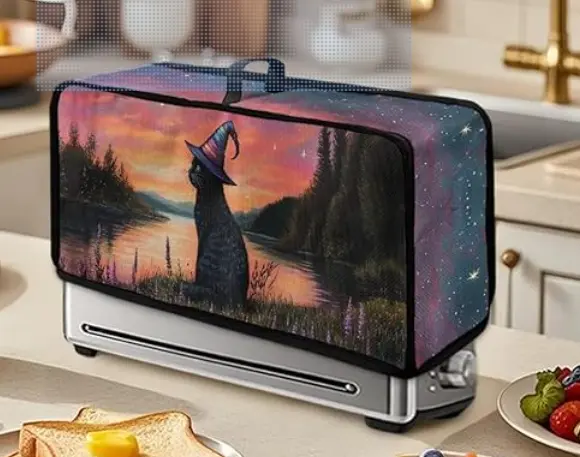
Drawing on concepts from Michael Easter’s book Scarcity Brain, Adeney realized he had fallen victim to the same cognitive traps that modern platforms use to capture attention. Every time he logged into the exclusive, reviewer-only Vine portal, the inventory shifted unpredictably. A search for practical household items like porcelain plates or kitchen toasters might yield pages of pink plastic party accessories or bizarre anomalies like a toaster cover featuring a cat wearing a witch hat.

Yet, interspersed among the countless trinkets were genuinely useful items: high-grade light fixtures, specialized tools, plumbing supplies, an electric vehicle charger, and apparel like the eccentric eagle shirt featured in a Mustachianism music video. The portal also supplied realistic artificial plants that proved remarkably useful for hard-to-water courtyard areas at the MMM headquarters. To share in the bounty, Adeney even involved friends and coworkers at the facility, allowing them to select and review items they desired, creating what initially felt like a mutually beneficial arrangement filled with shared laughter over the platform’s more eccentric offerings.
However, as the spring and summer progressed, and the system coaxed him into completing 80 reviews to upgrade his account from the Vine Silver tier to Vine Gold, the psychological toll became apparent. Adeney found himself checking the Vine platform daily out of pure habit, even when he had no functional need for new possessions. Most visits resulted in nothing, but occasionally a desired item would appear, triggering an impulsive order before the inventory vanished. This cycle mirrored the unpredictable rewards that drive compulsive behavior in digital gaming environments.

The physical reality of the experiment soon became difficult to ignore. Packages arrived with alarming frequency, causing his recycling bins to overflow with cardboard boxes. Frivolous purchases drew amusement and gentle scrutiny from his family members, leading Adeney to discreetly tuck away deliveries when others were around. The routine of unboxing items, photographing them with assembly-line speed, and batch-writing weekly reviews began consuming time he would have preferred to spend elsewhere. Furthermore, acquiring questionable items directly contradicted the environmental and minimalist principles that formed the core of his lifestyle philosophy.
The tipping point toward recovery came not just from self-awareness, but from the inherent frustrations built into the Vine platform itself. Despite reaching the Vine Gold tier—which ultimately offered little distinction, as 99 percent of the available items remained identical to those in the Silver tier—the administrative friction of the program grated against his patience. The search functionality lacked basic sorting and filtering tools, a design choice seemingly intended to force reviewers to scroll through endless screens of merchandise regardless of the value of their time. Additionally, bureaucratic artificial intelligence systems occasionally flagged entirely factual, tame reviews for failing community standards without explanation, requiring arbitrary edits to punctuation or phrasing to secure approval.

These hurdles served as a reminder that platform reviewers function less like valued participants and more like low-wage laborers navigating rigid corporate structures. The experience drew parallels to an Uber driving experiment Adeney conducted in 2017, where he immediately spotted operational improvements that could benefit both drivers and passengers, only to realize that as a worker without administrative control, his input carried no weight. Experiences like these reinforced his appreciation for autonomy and the value of financial independence, reminding him why he prefers being in control of his own time.
Beyond the expenditure of time and energy, the program carried distinct financial implications. Amazon tracks the retail value of all items received through the program and issues a Form 1099 at the end of the year, meaning the goods are not strictly free, but rather subject to income tax based on the recipient’s marginal tax rate, which sat at approximately 25 percent for Adeney. Reviewing his account statistics, he discovered he had accumulated roughly $7,000 worth of goods, translating to a potential tax liability of about $1,750.

Fortunately, roughly 75 percent of the acquired materials were directed into his business for commercial use, converting tax burdens into legitimate operational expenses or useful home improvements. However, the total also included approximately $1,000 worth of impulse purchases that served no practical purpose. Thanks to advice from knowledgeable readers in the comments section of his blog, Adeney later learned that reviewers can often reduce the estimated value of items by up to 80 percent before reporting them on taxes, given that opening and reviewing a product effectively eliminates its retail resale value. This adjustment significantly lowered his projected tax liability.
To break the cycle of daily browsing, Adeney deployed a behavioral technique known as a "Keystone Habit" trick. Instead of relying on willpower alone, he remapped his browser bookmark for the Vine page to redirect to his daily routine checklist, a tracking system he calls his "Badassity Tracker." Whenever the impulse arose to check the platform for new inventory, clicking the bookmark prompted him to step away from the computer and engage in physical exercise or outdoor activities instead.

Reflecting on the nine-month experiment, Adeney noted that the underlying psychological pull of the Vine program resembles the phenomenon driving individuals into "One More Year Syndrome," where people continue working long past the point of financial security simply out of momentum or habit. Ultimately, the journey served as a broader commentary on consumer behavior, self-reflection, and the importance of continuously questioning personal habits. While absolute perfection is unattainable, making small, intentional course corrections can significantly alter an individual’s trajectory over time.