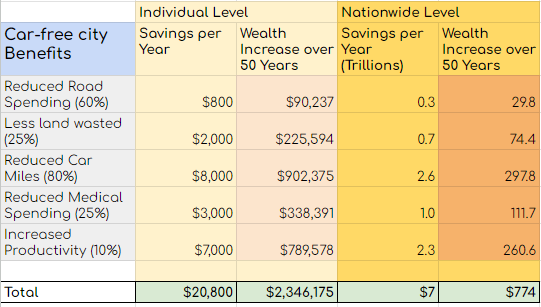
While lifestyle coaching typically focuses on personal finance, fitness, and individual psychology, Adeney suggests that urban planning serves as a convergence point where all these elements meet with immense synergy. According to his analysis, redesigning urban environments to prioritize pedestrians, cyclists, and transit over personal vehicles could yield conservative economic benefits of over $20,000 per person annually. Over an adult lifetime, these savings compound into more than two million dollars per individual, translating to a nationwide wealth boost for the United States of approximately seven trillion dollars per year. Over a fifty-year horizon, that amounts to roughly 770 trillion dollars—surpassing the current total wealth of the entire global population.
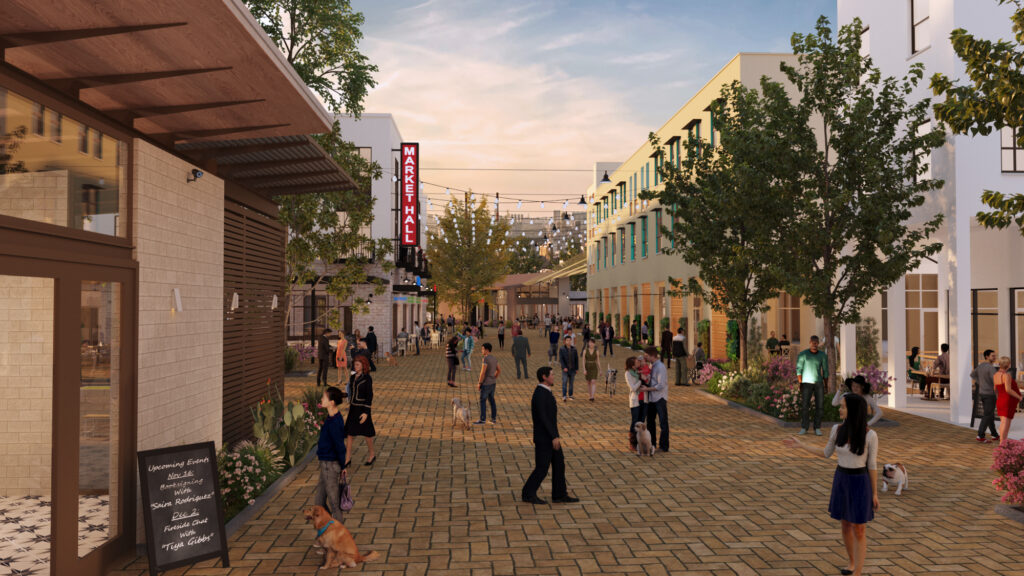
The proposed benefits extend far beyond aggregate financial figures. Proponents argue that shifting away from car-centric infrastructure would result in more affordable, beautiful, and spacious housing, alongside healthier, more active populations that require significantly less time and expenditure on healthcare maintenance. Public and private accounts alike would experience unprecedented surpluses driven by reduced transportation costs and optimized land use.
The Hidden Cost of Car-Centric Urban Space
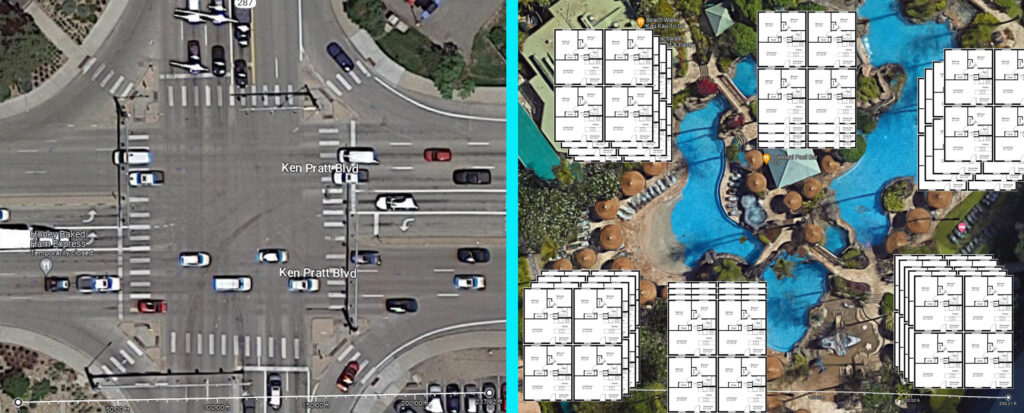
The core argument rests on a stark spatial reality: modern urban design dedicates an astonishing proportion of land to storing, moving, and servicing automobiles. Standard parking spaces and sprawling multi-lane intersections consume vast amounts of valuable real estate that could otherwise house vibrant residential and commercial communities.
For instance, standard parking footprints often occupy space equivalent to entire multi-bedroom apartments. Similarly, large urban intersections frequently waste acres of land that, if reclaimed, could accommodate hundreds of residents in resort-like comfort complete with green spaces, retail options, and community amenities.
Urban advocates point out that the widespread reliance on automobiles is largely a self-fulfilling prophecy. Because cities have been engineered to spread destinations far apart to accommodate cars, the resulting environment is often too loud, congested, and dangerous to encourage walking or bicycling. Consequently, residents feel compelled to drive, reinforcing the need for more parking lots, wider roads, and sprawling infrastructure.
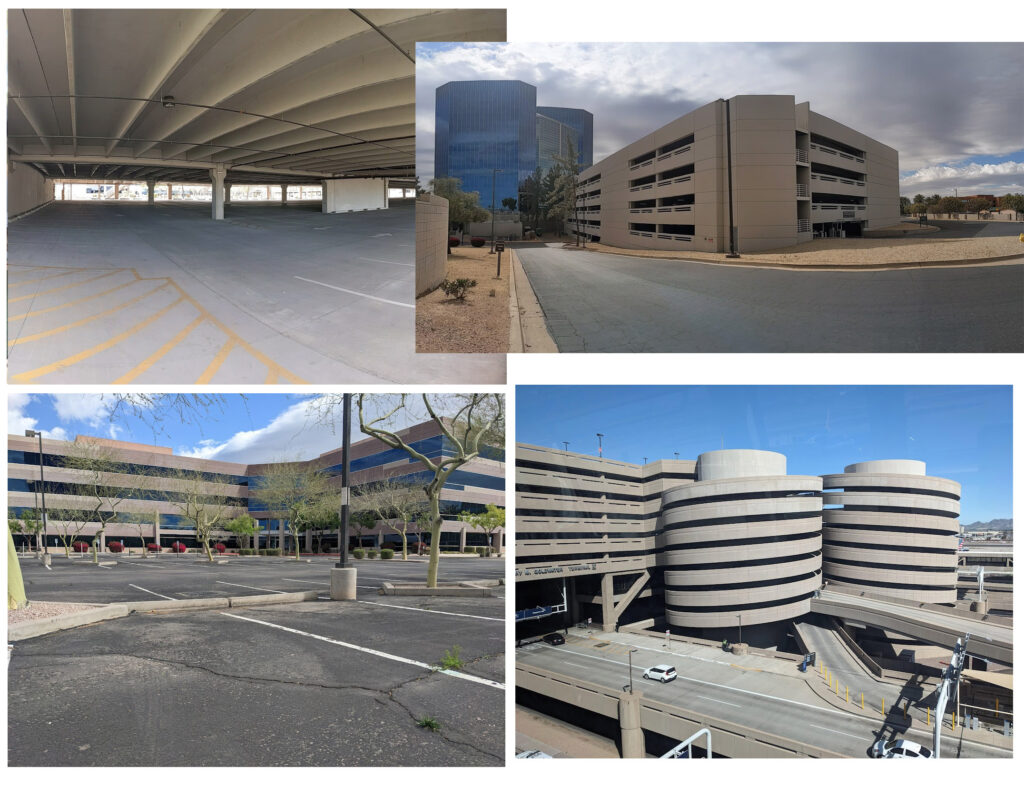
Critics of radical urban reform frequently raise concerns about mobility, asking how populations will maintain their current travel habits without cars. However, advocates counter that eliminating vast swaths of wasted parking and wide thoroughfares naturally shrinks distances, rendering cars far less necessary for daily routines. In a well-integrated, human-scale neighborhood, essential amenities such as grocery stores, offices, and recreation spaces are embedded directly into the community.

Furthermore, urban transit experts emphasize that for short and medium-range urban trips, bicycles and electric bicycles are often significantly faster than cars, bypassing traffic congestion while delivering exercise and convenience. Rather than forcing residents onto rigid public bus schedules, human-centric design fosters micro-mobility options that allow individuals to travel immediately and efficiently.

Real-World Execution: The Rise of Car-Free Neighborhoods
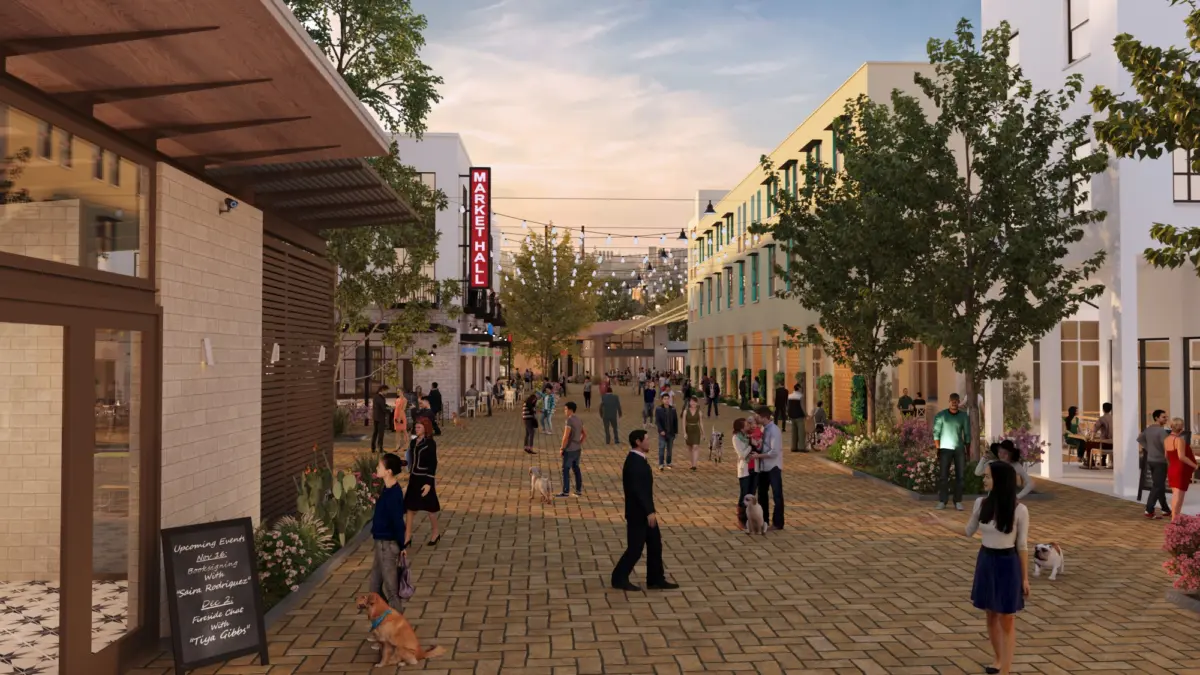
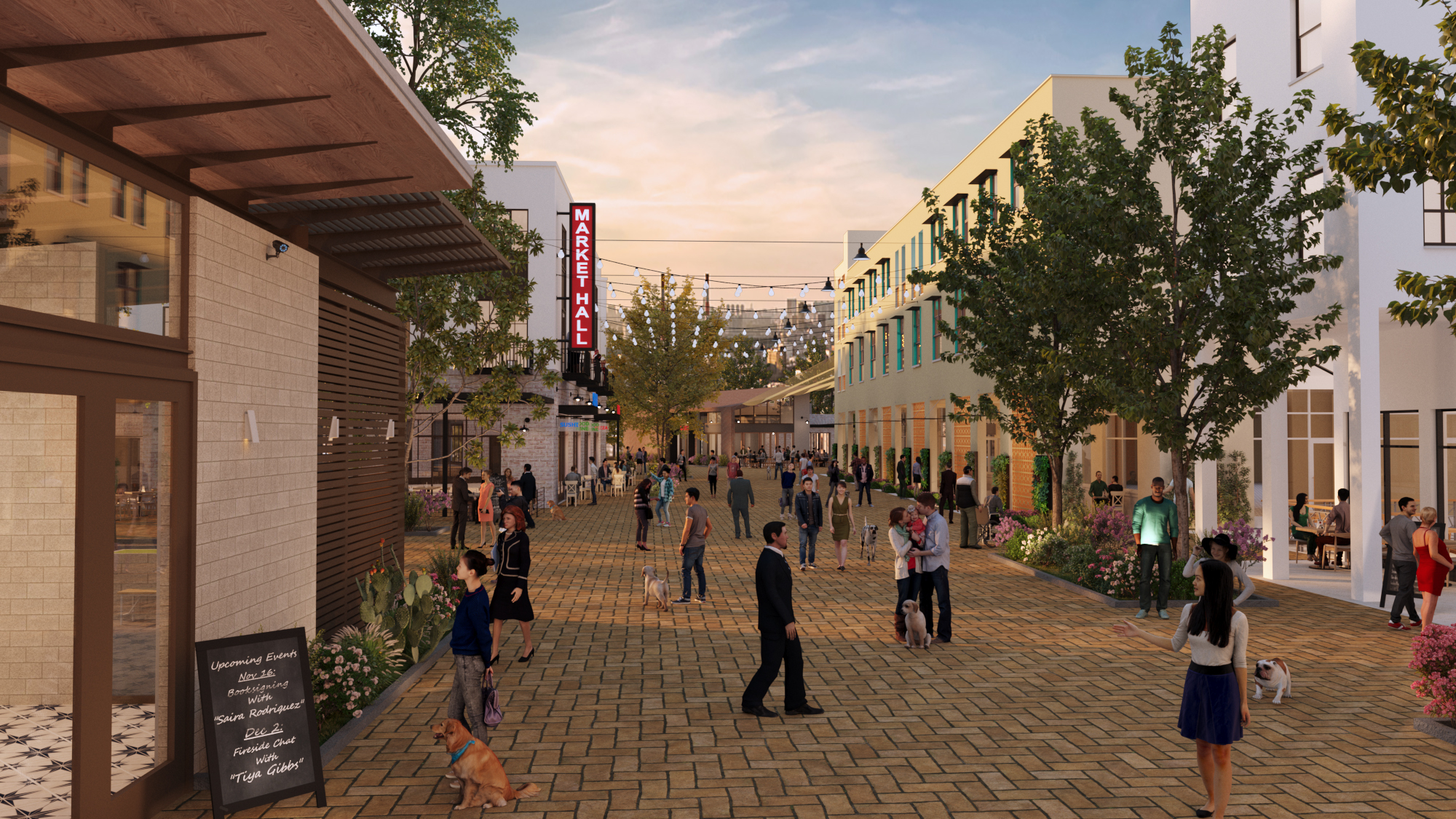
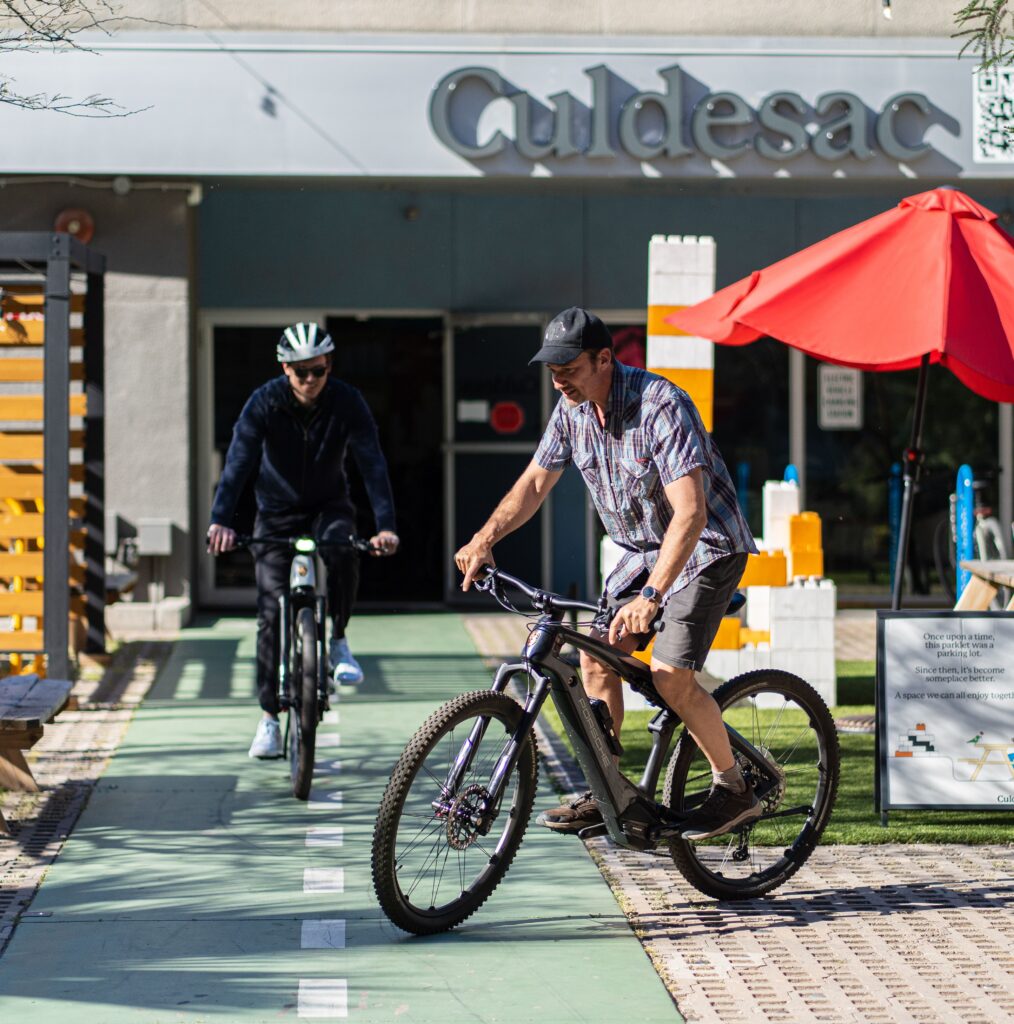
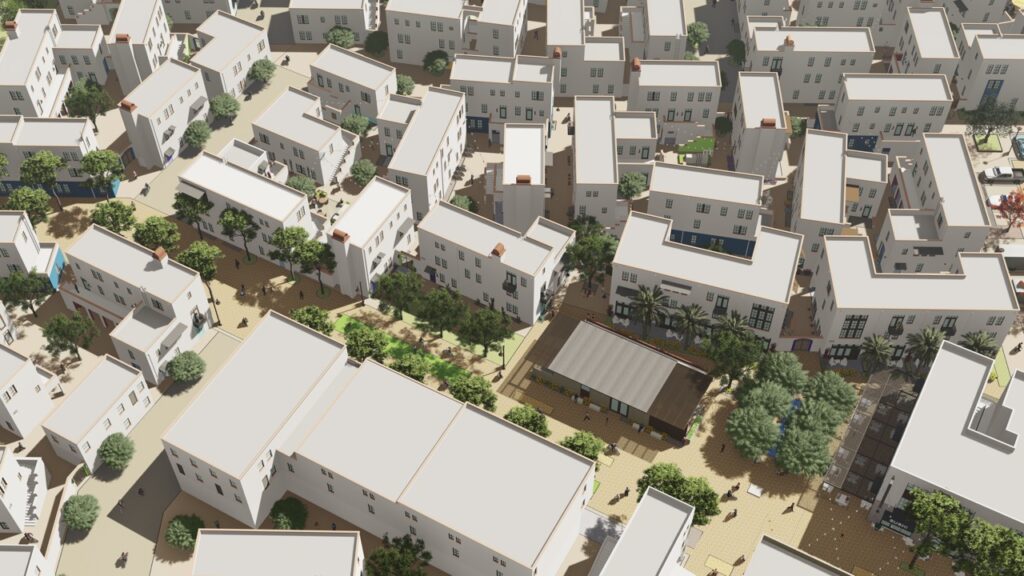
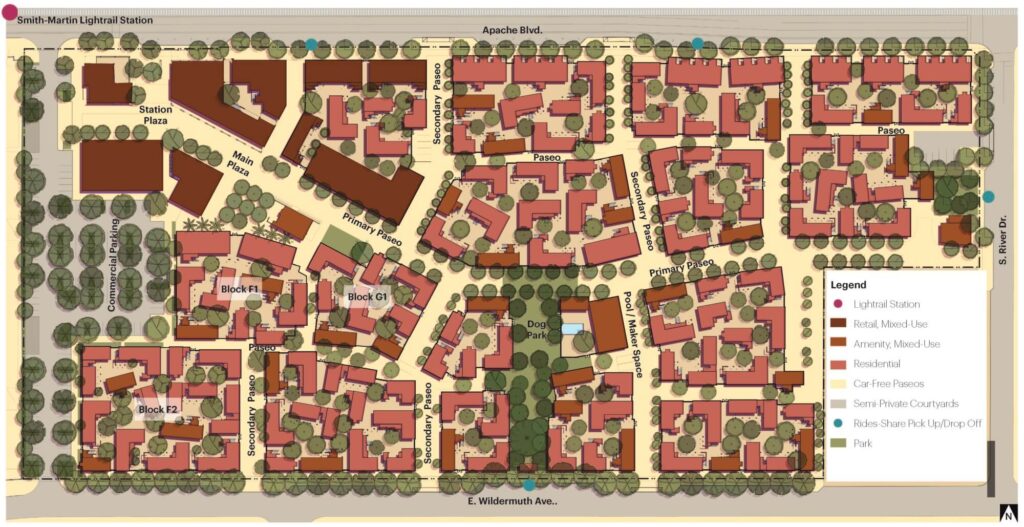
While municipal bureaucracies and traditional city planning committees are frequently structured around maintaining the status quo, tangible progress is emerging through private development. A prominent example is Culdesac Tempe, a newly established car-free neighborhood in Arizona designed to house approximately 1,000 residents across 17 acres.
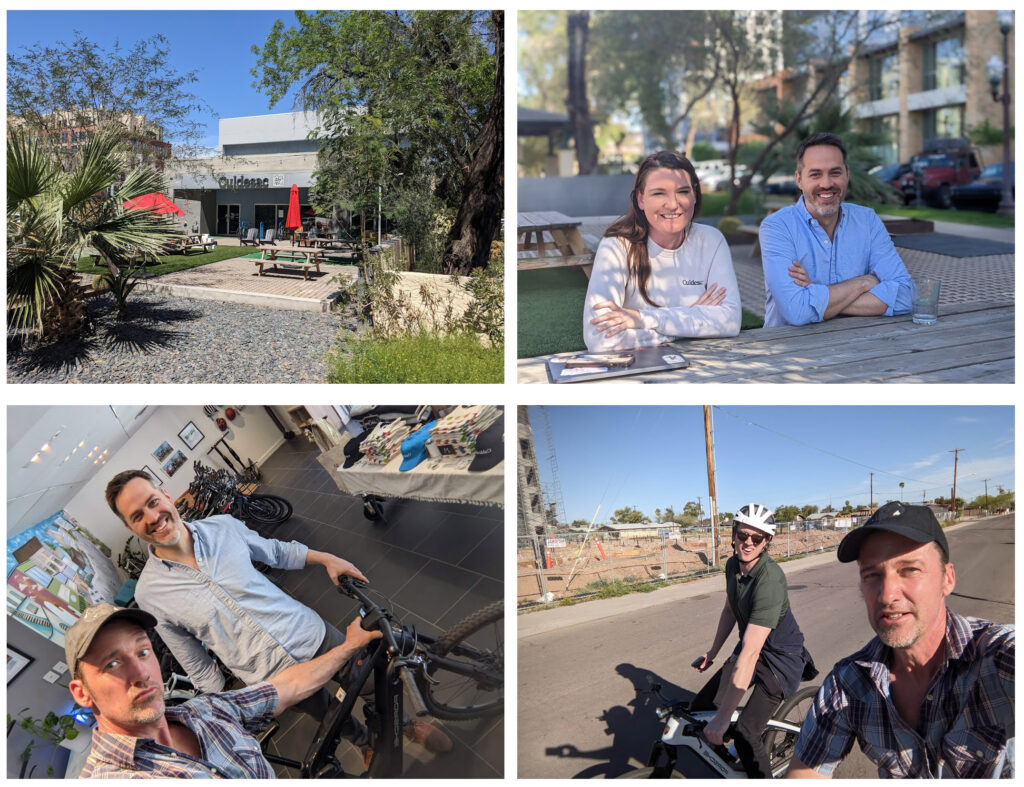
Visiting the site to tour facilities and interview developers, commentators have highlighted how the project replaces traditional parking lots with pedestrian plazas, green spaces, and integrated commercial amenities. Located within the Phoenix metropolitan area, the neighborhood features direct access to light rail transit, annual transit passes included with residency, and shared fleets of electric vehicles for longer trips outside the city. The design specifically accounts for the regional desert climate, utilizing architectural shading, cooling corridors, and extensive landscaping to maintain comfort throughout the year.
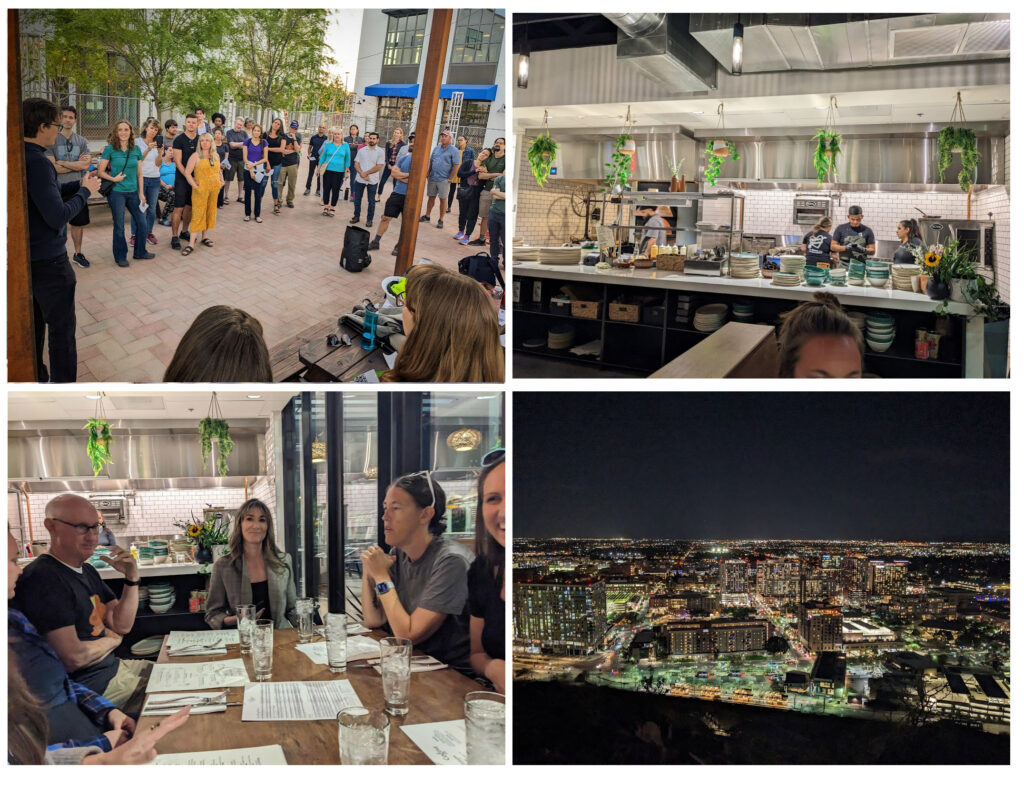
The success of such pilot projects demonstrates that market demand for car-free, walkable communities is robust. Planners and developers are increasingly looking toward master-planned communities built around transit hubs and pedestrian pathways as a viable blueprint for future urban expansion.
The Economic and Social Stakes
Examining urban planning through this lens reframes how society approaches long-term economic development. Just as identifying poor nutritional habits can explain widespread chronic health issues in medicine, recognizing the spatial inefficiencies of automobile-dependent infrastructure helps explain many contemporary challenges related to housing costs, traffic congestion, and sedentary lifestyles.
As communities experiment with car-free zones, transit-oriented development, and human-scale architecture, the transition away from automobile dominance is increasingly framed not merely as an environmental or aesthetic choice, but as a fundamental economic imperative. Every car trip eliminated and every acre of asphalt reclaimed represents a step toward lower living expenses, higher public wealth, and a more active, connected society.