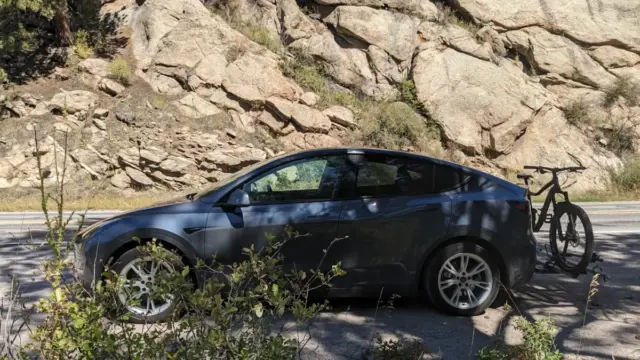
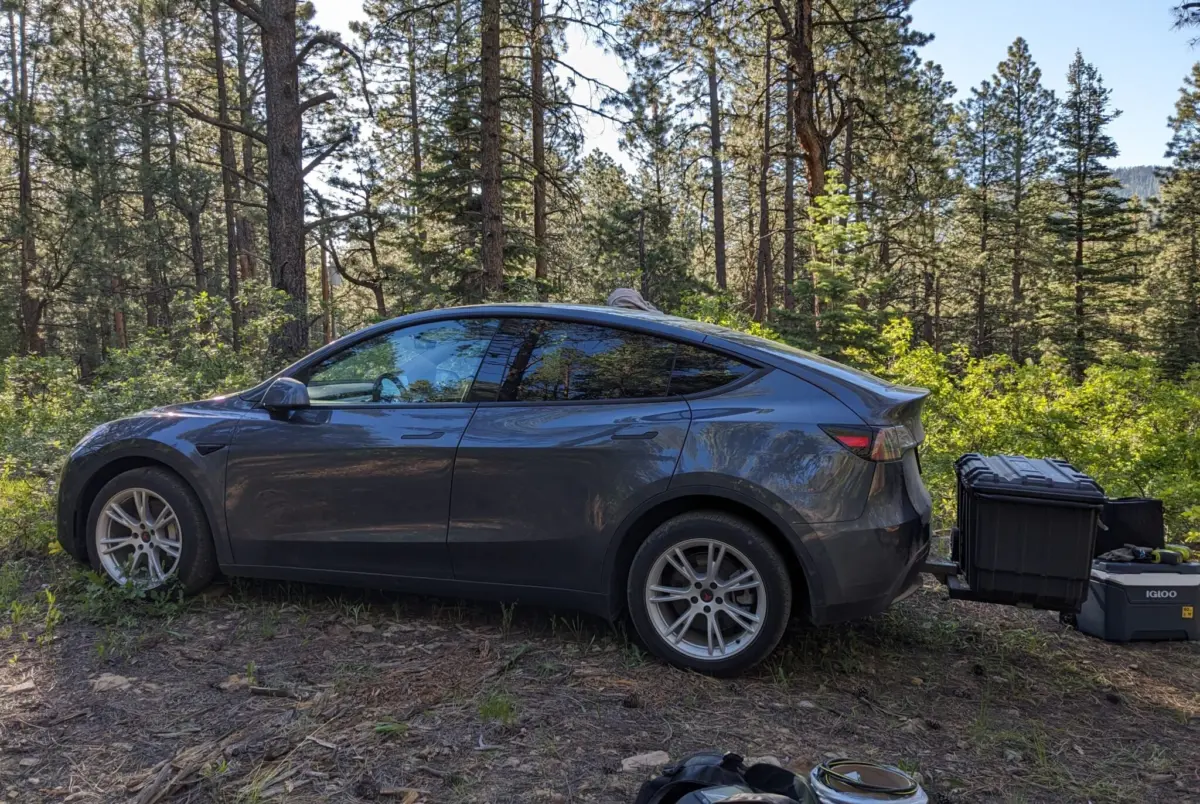

The new electric vehicle replaces a trusty 1999 Honda van affectionately known as "Vanna," which was originally purchased off Craigslist twelve years ago for just $4,500. Over more than a decade of loyal service, the old van crisscrossed mountains and deserts while helping to haul materials for neighborhood home renovations. However, following a final, aromatic transmission failure on a mountain pass outside Salida, Colorado, the vehicle was unceremoniously retired. The old van was ultimately processed through an online car salvage service called Peddle, netting $715 in cash—funds that the author promptly diverted toward celebratory dinners out to honor the transition.
For an author who built an early retirement eighteen years ago on the back of strict frugality and who routinely criticizes society for driving cars they cannot afford, buying a luxury electric vehicle feels, by his own admission, completely off-kilter. Yet, rather than viewing the purchase as a total abandonment of his principles, the blogger frames the acquisition as a calculated step in a broader philosophical shift. The core dilemma touches on a well-known adage often applied to life’s transitions: what got you here will not necessarily get you where you are going.
The internal resistance to spending money is a deeply ingrained trait among lifelong frugalists. To illustrate this psychological hurdle, the author recalled a recent trip to a standard grocery store where a loaf of specialty bread was priced at an eye-watering $6.99—nearly double what he was accustomed to paying at bulk warehouses. This discovery sparked a familiar mental tug-of-war involving boycotts, alternative brands, and substitution strategies before reason finally prevailed with the realization that an extra couple of dollars would have zero bearing on long-term happiness or financial stability.
Conversations with similarly disciplined peers revealed that this reluctance to spend is a common affliction among individuals who achieved financial independence through decades of hard work and careful investing. Even individuals with net worths running multiple times higher than necessary to sustain their lifestyles frequently experience intense psychological friction when confronting everyday splurges, such as opting for a rideshare to the airport instead of enduring a much longer bus commute.
To bridge the gap between hoarding wealth and actually enjoying the fruits of a lifetime of labor while still alive, the community of retired minimalists has begun conceptualizing new frameworks for managing surplus funds. The first concept involves establishing a realistic minimum spending budget. Many individuals who amass portfolios worth millions of dollars continue to live on austere budgets of $40,000 or less per year, despite conventional financial guidelines like the four percent rule suggesting they could comfortably spend significantly more without depleting their principal. By acknowledging a higher baseline for guilt-free spending, retirees can reduce the reflex to funnel every extra dollar into an already oversized nest egg.
A second strategy addresses the difficulty of breaking lifelong habits by reframing how money is perceived. Much like the psychological ease of charging expenses to an anonymous corporate account during a business trip, creating a dedicated, ring-fenced fund for personal enjoyment can trick the brain into spending without the crushing weight of guilt. Paired with a trusted accountability buddy—friends who mutually challenge each other’s excessive thriftiness and actively encourage reasonable treats—frugal individuals can slowly dismantle their scarcity mindsets.
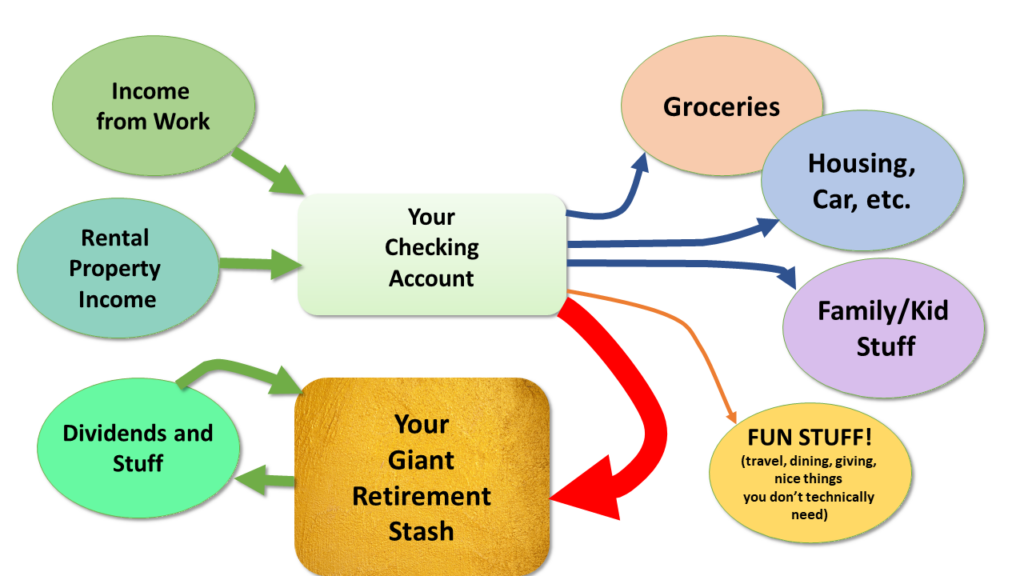
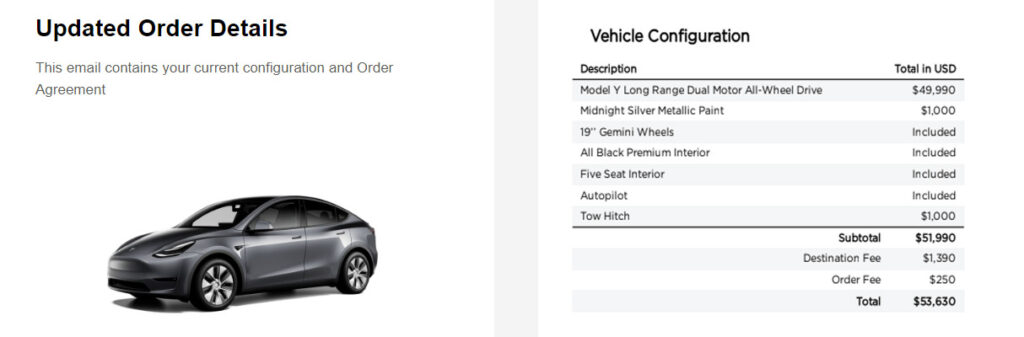
The decision to purchase the Tesla Model Y serves as the pilot phase for this newly minted spending philosophy. Financially, the vehicle is projected to add roughly $10,000 in annual expenses compared to the operating costs of the aging Honda van. However, because the crossover’s primary purpose centers around facilitating long-distance road trips, camping excursions, and travel to a newly acquired vacation rental property in Colorado, the expense is categorized as an investment in experiences rather than mere material consumption.
Addressing critics who might argue that such discretionary spending should instead be funneled entirely into charitable donations, the author notes a nuanced balance. Throughout years of publishing, the writer has documented over $500,000 in charitable contributions. Yet, paradoxically, massive philanthropic outflows can sometimes exacerbate a scarcity mindset, tricking the brain into panicking over minor personal expenditures like a hundred-dollar dinner date by comparison. Maintaining a healthy financial life, the argument goes, requires a balanced middle ground: being a responsible steward of savings and a generous benefactor to worthy causes, while also permitting oneself and loved ones the comfort of modern conveniences.
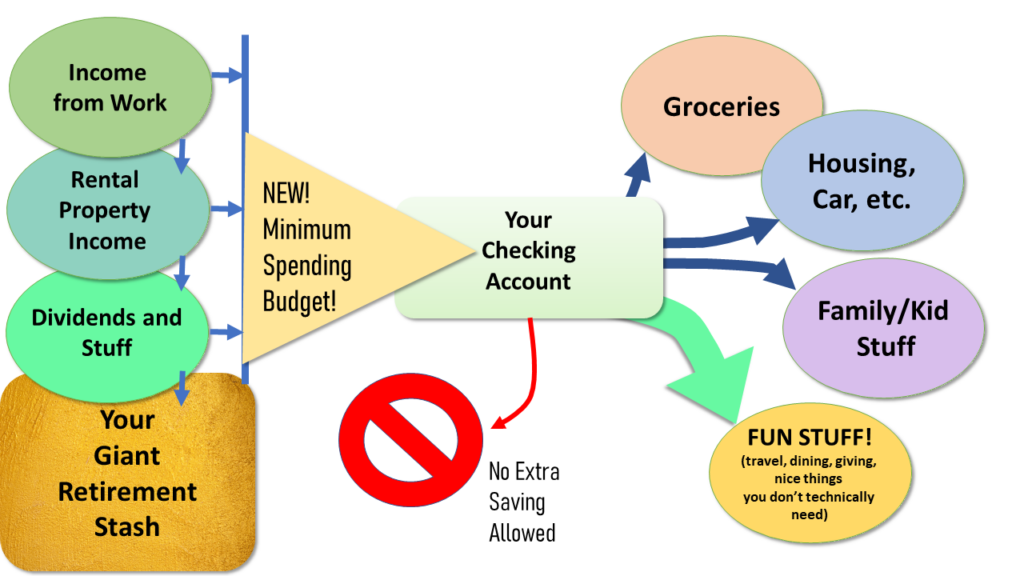
Whether upgrading from a slow, noisy gasoline engine to the smooth, automated glide of electric vehicle technology or opting for small conveniences that eliminate daily friction, the underlying message is clear. Financial independence is ultimately a tool designed to buy freedom and peace of mind, not an exercise in lifelong deprivation. With the launch of a dedicated tracking page titled "The Model Y Experiment," the author intends to document the ongoing realities of electric vehicle ownership, maintenance quirks, and customer service experiences, leaving the wheezing engines of the past firmly in the rearview mirror.