David Treuer’s Savage Mind
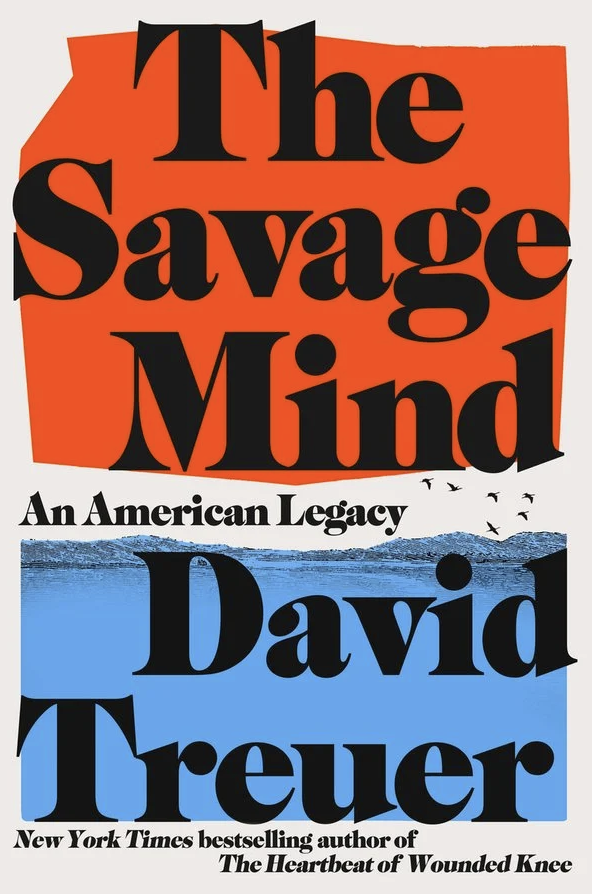
Among the most anticipated releases is Savage Mind by David Treuer. Treuer has long established himself as a triple threat in the literary world as an accomplished novelist, celebrated memoirist, and historian. His 2019 book, The Heartbeat of Wounded Knee, captured widespread national attention and earned a finalist spot for the National Book Award.
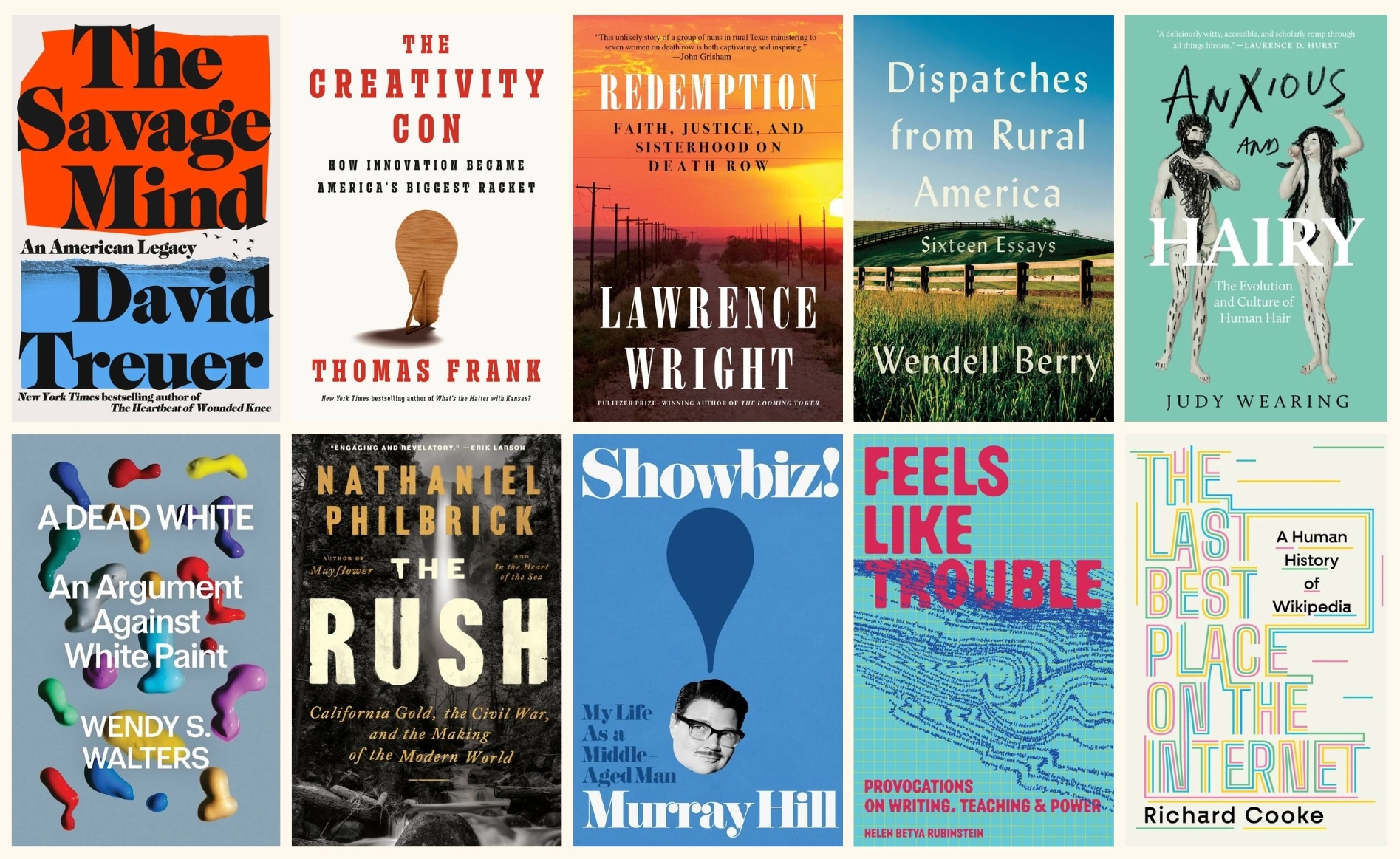
Regardless of the form he employs, Treuer remains a master storyteller. With Savage Mind, he adds the epistolary treatise to his impressive repertoire. Written as an extended letter to his three teenage children, the book opens with a striking, atmospheric tale of reservation life that echoes the raw immediacy of a Denis Johnson story. From there, Treuer shifts with his customary blend of history and memoir into a wide-ranging exploration of the American frontier. He examines both its historical reality as a landscape marked by brutal violence and cruelty and its enduring dominance as a mythic imaginary that continues to shape every aspect of the nation’s domestic and international imperial projects.
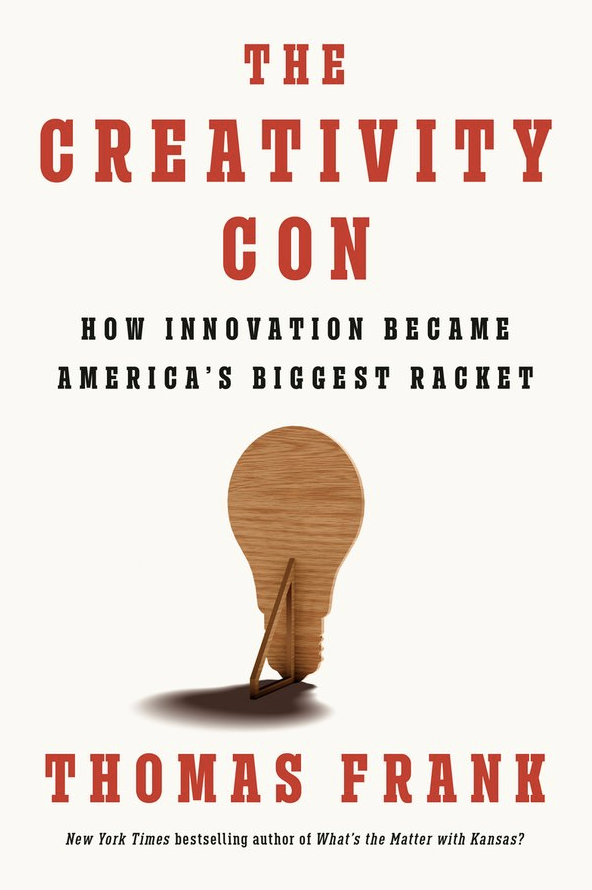
Thomas Frank’s The Creativity Con
Thomas Frank, widely recognized as one of the country’s finest critics of institutional power and modern mythology, turns his rigorous, old-fashioned American skeptic’s eye toward the tech and startup industry in The Creativity Con. Frank applies his signature erudition and sharp wit to the post-war gallery of hucksters and promoters who have leveraged the rhetoric of "innovation" and the ethos of moving fast and breaking things as cover for a quick-fix approach to progress. According to Frank, this prevailing ideology often serves as a convenient smokescreen that systematically siphons wealth from the bottom to the top, ultimately leaving the broader public worse off than before.
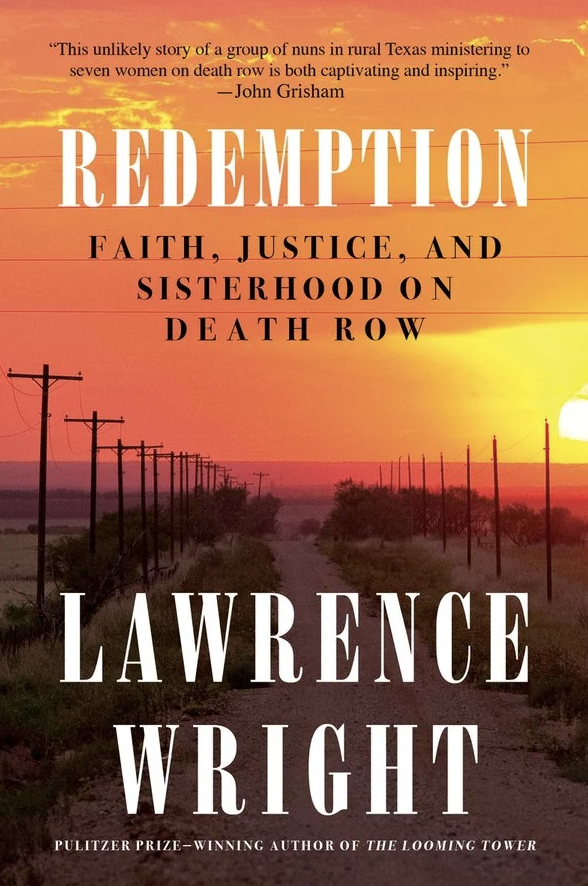
Lawrence Wright’s Redemption
Lawrence Wright stands as one of the premier narrative journalists of our era, making his turn toward one of America’s most urgent and contentious moral issues—capital punishment—both fitting and vital. In Redemption, Wright explores the unlikely relationship between a group of nuns and the women residing on death row at a prison in Gatesville, Texas. As the nuns tend to the spiritual and emotional needs of the inmates, Wright uses their interactions to illuminate the profound contradictions, systemic flaws, and deep-seated injustices at the heart of the American legal system.
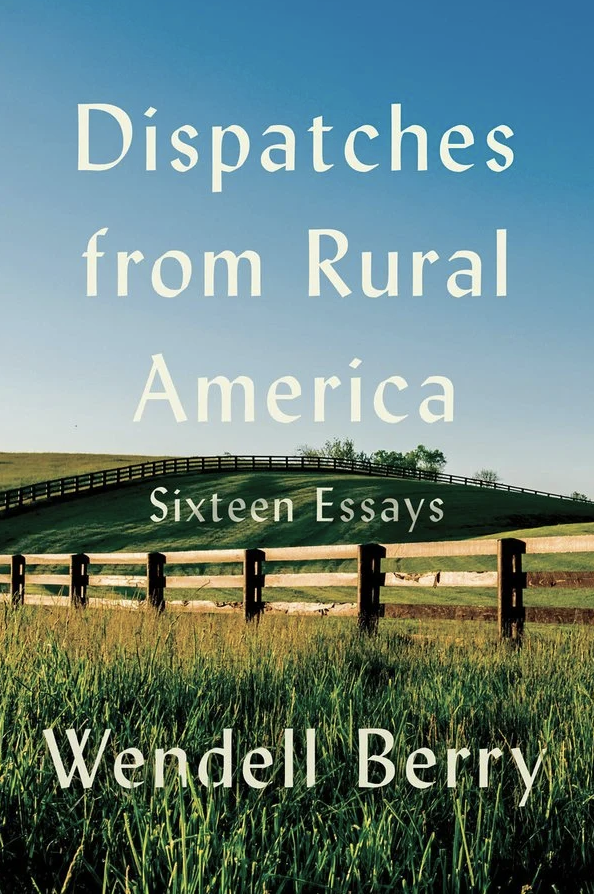
Wendell Berry’s Dispatches From Rural America
The literary community continues to mourn the loss of Wendell Berry, who passed away last month at the age of 92. As an important primer celebrating his enduring legacy, Dispatches From Rural America arrives to remind readers of his vital contributions. Berry has frequently been narrowly typecast as an American pastoralist in the direct lineage of figures like Henry David Thoreau and Ralph Waldo Emerson. However, his work possesses a gritty, down-to-earth realism and an unflinching pragmatism that position him as an ideal and piercing critic of modernity—a critique that remains desperately needed to address the late-capitalist realities of the past half-century.
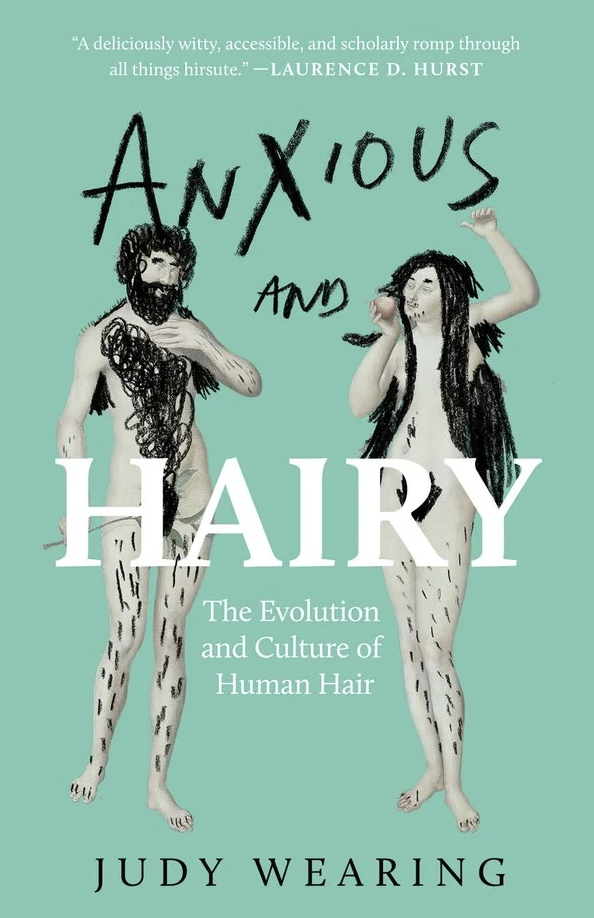
Judy Wearing’s Anxious and Hairy
Delving into a frequently overlooked aspect of human embodiment, Judy Wearing’s Anxious and Hairy: The Evolution and Culture of Human Hair explores the history, aesthetics, social anxieties, and science of body hair. Wearing successfully balances an understanding of the inherent humor of her subject matter while treating it with genuine intellectual seriousness. At once deeply personal and broadly universal, the book serves as an engaging and entertaining cultural history for curious minds who appreciate a witty intellectual romp through unconventional topics.
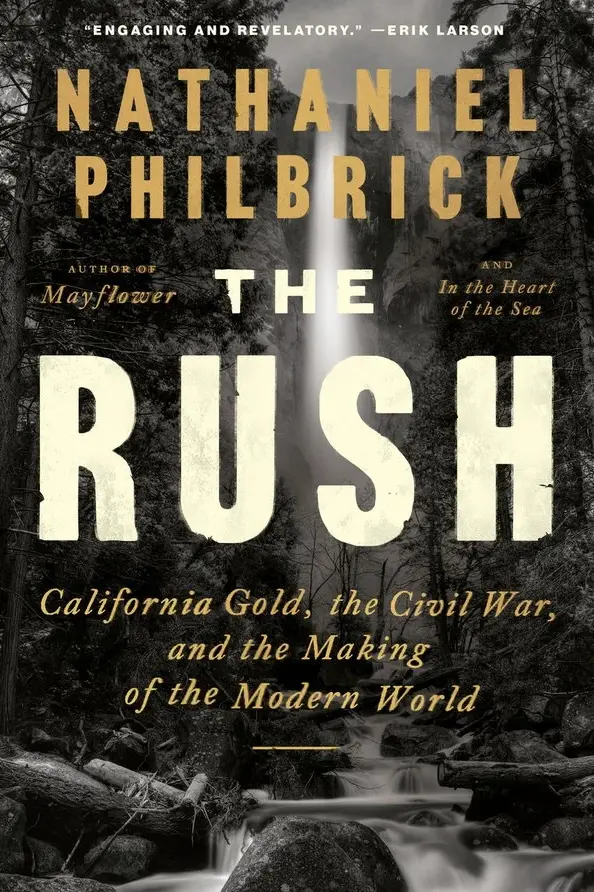
Nathaniel Philbrick’s The Rush
Nathaniel Philbrick has built a reputation for writing historical nonfiction that reads with the gripping pace of a novel, and the California Gold Rush provides an ideal canvas for his talents. Known for his meticulous eye for vivid characters and striking details—such as his precise and visceral descriptions of extreme dehydration in In the Heart of the Sea—Philbrick turns his attention westward in The Rush: California Gold, the Civil War, and the Making of the Modern World. In this new work, he builds a compelling historical case that the chaotic era of the Gold Rush fundamentally explains and shaped the contemporary United States.
Murray Hill’s Showbiz! My Life as a Middle-Aged Man
For readers drawn to unconventional career paths and the colorful underbelly of live performance, Murray Hill offers Showbiz! My Life as a Middle-Aged Man. Hill is a celebrated fixture of the New York cabaret and comedy nightlife scene, centered around venues like Joe’s Pub, and recently captivated television audiences with a standout performance in the critically acclaimed series Somebody Somewhere. True to his background, Hill delivers a memoir filled with remarkable anecdotes, bringing the charm of a seasoned showman to the page.
Wendy S. Walters’s A Dead White
Wendy S. Walters remains one of contemporary literature’s most distinct and challenging essayists, known for a style of writing-as-thinking reminiscent of continental feuilletonists like Joseph Roth. Her previous collection, Multiply/Divide, brilliantly merged broad political observation with deeply personal reflection.
In A Dead White, Walters invites readers further into her unique perspective, focusing her analytical gaze on the ubiquitous presence of white paint in public and private spaces. Originating from an observation made while dropping her son off at school, the book examines how the omnipresence of white surfaces reveals underlying societal value systems, unexamined passive choices, and a misguided aspiration toward a false sense of neutrality.
Richard Cooke’s The Last Best Place on the Internet
Richard Cooke examines the architecture and cultural footprint of one of the modern web’s most ubiquitous resources in The Last Best Place on the Internet: A Human History of Wikipedia. Tracing the platform’s humble beginnings and its complex inner workings, Cooke explores how a site once dismissed as the epitome of digital laziness has evolved into an indispensable intellectual tool and a rare force for public good within an otherwise troubled digital ecosystem.
Helen Betya Rubinstein’s Feels Like Trouble
Rounding out the month’s prominent nonfiction releases is Helen Betya Rubinstein’s Feels Like Trouble: Provocations on Writing, Teaching & Power. At a time when the literary arts face various cultural and institutional pressures, Rubinstein examines the foundational methods and unquestioned frameworks that writers and students routinely accept, such as the standard creative writing workshop "compliment sandwich." Offering deeply considered, sharply argued provocations, Rubinstein makes a compelling case for the enlivening and necessary role of dissent within the writing community.