
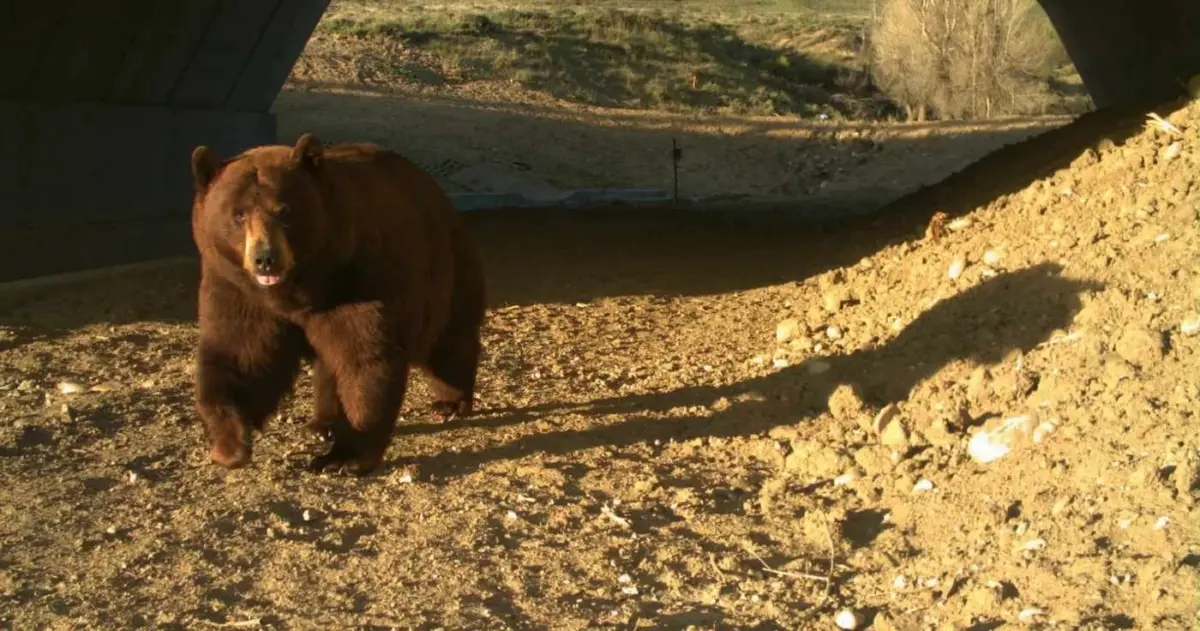
Measuring an impressive 200 feet wide and 209 feet long, the sprawling overpass covers a staggering 41,800 square feet, or roughly 3,900 square meters. This immense scale makes it the single largest bridge structure dedicated exclusively to wildlife in North America, as well as one of the most substantial installations of its kind anywhere in the world. The engineering project, however, is not limited to the grand overpass deck itself. Planners incorporated a comprehensive system of infrastructure that includes five dedicated wildlife underpass tunnels, specifically engineered to accommodate smaller or more timid animals that prefer to scurry beneath traffic rather than walk above it. Miles of specialized fencing stretch outward from the crossings, acting as a gentle funnel that guides wandering creatures away from the dangerous pavement and safely toward the designated pathways.
When the Colorado Department of Transportation first drafted the plans and crunched the numbers for the Larkspur-Monument corridor, officials conservatively estimated that the multi-million-dollar infrastructure would reduce animal-vehicle collisions by roughly 90%. However, the data collected over the first ten months of operation has proven even better, recording a remarkable 91% reduction in crashes between vehicles and wildlife.
Bridget O’Rourke, a spokesperson for Colorado Parks and Wildlife, expressed the agency’s enthusiasm in an interview with the Colorado Sun. According to O’Rourke, the strategy of combining overpasses, underpasses, and strategic fencing to shepherd animals safely across busy thoroughfares has been statistically proven to work beyond a doubt.
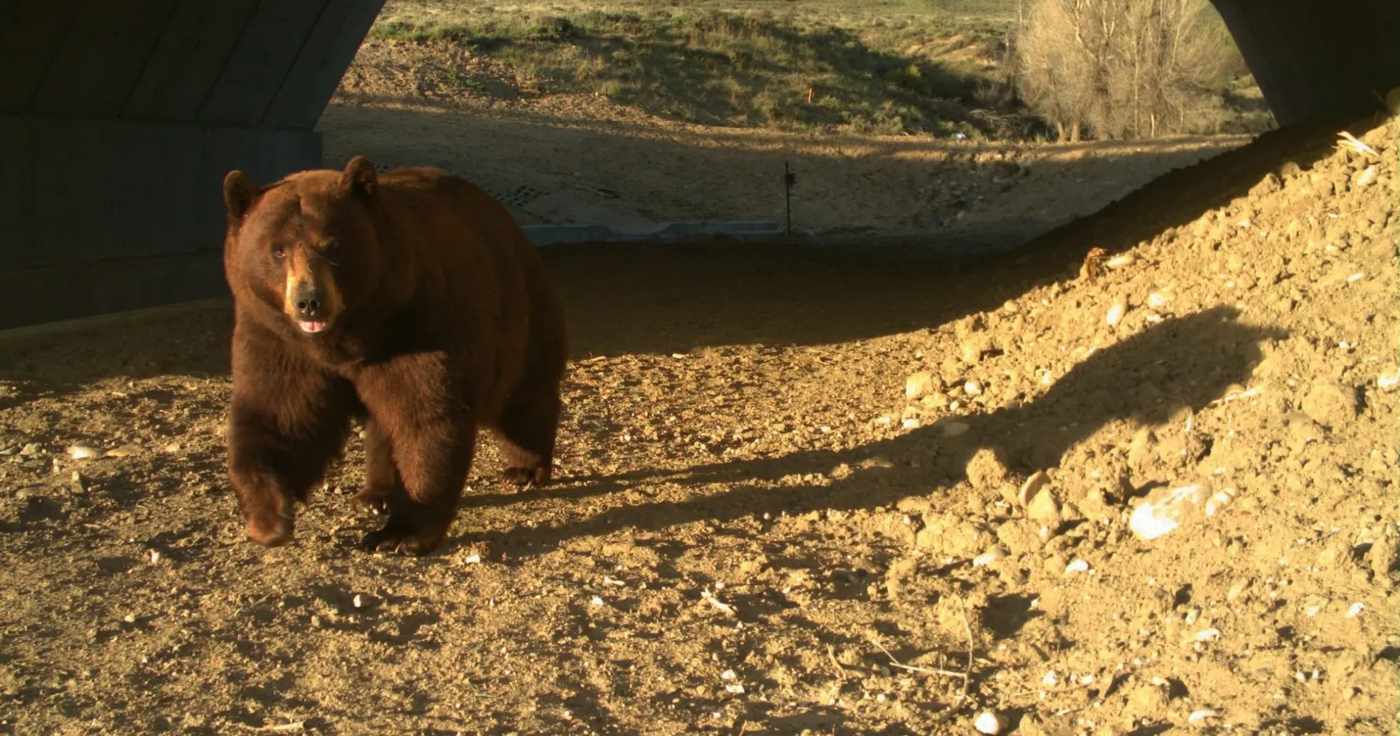
The benefits of the overpass extend far beyond the headline-grabbing species like black bears, majestic elk, and wandering moose. Conservationists have been particularly thrilled to observe that smaller and more vulnerable creatures are utilizing the bridge as well. The list of verified users now includes nimble pronghorn antelope, rabbits, and even sensitive amphibians such as the northern leopard frogs. O’Rourke noted that these smaller crossings represent a huge plus for local biodiversity, ensuring that the ecological corridors serve the entire ecosystem rather than just large mammals.
For the pronghorn antelope, the overpass represents a truly historic restoration of ancient habits. These animals are migratory by nature, sweeping across the plains with an innate biological compass that was ruthlessly disrupted by the construction and expansion of Interstate 25 decades ago. In a stunning vindication of the project’s design, a pronghorn was recently captured on video crossing the wildlife overpass—marking the first time in 30 years that such an event has been officially recorded in the area.
While the animals enjoy safe passage, the human population driving automobiles below has experienced a parallel set of profound benefits. Before the overpass was constructed, the Larkspur-Monument corridor averaged roughly one collision involving a large animal every single day. These incidents frequently resulted in tragic fatalities for the wildlife, severe trauma or injury for drivers and passengers, and immense financial costs stemming from vehicle damage. Furthermore, traffic delays along the vital commuter and freight corridor have dropped by 9% over the past ten months. This reduction in congestion is directly tied to the plummeting number of times highway safety personnel have been forced to shut down lanes around wrecked vehicles covered in shattered glass, blood, and fur.
The overwhelming success of the Larkspur overpass has served as a powerful catalyst, sparking what amounts to a wildlife infrastructure construction boom across the state of Colorado. Buoyed by the statistical proof that these bridges save lives and dollars, state planners are now actively scouting and designing an additional six locations for similar installations. Among these upcoming projects is a historic first: a wildlife overpass specifically tailored and engineered to accommodate Rocky Mountain bighorn sheep.
According to reports from the Colorado Sun, the state’s ambitious expansion roadmap includes several key stretches of highway. Plans are underway to construct crossings on the westbound lanes of Interstate 70 at East Vail Pass, situated between Vail and Copper Mountain. Officials are also eyeing a location on Interstate 25 just north of the New Mexico state border, as well as a site on US 160 east of Cortez in southwestern Colorado. Additional projects are slated for a stretch over Colorado 40 west of Craig and near US 287 south of the Wyoming border, signaling a transformative shift in how civil engineers approach the coexistence of high-speed transportation and native wildlife populations.