Among the standout projects featured in the JoyDrops series is The Grandfather Puzzle, a deeply personal and emotionally resonant short film directed by Ora DeKornfeld. The documentary explores a complex intergenerational dynamic, the enduring weight of historical trauma, and an unorthodox attempt by a filmmaker to bridge a profound emotional chasm with her aging grandfather before it was too late.
The Genesis of a Creative Quest
For the majority of her life, Ora DeKornfeld faced a brick wall when attempting to document her grandfather’s history. A deeply formal, intensely private man, he steadfastly refused every request to record his personal story or discuss the intricate, harrowing life he had left behind in Hungary decades earlier. As the years passed, the urgency of capturing his history mounted alongside the natural passage of time.
"When he turned 99, I was like, okay, it’s really now or never," DeKornfeld explained in an interview with the Good News Network. Realizing that direct inquiries and formal interview requests were bound to fail due to his unwavering reserve, she understood that standard journalistic approaches would yield no results. "So I need to get a little more creative about this endeavor," she recalled.
That creative impulse ultimately birthed The Grandfather Puzzle, a poignant cinematic journey that sought to bypass verbal reticence through tangible imagery, shared experiences, and subtle emotional exploration.
The Film and the Journey to Hungary
DeKornfeld’s grandfather possessed a history shrouded in mystery, including a childhood spent in a European castle and a baronial title tied to an aristocracy in Hungary—details he almost never spoke of. Despite his silence about the past, he harbored a passionate love for jigsaw puzzles. Seizing upon this singular hobby, DeKornfeld devised an ingenious and evocative plan.
She traveled across the Atlantic to the very castle in Hungary where her grandfather had spent his formative years. There, she meticulously photographed the historic estate, capturing its stone walls, grand architecture, and surrounding landscape. Upon returning home, she transformed those photographs into a custom-made jigsaw puzzle. Her intention was simple yet ambitious: to bring the physical piece of his childhood back to Baltimore, laying it out before him in the hope that it might gently unlock the silence that had defined their familial relationship for decades.
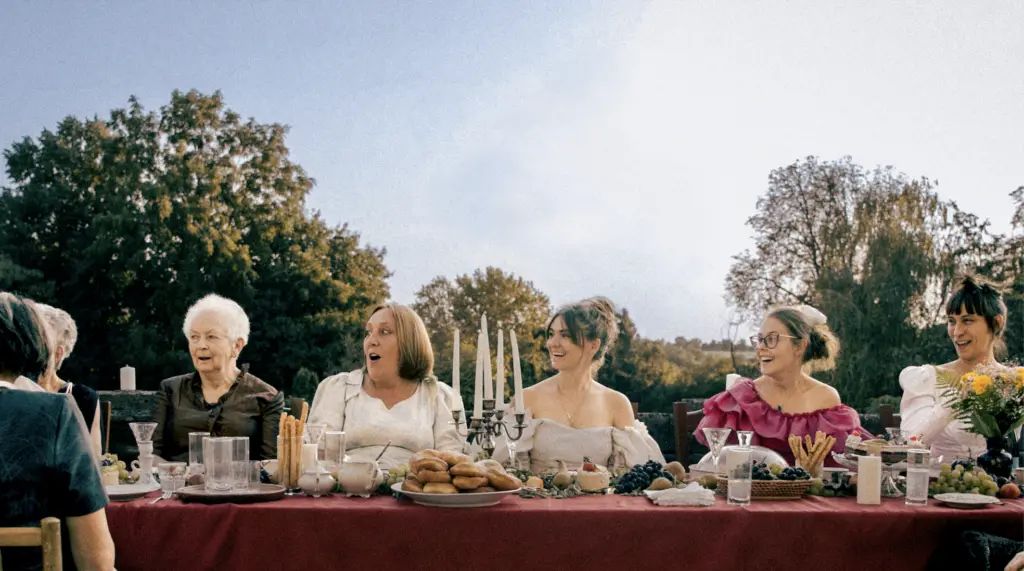
The physical pilgrimage to her grandfather’s ancestral home held unexpected moments of surreal theatricality. Upon her arrival in the Hungarian town, the entire local community turned out in a grand display of hospitality to welcome the returning baroness, complete with formal gifts and heartfelt speeches.
"It was so absurd and overwhelming, and also humorous," DeKornfeld noted, reflecting on the striking juxtaposition between her quiet family mission and the grandiose public reception.
Yet, beneath the pageantry, the fundamental silence remained intact. During her visit, no one in the town openly addressed or mentioned the dark historical currents that had forced her family to flee their homeland in the first place. For DeKornfeld, addressing this omission was crucial. She deliberately structured the film to hold space for the immense weight of the Holocaust and the devastating personal costs it exacted on her grandfather, while carefully avoiding a narrative trap that would reduce his entire life and identity solely to victimhood. She steadfastly believed that honoring his legacy meant recognizing his strength and humanity rather than merely framing him through the lens of historical catastrophe.
Navigating Grief and Finding Peace Without Resolution
In documentary filmmaking, narratives often lean toward neat resolutions and emotional catharsis. Real life, however, rarely adheres to such cinematic neatness.
The custom jigsaw puzzle ultimately did not unlock her grandfather’s deeply buried memories or prompt a sudden, cinematic confession of his past. In August, just months after the film officially premiered, her grandfather passed away at the age of nearly 100, having never agreed to watch the documentary his granddaughter had lovingly crafted for him.
Despite the absence of the traditional breakthrough moment, DeKornfeld found an unexpected sense of peace and closure through the filmmaking process. Ironically, the physical distance she traveled across the globe ultimately brought her closer to him in spirit.
"I had to go very far away to feel close to him, which is kind of ironic," she reflected. "Pero when he passed away, I realized I had no regrets about our relationship."
This realization forms the core message and emotional takeaway that DeKornfeld hopes resonates with audiences who view the short film. Family relationships are frequently fraught with unspoken tensions, stubborn silences, and emotional distances that seem impossible to cross. According to the filmmaker, the universal struggle to connect with an aloof or guarded loved one is a shared human experience that many viewers will instantly recognize.
"Everyone can relate to having a loved one who they want to be closer to but can’t for some reason," she said. "All we can do is try our hardest and put in the effort to be close. And then it’s up to them."
Embracing Surprise and Humor in Non-Fiction Cinema
DeKornfeld’s transition into personal documentary filmmaking was built upon a rigorous foundation in video journalism, where she spent years reporting on heavier, more conventional news stories. Alongside The Grandfather Puzzle, she also co-directed the documentary short Stalin’s Boys, continuing her exploration of complex historical legacies. However, The Grandfather Puzzle represents her first foray into deeply personal storytelling, prompting a reevaluation of the cinematic tools available to documentary directors.
Within the documentary community, DeKornfeld advocates for a greater willingness to embrace humor and the absurdities of everyday life, arguing that tragedy and solemnity often overshadow the lighter, more eccentric elements of human existence. In her view, comedy and levity carry inherent artistic risks that filmmakers frequently shy away from.
"Humor is one of the scariest sort of public acts of art, and so it makes sense that people avoid it," she told the Good News Network. "I wish documentaries held more space for surprise."
This artistic philosophy explains her natural alignment with the mission of JoyDrops. She expressed deep enthusiasm for cinematic works that tackle substantive, real-world issues while maintaining "a realistic dose of how absurd and funny life is in general."
The Grandfather Puzzle stands as a testament to that philosophy, blending historical reverence with personal vulnerability and a touch of unexpected charm. As part of the ongoing JoyDrops collection—a collaborative showcase between the Good News Network and Switchboard Magazine highlighting five distinct documentary shorts centered on hope—DeKornfeld’s film continues to invite viewers to look past tragedy, embrace the effort of connection, and find room for surprise in the most silent of places.