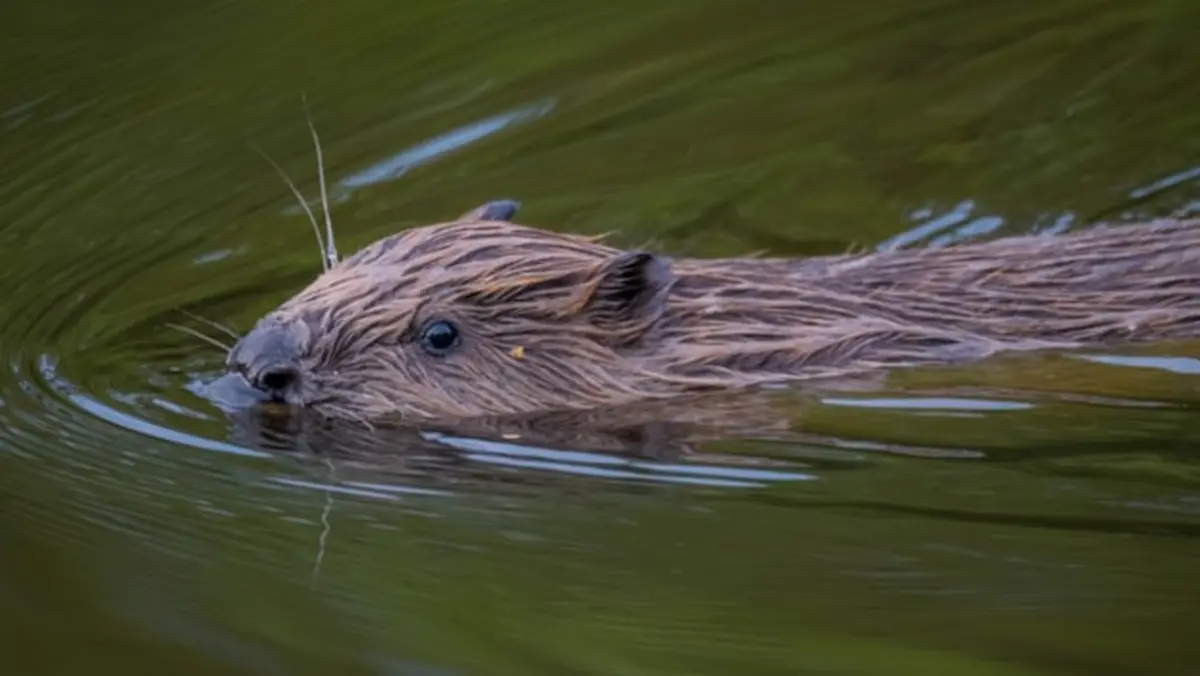
The return of these industrious rodents marks a monumental ecological milestone for the region. Historical records indicate that beavers were last sighted in the area surrounding Scotland’s most famous and mysterious lake between 1526 and 1527. Now, exactly half a millennium—or literally 500 years—later, these vital ecosystem engineers are being reintroduced to the local environment, breathing new life into ancestral waterways they once called home.
The official green light for the homecoming came on October 30th, when NatureScot, Scotland’s national conservation authority, granted a formal license to a pair of dedicated environmental nonprofits, Trees for Life and the Beaver Trust. Under the terms of the authorization, the organizations are permitted to release up to 15 beaver families over the course of three years within the broader River Ness catchment area, which naturally encompasses the iconic lake itself.
The licensing decision followed a rigorous and comprehensive evaluation process. The application was carefully assessed in strict accordance with the Scottish Code for Conservation Translocations. This robust framework evaluates a wide array of critical issues, including overall site suitability, animal welfare standards, and the potential ecological or economic impacts on neighboring landowners and community interests.
Following this exhaustive review, NatureScot released an official statement detailing that the scientific assessment conclusively determined beavers could significantly boost biodiversity throughout the catchment. Crucially, the evaluation also found that the local landscape faces a remarkably low risk of experiencing negative impacts from routine beaver activity, reassuring planners that the environment is well-suited for the species’ return.
Public engagement played a vital role in the approval process. Prior to the final decision, comprehensive consultations were held between the conservation nonprofits and the local community. The outreach revealed overwhelmingly positive sentiment among residents and stakeholders, with more than 73 percent of survey respondents expressing clear support for the reintroduction initiative.
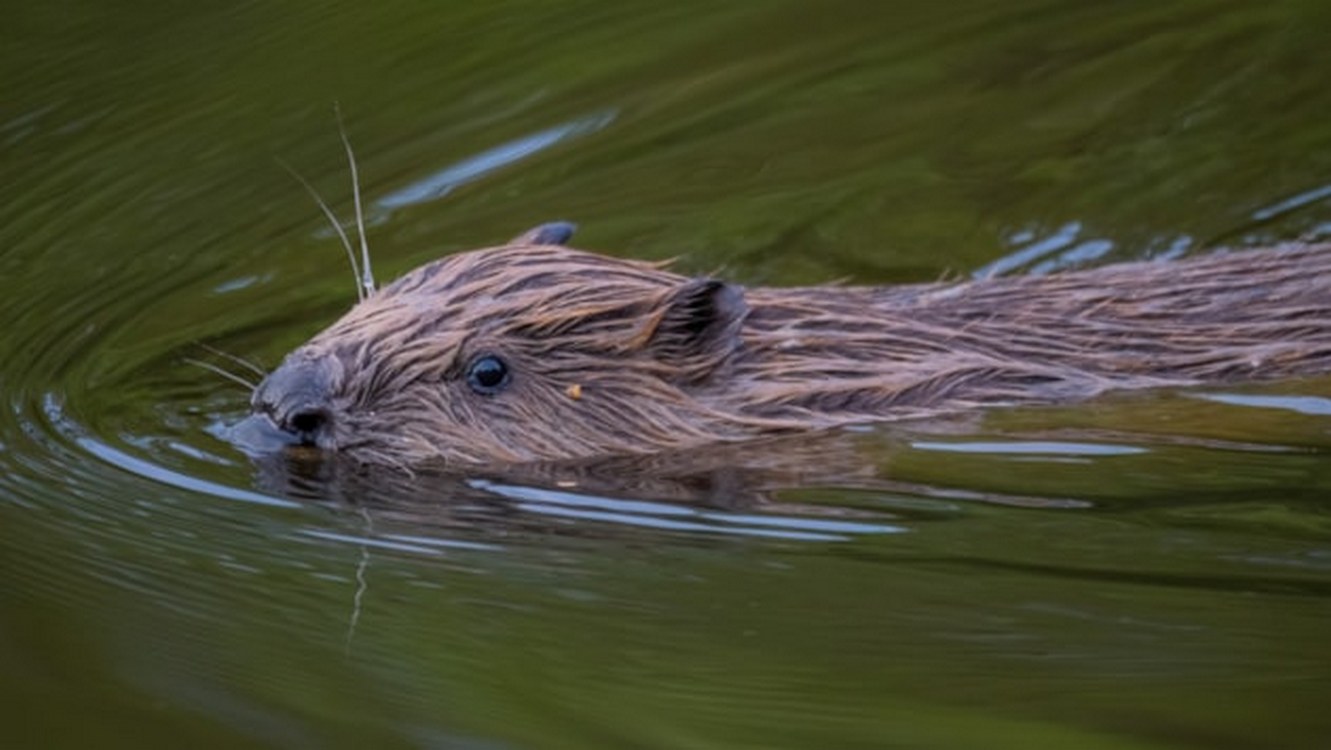
Robbie Kernahan, NatureScot Director for Wildlife Management, emphasized the profound ecological advantages that the species can bring to the region. "Beavers can bring many benefits for nature and people, creating habitats such as ponds and wetlands where other species thrive, as well as moderating water flows in times of flood and water scarcity," Kernahan explained.
At the same time, conservation authorities acknowledged that not every local stakeholder shares the same enthusiasm, and legitimate apprehensions have been voiced by some members of the agricultural and land management communities.
"Some concerns have been raised by land managers and residents through the consultation process and we take these seriously," Kernahan added. "We have assessed the monitoring and mitigation plans set out by the applicants and believe that, along with our existing Beaver Mitigation Scheme, any potential conflicts that may arise can be resolved."
The wider context of this reintroduction demonstrates a broader national trend in ecological restoration. Beavers have already been living wild in other parts of Scotland since they were initially reintroduced in 2009. Over the intervening years, these hardy mammals have steadily and successfully reclaimed various ancestral waterways across different regions of the country, proving their resilience and adaptability within modern Scottish ecosystems.
For the River Ness project, the conservation nonprofits have indicated that actual translocations could begin in the coming weeks. To ensure the highest standards of animal welfare and ecological balance, the qualifying animals will typically be sourced from other locations within Scotland where their natural dam-building and foraging behaviors are currently having a deleterious impact on prime agricultural land, or where individuals are simply not settling well into the specific areas where they were previously released. By relocating these beavers to the River Ness catchment, conservationists hope to solve regional land-use conflicts while simultaneously enriching a historic Highland habitat.
As preparations get underway for the historic release, locals and visitors alike may need to adjust their expectations when scanning the famous waters. The next time you spot a long, thin object moving silently across the surface of the lake and instinctively assume it is Nessie taking a morning swim, make sure to double check. It just might be a diligent engineering mammal carrying a sturdy log in its jaws—the newest resident and true working monster to make its home on Loch Ness.