

For veterans of past market cycles, the current dynamic feels eerily familiar. The early 2000s dot-com boom served as a springboard for early retirement for some, while the subsequent crash threatened livelihoods and legal status alike. As questions mount regarding the sustainability of the current investment cycle, long-time financial commentators and early retirement advocates are stepping up to address public apprehension. Recently presenting insights at Camp FI Midwest, financial figures are working to contextualize modern market jitters, drawing lessons from decades past to calm jittery investors who fear that the current AI wave might jeopardize their financial futures.

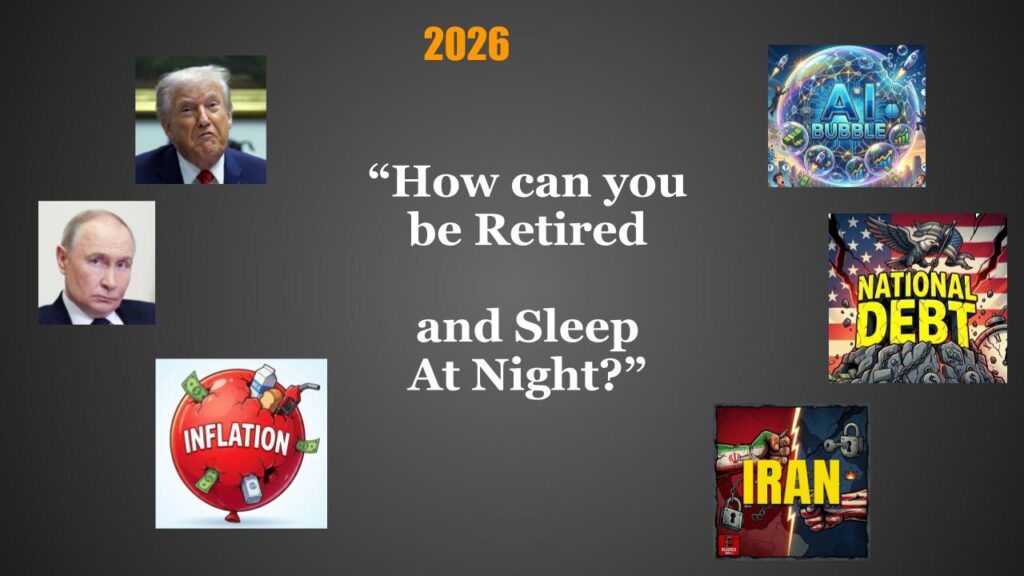
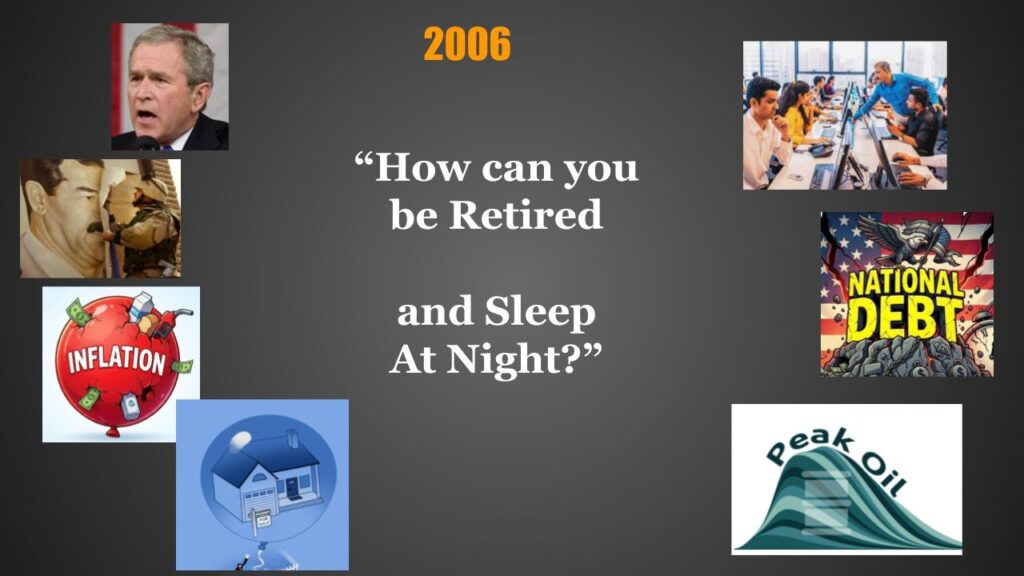
The psychological weight of modern financial anxiety often leads people to question how anyone can remain comfortable in retirement amid a barrage of global headlines. A look back two decades, however, reveals that the core anxieties of any given era remain remarkably consistent. In 2006, investors were equally consumed by geopolitical tensions, shifting leadership, ballooning national debt, inflation, and soaring real estate prices. Back then, the housing bubble sparked fears of an imminent catastrophe, while globalization and outsourcing stoked anxieties about job security. There were even widespread panics over peak oil—a resource crisis prediction that was ultimately upended by technological innovation.
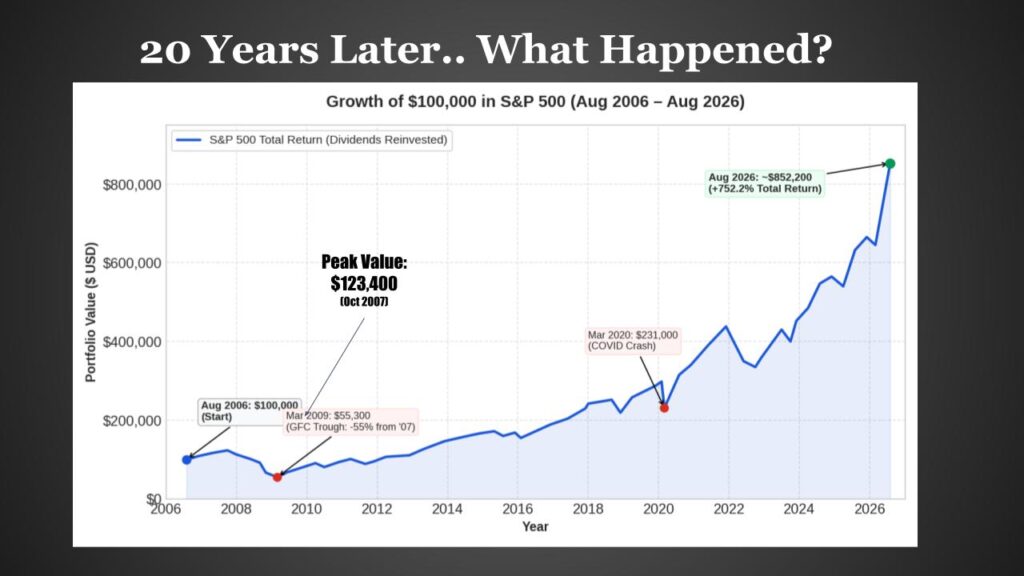
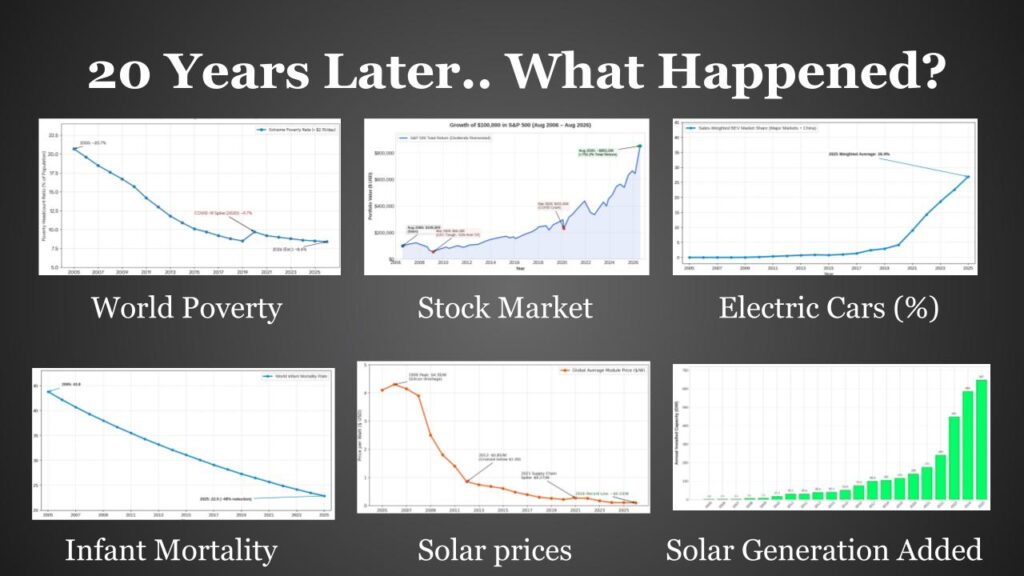
Despite the very real turbulence of the subsequent Great Financial Crisis—historically recognized as the largest market crash since the Great Depression—the long-term trajectory of the stock market has consistently rewarded patience and resilience. Historical data demonstrates that broad market indexes have historically absorbed major shocks, including the 2008 financial meltdown and the 2020 pandemic crash, to generate substantial long-term wealth for disciplined investors.
Simultaneously, global standards of living have steadily improved across numerous metrics over the same twenty-year span. Extreme poverty rates have experienced a sharp decline, infant mortality rates have been significantly reduced, and the energy sector has undergone a profound transformation. Renewable energy sources, particularly solar power, have scaled dramatically alongside the rapid adoption of electric vehicles worldwide, proving that human ingenuity routinely solves the macroeconomic crises that worry generation after generation.
Amid persistent warnings from financial media about looming market corrections, national debt ceilings, and disruptive technologies, analysts emphasize a fundamental economic truth: true prosperity stems from productivity rather than temporary fluctuations in financial systems or stock valuations. Capitalism is inherently volatile, characterized by cyclical waves of exuberance and correction. Beneath these surface-level market swings, however, real people continue to perform tangible work and pioneer genuine innovations.
Financial and economic systems are human constructs. If a market system faces a severe correction, history shows that societies adapt, restructure, and continue forward. The underlying drivers of economic growth—human productivity, technological tools, and the ongoing quest for improved standards of living—remain intact regardless of short-term market sentiment.

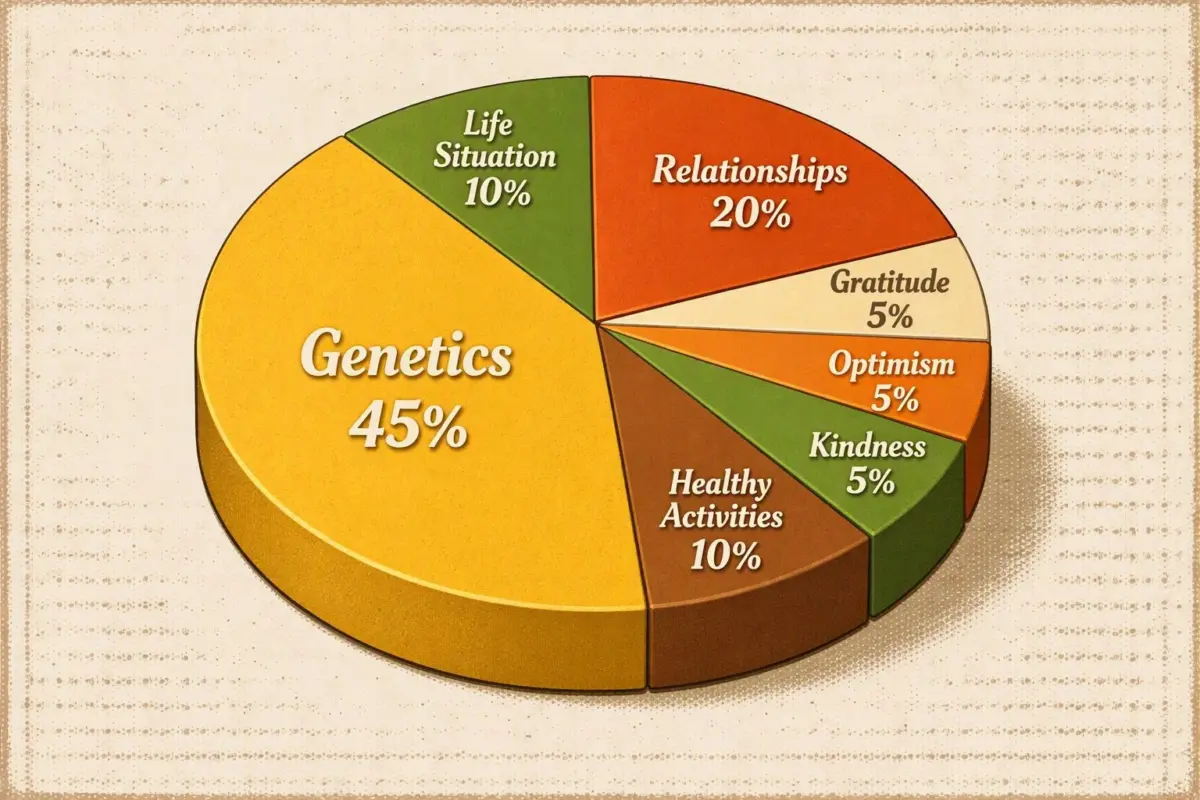
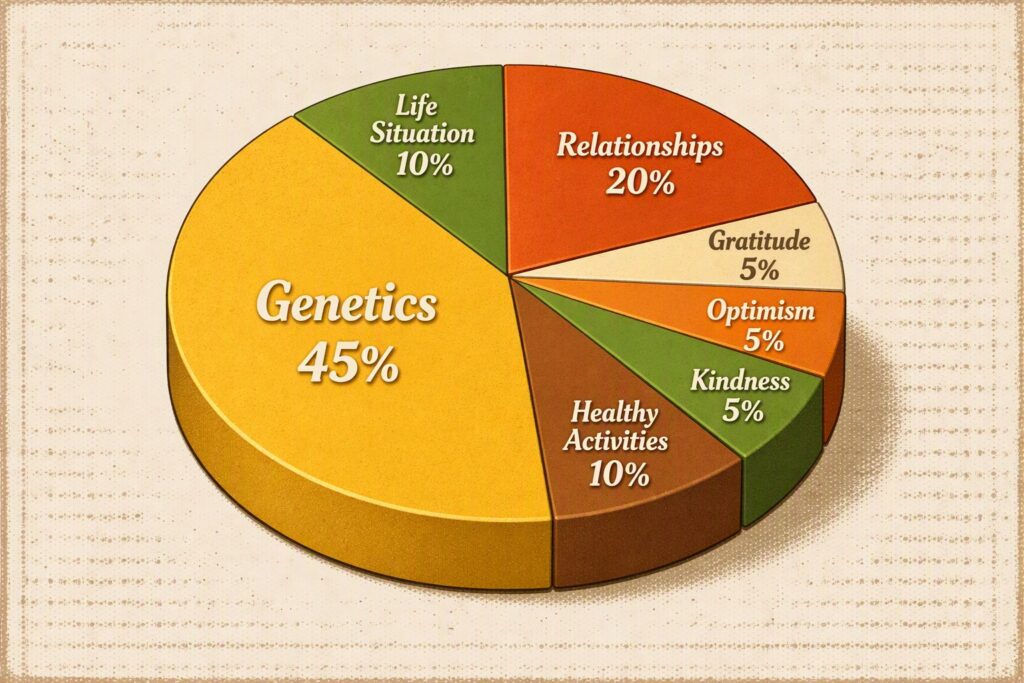
Beyond economics, human happiness and well-being are rarely dictated solely by net worth or macroeconomic stability. Psychological research suggests that once a society surpasses basic thresholds of material comfort, life satisfaction is largely influenced by non-financial factors, including genetics, interpersonal relationships, daily habits, community engagement, and personal outlook. Wealth represents only a fraction of an individual’s overall life situation.
Yet, a pervasive sense of background fear continues to affect even financially secure individuals. From an evolutionary perspective, human beings function largely as danger detection machines. Once immediate threats regarding physical survival, food scarcity, and basic safety are successfully resolved, this biological mechanism frequently pivots to new targets. Modern anxieties simply shift upward, moving from basic survival to social status, neighborhood aesthetics, complex tax strategies, and estate management.

Recognizing and mitigating this ingrained fear requires self-awareness. Financial anxieties are frequently rooted in childhood experiences, generational trauma, or inherited scarcity mentalities rather than an objective assessment of present circumstances. Examining the realistic worst-case scenarios of financial plans often reveals that theoretical catastrophes are far more manageable than emotional responses suggest. Action remains an effective antidote to fear, as direct engagement with unfamiliar challenges builds the resilience and confidence necessary to navigate uncertainty.

Conscious management of one’s information diet also plays a critical role in mental well-being. Modern news cycles rely heavily on sensationalism, routinely highlighting the most alarming developments of the day. Rather than passively consuming fear-driven narratives, focusing on tangible positive behaviors, continuous learning, physical health, and constructive problem-solving allows individuals to align more closely with natural human capabilities. Surrounding oneself with optimistic, solution-oriented communities further reinforces a constructive worldview.

Viewing major transitions through the lens of experimentation transforms potential sources of dread into objects of fascination. Whether evaluating career shifts, lifestyle changes, or broader technological revolutions, approaching uncertainty as an experiment reduces emotional friction.

The current Artificial Intelligence boom is best understood through this experimental framework. Rather than succumbing to doom-scrolling and apprehension, examining the mechanics of AI reveals its primary function: a sophisticated cognitive tool designed to amplify human efficiency. Like previous technological revolutions—including the advent of the personal computer, the internet, and mobile smartphones—AI is poised to dramatically boost productivity, leading to long-term economic prosperity while simultaneously disrupting specific job sectors and creating entirely new industries.
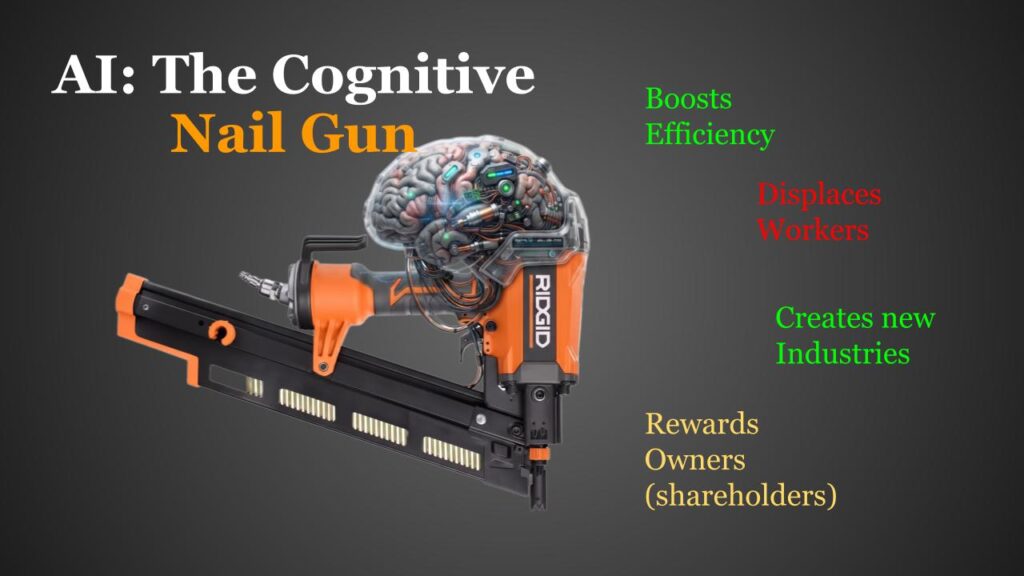
While technological shifts historically concentrate financial rewards among asset owners and shareholders, they ultimately force continuous adaptation. Artificial Intelligence, much like any other societal or economic shift, presents an opportunity for deliberate choice. Approaching the future through education, proactive problem-solving, and a clear understanding of psychological triggers empowers individuals to look past short-term volatility and embrace the continuous evolution of the modern world.