
This tension forms the core of a recent presentation and essay by prominent financial independence commentator Mr. Money Mustache, who addresses whether the current AI-driven market boom threatens long-term retirement security. Drawing parallels to past technological revolutions, including the dot-com boom of the early 2000s and the 2008 global financial crisis, the analysis offers a grounded perspective on modern economic anxiety.

Will the AI Bubble Ruin Our Retirement?
Reflecting on more than two decades of retirement, the financial commentator recalls being asked a recurring question by anxious observers: how anyone can remain comfortable and sleep at night amid constant global uncertainty. Over the years, the catalog of headline-driven fears has shifted dramatically. Two decades ago, in 2006, public anxiety centered on geopolitical conflicts in the Middle East, national debt levels, inflation, the impending housing bubble, outsourcing to emerging economies, and fears of "peak oil."

Despite those widespread concerns, the subsequent twenty years saw significant long-term growth. Even the Great Financial Crisis—the most severe market crash since the Great Depression—proved to be a temporary contraction within a broader historical upward trajectory. Long-term market data indicates that diversified investments weathered both the 2008 crash and the subsequent market shocks of the COVID-19 pandemic, continuing to generate substantial returns over time.

Beyond financial markets, global living standards advanced considerably over the same two-decade period. Global extreme poverty rates declined significantly, infant mortality rates were drastically reduced, and clean energy adoption accelerated as solar technology became vastly more affordable and electric vehicle markets expanded globally.

This historical perspective highlights a fundamental economic principle: true prosperity is rooted in productivity rather than the fluctuating numerical values displayed on financial exchange screens. Capitalism is inherently volatile, but the underlying engine of economic growth relies on human innovation, labor, and real-world inventions. Financial systems and stock market indexes are human constructs that can adapt, evolve, and rebuild even after severe disruptions.

Understanding the Psychology of Fear
The persistence of financial anxiety, despite historical evidence of recovery and growth, points to a deeper psychological phenomenon. Human beings have evolved as sophisticated danger-detection machines. While this evolutionary trait successfully protected early humans from immediate physical threats, modern society has largely eliminated those primary dangers, leaving the human mind to continuously seek out new targets for worry.

This psychological cycle often manifests as moving goalposts. Once basic survival needs and financial stability are secured, anxiety frequently shifts toward abstract concerns, such as tax strategies, estate planning, or compliance with government regulations like Required Minimum Distributions for accumulated retirement accounts.

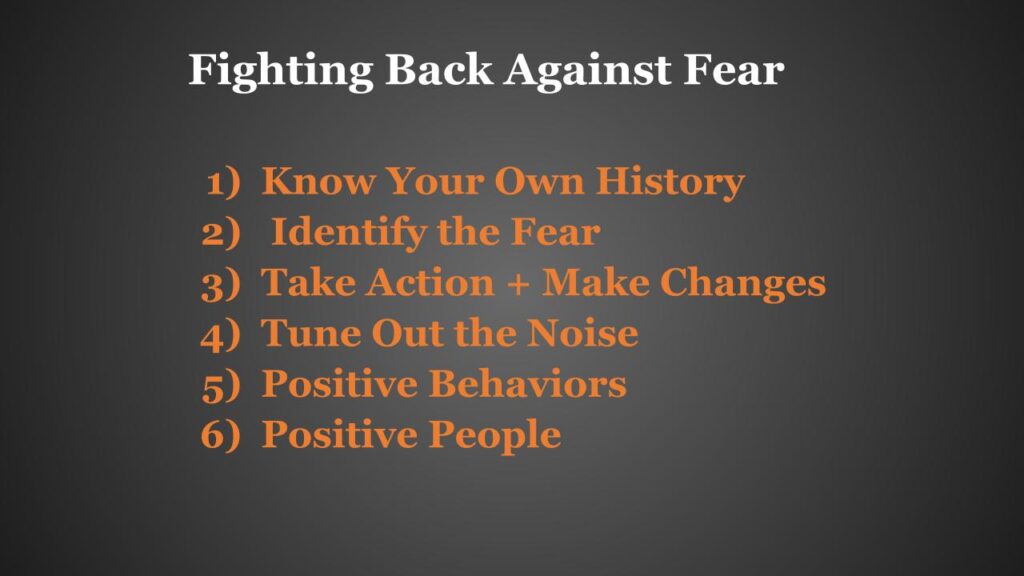
Combatting this pervasive background fear requires self-awareness and rational evaluation. Examining personal history—such as childhood experiences with financial scarcity or past trauma—can clarify why certain fears persist independently of current objective realities. Breaking down worst-case scenarios often reveals that perceived financial catastrophes are far less devastating than feared. Furthermore, taking concrete actions helps transform the unfamiliar into the manageable, fostering resilience and confidence.
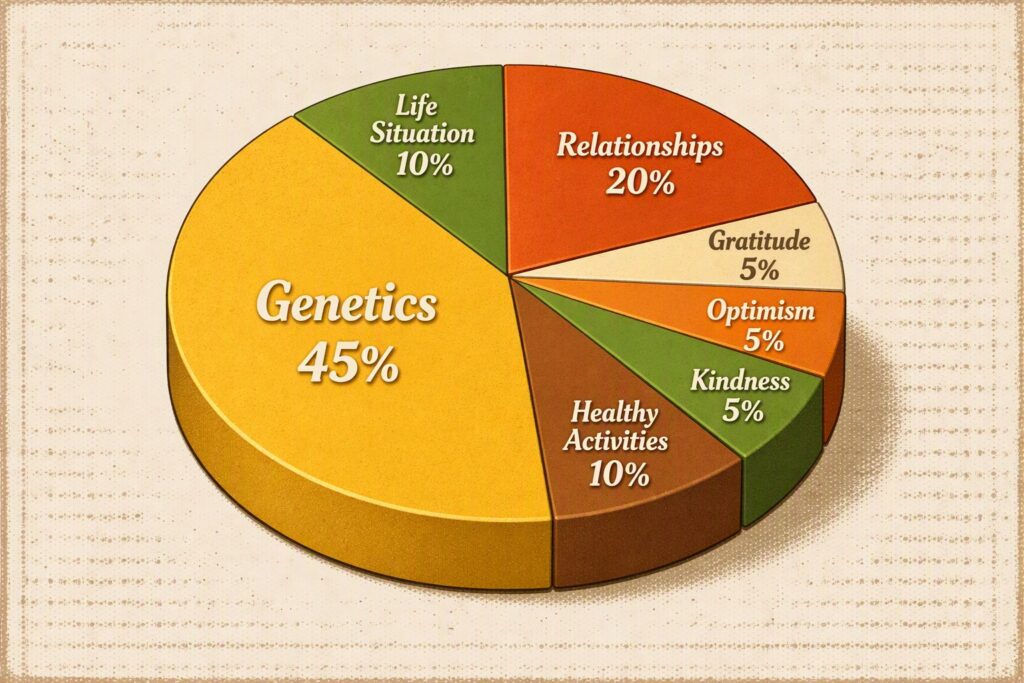
For individuals overwhelmed by macroeconomic anxiety, reducing exposure to sensationalized daily news cycles can significantly improve mental well-being. Focusing instead on positive behaviors, physical health, outdoor activity, and constructive problem-solving aligns more closely with human evolutionary needs. Surrounding oneself with optimistic, forward-thinking peers within communities focused on financial independence further reinforces a constructive mindset.

Viewing Technological Shifts as Experiments
This philosophy of resilience and adaptability extends directly to contemporary developments in Artificial Intelligence. Rather than viewing emerging technology through a lens of fear and sensationalized headlines, observers are encouraged to adopt an experimental mindset, treating systemic shifts as opportunities for learning and adjustment.
AI can be understood as a sophisticated cognitive tool designed to enhance efficiency and productivity. Much like previous technological revolutions—such as the internet and mobile computing—advancements in AI will inevitably displace certain entry-level administrative and operational roles while simultaneously lowering service costs and catalyzing entirely new industries.

While the economic gains from such technologies often concentrate among capital owners and shareholders, the broader impact reflects a continuation of historical productivity trends. Ultimately, navigating market bubbles and technological transitions depends less on predicting unpredictable economic outcomes and more on managing personal responses to uncertainty, fostering resilience, and pursuing a balanced, intentional life.