
For long-term investors and those who have achieved financial independence, the current discourse surrounding the AI boom feels remarkably familiar. The parallels to past technological shifts have sparked widespread discussions within the financial community. Drawing on decades of market history, financial commentators and long-term retirees are actively addressing these anxieties through public speaking engagements, such as recent presentations at Camp FI Midwest and upcoming discussions at the Bogleheads conference. The core question remains pressing: Will the current AI bubble derail retirement plans, or is this simply another wave of innovation in a historically resilient economic system?

Looking Back at Two Decades of Market Worries
Examining past economic panics offers valuable perspective on modern fears. Reflecting on financial sentiment from twenty years ago reveals an uncanny resemblance to today’s anxieties. In 2006, market participants were deeply concerned about rising national debt, persistent inflation, geopolitical conflicts in the Middle East, and overvalued real estate prices forming a dangerous housing bubble. Concerns over globalization and job outsourcing to emerging economies like India and China mirrored today’s fears regarding artificial intelligence displacing traditional white-collar employment. Furthermore, widespread debates over "peak oil" suggested that fossil fuel consumption would inevitably outstrip supply and cripple global growth.

Despite these heavy concerns, the subsequent two decades witnessed staggering economic and technological transformations. While the Great Financial Crisis delivered the most severe market downturn since the Great Depression, long-term investors who maintained their strategies saw their portfolios recover and multiply significantly over the long haul. A $100,000 investment made during those turbulent years would have grown substantially by modern standards, weathering both the 2008 collapse and the 2020 pandemic-induced crash.

Beyond the financial markets, global living standards made historic strides over the same twenty-year period. Extreme poverty rates dropped significantly worldwide, and infant mortality rates were cut in half. Meanwhile, renewable energy transitioned from a niche concept into a dominant market force, with solar energy production costs plummeting and electric vehicle adoption surging across the globe. These developments demonstrate that historical fears of systemic doom frequently overlook the relentless adaptability and problem-solving capacity of human society.

Productivity, Prosperity, and Human Happiness
Financial media thrives on sensational narratives, frequently warning of impending economic catastrophes driven by national debt or technological disruption. However, these pessimistic outlooks often miss a fundamental economic truth: true societal prosperity originates from productivity rather than temporary financial metrics or stock market indices.

The underlying mechanisms of capitalism are inherently volatile, characterized by cyclical booms and busts. Beneath the fluctuating waves of the financial system, however, real people continue to perform meaningful work, develop practical inventions, and drive technological progress. Economic systems and financial markets are fundamentally human constructs. If a system experiences a severe correction, history shows that societies possess the institutional flexibility to restructure financial numbers and resume productive activity.

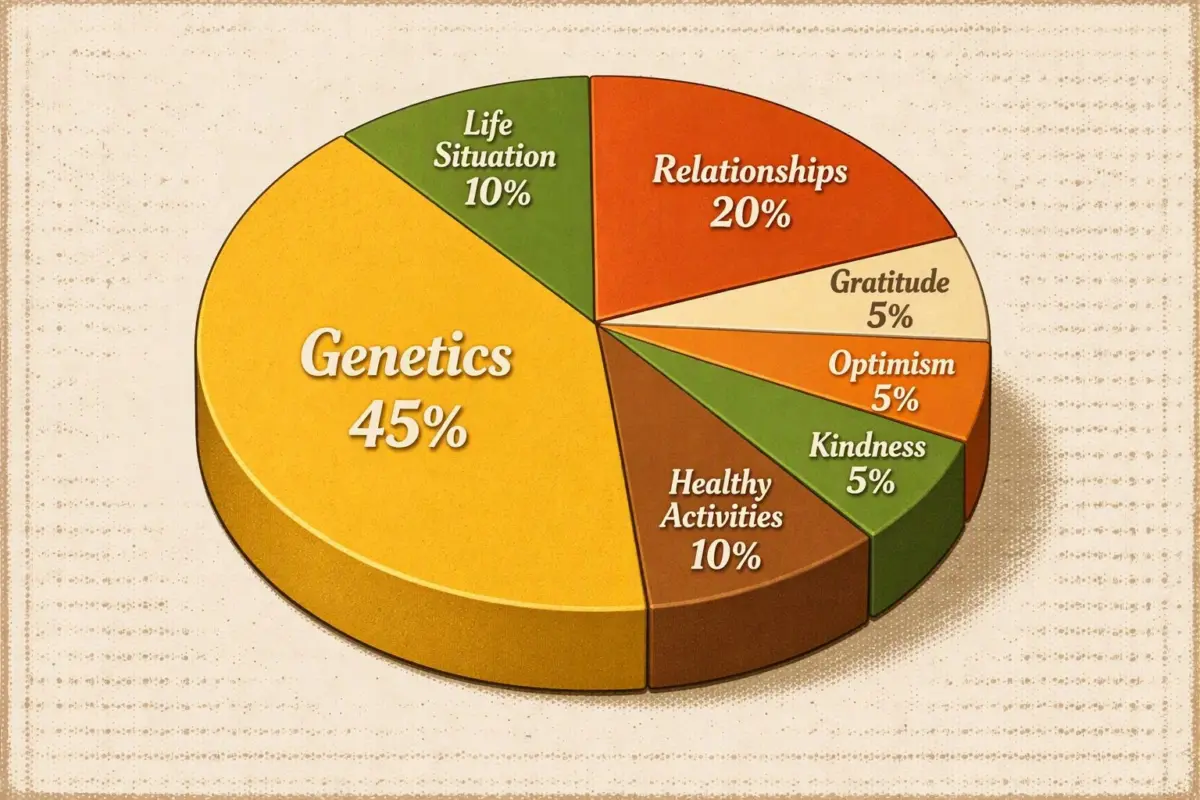
Standard of living and economic growth are inextricably linked to productivity enhancements. Yet, once a society achieves a baseline level of material wealth, further increases in financial capital yield diminishing returns regarding overall human happiness. Psychological research and non-scientific happiness metrics consistently indicate that material wealth represents only a fraction of personal well-being. Genetic predispositions, strong social connections, acts of kindness, optimistic philosophies, and healthy outdoor activities play a far more substantial role in determining an individual’s overall quality of life.

Understanding and Overcoming Financial Fear
Despite the statistical resilience of long-term investments, background anxiety remains prevalent even among financially secure individuals. Human beings evolved as sophisticated threat-detection organisms, a trait critical for ancestral survival against predators and scarcity. However, modern environments lack these immediate physical dangers, causing the human brain to redirect its vigilance toward abstract threats, such as market volatility, political instability, tax strategies, or future scarcity.
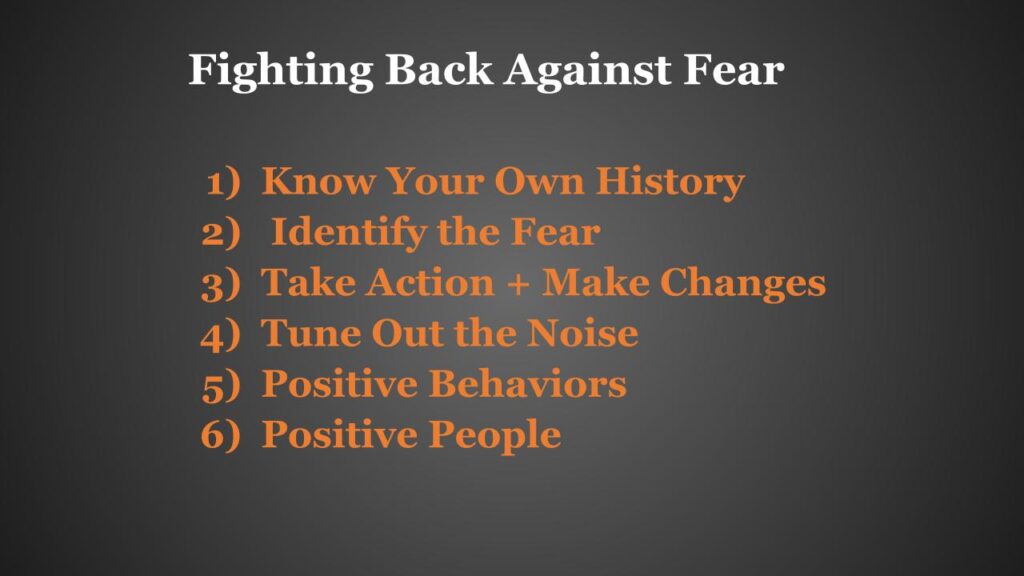
This evolutionary mismatch means that as soon as tangible threats are resolved, the mind frequently seeks new worries, moving the goalposts from basic survival to social status, portfolio performance, and complex tax planning. Recognizing the psychological roots of these fears is the first step toward mitigating them. Personal histories, childhood experiences with scarcity, and past traumas frequently manifest as persistent financial anxieties in adulthood, distorting an individual’s perception of present-day reality.

Confronting these fears requires shifting from passive worry to deliberate action. Evaluating worst-case scenarios objectively often reveals that catastrophic financial collapse is statistically improbable for those who have built a solid foundation of savings and investments. Proactive behavior transforms the unfamiliar into the familiar, fostering personal resilience and the adaptability needed to navigate changing circumstances. Furthermore, curating one’s mental diet by minimizing exposure to sensationalized news media and surrounding oneself with optimistic, productive peers can significantly improve mental well-being.
The AI Era as a Technological Experiment
Applying an experimental mindset to major life changes—whether relocating, changing careers, or entering retirement—can reframe uncertainty as an opportunity rather than a threat. This perspective is particularly relevant when evaluating the rapid rise of artificial intelligence. Rather than succumbing to doom-scrolling and fear-mongering headlines, understanding the underlying utility of AI provides a clearer view of its economic impact.

Artificial Intelligence functions fundamentally as a powerful cognitive tool designed to enhance efficiency and output. Much like the invention of the internet or mobile technology, AI will undoubtedly transform the labor market, displacing certain entry-level administrative and technical roles while simultaneously lowering service costs and catalyzing entirely new industries. While the economic rewards of such technological leaps often concentrate among asset owners and shareholders, the broader economy benefits from the resulting surge in productivity.

Ultimately, technological revolutions and market fluctuations present recurring choices. By recognizing fear as an internal emotional response rather than an objective reflection of external reality, individuals can approach the future with rational optimism. True personal and financial fulfillment often lies directly on the other side of uncertainty, waiting for those willing to engage with the world through action, learning, and resilience.