
Powell’s perspective is shaped by decades of consumer culture and personal transition. Following her early retirement in the summer of 2020 after a 30-year career with Nordstrom, she found herself spending extended time at home, taking a hard look at the belongings she had tucked away in hidden storage spots, cabinets, and corners over the decades. Having spent her younger years busy raising children and accumulating items out of necessity, she realized she was effectively buried under her own belongings by the time she reached midlife. Making hard choices about what to discard required navigating complex emotional hurdles, particularly when it came to sentimental items.

Among her own epiphanies was the realization that items she had intentionally saved decades ago no longer carried the same meaning for her present self. Exhibits from her past, such as high school English papers that she had lugged from move to move, ultimately ended up in the trash after she realized she never actually reread them. While Powell’s book is thoughtfully tailored to individuals navigating major life transitions like empty nesting, her core philosophy on editing offers a refreshing roadmap for anyone feeling overwhelmed by the physical weight of their possessions.
One of the most persistent mental blocks people face when attempting to declutter is the heavy burden of guilt and shame associated with discarding items. This psychological barrier often stems from the fact that an object is technically still functional, or that hard-earned money was spent acquiring it in the first place. Powell notes that this reluctance manifests in countless ways throughout a home, such as holding onto a child’s booster seat "just in case" visitors drop by, or keeping a specialized face serum that went unused a decade ago simply because parting with it feels like a waste.
Overcoming this barrier requires a fundamental shift in perspective. According to Powell, the true waste is not letting go of an unused item, but rather keeping it locked away in a home where it serves no purpose for anyone. Viewing decluttering as a necessary reset helps individuals work through environmental guilt and fundamentally alters their consumption habits moving forward. Once people experience the process of shedding excess, they tend to become much more mindful about what they bring into their living spaces and how they intend to manage its eventual disposal.

Another common stumbling block in the decluttering process is the logistical friction of getting rid of items once they have been gathered. Many people can successfully weed out ill-fitting clothing or redundant household goods, only to stall out when it comes to transporting those items to a proper donation center. Powell advises solving this issue proactively by researching community donation options before ever building a clutter heap. Knowing what specific categories of items an organization accepts, along with their operating hours and drop-off protocols, removes the friction that usually derails good intentions.
Logistics also extend to the physical vessels used during a cleanout. Powell champions the humble cardboard box as the ultimate tool for donation drop-offs, noting that boxes are significantly easier to load and unload from a vehicle than flimsy plastic bags. Furthermore, open-top boxes are visually and physically distinct from household trash, making individuals far more likely to actually transport donations rather than letting them languish in a closet or hallway. Her practical advice includes saving and reusing shipping boxes or sourcing free alternatives from local businesses.
When a decluttering project demands speed and efficiency, Powell recommends a technique she calls inside-out editing. This method involves gathering all similar items together—such as a collection of undergarments—and immediately pulling out the pieces that represent top priorities, such as items that fit properly and see regular use. Once those cherished items are safely separated, the remaining mass can be addressed without getting bogged down in microscopic scrutiny of every single object.

To prevent overwhelm, Powell advises starting in areas completely devoid of sentimental value, such as a medicine cabinet. Sifting through everyday utilitarian items allows a person to build confidence and momentum before attempting to sort through emotionally charged possessions, such as family vacation souvenirs or childhood memorabilia. Having predetermined decision filters in place before sorting also helps mitigate decision fatigue. For tricky categories like old greeting cards, establishing a strict rule—such as retaining only those with personalized inscriptions or limiting the total collection to a fixed number—keeps the process moving forward.
Paper clutter requires an entirely different framework, and Powell’s categorization system offers a straightforward way to manage household archives. She divides paper documents into three distinct categories: originals to keep permanently, items to digitize before discarding the physical copy, and documents destined immediately for the shredder. Vital records such as birth certificates, marriage licenses, wills, trusts, powers of attorney, healthcare proxies, and loan payoff documents belong firmly in the permanent original file. Meanwhile, tax returns from the past four years, property tax records, lease agreements, retirement summaries, and large home improvement receipts can be safely scanned and digitized. Routine bills, recurring financial statements, appliance manuals, printed emails, and medical explanation of benefits forms should be shredded without hesitation.
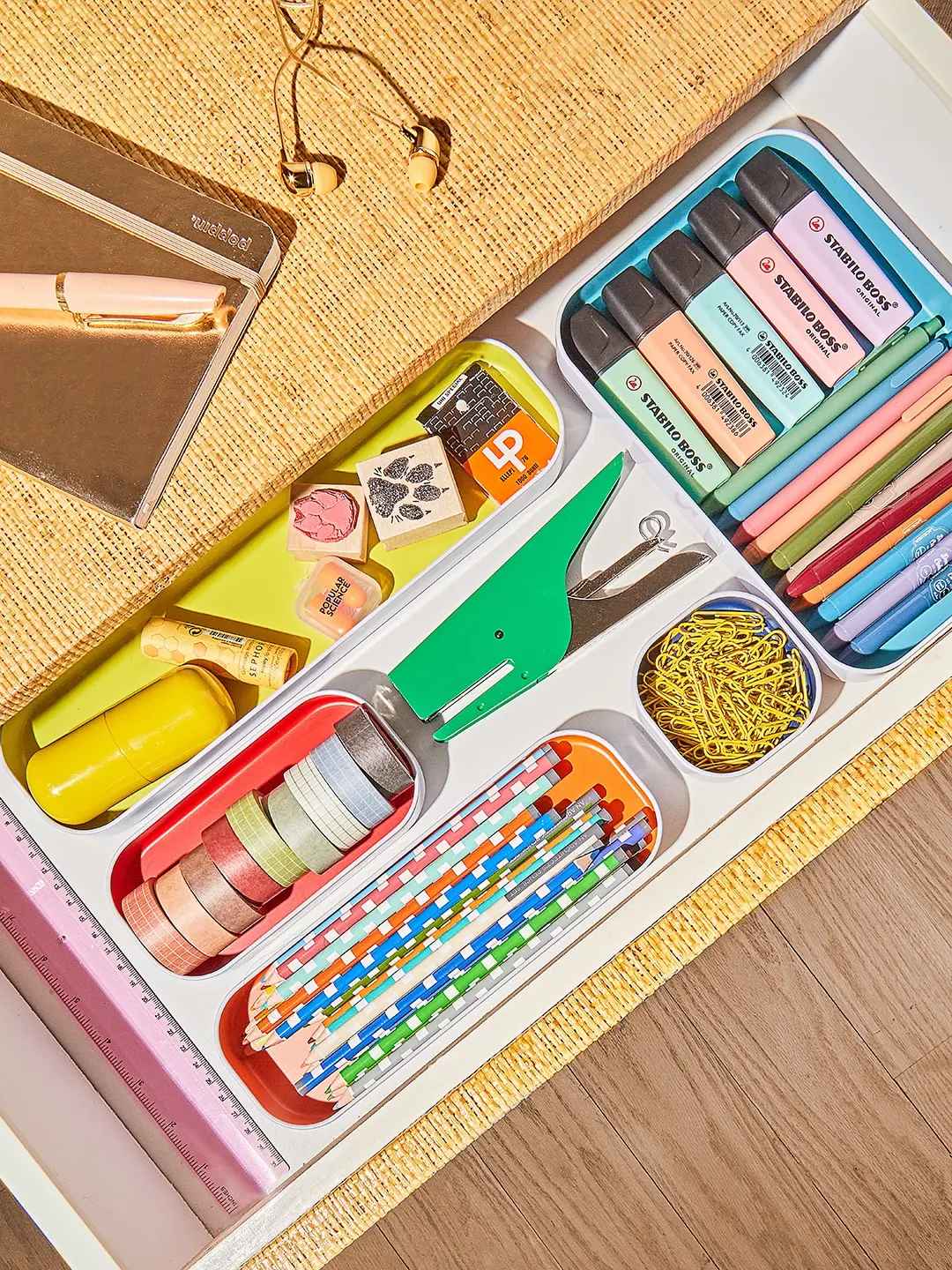
When it comes to organizing the items that ultimately make the cut, Powell cautions against overcomplicating the project with excessive products. While she does utilize organizing tools where appropriate, she emphasizes that they should serve a genuine functional purpose rather than acting as a Band-Aid for an unmanaged volume of goods. Clear bins are ideal for garages and basements where visibility is paramount, and a simple lazy Susan can transform a crowded refrigerator, but elaborate labeling systems are usually unnecessary unless specific family members struggle to find things.
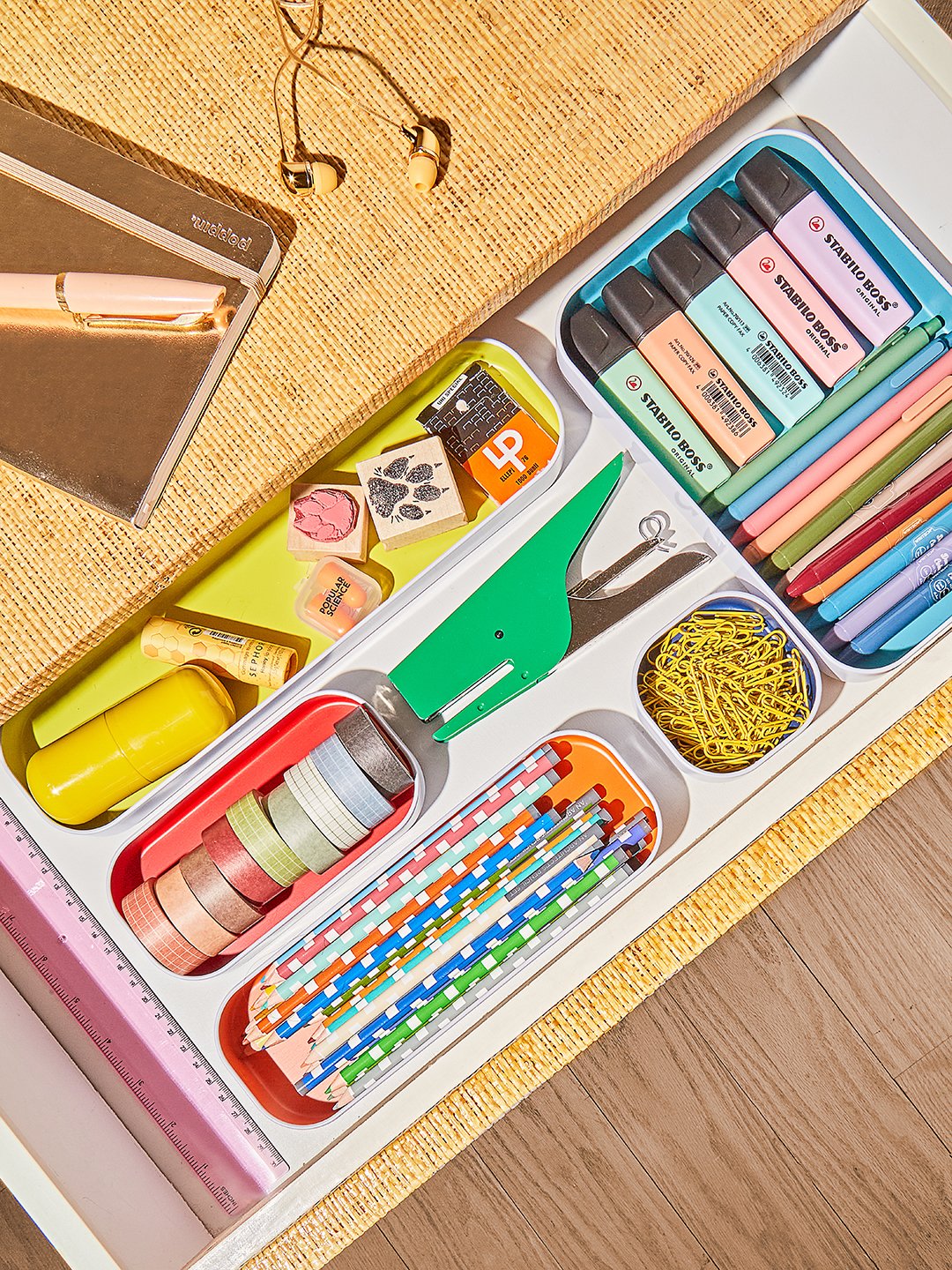
Ultimately, Powell’s guiding philosophy centers on accessibility and intentionality. By keeping the items used most frequently in the most accessible spots throughout the home, daily routines become smoother and more efficient. Implementing small changes, such as placing utility scissors in multiple strategic zones around the house rather than keeping them confined to a single distant drawer, demonstrates how thoughtful organization directly reduces everyday friction. Through The Midlife Edit, Powell provides a timely reminder that clearing out the old is not just about tidying rooms, but about consciously making physical and mental space for what comes next.