The debate recently resurfaced when a reader left a pointed critique on a prominent early retirement platform, arguing that the foundational advice of the movement no longer applies to today’s reality. According to the commenter, the pioneers of the FIRE movement largely benefited from lucrative tech careers two decades ago and were able to snap up homes for a fraction of today’s prices before the market surged in 2019.
The critique highlights a growing sentiment among younger aspiring retirees who feel that standard strategies like "house hacking" or purchasing fixer-uppers have become unattainable due to soaring property values, high interest rates, and restrictive local zoning laws. For many individuals who entered the workforce later or outside of high-paying sectors, the dream of homeownership and early retirement feels increasingly out of reach.

In evaluating these criticisms, financial commentators often look to separate genuine structural shifts in the economy from routine resistance to lifestyle optimization. Over the decades, the early retirement movement has weathered numerous economic cycles, shifts in stock market valuations, and changing interest rate environments. However, the current economic climate presents distinct challenges centered primarily on two factors: the concentration of high salaries in specific industries and the dramatic escalation of housing costs over the past four years.
While compensation in fields like software engineering and medicine remains robust, proponents of the philosophy argue that high income alone has never been the sole driver of financial independence. Financial stress is frequently observed even among high earners who have maintained six-figure salaries for decades. Economically speaking, earning a substantial income for nearly 30 years mathematically necessitates a significant accumulation of wealth unless spending scales proportionally with earnings.
Consequently, the core of early retirement strategies relies less on maximizing raw income and more on streamlining expenditures, eliminating waste, and aligning spending with personal values. These core competencies remain universally applicable, serving as critical tools regardless of an individual’s position on the income ladder.
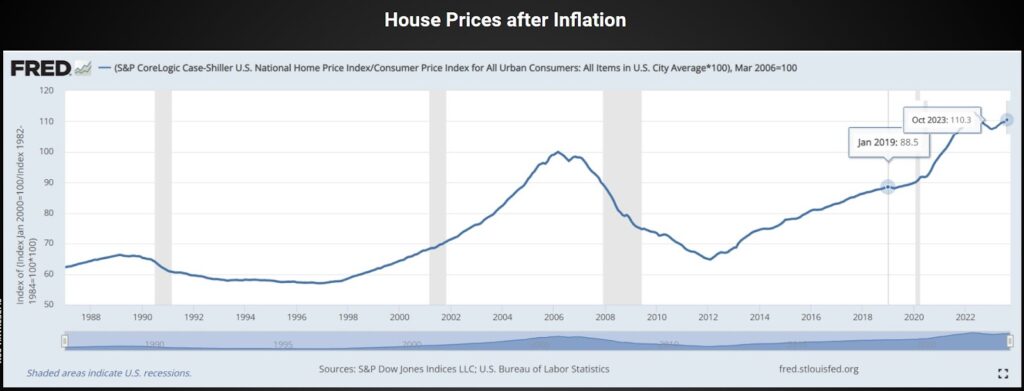
The more pressing concern for modern participants is the state of the housing market. Data from the Federal Reserve Bank of St. Louis indicates that U.S. housing prices, when adjusted for inflation, are roughly 25% higher relative to average salaries and general consumer goods compared to the start of 2019. Interestingly, when viewed over a longer horizon, inflation-adjusted home prices sit only about 10% higher than their previous peak in early 2006, marking a stretch of nearly two decades. While this represents a notable hurdle, historical data suggests it is not an insurmountable barrier to financial independence.
Nevertheless, nationwide averages often obscure stark regional disparities. In popular metropolitan areas and growing secondary cities, housing costs have outpaced average wage growth by wide margins, pricing many local residents out of the market entirely. Rather than viewing real estate through the lens of external economic forces beyond personal control, financial strategists suggest approaching housing as a flexible consumer product subject to broader geographic and market forces.
A central tenet of modern financial independence advocacy is challenging the assumption that individuals are tethered indefinitely to their hometowns or specific high-cost regions. Just as geographical proximity to major employment hubs does not guarantee perpetual luxury goods, living in a historically familiar city does not guarantee housing affordability. Evaluating living arrangements requires a systematic comparison of renting, buying, or alternative housing models, while remaining open to the reality that vibrant, affordable communities exist in a wide variety of regions and countries.
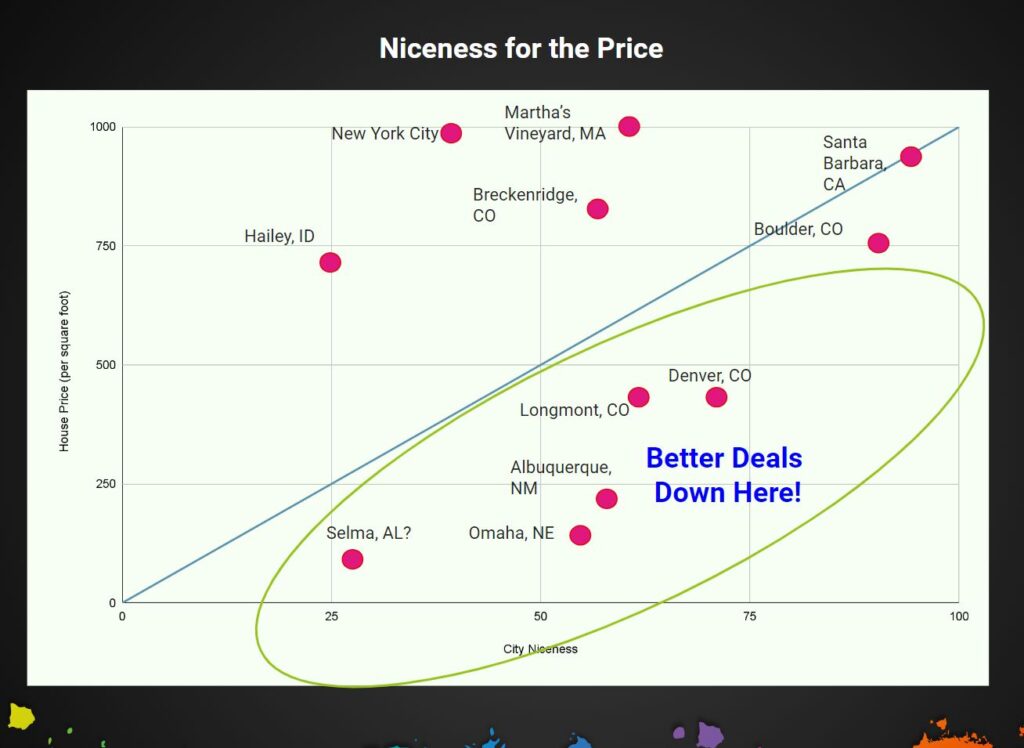
Relocation, however, frequently encounters psychological resistance. Deep personal ties, family connections, and comfort zones often make the prospect of moving difficult to contemplate. Yet, financial analysts emphasize that an uncritical acceptance of high local living costs is often what perpetuates financial strain. Across the country, a distinct mismatch exists between local amenities and housing costs, with some regions maintaining exorbitant price tags while others offer comparable or superior quality of life at a fraction of the expense.
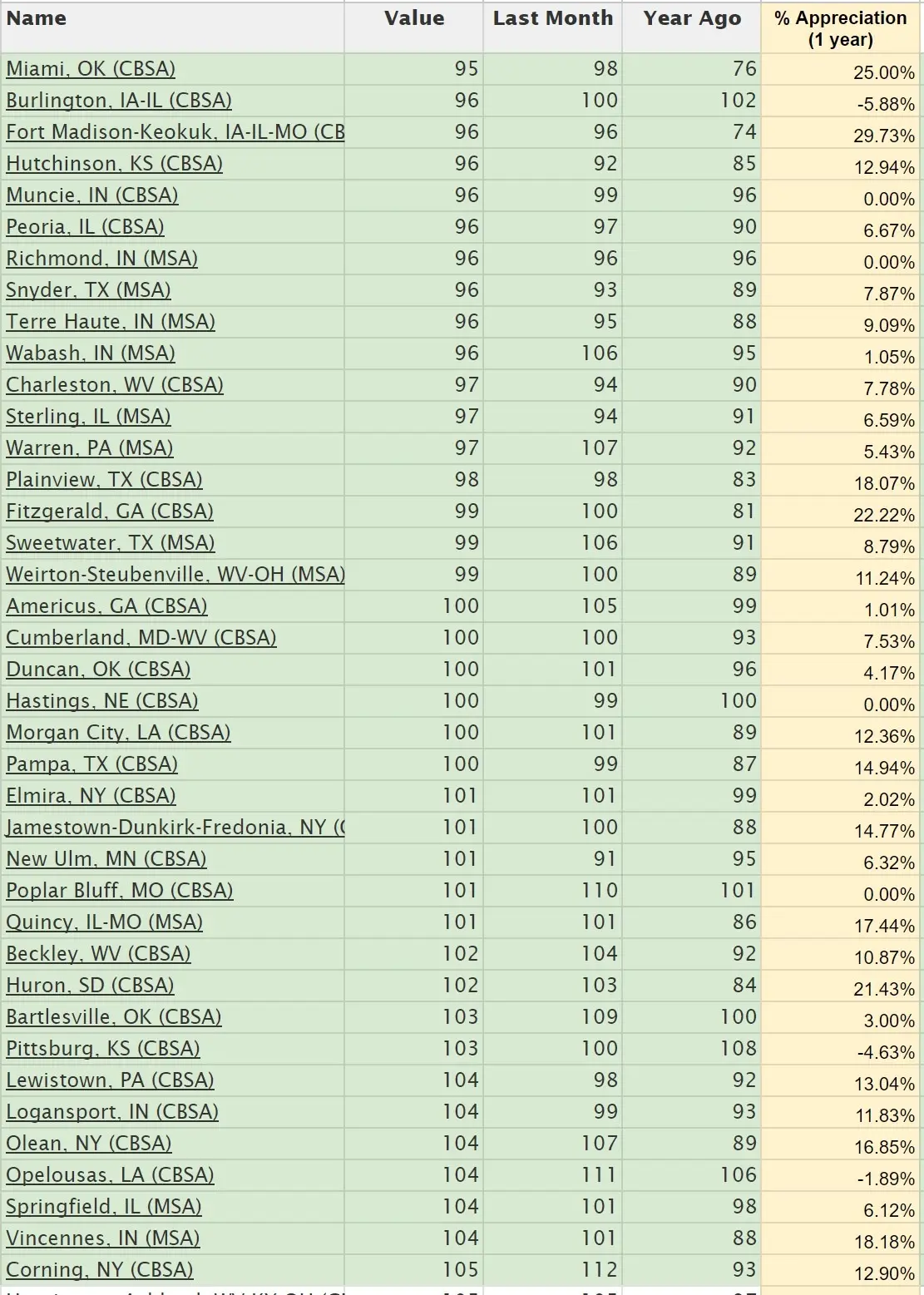
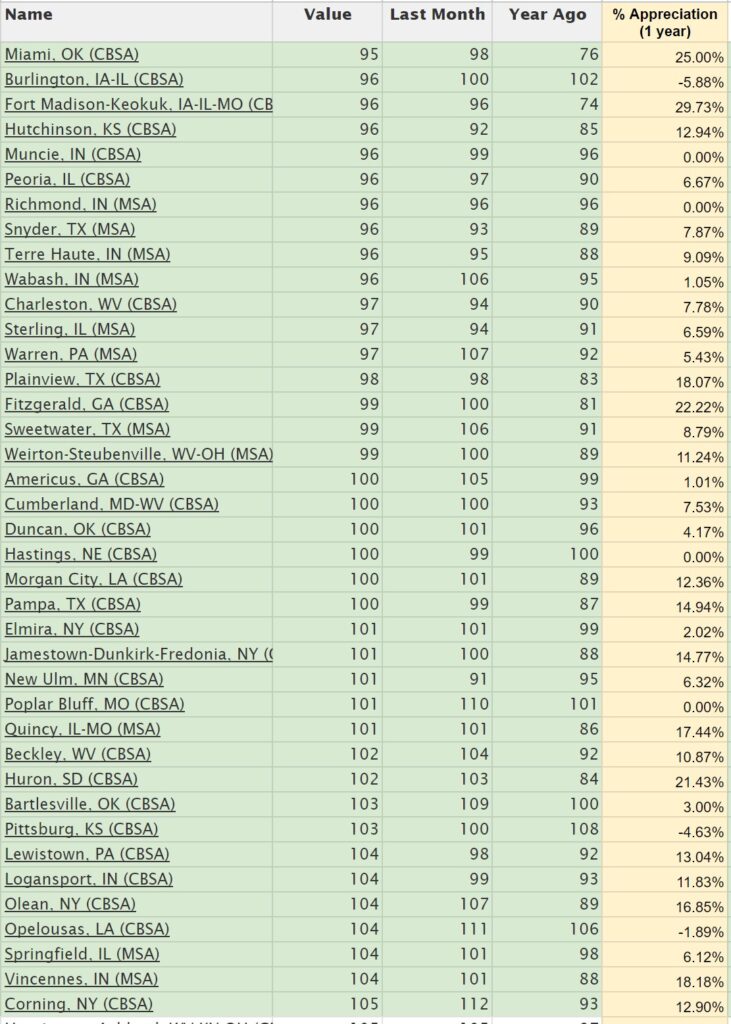
Data tracking median price-per-square-foot metrics across hundreds of metropolitan areas reveals a wide spectrum of affordability. While cities like Denver or Boulder command premium prices reflecting high demand and specific geographic appeal, other regional hubs and secondary markets offer significantly lower acquisition costs for residential property. Utilizing economic databases and regional cost calculators allows individuals to identify regions where housing aligns more favorably with overall income levels.
Beyond domestic relocation, a growing contingent of the early retirement community looks toward international living as a viable strategy to bypass inflated domestic real estate markets. Specialized platforms designed for cost-of-living comparisons allow prospective retirees to evaluate regions across North America, South America, and beyond based on customized budgetary parameters, climate preferences, and population density.
Moving internationally or even interstate undeniably introduces logistical challenges, including navigating new legal frameworks, administrative paperwork, and cultural adjustments. Yet proponents argue that these hurdles are merely manageable procedural tasks rather than permanent roadblocks. The effort required to research and execute a major relocation pales in comparison to the long-term financial burden of working an additional decade or more solely to sustain a high cost of living in an unaffordable region.
Ultimately, the evolving discourse around financial independence underscores that physical environment—encompassing community, access to nature, climate, and lifestyle—remains a critical determinant of personal well-being. While housing costs represent a significant component of the equation, they operate as a variable subject to personal choice and strategic planning. By critically evaluating geographic options and challenging conventional assumptions about where and how to live, individuals retain the agency to shape their financial futures in an evolving economic landscape.