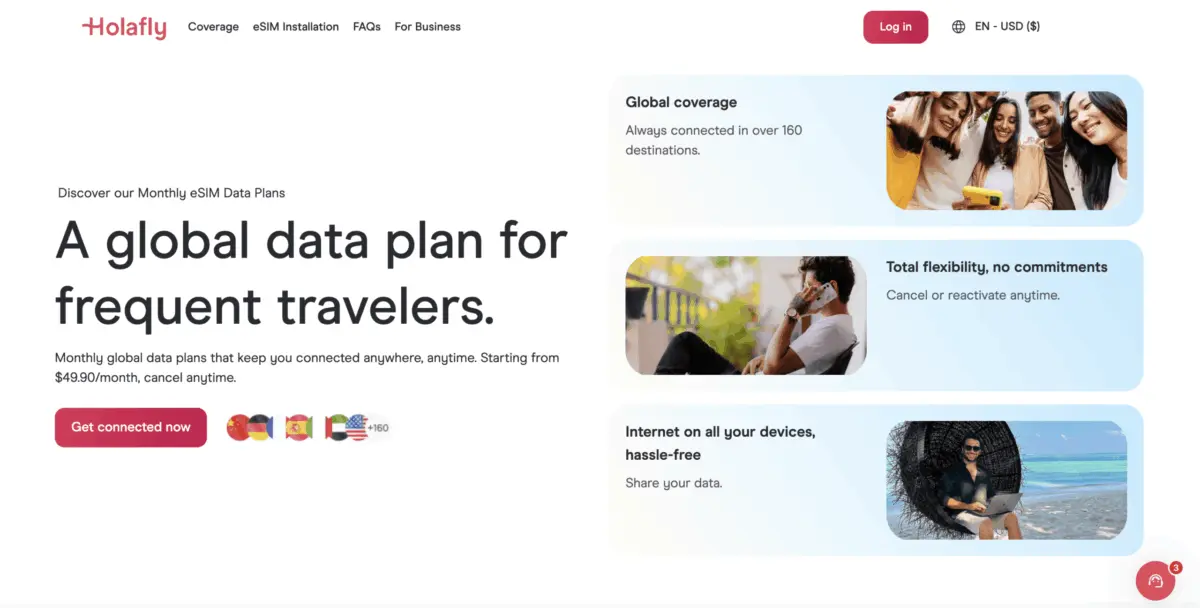
The launch introduces a continuous subscription model to the company’s existing lineup of destination-specific digital SIMs. Traditional digital SIM cards, which are embedded directly into modern smartphone hardware without requiring a physical card, are typically purchased as one-off packages for individual countries or short-term trips. By contrast, the newly introduced plans function similarly to a conventional mobile carrier subscription, automatically reconnecting users to local networks upon arrival in a new country under a single ongoing billing cycle.
The service is available in monthly, quarterly, and annual billing terms, with tiered options designed to accommodate varying usage habits. The Unlimited Plan features unmetered data usage along with an unrestricted personal hotspot capability, allowing subscribers to tether laptops and other devices while on the move. Additionally, this top tier includes a local phone number originating from the United States, the United Kingdom, or Canada, providing users with the ability to receive standard SMS text messages globally.

For travelers with more moderate data needs, the company offers a Light Plan, which provides a monthly data allowance of 25 gigabytes while retaining hotspot functionality and the same expansive coverage across more than 160 countries. Both plan tiers include the company’s "Always On" feature, an ongoing backup provision that supplies one gigabyte of complimentary emergency data each month. This backup allocation remains active indefinitely, even if the user eventually cancels their primary subscription.
Pricing structures for the global subscription vary depending on the chosen billing cycle and regional currency. However, introductory rates for the unlimited tier are positioned significantly below standard international roaming packages offered by major domestic carriers in markets like the United States, where comparable overseas data options frequently exceed one hundred dollars per month. Quarterly commitments offer a savings of approximately ten percent, while annual subscriptions reduce overall costs by roughly fifteen percent.
Classic eSIMs Versus Global Plans
The introduction of the ongoing subscription model creates a clear distinction between casual vacationers and long-term location-independent professionals within the travel market. For travelers taking a single, designated trip—such as a two-week holiday to a specific country—traditional destination-specific digital SIMs remain the more practical and cost-effective approach. These one-off purchases cover more than 200 individual destinations and allow users to pay exclusively for the exact duration of their specific itinerary.
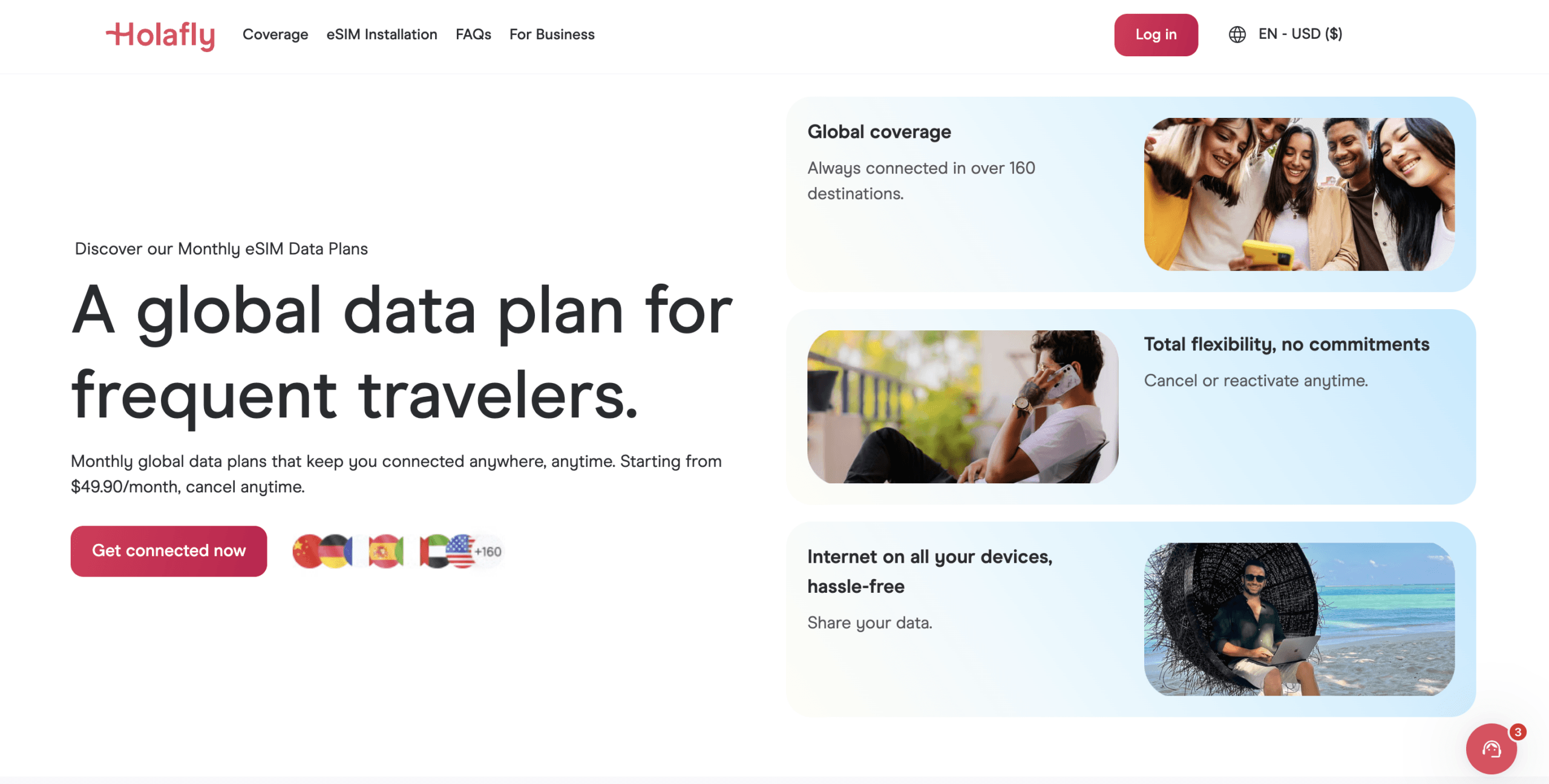
However, for digital nomads and frequent flyers who spend the majority of the year outside their home countries and transition between multiple nations within a single month, standing global subscriptions present a more streamlined alternative. Instead of managing multiple regional purchases, tracking varying expiration dates, or encountering connectivity interruptions at international borders, subscribers maintain a single ongoing connection, phone number, and monthly bill.
Industry comparisons highlight the financial and logistical differences between these approaches. Major domestic carriers often charge substantial daily roaming fees or impose strict high-speed data caps before throttling connection speeds, leading to high monthly expenditures for travelers abroad. Local physical SIM cards purchased upon arrival also present logistical friction, requiring physical installation, local currency transactions, and frequent configuration changes at every border crossing. The new multi-destination plans aim to mitigate these challenges by offering continuous, automated global coverage without the traditional administrative burdens associated with international travel.
Market Positioning and Future Outlook
The release of Holafly Plans reflects a broader shift within the telecommunications sector toward software-based global connectivity solutions. As smartphone manufacturers increasingly phase out physical SIM trays in favor of internal digital hardware, travelers are rapidly adopting app-based activation methods that allow multiple carrier profiles to be stored simultaneously on a single device.
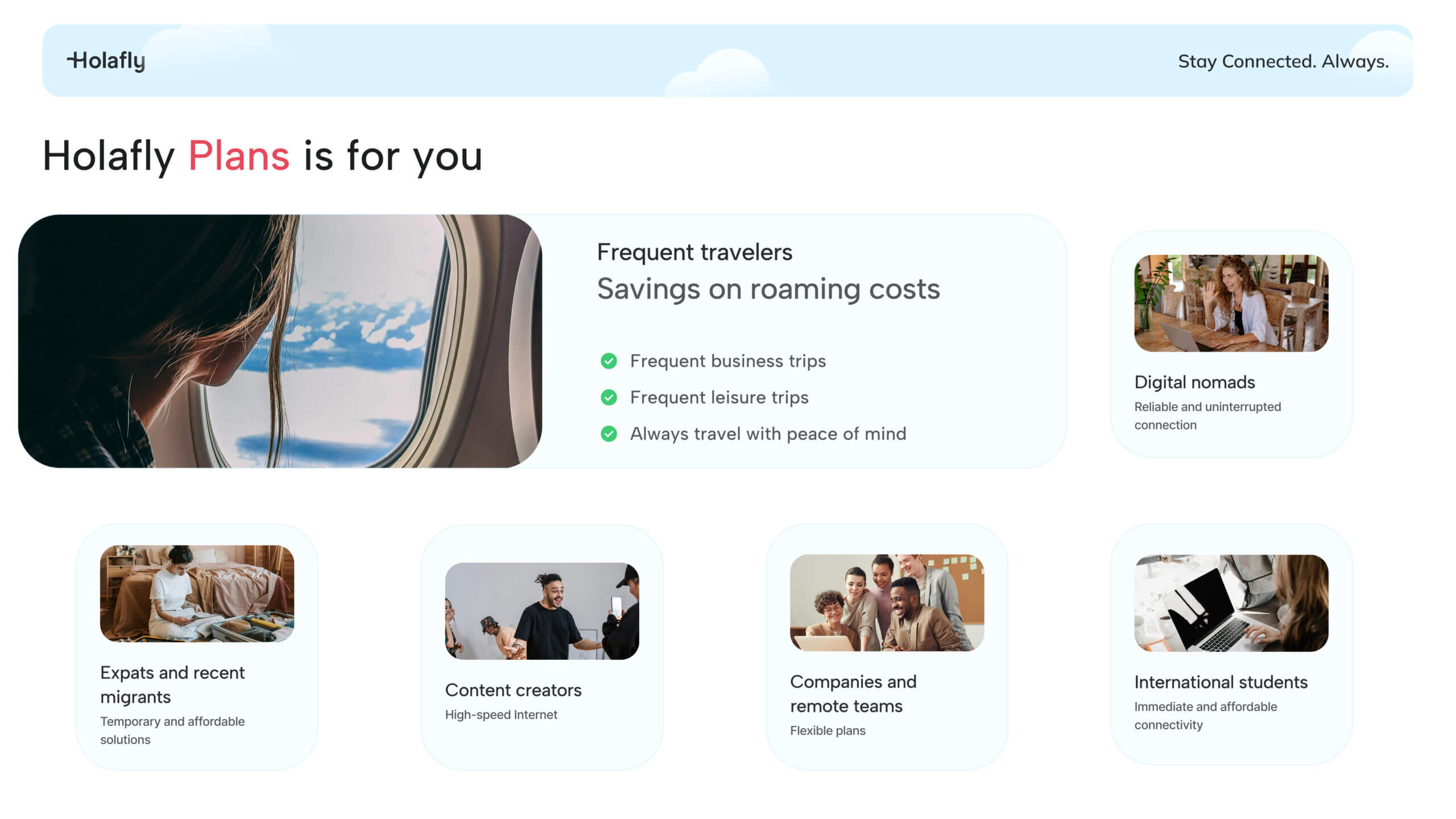
While the new global subscription model is tailored specifically for individuals who travel continuously or maintain nomadic lifestyles, the company continues to support its core catalog of single-destination products for traditional tourists. With a flexible cancellation policy, multi-tiered data packages, and integrated backup provisions, the service addresses long-standing pain points related to international roaming costs and connectivity management. As international mobility continues to grow among remote workers and global professionals, ongoing subscription solutions are expected to play an increasingly prominent role in the travel technology landscape.