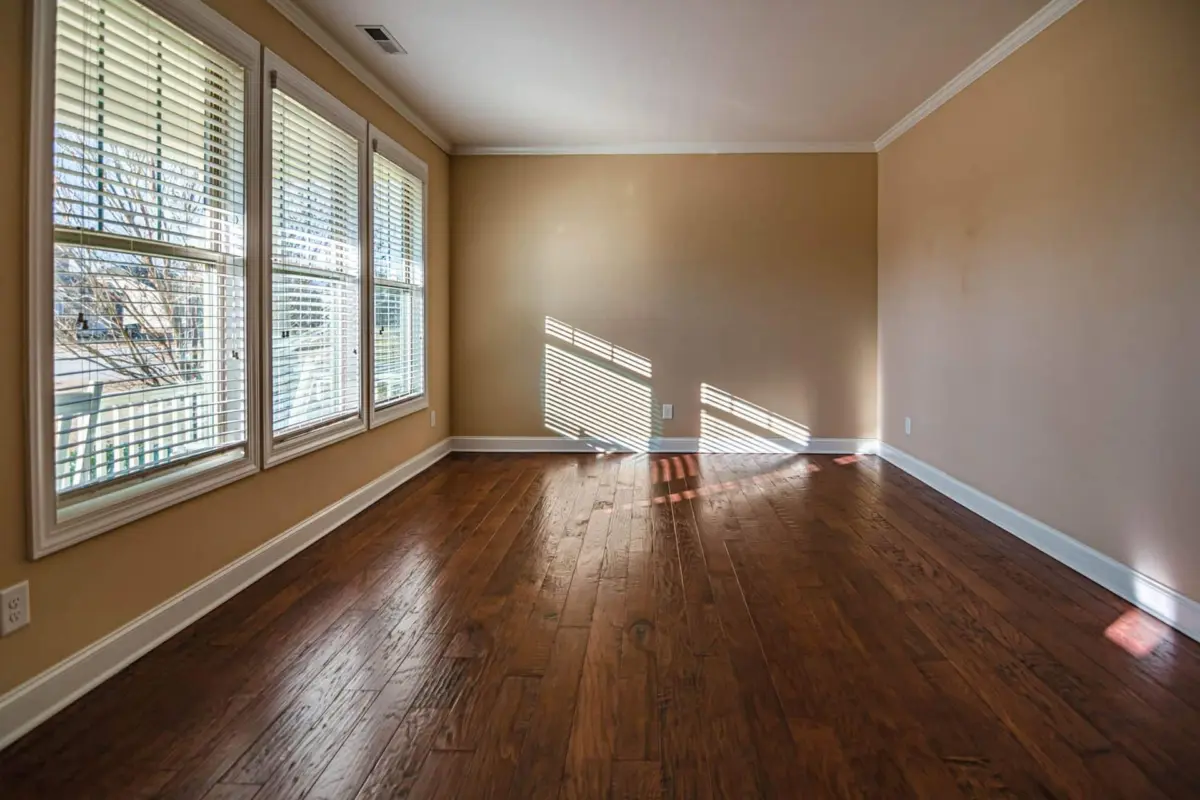
Arriving at her temporary home, she found an apartment outfitted with bare-boned stock furniture designed for the most basic occupancy. Spending her first afternoon settling a tiny fraction of her personal belongings into the sparse rooms, she was immediately forced to confront the realities of spatial economy. The experience of inhabiting a radically stripped-down environment quickly offered unexpected insights into the psychology of clutter, minimalism, and daily consumption—lessons that mirrored, yet sharply contrasted with, the challenges of living in an overfilled space.
Use It Up
Part of the standard furnished apartment experience involves inheriting hotel-sized portions of everyday commodities left behind by previous occupants. Having brought her own toiletries and cleaning supplies from home, Mia initially viewed these residual items as mere redundancy. In the past, she admits, a deep-seated hoarding mentality would have dictated saving the miniature soaps, shampoos, and cleaning agents for some hypothetical future scenario where tiny containers might prove useful.
This time, however, the minimalist experiment prompted a different approach: she simply used them up. Recognizing that these items represented the lowest tier of quality and would never genuinely enrich her daily routine, she discarded the compulsion to archive them for later. By consuming them first and immediately tossing the empty containers, she cleared physical real estate in her living space and mental real estate in her thoughts. The experience transformed her from a hesitant minimalist into a staunch proponent of active consumption decluttering, demonstrating how finishing inferior goods can permanently remove visual noise from the home.
Functional Decor
As an admitted homebody, adjusting to life away from her permanent residence and cherished possessions proved to be a psychological hurdle. To bridge the gap between a sterile corporate rental and a comforting sanctuary, she adopted a strategy of styling with utility, draping her brightly colored throw blanket over the couch rather than tucking it away in a closet, and propping her favorite books along flat surfaces instead of stacking them out of sight on a bedside table.
Any personal memento that possessed a semblance of aesthetic warmth was granted a permanent spot in view rather than being relegated to a drawer. In a heavily furnished home, such an approach might easily tip over into visual chaos; however, when filtered through the lens of extreme minimalism, displaying a handful of cherished items successfully warmed up the sparse environment. This integration of everyday necessities and sentimental objects allowed them to serve a dual purpose, making the temporary space feel remarkably homelike without introducing useless clutter.
This Spoon
The psychological weight of small objects came into sharp focus following a birthday visit from a close friend last week. Struggling with sensory issues that make the sharp clinking of metal silverware uniquely nauseating—often inducing physical bouts of nausea—Mia had resorted to hoarding plastic takeout cutlery during her first days in the apartment to avoid using the metal utensils provided by the landlord.
The dynamic shifted entirely when her friend gifted her a small, perfectly sized wooden spoon. The item immediately became an anchor point, evoking fond memories of connection every time it was used. Relying exclusively on this single wooden spoon alongside a pair of simple chopsticks rendered the remainder of the apartment’s utensil drawer entirely obsolete. The episode underscored a broader minimalist truth: possessing a single item that serves its purpose flawlessly brings far more daily joy than maintaining a drawer full of mediocre alternatives.
Alone Time
One of the most drastic lifestyle shifts accompanying the relocation has been the sudden shrinkage of her social calendar. While she maintains contact with a few acquaintances in the local area, her daily interactions pale in comparison to the bustling community she left behind. Initially, the isolation felt like a heavy drag, complicated by her deep affection for her friends and the inherent human contradiction of craving community while simultaneously needing solitude.
Yet, as the weeks progressed, the quiet environment proved to be deeply energizing. Freed from the relentless demands of a packed social schedule and residing in a space that required virtually zero maintenance, daily life streamlined into effortless efficiency. Mornings now begin with a straightforward, uninterrupted walk to the local gym for physical training, followed by a pristine apartment environment that remains perpetually orderly and dedicated hours for cooking wholesome meals.
The newfound tranquility also created an ideal runway for professional endeavors. Having acquired a business a few months prior, the resulting mental clarity and absence of domestic distractions allowed her to catch up entirely on her workload, leaving ample cognitive bandwidth to document her experiences. While plans are already underway to reintegrate social activities—such as organizing game nights with her hometown friends and resuming combat sports training now that her physical energy has returned—the period of enforced solitude has proven remarkably productive.
Clutter Comes Fast
Despite moving into the apartment with almost nothing, Mia noted the rapid, insidious creep of domestic accumulation within just three weeks of arrival. Birthday gifts, while deeply appreciated and emotionally grounding, immediately began claiming physical territory; a small indoor trampoline now sits directly beside her as she types, serving as a tangible testament to how quickly objects multiply.
Similarly, a kitchen cabinet that was entirely bare upon arrival has already filled to capacity with plastic containers saved for food storage. This rapid influx highlights a fundamental systemic reality of modern domestic life: the natural momentum of consumer goods is relentlessly directed into the home. Without establishing an equally deliberate flow of items moving out of the residence, accumulation becomes inevitable. To combat this gravitational pull, she has begun reintegrating passive decluttering strategies, leveraging routine habits to stay comfortably ahead of the accumulation curve before clutter can establish a permanent foothold.
Assessing the Experiment
For those following the progress of her radical experiment, the preliminary results offer genuine encouragement. This temporary relocation marks the first tangible improvement in her chronic health issues in years, providing long-awaited validation for her environmental suspicions. At the same time, the reality remains complex, as the positive health outcomes are tied directly to living away from her permanent home—a profound structural dilemma that she now has the mental clarity and calm environment to address.
For now, the focus remains on maintaining these hard-won routines while preparing for upcoming community initiatives, including a planned holiday decluttering challenge for her audience. As she navigates the next steps of her health journey, the lessons learned from a Prius packed with essentials and an apartment filled with minimal belongings continue to guide her path forward.