At the center of this cultural norm is the traditional monoculture lawn—a single species of grass kept at a uniform height and treated with chemicals to prevent any other growth. Critics and environmental advocates point out that maintaining these uniform green spaces during periods of severe drought, sometimes even watering during the heat of midday when evaporation rates are highest, places an unnecessary burden on local water supplies and municipal infrastructure. Furthermore, horticulturists and historians note that the widespread preference for expansive lawns has historical roots tied to classism and the display of wealth, signaling an ability to leave large tracts of land entirely unproductive.
In response to these ecological and labor-intensive challenges, a growing movement toward minimal landscaping and sustainable outdoor design is gaining momentum. This approach shifts the focus away from high-maintenance turf and non-native annual flowers that require intensive care. Instead, minimal landscaping encourages property owners to design yards that work in harmony with local climates, natural ecosystems, and personal schedules.
The Shift Toward Low-Water and Native Landscaping
One of the foundational strategies in minimal landscaping is xeriscaping, a design philosophy centered on low water use. While the term often brings to mind stark gravel lots in arid climates, landscape designers emphasize that a well-executed xeriscape can feature visually striking elements, such as gravel pathways winding through silver-leaved sage, lavender, yarrow, and ornamental grasses. By grouping plants according to their specific hydration needs, property owners can significantly reduce outdoor water consumption. In dry regions, adopting low-water landscaping principles is increasingly viewed not only as a practical maintenance choice, but as an environmentally responsible practice.
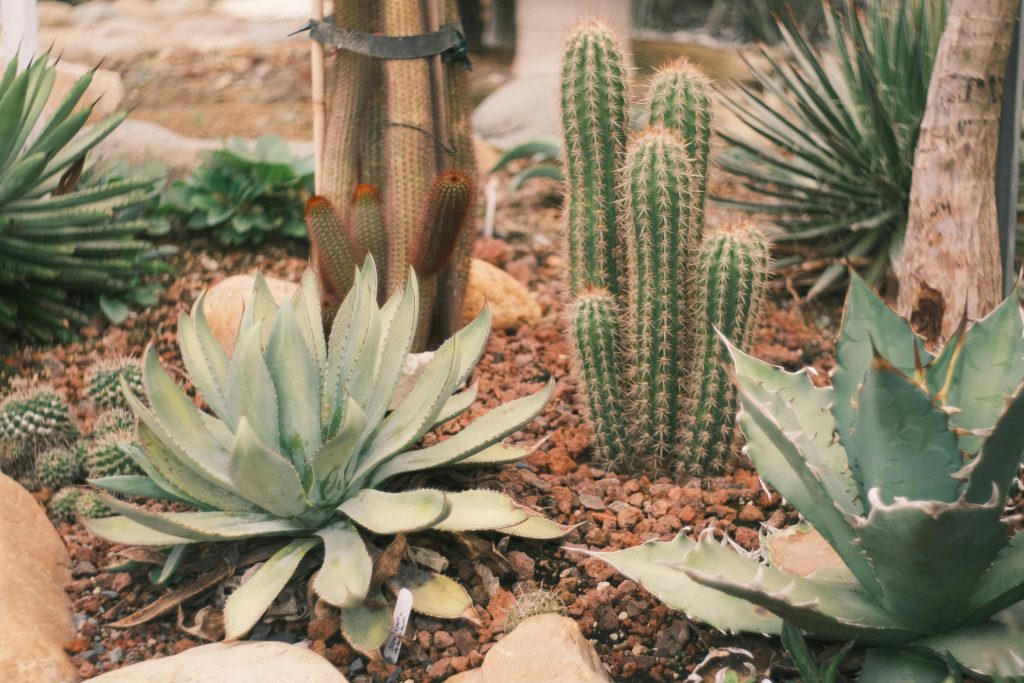
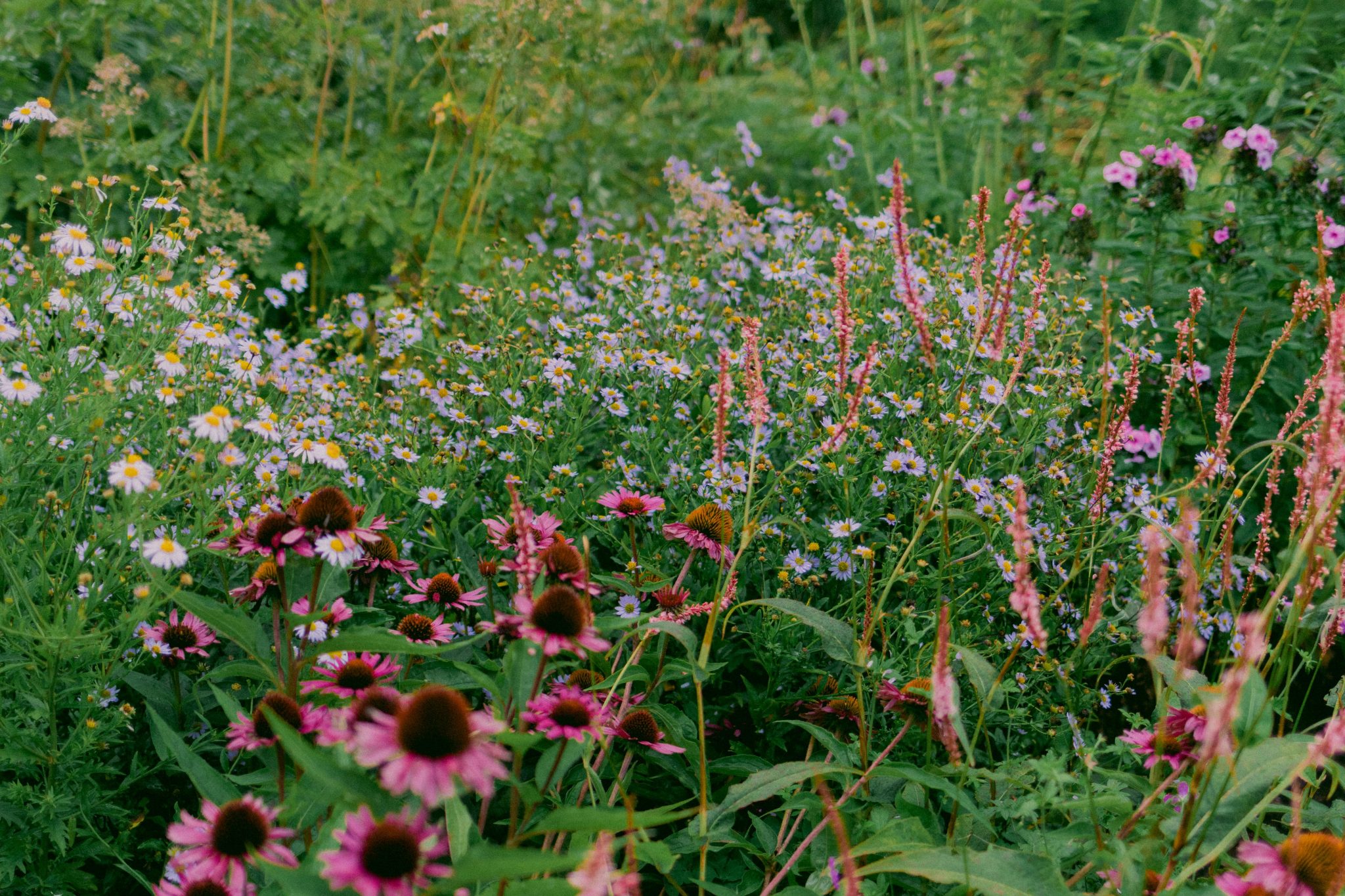
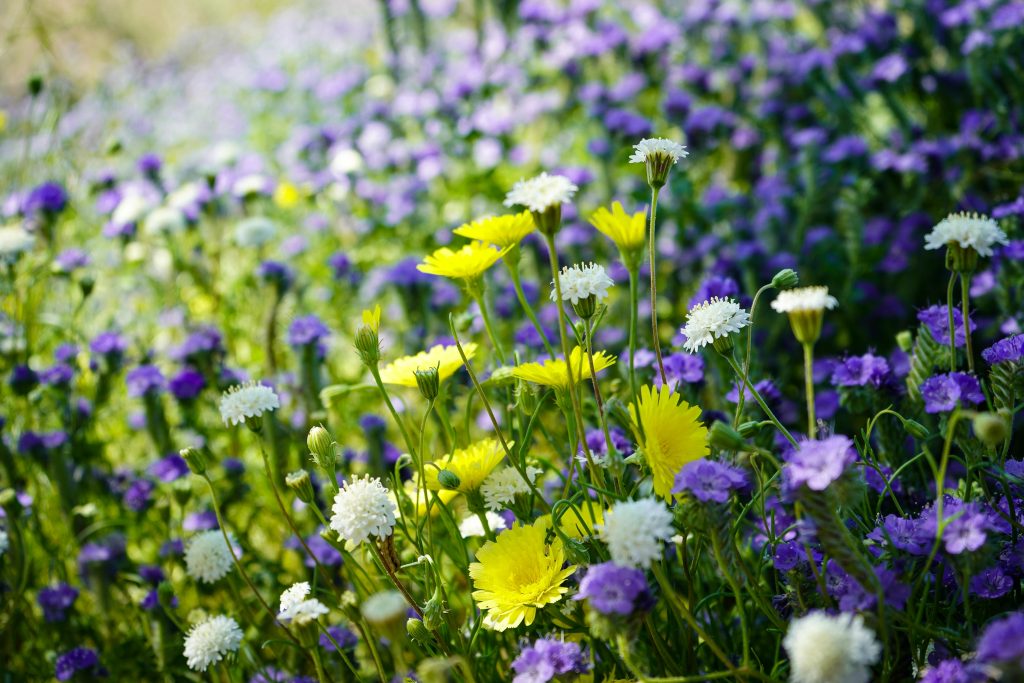
Closely tied to xeriscaping is the use of native plants. Because native species have evolved alongside regional soil compositions, rainfall patterns, and local wildlife, they require significantly less intervention once established. Unlike curated beds of non-native annuals that must be replaced annually and tended to constantly, native plants thrive with minimal watering or fertilization while providing vital support for local pollinators and birds.
Property owners looking to transition away from traditional maintenance routines are also rethinking the layout of their yards. Rather than undertaking a massive, disruptive overhaul, many are choosing to gradually shrink their lawns. By targeting awkward corners, narrow strips along driveways, or difficult-to-reach patches around trees and turning them into native perennial beds, clover patches, or mulched garden areas, homeowners can steadily decrease the square footage requiring regular mowing and watering. Over time, these incremental changes can transform a high-maintenance lawn into a manageable landscape focused on functional outdoor living spaces.
Incorporating Natural Systems and Hardscaping
Sustainable minimal landscaping often draws inspiration from natural ecosystems, which typically feature layered environments rather than isolated plants surrounded by tidy rings of bark. Mimicking natural layering—combining ground-hugging species, medium shrubs, and taller perennials—creates a self-sustaining ecosystem that helps suppress weeds, retain moisture, and support local biodiversity without requiring constant human intervention.
Hardscaping elements also play a prominent role in reducing outdoor labor. Rocks, boulders, and gravel can anchor a minimalist design while requiring zero maintenance. Features such as dry creek beds constructed from river rock can effectively address drainage issues while adding an intentional design element. Similarly, using pea gravel, crushed granite, or flagstone for pathways and seating areas offers a durable, cost-effective alternative to labor-intensive paver patios.
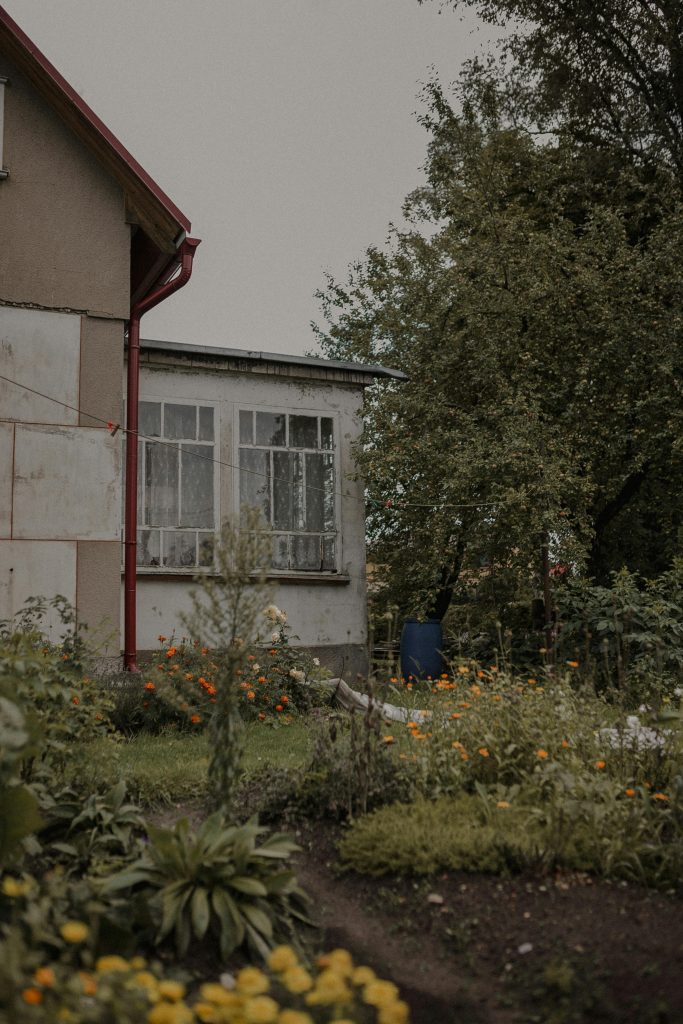
To further minimize resource use, modern minimal yards often incorporate efficient watering systems and organic soil management. Drip irrigation delivers water directly to the root zones of plants on a timer, avoiding the waste associated with traditional sprinklers that lose significant amounts of water to evaporation and runoff. Pairing irrigation updates with generous applications of mulch—such as wood chips, shredded leaves, or straw—helps retain soil moisture, suppress weeds, and regulate temperature. Many property owners source wood chips locally from tree care services, turning waste materials into a valuable resource for garden bed maintenance.
Embracing Functionality and Personal Preferences
As the minimalist outdoor movement evolves, many homeowners are expanding the concept of low-maintenance landscaping to include edible plants and functional spaces. Integrating fruit trees, berry bushes, herbs, and perennial vegetables directly into landscape beds allows property owners to cultivate food without maintaining a separate, fenced vegetable garden. Traditional landscape plants are easily replaced with useful alternatives, such as rosemary, sage, thyme, and rhubarb, which offer both aesthetic value and culinary utility.
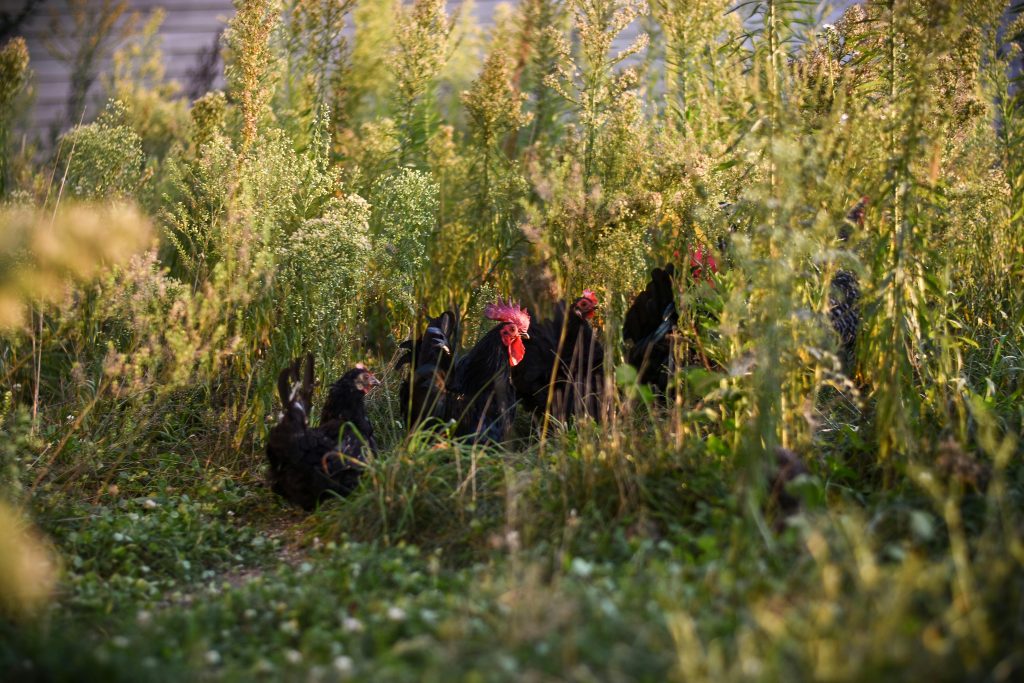
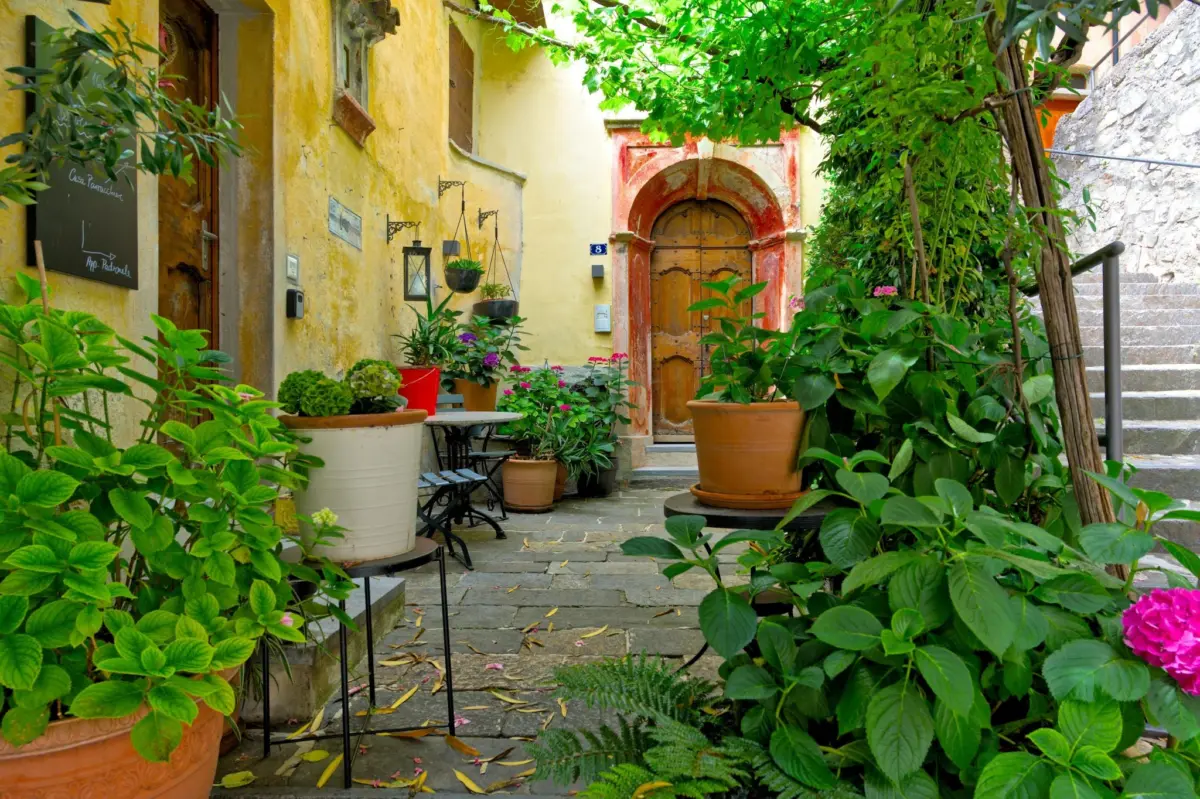
Ultimately, proponents of sustainable minimalism emphasize that a low-maintenance yard should reflect the lifestyle and preferences of the homeowner rather than adhere to rigid neighborhood standards. Whether that involves a quiet courtyard with potted plants, a small patch of clover, or a designated seating area with a birdbath, the goal is to create an outdoor environment that supports daily life rather than consuming valuable weekend time. Decluttering the yard by removing broken furniture, rusted tools, and unwanted plants further streamlines the space, ensuring that the outdoors remains an area for relaxation and intentional living.