
This year, the demand for clever, out-of-the-box attire has prompted a massive roundup of DIY Halloween costume ideas, bridging the gap between imaginative adult looks and charming children’s wear. While a significant portion of these handmade concepts caters to adults looking to make a statement at holiday gatherings, the youngest participants have not been left out of the equation. After all, despite the endless possibilities for grown-ups, Halloween remains fundamentally a children’s holiday at heart.
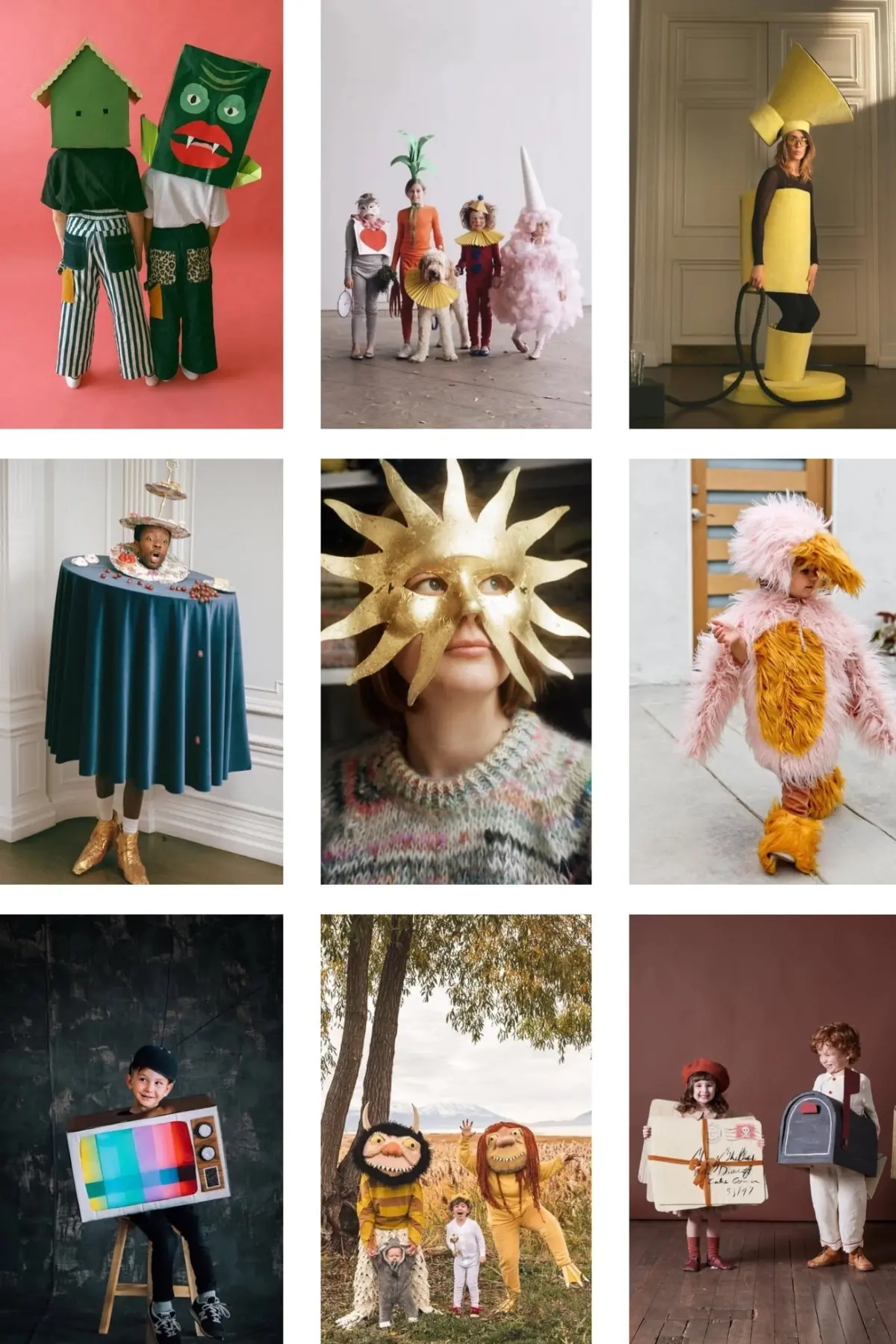
The spectrum of handmade design ranges from minimalist, highly accessible concepts to elaborate, structural masterpieces built from humble materials like cardboard, paper, and fabric remnants. Among the standout creations setting the tone for the season are whimsical culinary-inspired designs, such as the cotton candy costumes featured by Hello Wonderful. These looks balance clean, simple foundational clothing with voluminous, textured elements that successfully capture the playful spirit of the holiday.

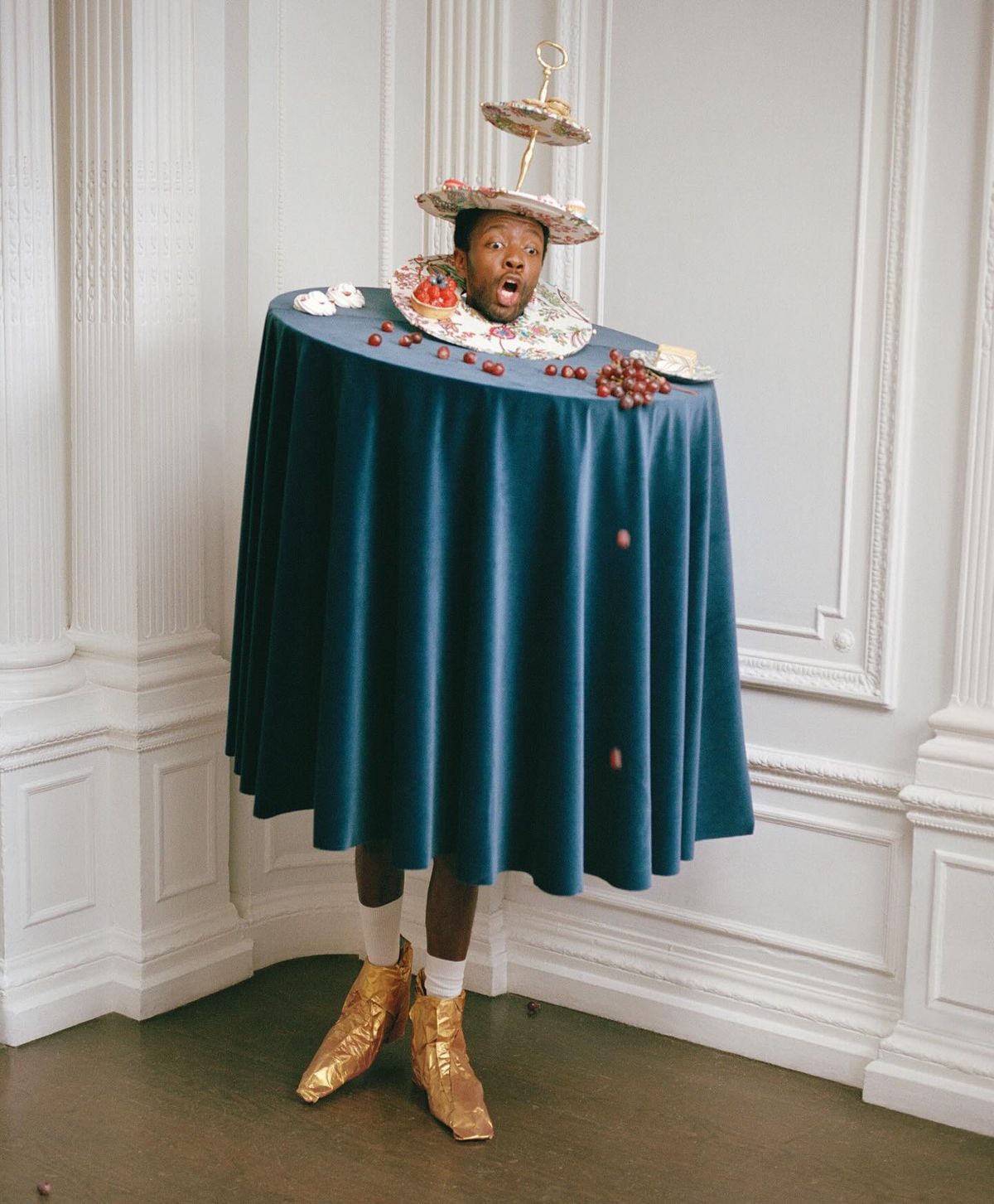
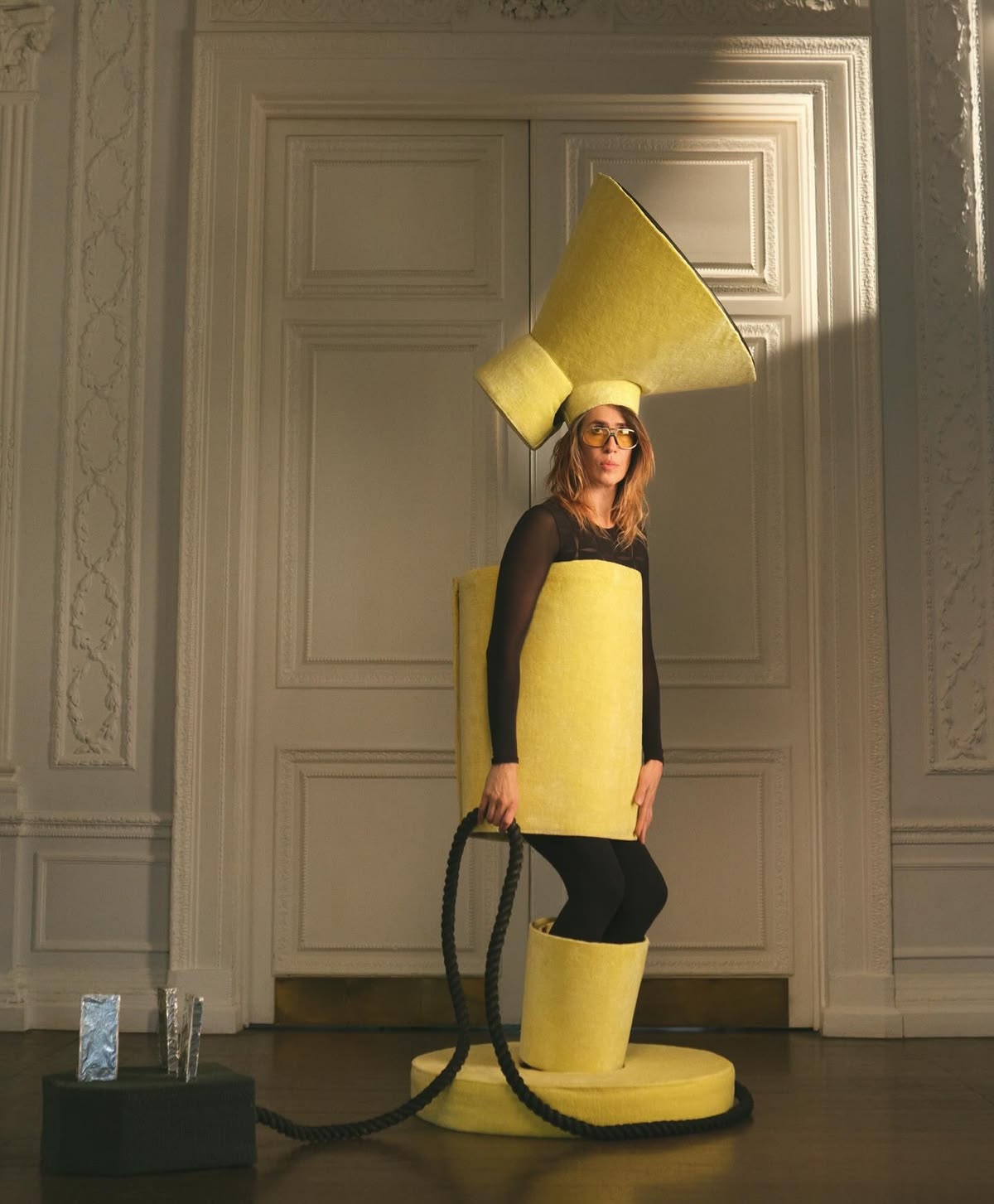
Cardboard and recycled materials continue to serve as the unsung heroes of DIY costume engineering, proving that high fashion and high imagination do not require a large budget. Inspiration has increasingly drawn from unexpected sources, including editorial spreads. A notable example includes interior design imagery from The World of Interiors, which sparked a wave of architectural and household object costumes. Among them is a clever table costume modeled by Omari Douglas and inspired by the 1980s book Jane Asher’s Fancy Dress, alongside a matching table-side lamp costume brought to life by Alice Inggs. These avant-garde textile and paper creations demonstrate how everyday domestic objects can be transformed into high-concept wearable art.
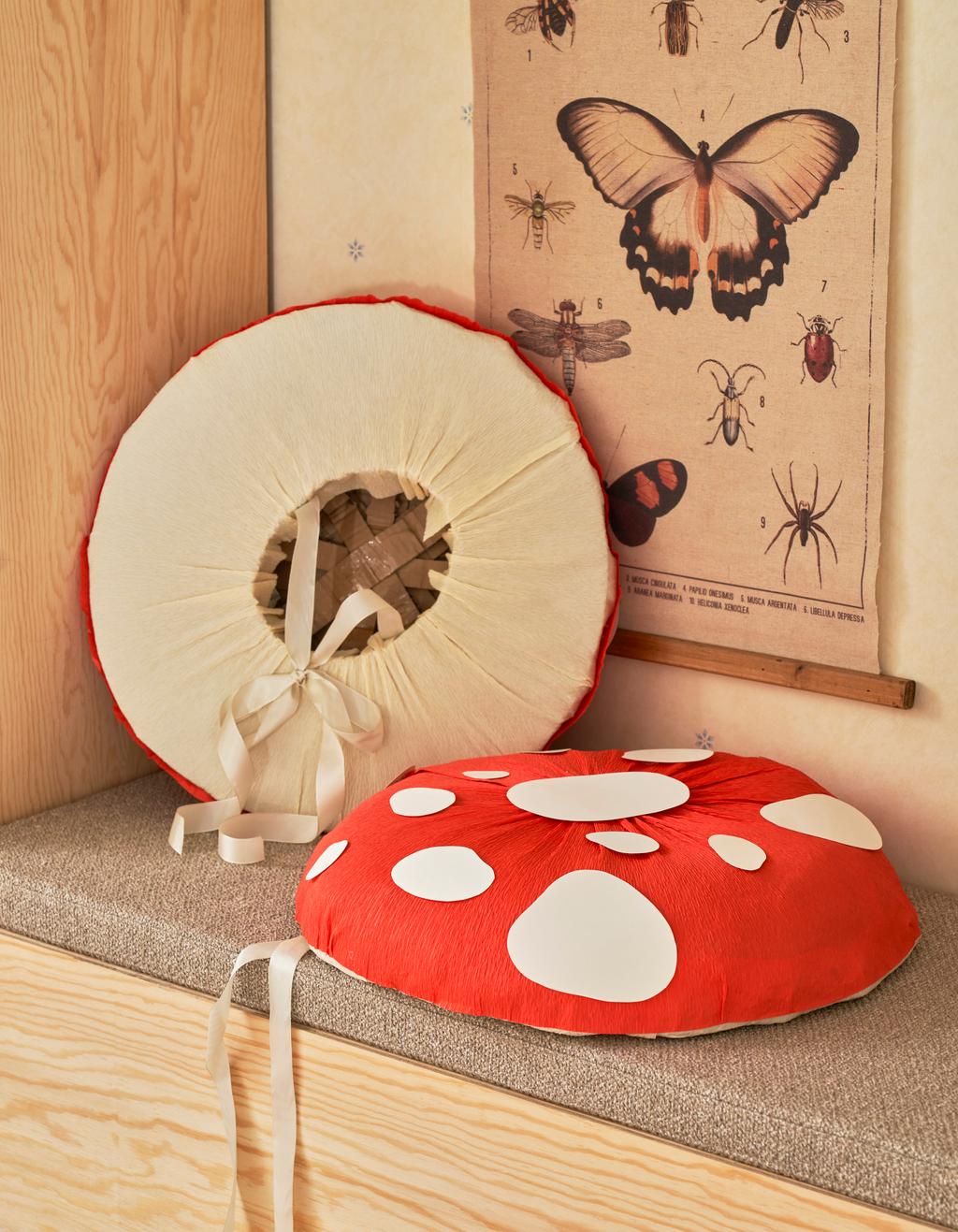
Cardboard engineering also shines in architectural and wearable vehicle designs, such as retro television sets popularized by Oh Happy Day, wearable cardboard cars, and structural mushroom hats crafted from recycled materials by Sostrene Grene. Meanwhile, classic literature offers rich ground for group and family dynamics, exemplified by the breathtaking Where the Wild Things Are family costumes designed by The House that Lars Built. Such intricate group coordination highlights the dedication many families pour into annual Halloween traditions.
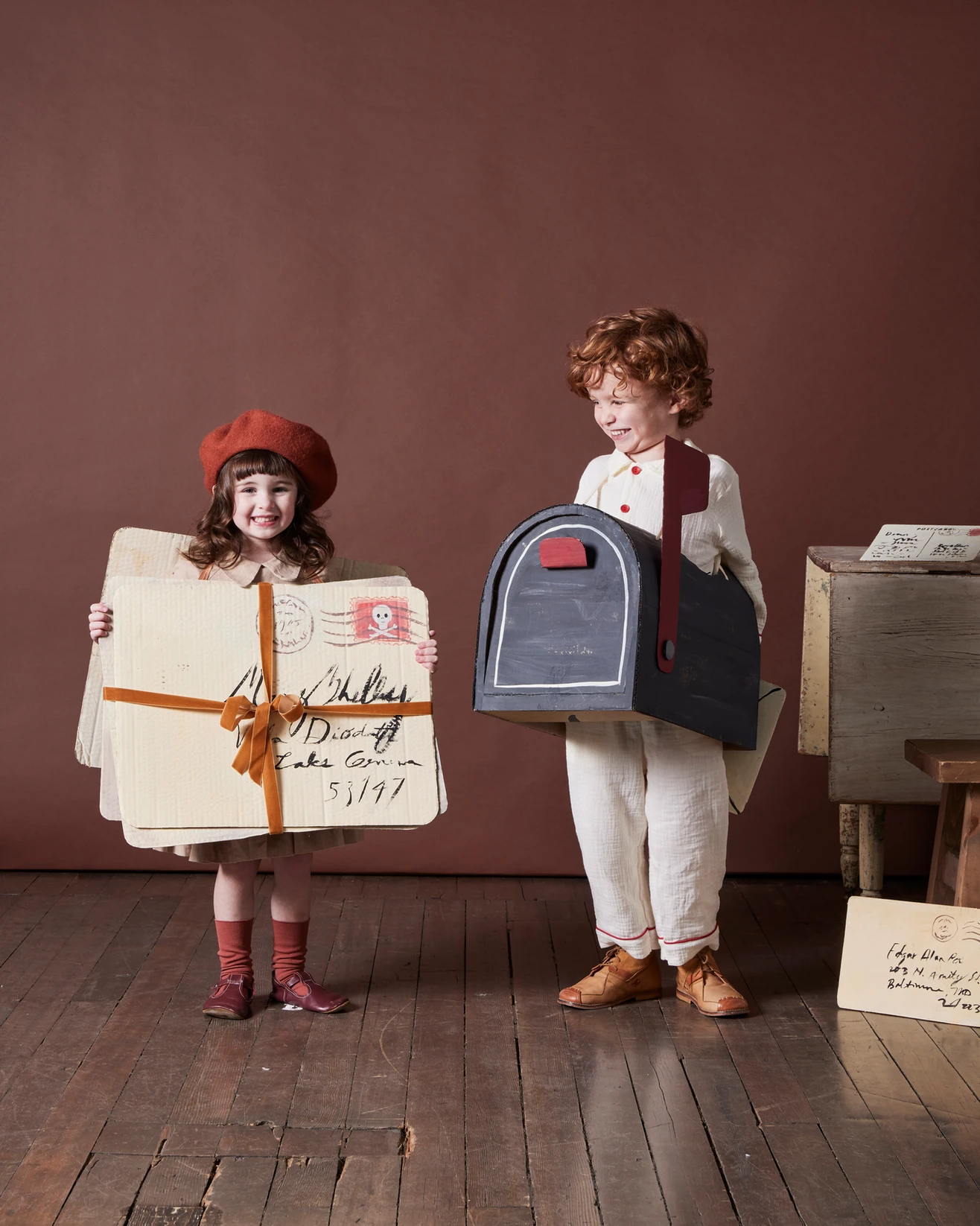
For parents seeking approachable yet memorable projects, children’s costumes often provide the most rewarding crafting experiences. Homemade bird costumes, featuring mechanical flapping wings constructed from simple paper and fabric, remain a perennial favorite for young children. Similarly, conceptual costume designs like a vintage carousel from The Merrythought, a mail-delivery pairing of mailboxes and letters by Merrilee Liddiard, or a whimsical hot air balloon utilizing a repurposed basket and balloons show how everyday items can be reimagined into transportive attire.
Even infants and toddlers get their moment in the spotlight through comfortable, low-stress options. Simple adaptations like a cozy baby mouse outfit, a soft gray moon costume, or a miniature clown ensemble complete with handmade pom-poms and ruffly fabric collars offer high visual impact with minimal complexity. For those pressed for time, quick accessories such as a gold leaf sunshine mask provide an effortless yet striking alternative to full-body garments.
The DIY community also thrives on pop culture references and historical nods, ranging from Wednesday Addams variations featuring updated fishtail pigtails to literary-inspired group concepts like the colorful crayon costumes from The House that Lars Built. Cinematic tributes, such as the striking Grand Budapest Hotel couples costume featured by Sugar & Cloth, demonstrate how thrifted clothing and thoughtful color palettes can successfully recreate iconic visual worlds.

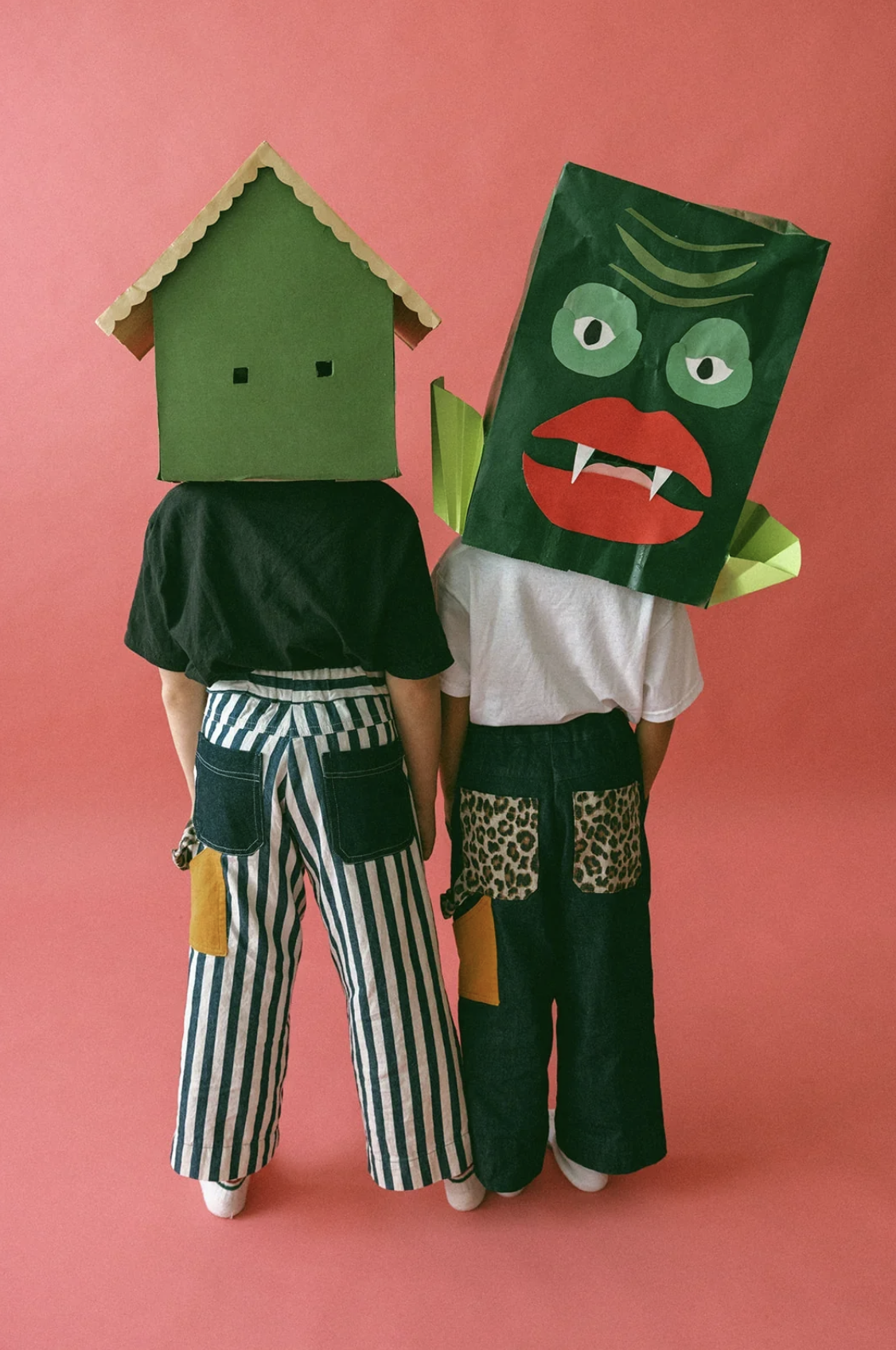
Whether utilizing spare cardboard boxes for a quick mask, sewing custom trousers with matching paper accessories, or spending weeks constructing an elaborate multi-person narrative, the enduring appeal of the homemade Halloween costume lies in its originality. As makers continue to share tutorials, patterns, and inspiration across digital platforms, the tradition of crafting a personal piece of wearable art remains as vibrant as ever, ensuring that October 31st continues to be a celebration of resourcefulness, nostalgia, and imaginative play.