To address these challenges, sustainability advocates and minimalists are increasingly promoting a gradual, room-by-room approach, starting with one of the most resource-heavy areas of the home: the bathroom. By breaking down the transition into practical, manageable adjustments rather than drastic overhauls, individuals can implement lasting changes without falling victim to burnout.
At the core of this movement is a fundamental shift in how consumers view personal care products. Industry observers and sustainable lifestyle experts emphasize a set of overarching standards designed to simplify routines while simultaneously reducing waste and financial expenditure.
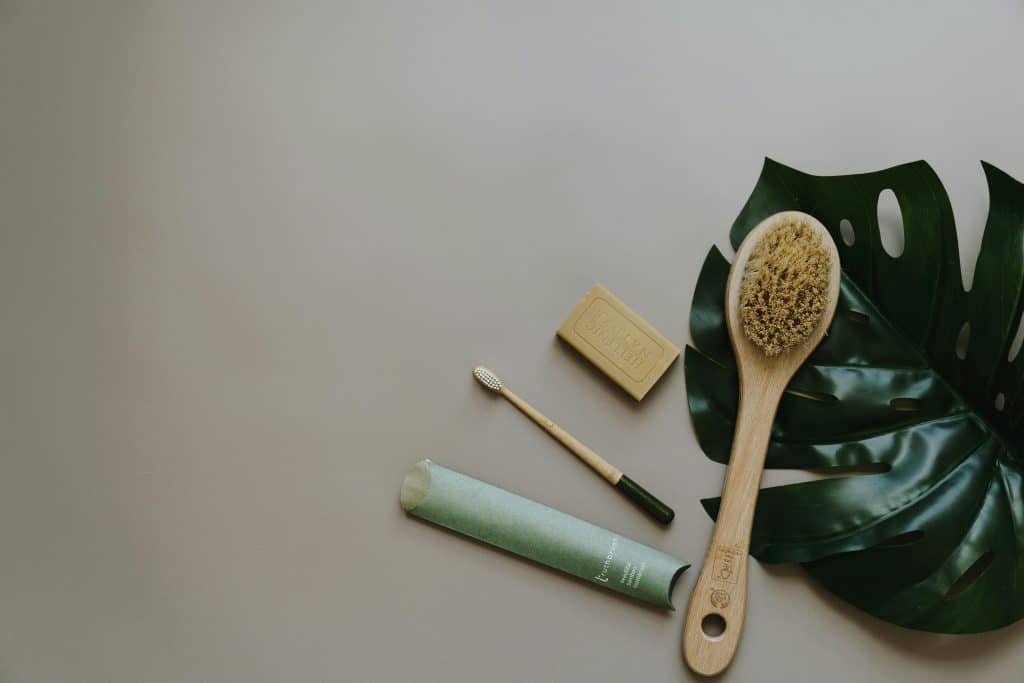
The primary principle guiding this approach is the concept that less is more. Streamlining a daily hygiene routine by utilizing fewer products not only reduces environmental impact and saves money, but it frequently results in healthier skin and hair. Over-treating skin with a complex array of chemical formulations often exacerbates the very issues consumers are trying to solve, proving that simplified regimens are frequently the most effective.
Another critical consideration highlighted by advocates is the elimination of unnecessary water purchases. A significant portion of conventional liquid personal care products consists of water, meaning consumers are paying a markup for diluted formulas, along with the inflated costs associated with packaging and shipping heavy liquids. Furthermore, these liquid formulations invariably necessitate single-use plastic containers. Transitioning to concentrated, undiluted alternatives—such as traditional bar soaps—substantially cuts down on both financial costs and packaging waste.
Crucially, experts advise against the immediate disposal of existing products in favor of sustainable alternatives. Discarding perfectly usable items contradicts the fundamental ethos of sustainability. Instead, the most environmentally and economically responsible strategy is to fully consume existing inventories and prepare to make informed, deliberate choices only when current supplies run out or tools reach the end of their functional lifespan.
Taking the process one step at a time is essential for long-term success. Attempting to replace every bathroom item simultaneously often introduces unnecessary friction and deters individuals from making meaningful progress. By focusing on a single product category at a time, consumers can evaluate what works for their specific needs before moving forward.
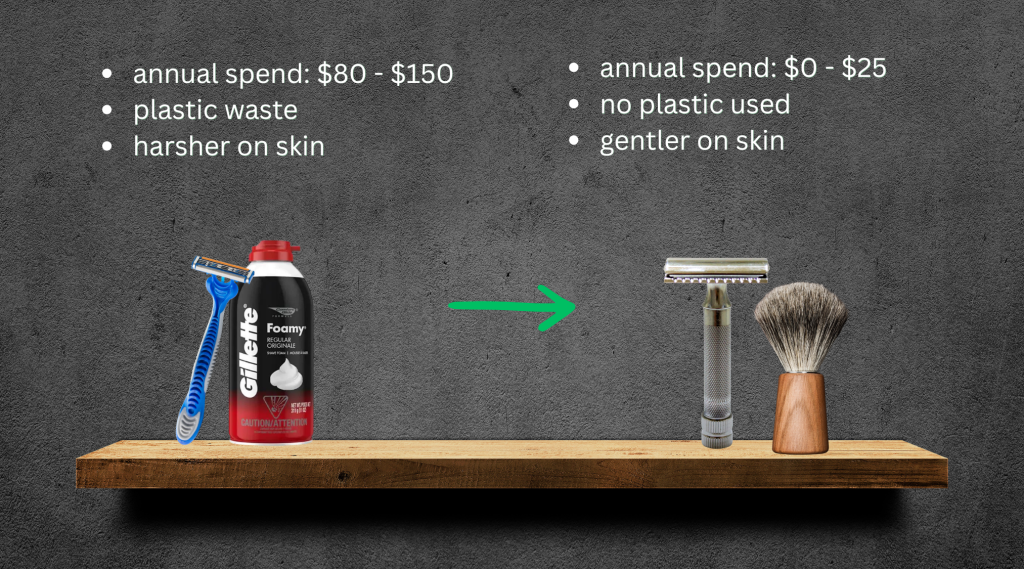
When examining specific categories within the bathroom, the opportunities for sustainable swaps become increasingly apparent. Shaving routines, for instance, frequently generate substantial plastic waste through disposable handles, multi-blade plastic cartridges, and pressurized aerosol cans of shaving cream. Transitioning to a durable metal safety razor offers a long-term solution, with replacement blades available at a fraction of the cost of conventional plastic cartridges. Paired with traditional shaving sticks and brushes, which can last for years on a single purchase, personal grooming can be achieved with virtually zero ongoing plastic waste.
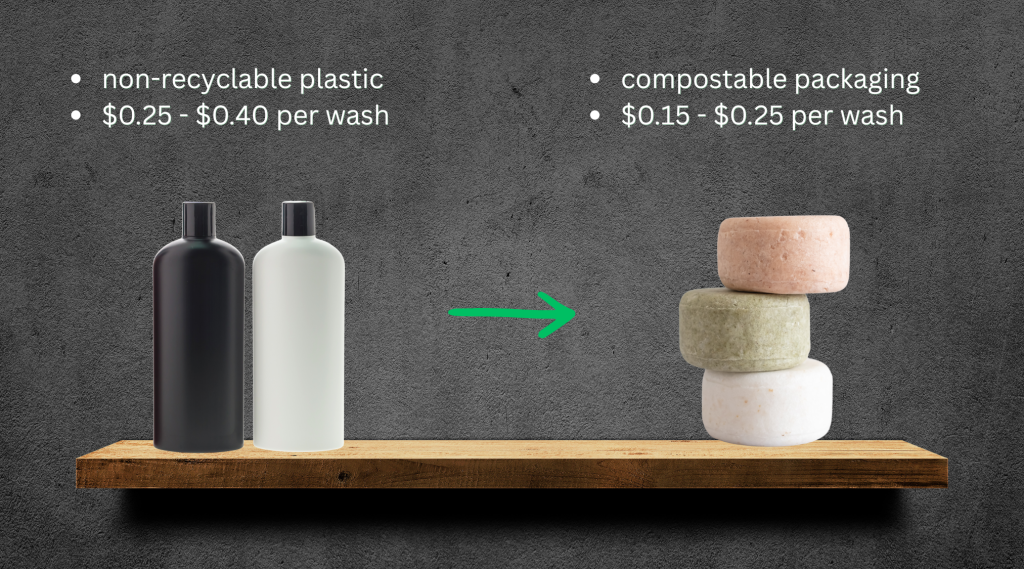
Hair care presents another significant opportunity for waste reduction, primarily driven by the prevalence of plastic bottles filled with diluted liquid shampoo. Shampoo bars offer a concentrated alternative that eliminates water weight and excess packaging. While initial consumer hesitation often centers around the quality of the lather, marketplace options formulated with natural ingredients have advanced considerably. Moreover, although the upfront cost of a quality bar may exceed that of a standard plastic bottle, the longevity of solid bars typically results in a lower cost per use.
Similar principles apply to hand soap and body wash. While liquid hand soap remains a preference for many households, the market now features dissolvable soap tablets designed to be mixed with warm water in reusable foaming dispensers, significantly reducing single-use plastic consumption. For body wash, switching to traditional bar soap achieves similar efficiencies in packaging and product longevity.
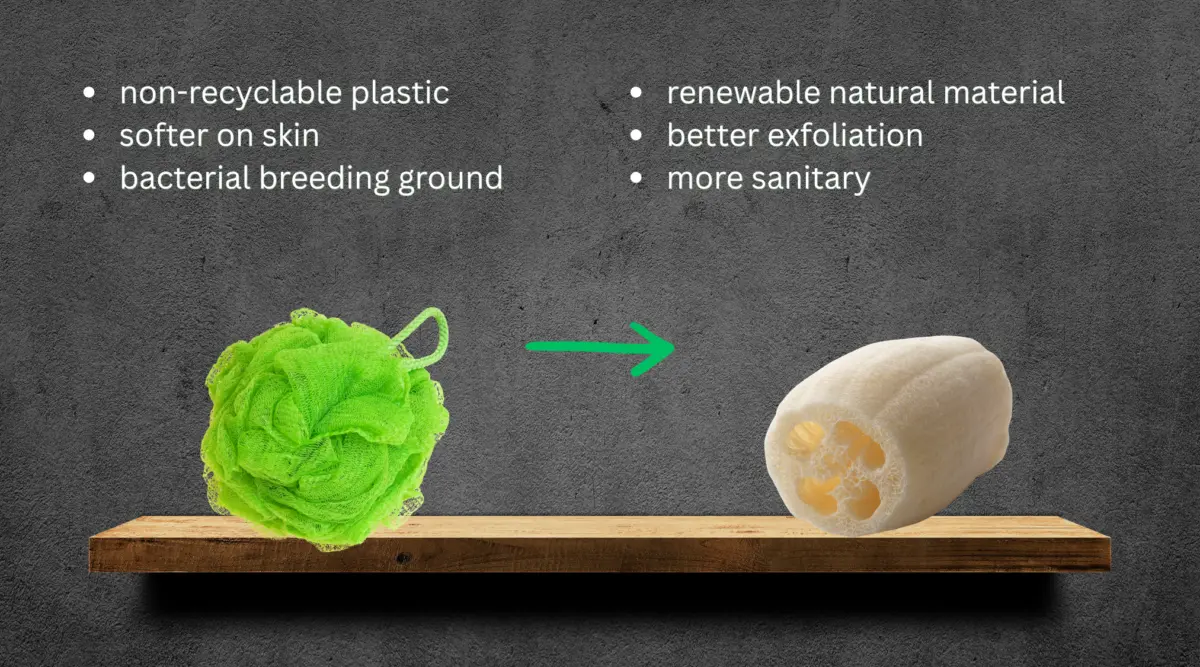
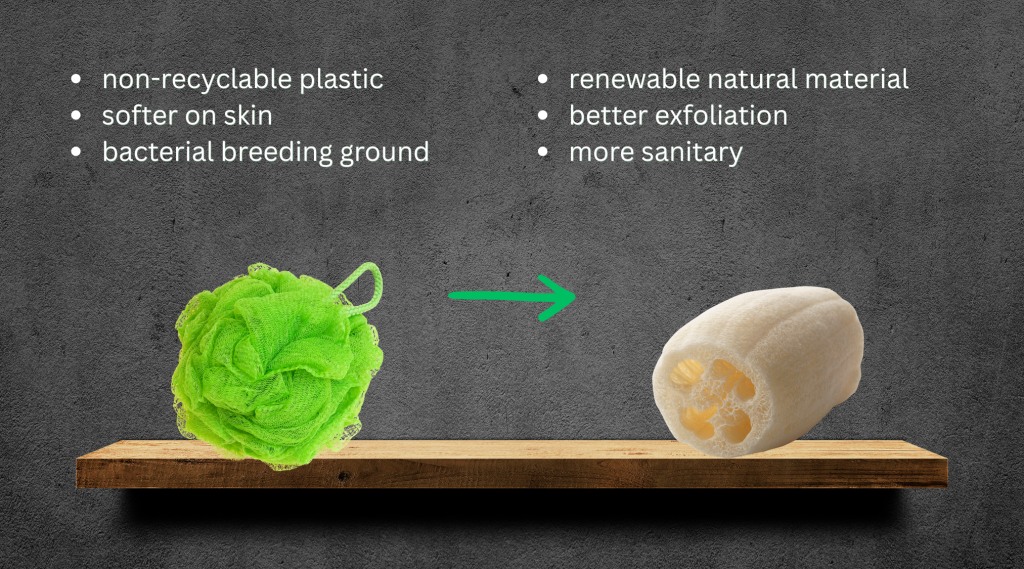
Bathing accessories have also evolved away from petroleum-based plastic poufs and loofahs. Natural alternatives, such as sea sponges and plant-based loofahs, offer fully biodegradable options. Gardeners can even cultivate their own luffa gourds from seed, creating a completely self-sustaining cycle of production and composting.
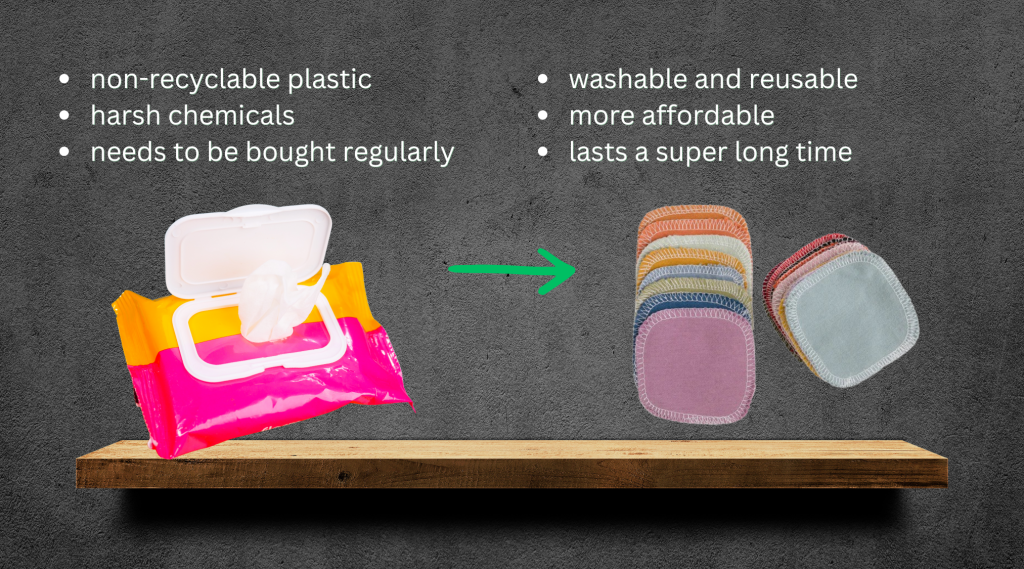
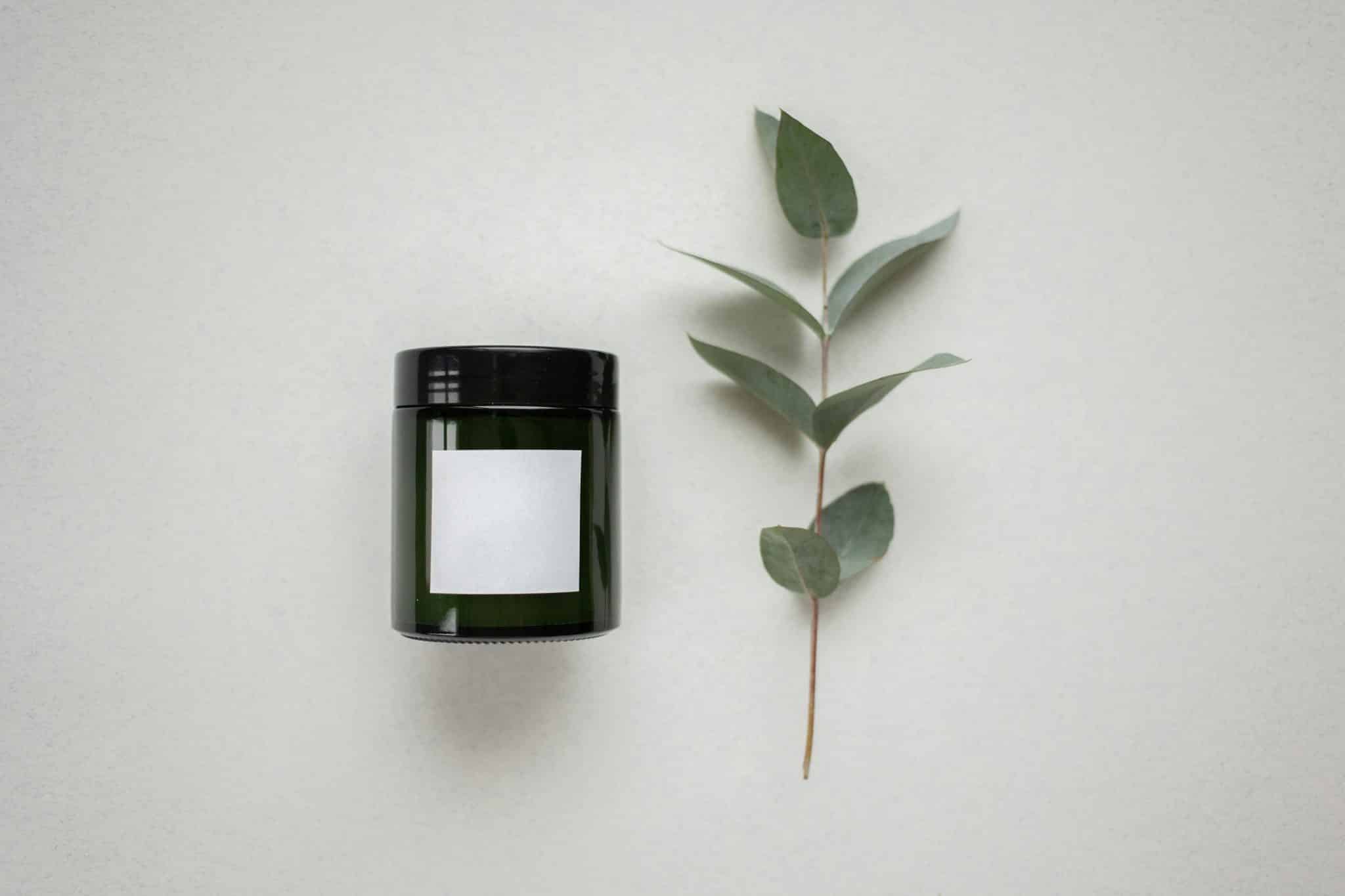
Moisturizers and skincare regimens represent areas where simplification yields the most dramatic results. Rather than purchasing specialized lotions housed in complex plastic pump bottles, consumers are increasingly turning to raw, single-ingredient options such as jojoba oil, shea butter, aloe vera, and coconut oil. These versatile ingredients provide effective hydration with minimal packaging, allowing users to exercise complete control over what is applied to their skin. Similarly, disposable makeup remover wipes can be easily replaced with reusable fabric rounds or simple cloths paired with natural oils.
Dental hygiene routines are also undergoing a quiet transformation. Traditional plastic toothbrushes are increasingly being replaced by bamboo alternatives, while toothpaste tablets—which are chewed before brushing—eliminate the need for laminated plastic tubes and water-heavy formulations. For flossing, bamboo-based string housed in reusable glass containers offers a compostable substitute to conventional nylon floss wrapped in plastic packaging.

Menstrual hygiene products represent one of the most impactful areas for waste and cost reduction. The transition from disposable tampons and pads to reusable options such as medical-grade silicone cups, menstrual discs, and washable period underwear requires a higher initial investment but dramatically reduces recurring expenses within just a few menstrual cycles. Furthermore, these alternatives eliminate the ongoing environmental footprint associated with manufacturing and disposing of single-use hygiene products.
In the realm of bathroom sanitation, traditional paper products and chemical cleaners are facing increased scrutiny. The installation of bidets has gained traction as a method for substantially reducing or eliminating toilet paper consumption, while DIY cleaning solutions utilizing basic household staples like vinegar, baking soda, and rubbing alcohol—or concentrated cleaning tablets dropped into reusable spray bottles—provide effective alternatives to commercially packaged chemical sprays.

Ultimately, transitioning toward a sustainable bathroom routine does not require perfection or immediate, drastic changes. By adopting an incremental mindset, waiting until current products are fully depleted before making a switch, and focusing on continuous, manageable improvements, households can achieve meaningful, lasting progress in reducing their environmental footprint.