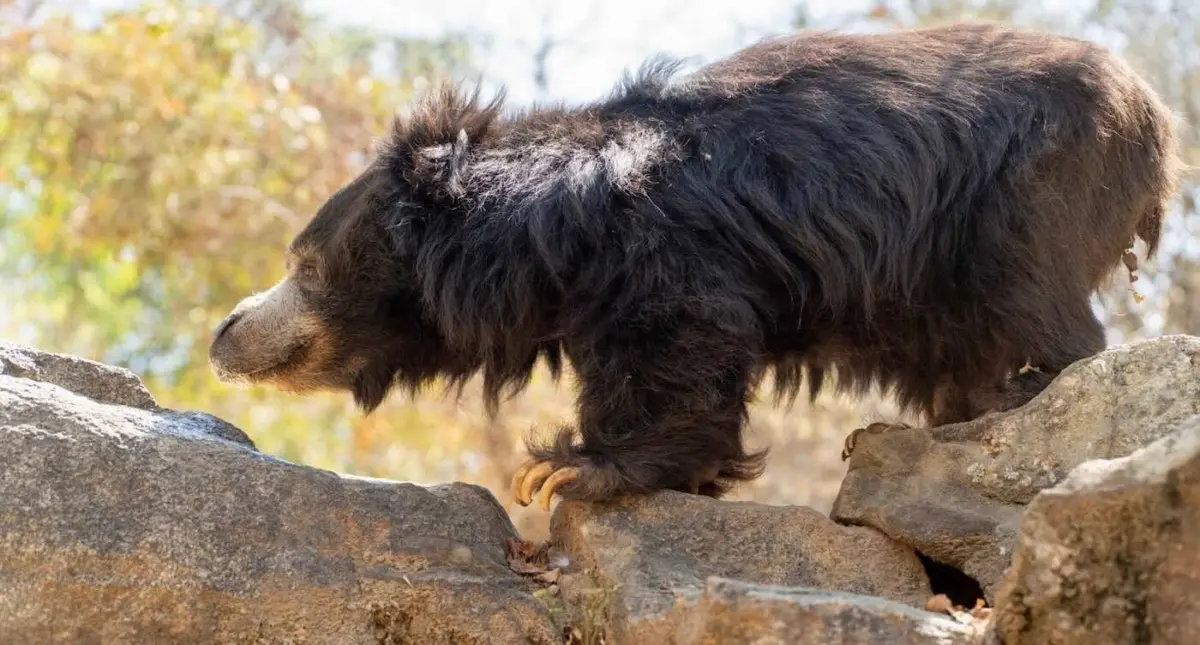
The sloth bear, famously named Odum by the Oscar-winning actress during the height of her time filming in South Asia, is currently flourishing at the age of 26. Ahead of World Sloth Bear Day on October 12, International Animal Rescue (IAR) and Wildlife SOS have shared fresh updates on Odum’s daily life at the Bannerghatta Bear Rescue Centre in India, highlighting not only his incredible physical and psychological recovery but also the profound, lifelong commitment required to rehabilitate animals rescued from severe exploitation.
Odum’s incredible journey into the global spotlight began back in 2009. At the time, Julia Roberts was traveling across India filming the cinematic adaptation of Elizabeth Gilbert’s bestselling memoir, Eat, Pray, Love. Amidst her busy schedule on set, the actress took time to visit an animal sanctuary, where she encountered a distressed young sloth bear enduring the bleak reality shared by many of his kind across the region.
Prior to his rescue, Odum had been subjected to the cruel and archaic practice of "dancing bear" exploitation. Snatched from the wild as a cub, he was forced by handlers to perform tricks for tourists on punishing streets, spending the remainder of his days confined to a cramped, squalid cage when he was not performing. The trauma of such an existence leaves lasting scars on wild animals, robbing them of their natural behaviors, social structures, and physical well-being.
Deeply moved by the plight of the captive animal during her sanctuary visit, Roberts stepped forward to bestow a name upon him. She chose "Odum," which is believed to be an old family name, sealing a connection that would capture international headlines and draw global attention to the quiet suffering of India’s dancing bears—a practice that conservationists and animal rights advocates have worked tirelessly for decades to eradicate.
Now, more than a decade and a half later, the scared and exhausted bear once forced to dance on hot streets is unrecognizable. At 26 years old, Odum resides comfortably within the specialized enclosures of the Bannerghatta Bear Rescue Centre, managed collaboratively by wildlife experts who understand the complex needs of elderly bears.
Staff members at the sanctuary describe a daily routine that stands in stark contrast to the hardships of his early life. Far from the confines of a cage or the demands of handlers, Odum’s golden years are characterized by tranquility, choice, and comfort.
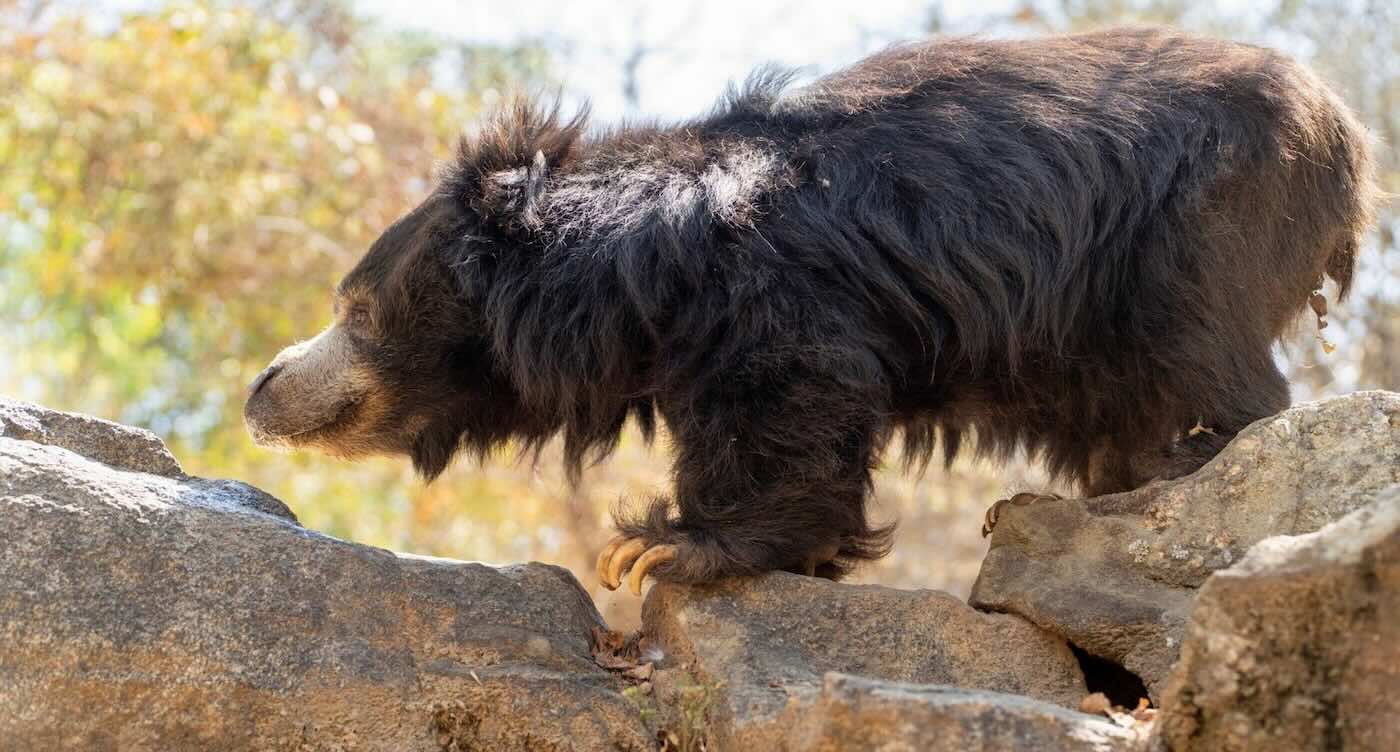
"Seventeen years on from his rescue, Odum’s days are calm, perhaps eating a ripe muskmelon, taking a splash in his pool, or having a doze in his hammock, which has been specially made for him," sanctuary staff shared in a statement detailing his current lifestyle.
For animal rescue organizations, Odum’s longevity and contentment serve as a powerful testament to the impact of dedicated sanctuary care. However, animal welfare leaders emphasize that rescuing an animal from an abusive situation is only the first step in a much longer journey of healing.
Alan Knight, president of International Animal Rescue, reflected on the milestone and the ongoing responsibilities involved in maintaining high standards of welfare for aging wildlife.
"Odum’s story illustrates the beautiful outcome that rescue operations can achieve," Knight said, noting the dedication required from caretakers, veterinarians, and supporters around the world. "Our responsibility does not cease when an animal has reached safety. As he gets older, he will still require the same amount of patience, kindness, and specialized care as was necessary to help him recover all those years ago."
Sloth bears are native to the Indian subcontinent, where they face significant threats in the wild, including habitat loss, poaching, and historical exploitation for entertainment. Organizations like International Animal Rescue and Wildlife SOS have dedicated countless resources to ending the illegal dancing bear trade, rescuing hundreds of individuals, and providing them with lifetime sanctuary environments where they can experience security, veterinary attention, and species-appropriate enrichment.
As organizations prepare to observe World Sloth Bear Day, Odum stands as a living symbol of resilience. His transformation from a victim of tourist entertainment into a relaxed, hammock-lounging senior bear illustrates the tangible difference that compassionate intervention can make.
For those wishing to contribute to the ongoing efforts required to maintain specialized habitats and medical care for aging animals like Odum, further information and opportunities to support his care remain available through the official website of International Animal Rescue.