
For users eager to test the features ahead of the official public rollout, Apple has opened enrollment through its beta software program. However, as with any pre-release operating system, installing the beta carries inherent risks, prompting technology experts to advise thorough data backups before attempting any installation.
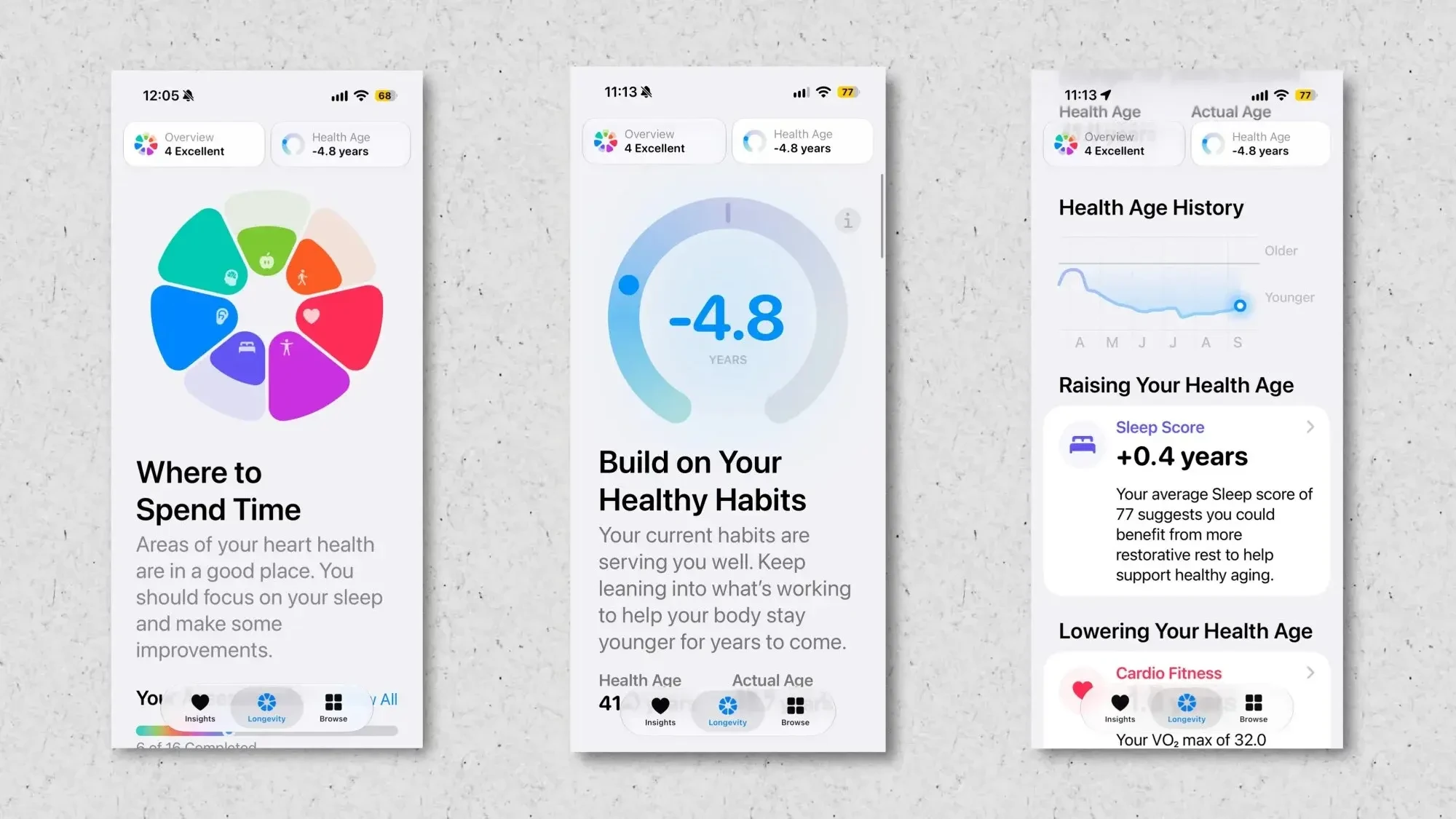
The most substantial highlight of the iOS 27.2 update is a comprehensive redesign of the native Health app. Described as the application’s most significant revamp in years, the overhaul introduces a variety of new metrics and user interfaces designed to provide a more holistic view of personal wellness. Fitness enthusiasts will notice a notable integration, as Activity rings now display directly within the Health app alongside the standalone Fitness application, creating a more unified daily tracking experience.

Furthermore, the update introduces a dedicated "Longevity" tab, offering users detailed insights into long-term health indicators such as mental wellbeing, nutrition, daily movement, heart health, metabolic health, sleep patterns, and hearing health. To help users interpret these metrics, Apple has integrated new analytical assessments, including a novel "Health Age" estimation feature. In a more advanced biometric feature, users can even opt to use the iPhone camera to monitor their physical movements during exercise sessions, allowing the system to evaluate fitness levels across categories such as flexibility, balance, estimated VO2 max, and overall strength.
Beyond personal fitness and health tracking, iOS 27.2 expands the utility of Apple Intelligence through updates to the "Call Context" feature. Originally designed to pull relevant information from across a device during active phone calls—such as locating a flight itinerary in an email when speaking with airline customer service—the feature now incorporates automated anniversary and birthday alerts. If a user is engaged in a voice conversation with someone whose important date is saved in their contacts, the system will display a subtle on-screen reminder, offering a digital safety net for those who might struggle to recall milestones on the fly.
Accessibility is also receiving a meaningful boost in iOS 27.2 with the implementation of American Sign Language (ASL) support for FaceTime. Although initially previewed earlier in the year as part of a broader package of accessibility tools, the API enabling human interpreters to join video calls is rolling out in this software cycle, promising to make remote visual communication significantly more inclusive.
Entertainment and media sharing on Apple devices are also seeing functional improvements. Following features long established on standalone hardware, Apple TV profiles are finally arriving on the iPhone and iPad app in iOS and iPadOS 27.2. This addition allows multiple members of a household to maintain personalized viewing recommendations, watch histories, and preferences on shared mobile devices, letting users effortlessly switch accounts when passing an iPad or viewing content across portable screens.

Artificial intelligence capabilities are expanding geographically and linguistically as well. At the initial launch of the platform’s AI suite, features driven by Siri were restricted exclusively to English. With the release of iOS 27.2, Apple is broadening linguistic support, allowing users to interact with advanced Siri AI features in French, Japanese, Korean, Portuguese, and Spanish.
Rounding out the update are several minor user interface modifications and organizational tweaks. In the native Music app, Apple has dialed back certain red design elements, converting the Play and Shuffle buttons—along with various library section icons—to a clean black aesthetic. The Clock app features a subtle typographical adjustment that renders "AM" and "PM" indicators noticeably smaller than the main alarm time. Meanwhile, the Podcasts app has renamed its "Up Next" queue to "New Episodes" for added clarity, and the Siri settings menu has rebranded "App Access" to "Excluded Apps," while expanding functionality to let users block multiple applications from Siri simultaneously.