
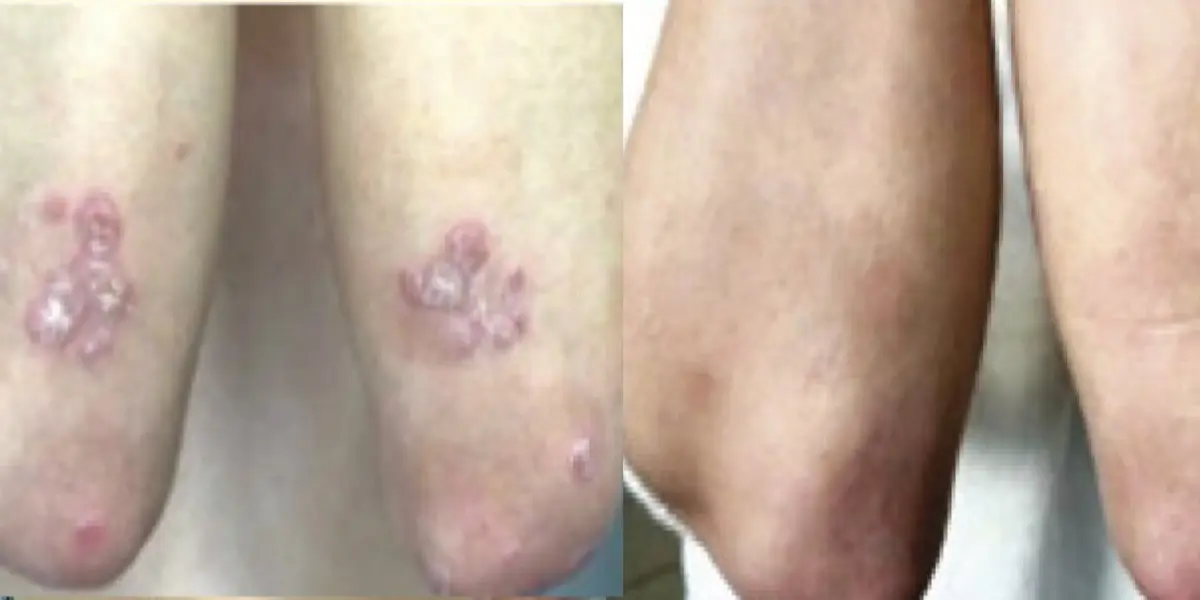
Psoriasis is a chronic autoimmune disease characterized by a sped-up immune system cycle that causes skin cells to grow too quickly. This results in thick, itchy, and scaly patches of skin that most frequently appear on the knees, elbows, scalp, and around the waist. Because it is fundamentally an autoimmune disorder, current management strategies focus largely on controlling flare-ups, managing discomfort, and suppressing localized or systemic inflammation rather than providing a lasting cure.
Now, however, a team of researchers in China has made a significant breakthrough by discovering that a specific vitamin B5 derivative, known as pantethine, can effectively limit the hyperactivation of immune cells that serve as key drivers in autoimmune diseases like psoriasis. The findings, which were published in the prestigious Journal of Experimental Medicine (JEM), indicate that pantethine not only helped alleviate clinical symptoms of psoriasis in a small-scale human trial but also completely prevented the development of the condition in experimental mouse models.
To understand the significance of this discovery, researchers point to the central role played by dendritic cells. These specialized white blood cells act as master coordinators within the immune system, bridging innate and adaptive immunity. Dendritic cells are capable of engulfing and presenting foreign antigens to activate highly specific T-cells, which then orchestrate targeted immune defenses. In addition to this antigen-presentation role, dendritic cells secrete a wide variety of immune signaling molecules, known as cytokines, which recruit other types of immune cells to sites of injury or infection and actively promote inflammation.
Because dendritic cells exert such a powerful influence over overall immune responses, scientists believe that their aberrant or hyperactive regulation lies at the heart of several prominent autoimmune diseases, including psoriasis. Despite this crucial function, therapeutic strategies that directly target dendritic cell-driven inflammation in chronic skin conditions have remained relatively under-explored until recently, according to study co-lead author Dr. Wei-Na Zhang.
Dr. Zhang and his colleagues at the State Key Laboratory of Biomedical Analysis emphasize that cellular metabolic pathways and their associated metabolites play vital, foundational roles in regulating both normal immune cell function and the pathological progression of autoimmune diseases. In their investigation, the research team discovered that the levels of specific metabolic enzymes known as Vanins are abnormally elevated in the dendritic cells of patients suffering from psoriasis, as well as in individuals with other autoimmune disorders.
The implications of this enzymatic elevation are profound. The research demonstrated that if scientists can successfully deplete or inhibit these Vanin enzymes, they can effectively suppress dendritic cell activation and severely limit their ability to stimulate T-cells. In laboratory experiments, treating mice with a pharmacological drug designed to inhibit Vanin activity entirely prevented the animals from developing psoriasis, highlighting a direct mechanistic link between the enzyme and the onset of the disease.
Pantethine itself is widely recognized as a nutritional supplement that is readily available to consumers. It has historically been utilized to help lower blood cholesterol levels due to its proven biological capacity to inhibit cholesterol synthesis within the body. Dr. Zhang explained that Vanin enzymes perform a specific biochemical function by converting the metabolite pantethine into vitamin B5, which is an essential nutrient required for normal cellular energy production and metabolic health.
Prior to this study, medical researchers had already established a connection between elevated cholesterol and immune system activation. Specifically, high levels of circulating blood cholesterol had been identified as a major risk factor for the development and exacerbation of psoriasis. The Beijing research team was able to determine that the abnormally increased Vanin activity found in the dendritic cells of psoriasis patients rapidly depletes local pantethine levels. This depletion triggers an undesirable surge in cellular cholesterol synthesis, which in turn drives the hyperactivation of the dendritic cells.
By artificially replenishing pantethine levels, the researchers found that they could successfully reverse this pathological metabolic process. The supplementary pantethine lowered the accumulation of intracellular cholesterol, thereby calming the hyperactive state of the dendritic cells and reducing the inflammatory cascade. Dr. Zhang noted that insufficient pantethine levels may ultimately be a crucial, underlying contributor to the hyperactivation of dendritic cells and the subsequent autoimmune inflammation that follows the up-regulation of Vanins in the body.
To test these laboratory findings in a clinical setting, the research team conducted a small proof-of-concept human trial involving 24 psoriasis patients. All participants in the trial were treated with a standard topical ointment, but half of the patient cohort also received oral pantethine tablets as an adjunctive treatment over the course of 12 weeks.
At the conclusion of the 12-week monitoring period, the patients who had been given the additional pantethine treatment demonstrated noticeable improvements in their clinical symptoms. These therapeutic benefits were particularly pronounced among participants who had presented with elevated blood cholesterol levels prior to the commencement of the trial, aligning with the researchers’ mechanistic understanding of the Vanin-pantethine-cholesterol axis.
Dr. Zhang highlighted the importance of these clinical outcomes, stating that their investigator-initiated trial successfully demonstrated the encouraging therapeutic efficacy of pantethine when used as an adjunctive therapy for psoriasis. He added that these findings provide a solid foundational framework for developing future therapeutic strategies that specifically target dendritic-mediated autoimmune and inflammatory diseases.