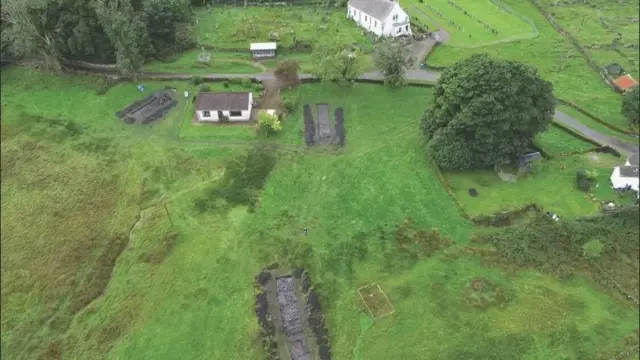
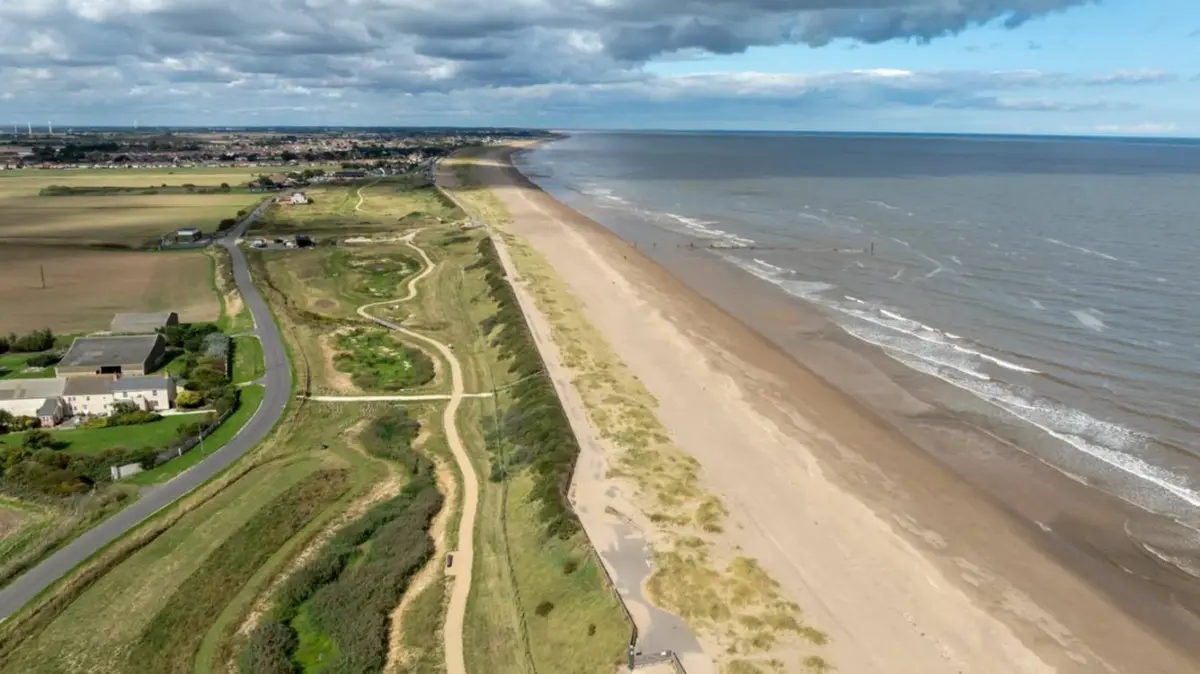
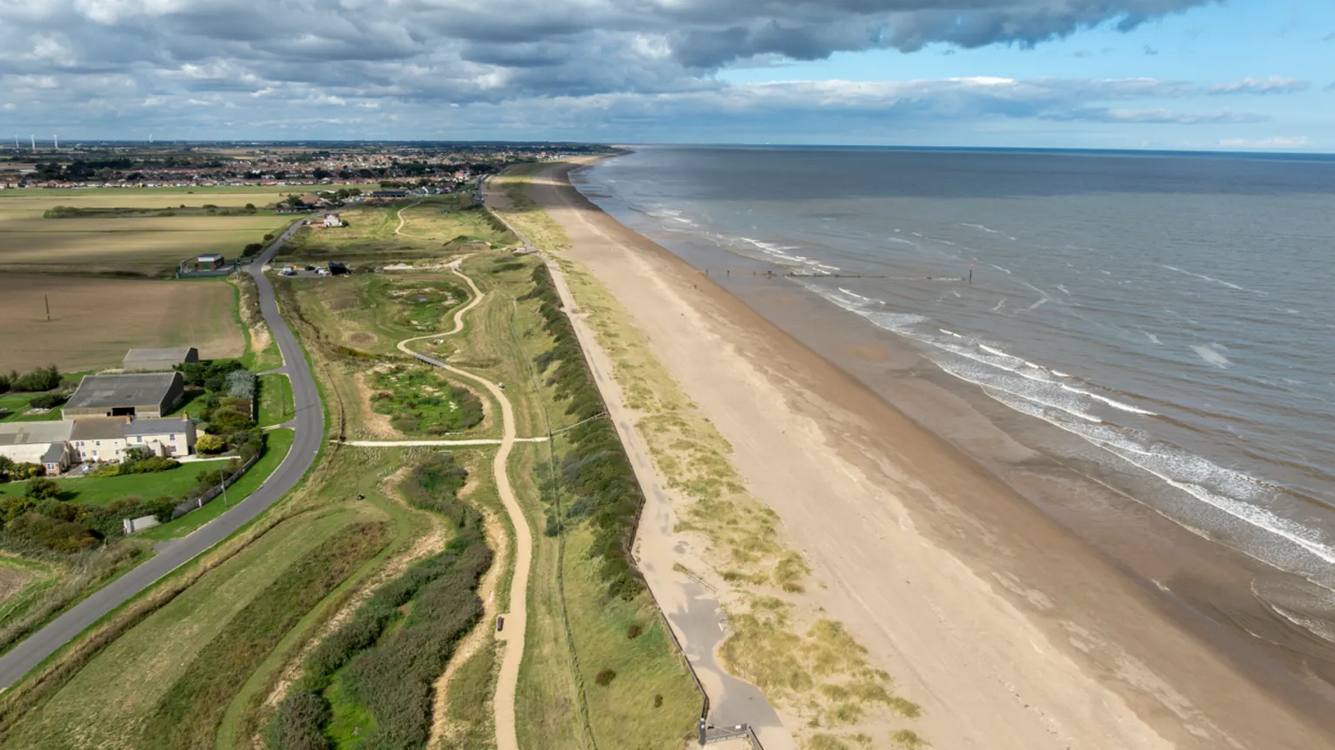
Known formally as the National Trust Sandilands, this coastal Lincolnshire property was acquired by the conservation charity in 2020. In the years following, environmental workers and conservationists embarked on an ambitious project, digging out space to craft a dynamic new wetland ecosystem. Stretching across an expansive area equivalent to roughly 45 football fields, the newly revitalized terrain shares a promising commitment to sustainability: none of it will ever see a single drop of synthetic pesticide or public drinking water again. This initiative represents a radical departure from the traditional management style of such properties, offering a glimpse into how human-altered landscapes can be returned to nature.
For decades, golf courses have covered vast acreages around the world, earning a complex reputation among environmental scientists. While they offer large expanses of open green space, they have also become infamous as copious consumers of precious water resources, potential pollution hotspots, and biodiversity dead zones. This ecological strain is often driven by the heavy use of non-native plant species that require intensive upkeep, alongside chemical fertilizers and pesticides that can inadvertently harm vital pollinators like bees and butterflies. At the same time, these grounds occupy millions of acres of valuable land, sitting in a unique ecological paradox.
Paradoxically, while standard maintenance practices can harm local ecosystems, the physical layout of these grounds often makes them magnets for wildlife, which are naturally attracted to the large stretches of open green space, mature trees, and relatively undisturbed quiet. While this inherent layout lent itself perfectly to Sandilands undergoing a full-fledged rewilding transformation into a nature reserve, other operational golf courses around the world are adopting a distinctly greener mindset in managing their living turf without sacrificing the sport itself.
Stateside, a prominent example of this operational shift can be found in Aurora, Colorado. The CommonGround Golf Course has successfully adopted a progressive, regenerative model for managing its playing surfaces with the expert assistance and guidance of the Denver Botanic Gardens. As part of this sweeping ecological overhaul, much of the traditional, water-heavy foliage and purely decorative ornamental elements have been systematically replaced with resilient native wildflowers. Furthermore, the reliance on precious potable water for irrigation has been phased out, replaced entirely by treated grey water to sustain the turf that remains in play.
Detailing the operational realities of this transition, Mitch Savage, the golf superintendent at CommonGround, spoke about the initiative with Colorado Public Radio, highlighting the broader implications of their water management strategy. The facility is actively utilizing recycled treated wastewater to keep the grounds viable. Savage noted that approximately 33% of Colorado’s golf courses currently utilize recycled wastewater, a figure that stands significantly higher than the national average across the United States. Expressing a deep sense of institutional pride, Savage emphasized that these modern management choices ensure golf courses are no longer drawing away valuable, clean drinking water resources from local human residents.
The adoption of native plant landscaping and the total elimination of chemical pesticides have yielded immediate, measurable benefits for local fauna. Most notably, these changes have triggered a notable rise in the number of birds nesting, foraging, and dwelling directly between the playing holes. In a testament to the success of this habitat restoration, local observers recorded an impressive 40 distinct species of birds on CommonGround’s green in a single day.
Experts point out that because these properties are typically situated away from the heavy congestion of automobiles, overhead powerlines, intrusive electromagnetic radiation, towering concrete buildings, and the relentless noise of city life, they inherently function as near-perfect bird havens. This is an advantage that the National Trust’s specialized team at Sandilands has observed firsthand as they monitor the rapid ecological recovery of the Lincolnshire coast.
Reflecting on the critical importance of such spaces, Sandilands area ranger Katie Scott shared insights regarding the influx of wildlife. Many of the species that researchers and visitors will encounter at Sandilands are classified as endangered or rare, depending heavily on protected, undisturbed coastal environments like this one to rest safely, feed adequately, and successfully breed. Scott noted that even before the extensive restoration project was officially completed, nature had already begun to return on its own accord. During the most recent breeding season, avocets and oystercatchers successfully nested and produced offspring on the property, while little ringed plover chicks were formally recorded on the site for a second consecutive year.
The potential scale of these environmental interventions is staggering when looking at national land-use data. Comprehensive data compiled by the United States Department of Agriculture and examined by financial and data analysts at Bloomberg revealed that an estimated 2.24 million acres of land across the United States are currently dedicated to the sport of golfing. To put that massive footprint into perspective, the total land area consumed by golf courses in the U.S. alone is larger than the entire state of Delaware. Implementing forward-thinking changes similar to those pioneered at CommonGround—such as adopting native flora and recycling irrigation water—could make a massive, compounding difference in supporting local wildlife populations on a national scale.
As more property managers, conservation trusts, and communities look for innovative ways to balance human recreation with ecological preservation, the transformation of these landscapes demonstrates that environmental stewardship and popular outdoor activities do not have to be mutually exclusive. Whether through complete structural rewilding projects like the National Trust Sandilands or progressive operational reforms like those at CommonGround Golf Course, the ongoing shift toward sustainable land management offers a hopeful path forward for native flora and fauna alike.