
Recently, a reader of the prominent personal finance platform Mr. Money Mustache challenged the movement’s core tenets, arguing that the traditional blueprint relies too heavily on past privileges. The reader noted that a significant portion of early retirement advocates built their wealth during a distinct economic era, benefiting from six-figure technology salaries and pre-2019 real estate prices that are largely out of reach for younger generations today.

The critique pointed to common financial advice such as "house hacking" or purchasing fixer-uppers, suggesting these strategies are increasingly complex or outright blocked by local zoning laws and modern market conditions. Furthermore, the commenter expressed a desire for a new generation of financial independence perspectives tailored to individuals who do not already own homes or command tech-sector incomes.
In response, the blog’s founder evaluated the critique to determine whether the foundational principles of what is known as Mustachianism are genuinely becoming obsolete or if the friction is largely a product of external economic headwinds and common resistance to change. Over the years, the FIRE philosophy has faced numerous declarations of obsolescence as economic cycles have turned, yet the core mechanics of wealth accumulation have consistently pointed back to personal spending habits rather than macro conditions alone.
Addressing the concern surrounding high technology salaries and income disparities, the commentary acknowledged that certain professions naturally yield higher compensation. While career mobility and income growth remain important tools, the focus of the financial independence philosophy has historically centered less on the absolute amount earned and more on the systemic management of household waste.
Data highlights a recurring phenomenon where high earners across various industries—including software engineers and medical professionals—still experience financial stress despite decades of substantial income. According to financial independence advocates, earning a high salary over a span of thirty years while accumulating little to no savings mathematically points to an equally high rate of consumption. Consequently, streamlining expenses, reducing waste, and maintaining a purposeful approach to spending remain critical skills at any level of the income ladder.
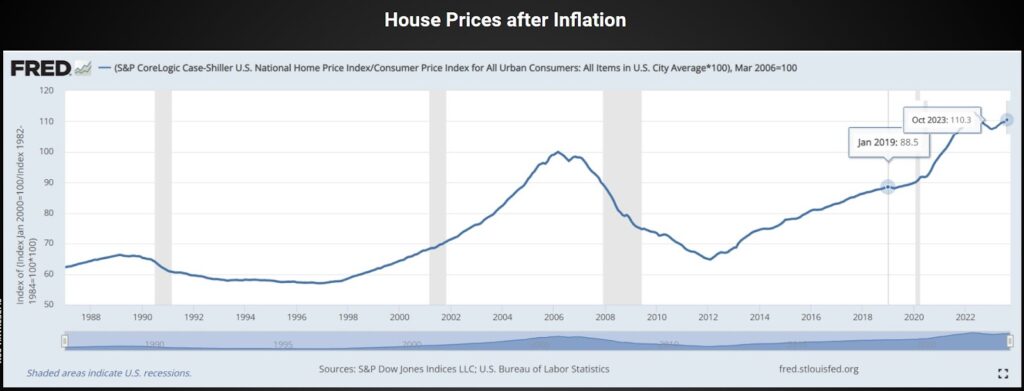
The conversation naturally shifts to the second major hurdle raised by critics: the housing market. Inflation-adjusted data provided by the Federal Reserve Bank of St. Louis indicates that nationwide house prices have risen by approximately 25 percent relative to average salaries and general inflation since the beginning of 2019. While this increase represents a notable economic shift, it places housing costs roughly 10 percent higher than the previous peak recorded in early 2006, suggesting that current conditions, while difficult, do not fundamentally break the long-term mechanics of financial independence.
However, national averages often mask severe regional disparities. In localized markets, such as Longmont, Colorado, median home prices have tripled since the early 2010s, vastly outpacing local wage growth and pricing out many average buyers.
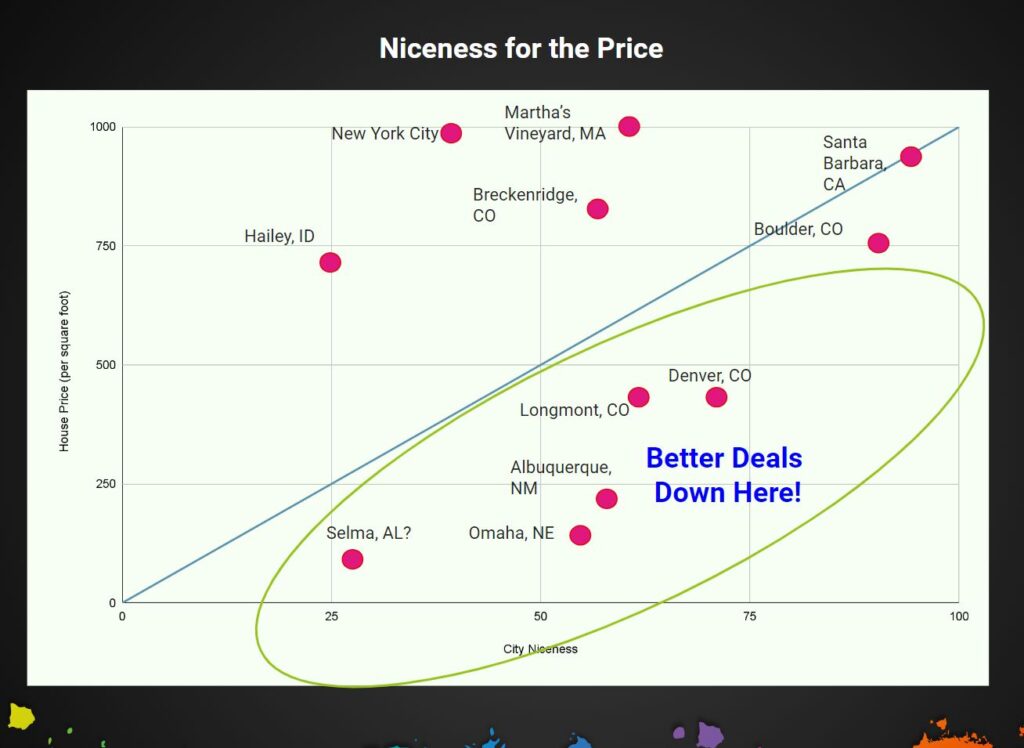
To navigate these structural challenges, proponents of the movement argue that consumers must move away from viewing housing as an entitlement dictated strictly by birthplace and instead approach real estate as a fluid consumer product subject to supply and demand. Just as being born in a specific high-cost technology hub does not guarantee a continuous supply of premium consumer goods, maintaining a geographic preference without regard for financial reality can stall long-term wealth creation.
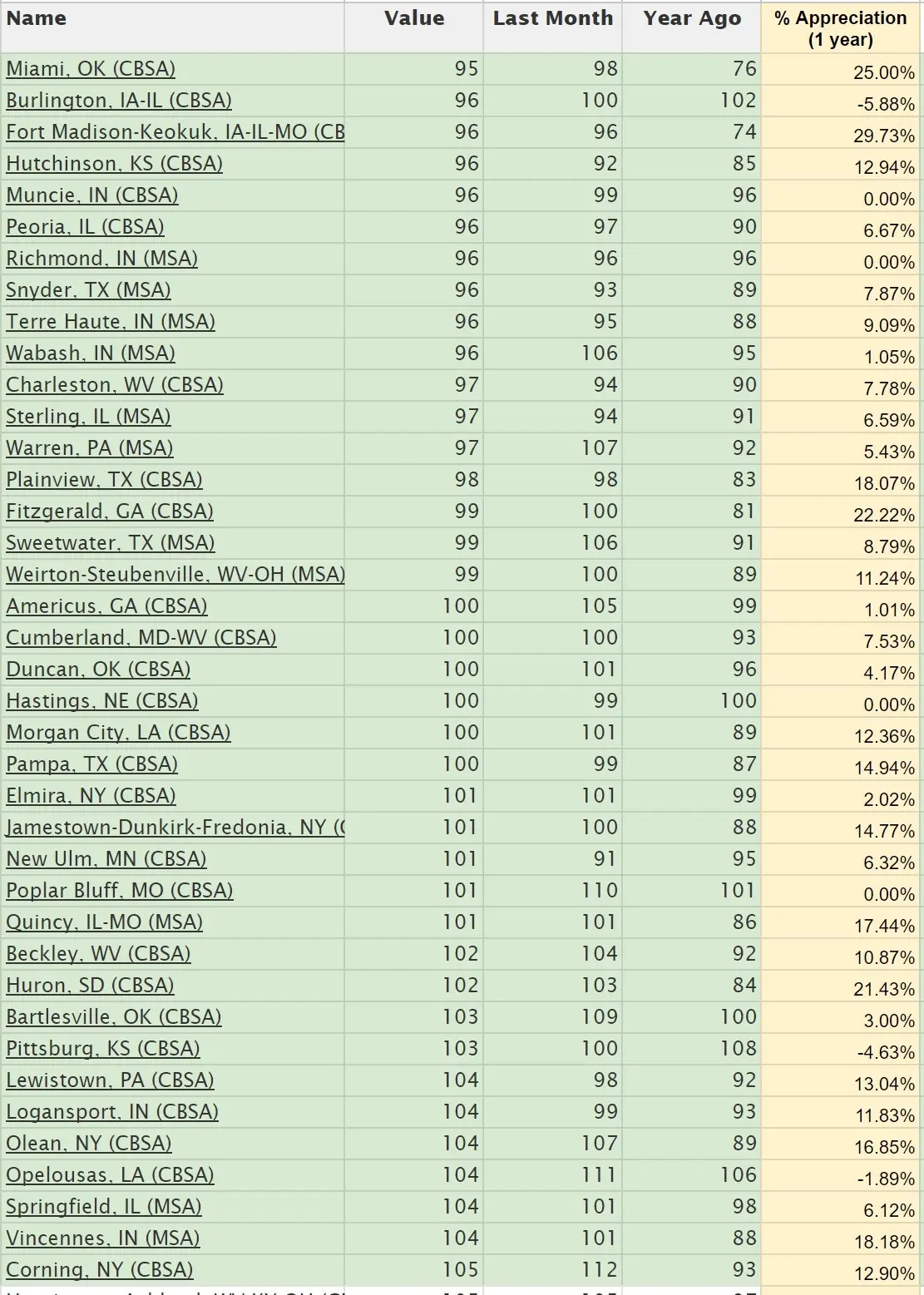
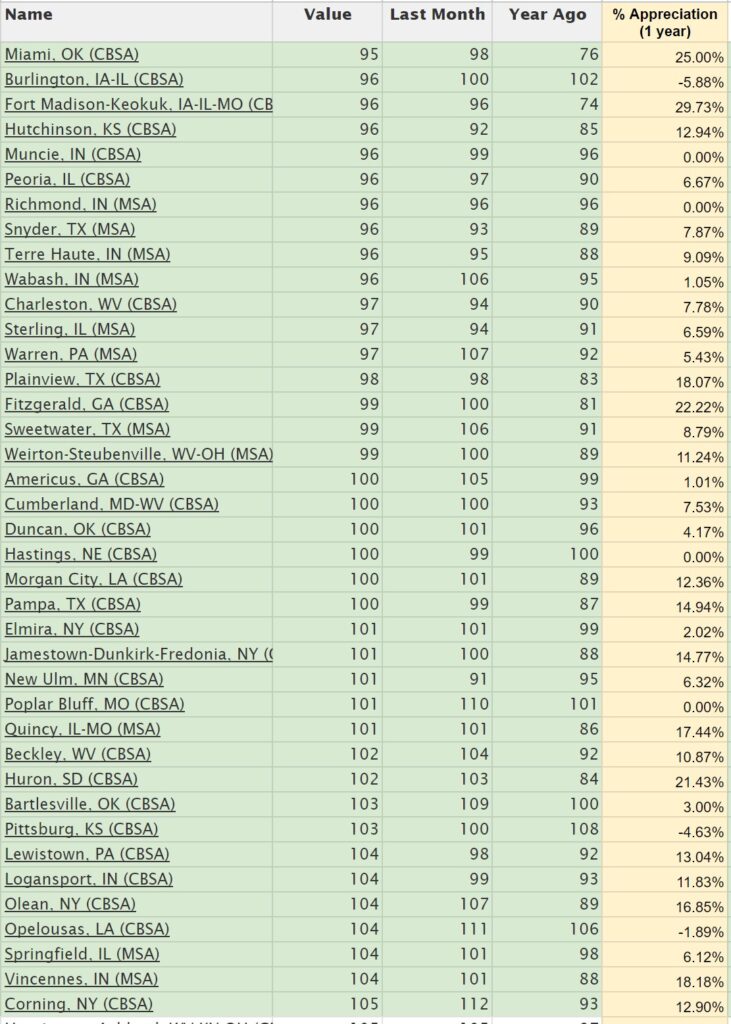
Evaluating housing options requires rigorous analysis, weighing the distinct financial variables of renting, buying, or alternative living arrangements. When local markets become prohibitively expensive, expanding the geographic search horizon often reveals substantial opportunities. Regional data comparing price-per-square-foot metrics across hundreds of metropolitan areas demonstrates a wide spectrum of housing costs nationwide, with certain mid-sized cities offering significantly more affordable living conditions while maintaining desirable amenities, climate, and recreational access.
Beyond domestic relocations, some members of the financial independence community look toward international options to optimize their cost of living. Digital planning resources designed for early retirees allow individuals to filter global cities by specific financial parameters, family size, climate preferences, and housing expenses. These tools often highlight international regions where monthly living costs are fractionally lower than in major North American urban centers.
While moving internationally or to an unfamiliar domestic region introduces logistical hurdles—such as navigating new legal systems, bureaucratic paperwork, and the emotional friction of leaving familiar social circles—advocates argue that these challenges are manageable administrative tasks. Facing these discomforts is often framed as a minor inconvenience when compared to the alternative of working an extra decade or more simply to sustain the high cost of living in an unaffordable hometown.
Ultimately, the debate underscores a broader philosophical point regarding the pursuit of financial independence. While the cost of living and housing affordability present undeniable hurdles in the current economic climate, the underlying strategy relies on individual agency, adaptability, and the willingness to question conventional lifestyle assumptions. Whether through optimizing local spending, relocating within the country, or exploring international opportunities, the foundational approach to building wealth remains rooted in deliberate choices rather than passive acceptance of external economic conditions.