What ingredients should I look for in a moisturizing body wash?
When evaluating the vast landscape of body cleansers, experts emphasize that the primary goal of a moisturizing formula goes beyond mere cleansing—it must actively hydrate and support the delicate skin barrier. Cincinnati-based cosmetic chemist Kelly Dobos points consumers toward powerhouse ingredients like niacinamide, also widely known as vitamin B3. This versatile compound is celebrated in the cosmetic chemistry community for its ability to brighten the complexion, boost the skin’s natural production of ceramides, and deliver essential antioxidant benefits.
"Niacinamide is an ingredient with numerous advantages; as a cosmetic chemist, I love its versatility in formulations," Dobos explains.
Complementing niacinamide are ceramides, lipid molecules that play a critical structural role in maintaining skin health. New York City-based dermatologist Dr. Joshua Zeichner previously noted that ceramides function similarly to mortar between bricks, helping to fill in the microscopic cracks between skin cells. This barrier-repairing action significantly improves both the tactile feel and the overall physiological health of dry, irritated skin. For those seeking lasting softness, dermatologists and cosmetic chemists frequently recommend incorporating ingredients such as shea butter, nourishing jojoba oil, and soothing algae extracts. Additionally, humectants like hyaluronic acid draw moisture into the skin, keeping it hydrated and clear.
Beyond natural oils and barrier-supporting lipids, synthetic compounds also play a crucial, non-negotiable role in creating a high-performing body wash, even when their chemical names are difficult to pronounce.
"Combinations of two to three synthetic surfactants are essential for good cleansing and foaming, and increasing mildness. Cocamidopropyl hydroxysultaine and cocamidopropyl betaine are examples of mild secondary surfactants," Dobos notes, explaining that these components ensure the product cleans effectively without stripping the skin’s integrity. Furthermore, specialized conditioning polymers like guar hydroxypropyltrimonium chloride offer unique functional benefits. "One ingredient that is particularly useful in body wash is guar hydroxypropyltrimonium chloride, a conditioning polymer with many positive charges that make it substantive to dry skin," Dobos adds. "It can help deposit other ingredients on the skin too."
What should I avoid in a body wash for dry skin?
While identifying beneficial ingredients is only half the battle, knowing what to leave on the shelf is equally critical for individuals struggling with dryness or compromised skin barriers. Although not every consumer experiences adverse reactions to fragrance in personal care products, opting for a fragrance-free formula significantly minimizes the risk of irritation, which in turn prevents barrier weakening and subsequent moisture loss.
"Try to avoid fragrances, cleansers with a high pH, or soap-based cleansers," advises Dr. King, a prominent dermatologist. She clarifies that the term "soap" in this context does not necessarily refer strictly to traditional bar soap, but rather to any cleanser formulated with a high pH level. "Skin has a neutral to slightly acidic pH, so you want cleansers that mimic that and support barrier health," Dr. King explains. "If it has tons of ingredients, ditch it. Keep it simple!"
Consumers are also strongly advised to steer clear of harsh, skin-stripping detergents such as sodium lauryl sulfate (SLS). This common foaming agent can aggressively strip the skin of its natural lipid barrier, ultimately leading to heightened dryness and discomfort. For individuals managing specific skin conditions like eczema, the formulation requirements become even more stringent. Dermatologist Dr. Olga Bunimovich emphasizes that individuals with eczema should strictly avoid body washes featuring acne-targeting active ingredients like salicylic acid or benzoyl peroxide. These components, while effective for treating blemishes, can be exceptionally drying and irritating to sensitive, compromised skin. Dr. Bunimovich recommends that anyone dealing with the dual challenge of acne-prone and very dry skin consult a board-certified dermatologist before introducing a new body wash into their daily routine.
How we test and review products
Understanding how skincare products make the cut in professional beauty reviews provides valuable context for consumers navigating the market. Comprehensive editorial and scientific evaluations require looking at products from every angle to serve the reader effectively. This multifaceted review process involves scrutinizing ingredient lists, critically evaluating brand marketing claims, and, when necessary, examining peer-reviewed scientific and medical literature.
Rigorous testing protocols dictate that every product included in a professional review must undergo hands-on evaluation by an editorial team composed of in-house writers, editors, and industry contributors. This process is heavily informed by insights from respected experts who shape fields such as dermatology, cosmetic chemistry, and general medicine, ensuring that every formulation is thoroughly vetted for safety and efficacy.
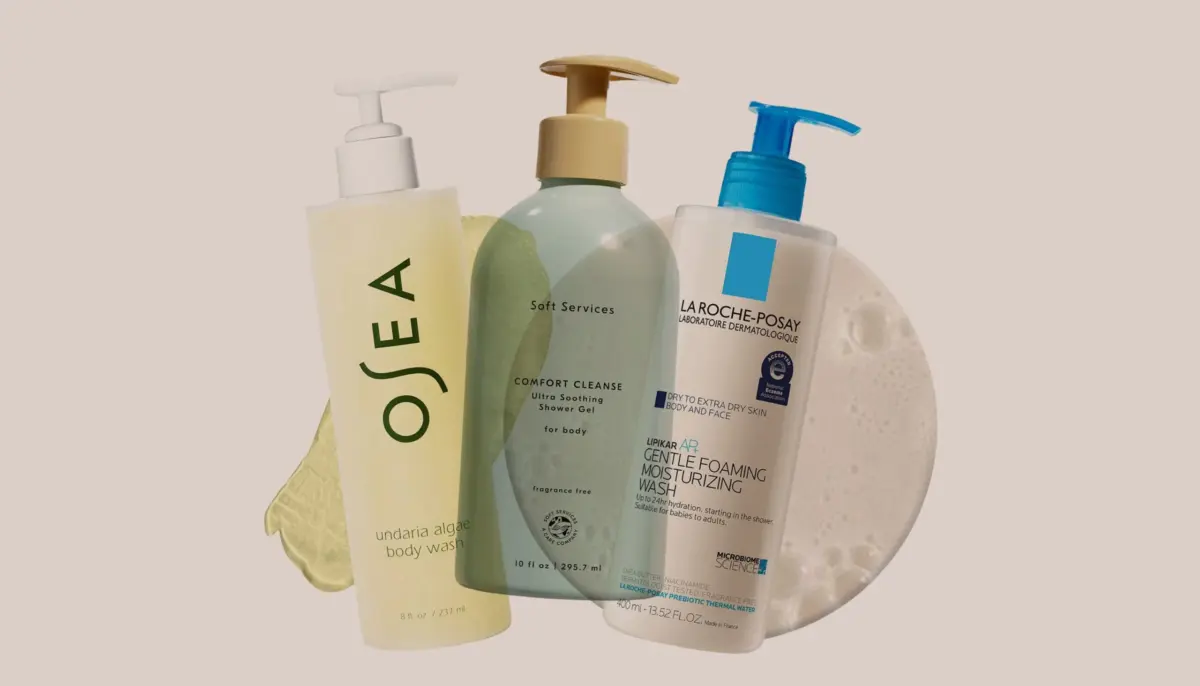
When determining the absolute best body washes for dry skin, evaluators analyze performance across five primary categories: product ingredients and overall efficacy, packaging design, fragrance profile or lack thereof, texture, and product wear over time. Only products that demonstrate excellence across every single category are deemed worthy of recommendation, with special consideration given to the clinical insights of board-certified dermatologists.
Our staff and testers
Choosing a beauty product is an inherently personal experience, whether an individual is searching for a rich face cream to combat persistent winter dryness, investing in a specialized nail treatment for a weekend self-care routine, or simply exploring the latest innovations in the hair care market. Regardless of the specific consumer need or individual skin concern, media outlets and product reviewers strive to ensure absolute trust in their recommendations.
Achieving this level of reliability requires maintaining a diverse team of writers and editors, supplemented by a broad network of external testers and industry experts. The validity of a skincare recommendation depends entirely on the breadth of the testing pool. For instance, a skincare product cannot truthfully be labeled the best option for mature skin if it has only been tested by individuals under the age of thirty, nor can a high-end hair styling tool be deemed universally worthy of investment if it has never been evaluated on various curl patterns. By ensuring that editorial staff and testing panels span a wide range of ages, skin tones, hair textures, genders, and personal backgrounds, product reviewers can fairly and accurately assess the diverse array of beauty products that enter the testing room.