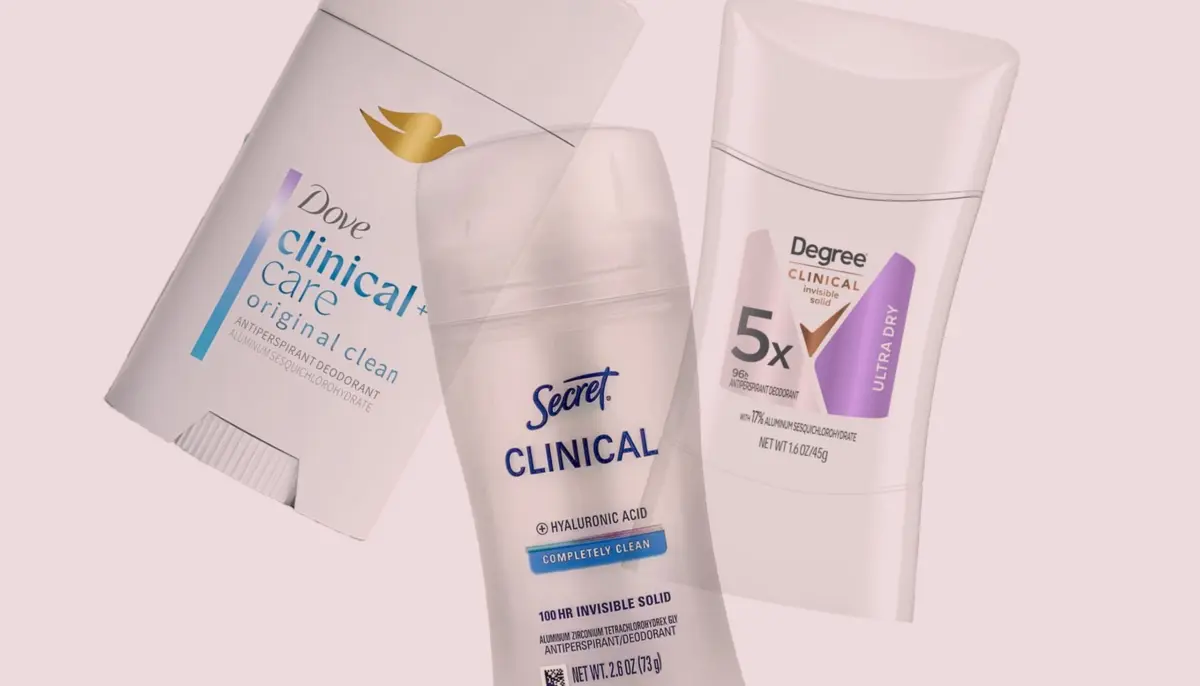
According to Dr. Vidya Shivakumar, a board-certified dermatologist based in Chicago, clinical deodorants typically contain higher concentrations of active sweat-reducing ingredients, such as aluminum salts. These compounds work by temporarily blocking the sweat ducts, thereby decreasing overall perspiration.
Understanding the specific active ingredients found in these formulations can help consumers make informed decisions about their personal care routines. Aluminum chloride is a common active ingredient known for its high potency, typically found in concentrations between 12 and 15 percent. Other effective options include aluminum zirconium compounds and aluminum sesquichlorohydrate. While these alternatives are generally slightly less potent than aluminum chloride, they offer a distinct trade-off, as they tend to be less likely to cause skin irritation. For products containing aluminum zirconium compounds, Dr. Oska recommends a concentration range of 15 to 20 percent.
While sweating is an entirely natural and essential bodily function, excessive perspiration can sometimes interfere with daily life. Experts note that individuals who find themselves frequently having to reapply regular deodorant throughout the day, constantly changing into fresh clothes, or simply feeling uncomfortably sweaty may benefit significantly from transitioning to a clinical-strength option.
Furthermore, stepping up to a clinical-strength deodorant can prove helpful for individuals who experience persistent body odor despite maintaining rigorous personal hygiene practices. Dermatologists emphasize that when sweating begins to noticeably impact an individual’s confidence, clothing choices, or overall social comfort, it is often a clear sign that a clinical-strength option may be appropriate. However, if excessive sweating or persistent body odor continues even after switching products, consumers are advised to consult a board-certified dermatologist. Medical professionals can properly diagnose any underlying conditions and provide prescription-strength treatments if necessary.
When evaluating which ingredients to look for in a clinical-strength deodorant, Dr. Spearman recommends focusing on aluminum-based active ingredients, such as aluminum chloride or aluminum zirconium, particularly if managing sweat or hyperhidrosis is the primary concern. These ingredients play a crucial role in significantly reducing sweating, while accompanying deodorizing agents like sodium bicarbonate help combat odor caused by bacteria living on the skin’s surface.
At the same time, consumers with sensitive skin should exercise caution. Because these stronger active ingredients create a more substantial blockage within the sweat ducts, individuals prone to irritation might want to avoid formulas that feature high concentrations of potent actives alongside heavy fragrances, a point previously highlighted by Dr. Michael Tassavor, a board-certified dermatologist practicing in New York and New Jersey.
Evaluating the effectiveness and safety of personal care products requires rigorous analysis, a standard upheld by industry reviewers and publications like Allure. When evaluating products, editorial teams examine items from multiple angles to serve consumers effectively. This process includes reviewing ingredients, scrutinizing brand claims, and referencing peer-reviewed scientific and medical studies when necessary. Editorial standards also rely heavily on recognized experts who shape fields such as dermatology, cosmetic chemistry, and medicine to help vet ingredients and formulations.
For assessments of clinical-strength deodorants, performance is typically measured across several primary categories, including product ingredients and efficacy, packaging, fragrance, texture, and product wear. Products selected for distinction generally excel across all categories following evaluations by in-house writers, editors, contributors, and input from board-certified dermatologists.
Ensuring that beauty and personal care recommendations meet the diverse needs of consumers requires a broad and inclusive approach to testing. Because beauty product purchases are deeply personal—ranging from face creams for persistent dryness to specialized hair care—maintaining a diverse team of writers, editors, outside testers, and industry experts is essential. Relying on a varied roster of perspectives ensures that product evaluations accurately reflect how items perform across different ages, skin tones, hair textures, genders, and backgrounds, ultimately providing reliable guidance for consumers navigating the crowded marketplace.