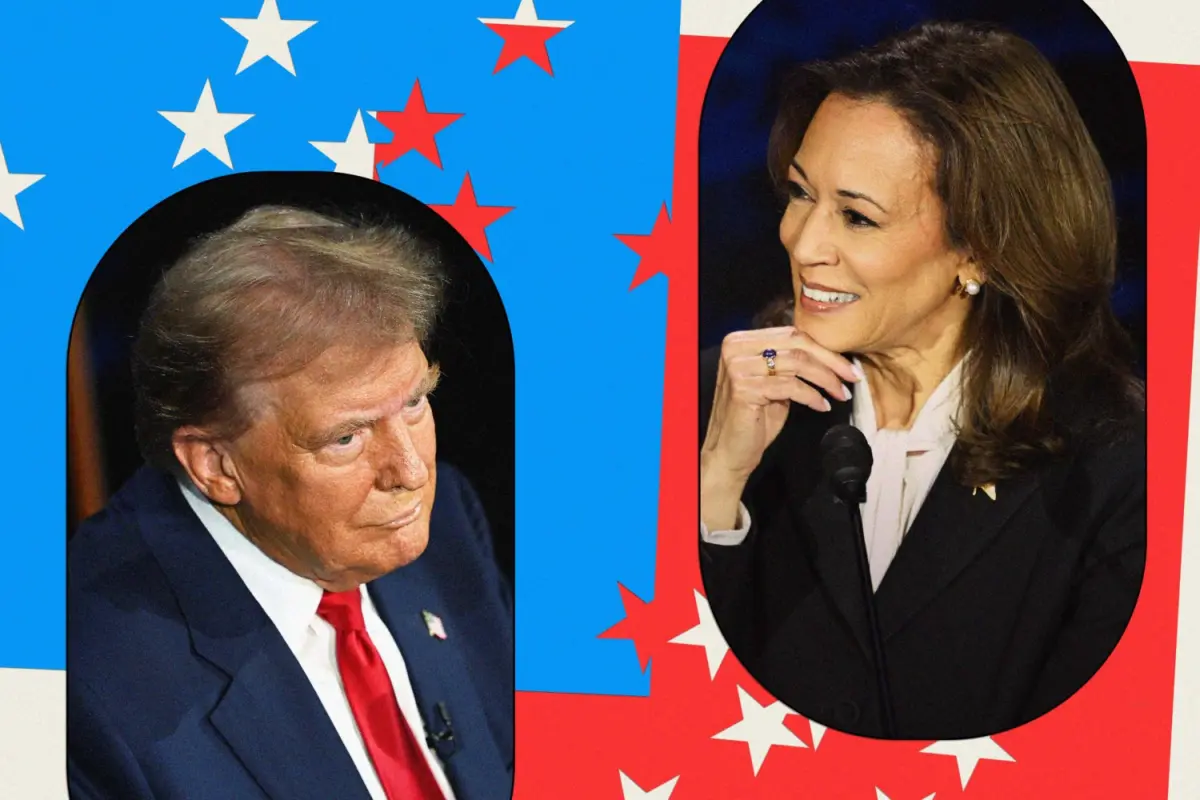
Yet, despite the wisdom of tuning out political spectacles, one critical arena demands a rigorous factual correction: the economy. Politicians are rarely celebrated for their technical mastery over complex disciplines like science, technology, or macroeconomics. During election cycles, however, political discourse frequently descends into profound irrationality. Candidates across the ideological spectrum routinely manipulate undecided voters in key swing states by championing economic policies and claims rooted in emotional appeals rather than sound financial principles.
A prime illustration of this phenomenon involves the persistent narrative pushed by the opposition party—led by Donald Trump—characterizing the current national landscape as a "bad economy." In objective reality, the United States economy remains remarkably robust, underpinned by historic lows in unemployment. Constructing a superior economic scenario is difficult, and the recent bout of elevated inflation serves primarily as a symptom of an economy that was operating at a blistering pace, necessitating a deliberate cooling period through higher interest rates administered by the Federal Reserve.
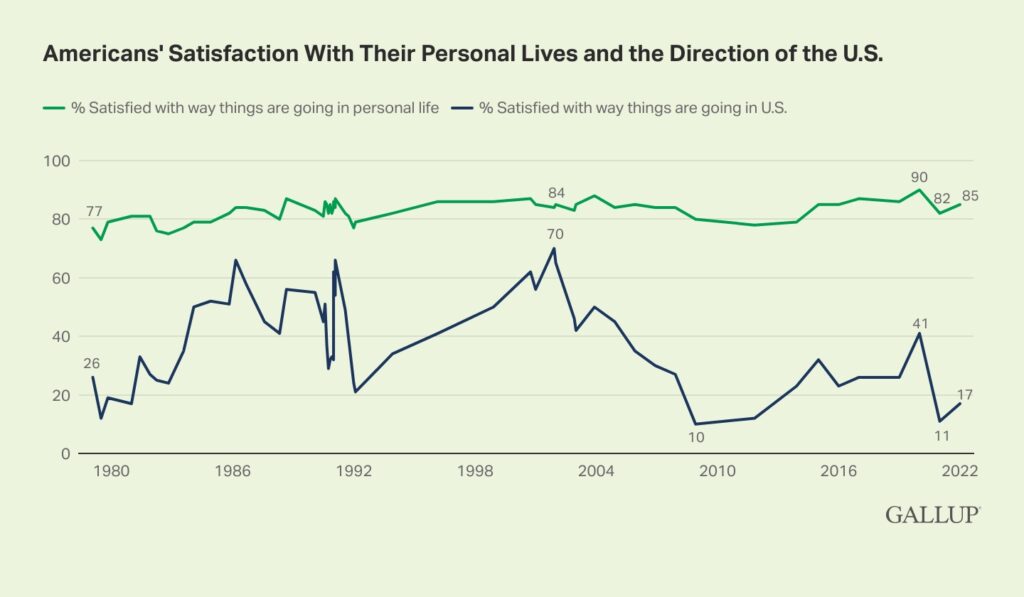
Despite these strong fundamentals, a pervasive public perception persists that the economic climate is failing. Recent data from Gallup polls highlights a fascinating paradox: while an overwhelming 85 percent of respondents report that their personal financial situations are thriving, only 17 percent believe the broader national economy is performing well. Mathematically, this widespread disconnect is impossible; if the vast majority of individuals are experiencing personal financial success, that reality constitutes the precise definition of a healthy economy. This disconnect correlates strongly with the proliferation of modern social media misinformation, where sensationalized grievances frequently overshadow objective data.

Rather than serving as beacons of accurate information, political campaigns and media outlets often amplify misleading narratives. While individuals can safely ignore stump speeches and return to their daily lives, achieving financial literacy remains a powerful advantage. A precise understanding of how economic systems genuinely operate directly empowers citizens to build lasting personal wealth. Examining the core economic claims advanced by contemporary politicians reveals a series of persistent misconceptions that continue to misguide the American electorate.
The President Controls the Economy
A cornerstone of modern political posturing is the attribution of economic fortunes or failures directly to the sitting occupant of the Oval Office. During a recession, opposition figures inevitably pin the downturn on the president. Conversely, when the economy expands, incumbents routinely claim personal credit for the boom. In reality, the United States economy operates on a scale far too massive—and thankfully too decentralized and free—for any single political figure to control or even heavily influence in the short term.
The domestic economy functions as a colossal engine, continuously converting labor and raw materials into tangible goods and services, ranging from consumer technology and medical facilities to everyday consumer products. Although the United States maintains the world’s largest national economy, accounting for roughly 26 percent of global economic activity, it remains deeply intertwined with and influenced by the remaining 74 percent of economic production generated by the rest of the world’s population.
Inevitable economic cycles of expansion and contraction are largely driven by human psychology—specifically alternating waves of irrational exuberance and greed, such as the housing boom leading up to 2007, followed by periods of extreme pessimism and fear, like the financial crash of 2008 through 2012. While federal policy and taxation play a role, the effects of government legislation are typically delayed and unpredictable. Drawing a direct, linear causal link between today’s political leadership and today’s stock market or employment figures misunderstands the vast, turbulent ocean of global commerce.
The President Controls Interest Rates
Another recurring theme involves candidates expressing deep sympathy for middle-class Americans grappling with higher borrowing costs for mortgages, auto loans, and credit cards, while promising to aggressively lower interest rates. Donald Trump, for instance, has frequently criticized the independent Federal Reserve board and suggested that a president should exert direct influence over monetary policy decisions.
Monetary policy serves as a vital set of economic accelerators and brakes when managed by independent experts. If an administration or political actor were to seize direct control of interest rates—a scenario observed in unstable foreign economies like Argentina—the resulting mismanagement could severely destabilize the financial system. When economic activity slows and unemployment rises, strategic cuts to interest rates stimulate job creation and asset prices. Conversely, when the economy overheats, rising rates help curb rapid inflation, preserving the long-term integrity of the currency. Preserving the independence of the central bank is essential for maintaining this delicate financial balance.
Inflation Has Ruined American Prosperity
The political rhetoric surrounding inflation often ignores fundamental economic indicators. Following the global disruptions of the COVID-19 pandemic, the economy experienced a period of rapid inflation driven by a rare convergence of factory closures, remote work shifts, supply chain bottlenecks, and robust consumer demand fueled by federal stimulus and low interest rates. These supply and demand imbalances have largely stabilized, bringing inflation back down to a moderate level near 2.4 percent.
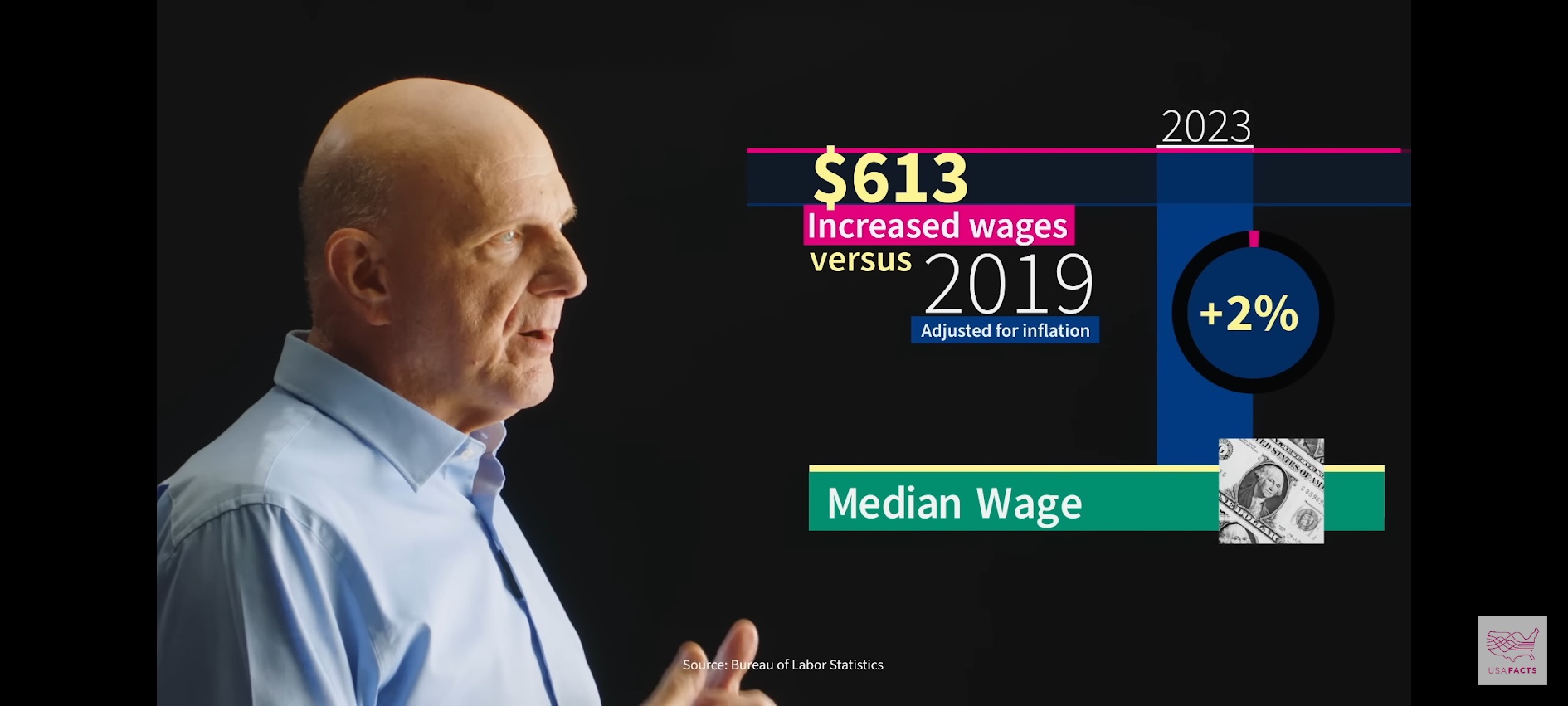
Crucially, wage growth has consistently outpaced inflation over the long term, leaving the average worker in a stronger financial position than before. Since 2019, overall consumer prices have risen by roughly 19 percent, while wages have climbed by approximately 21 percent. Despite these gains, political campaigns continue to treat inflation as a raging crisis, frequently promising to artificially roll back consumer prices. This rhetoric conflates higher nominal wages and prices with a failing economy, misleading the public into believing a prosperous market is somehow detrimental. Furthermore, accusations directed at corporations for orchestrating "greedflation" to hoard profits fail to account for the highly competitive nature of domestic markets, as independent analyses of grocery store margins have repeatedly demonstrated.
The President Controls Housing Prices
Housing affordability has emerged as a central concern, with home prices and rental rates rising significantly faster than general inflation and wage growth over the past decade. Higher interest rates were intended to cool housing valuations, but the combination of elevated purchase prices and steep borrowing costs has created a severe affordability crunch for prospective buyers.
Rather than offering viable solutions, political candidates frequently propose policies that risk exacerbating the crisis, such as direct subsidies for first-time homebuyers or artificial interventions to lower mortgage rates. Genuine relief requires addressing the root cause of the shortage: an inadequate supply of housing. Streamlining municipal permitting processes, modernizing rigid building codes, reforming suburban-style zoning and parking mandates, and limiting the ability of local opposition to restrict residential development on private land could drastically reduce construction costs and expand housing availability.
Gasoline Prices and Automotive Evolution
Gasoline pricing remains a perennial talking point in national politics, despite representing a declining share of modern household expenditures. Adjusted for inflation, gasoline prices hover remarkably close to their historical averages recorded decades ago, remaining within a standard range per gallon in modern dollars. Furthermore, fuel costs account for a very small fraction of disposable income for the average household, especially when compared to the broader expenses associated with vehicle ownership.
With the rapid maturation of electric vehicle technology, internal combustion engines are increasingly becoming obsolete. Used electric vehicles are frequently available at competitive price points compared to traditional gas-powered alternatives, offering lower maintenance overhead and zero gasoline consumption. The ongoing political fixation on fossil fuel pricing mirrors debating the market value of obsolete consumer technology rather than focusing on future-oriented economic infrastructure.
Reevaluating National Economic Anxiety
Ultimately, mainstream political discourse tends to hyper-focus on macroeconomic metrics that have long surpassed the threshold of genuine human necessity. For the average citizen in a developed nation, basic material needs have been abundantly met for decades. While wealth inequality remains a legitimate challenge requiring a progressive tax system to preserve social cohesion, accumulating additional capital beyond the point of financial sufficiency yields diminishing returns for human happiness.
True well-being is derived far more from personal mindset, community connection, and life skills than from incremental increases in household income. While elections remain an important mechanism for civic participation, recognizing the limitations of political influence over daily life allows individuals to focus on sustainable financial principles, personal agency, and long-term peace of mind.