
While stock market volatility often arrives without a clear, universally agreed-upon explanation, the catalyst behind this recent turbulence has appeared remarkably straightforward to market observers: the imposition of sweeping international tariffs. As the global financial ecosystem has experienced intense fluctuations over the past several months, stakeholders across the country have grappled with what to make of the shifting landscape.
As the outcome of the worldwide tariff and trade disputes remains unsettled, the tangible results are already visible across the commercial landscape. Businesses are actively bracing for substantial regulatory and operational changes, foreign exchange currencies and interest rates are reacting in real time, and everyday investors are reassessing the long-term outlook for their retirement funds and financial portfolios. Conversations among everyday citizens and investors reveal a wide spectrum of reactions, ranging from dismissive optimism that the policy shifts represent a temporary non-issue to deep anxiety regarding broader economic stability.

Understanding the root of these widespread anxieties requires returning to the fundamental mechanics of trade policy, beginning with a basic economic definition.
What is a Tariff?
A tariff is fundamentally a sales tax levied by the federal government on goods imported from outside the country. These taxes are paid directly by the importing entity—whether that is an individual consumer purchasing an item directly from an overseas manufacturer, or massive retail corporations such as Amazon, Walmart, and Apple bringing in commercial goods by the shipload.
However, the economic reality of tariffs means that the financial burden is ultimately transferred to the end consumer. When the cost of importing goods increases due to added taxation, retailers naturally raise their retail prices to maintain profit margins. Beyond retail goods, tariffs directly impact heavy industry and infrastructure projects. When major corporations undertake large-scale construction, such as building new retail stores or industrial energy infrastructure, taxes on imported steel, copper, lumber, and countless other raw components significantly inflate project costs. These increased material costs subsequently flow down into the broader housing market, as the construction materials utilized in residential buildings routinely originate from international supply chains.

In practice, broad-based tariffs function similarly to any other consumption tax, generating higher prices across a wide array of goods. The overarching economic effect is a general slowing of economic velocity and a measurable reduction in consumer spending power. On the fiscal side, the collected revenue flows directly into the federal treasury, which can theoretically contribute to broader budgetary funding or deficit reduction.
Government functionality inherently requires tax revenue, typically gathered through a balanced mix of sales, income, and corporate taxes. Economists generally emphasize that these tax structures should remain as low as possible to sustain public infrastructure while offering fair, predictable frameworks that incentivize labor and long-term business planning. Current trade policies, however, have departed from this traditional predictability through fluctuating tariff threats and frequent adjustments.
Evaluating the Arguments For and Against Protectionist Policies
Governments occasionally implement tariffs with the explicit goal of protecting domestic industries from foreign competition. For instance, placing a punitive tax on imported automobiles grants domestic manufacturers a direct competitive advantage, allowing them to capture a larger market share and increase profitability. While domestic manufacturers and their workforce may benefit from this protective barrier, everyday consumers frequently bear the cost through higher retail prices and a narrower selection of available goods.

Such protectionist measures are sometimes deployed for strategic national security purposes, such as ensuring domestic production capabilities for critical defense equipment like aerospace technology. In other instances, trade policies become influenced by lobbying efforts from specific industrial sectors seeking to safeguard domestic profit margins. Bipartisan utilization of these policies has been evident across multiple administrations. Recent presidential terms have seen trade restrictions placed on various industrial components, including imported solar panel materials and technology components, despite the role cheap energy infrastructure plays in lowering long-term costs of living and boosting industrial competitiveness.
Proponents of tariffs often point to the potential for domestic job creation and industrial expansion. If imported goods face steep financial penalties, consumers may pivot toward domestic alternatives, driving up sales for local manufacturers. In response to heightened demand, domestic firms may hire additional workers, expand factory output, and invest in new technologies, potentially fostering a localized economic boost.
At the same time, this localized growth often comes at the expense of the wider economy. When domestic producers face less direct competition from foreign alternatives, they may experience reduced incentives to innovate or streamline operational efficiency. Furthermore, higher input costs for foundational materials create a ripple effect across supply chains, increasing operational expenses for logistics providers, technology startups, and healthcare firms alike. Because of these systemic trade-offs, mainstream economic consensus favors utilizing tariffs sparingly, acknowledging that they frequently generate friction, decrease broad employment efficiency, and slow overall economic momentum unless deployed for specific national security or food security imperatives.
The Economic Impact and Market Reactions
The policy approach behind recent tariff announcements has puzzled many financial analysts. While public statements from administration officials have occasionally framed tariffs as a direct mechanism for generating national wealth, financial markets have reacted with immediate sensitivity. Share prices have routinely dropped following announcements of aggressive tariff escalations, reflecting corporate leaders’ and investors’ expectations of compressed profit margins and increased operational costs. Conversely, announcements regarding tariff pauses or reductions have regularly triggered market recoveries.
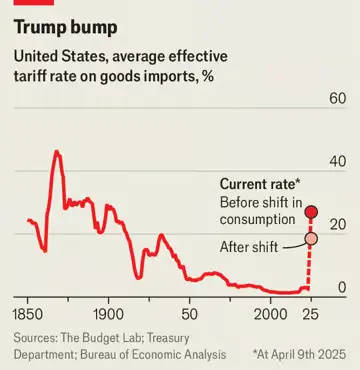
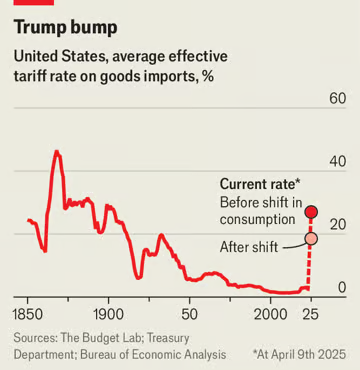
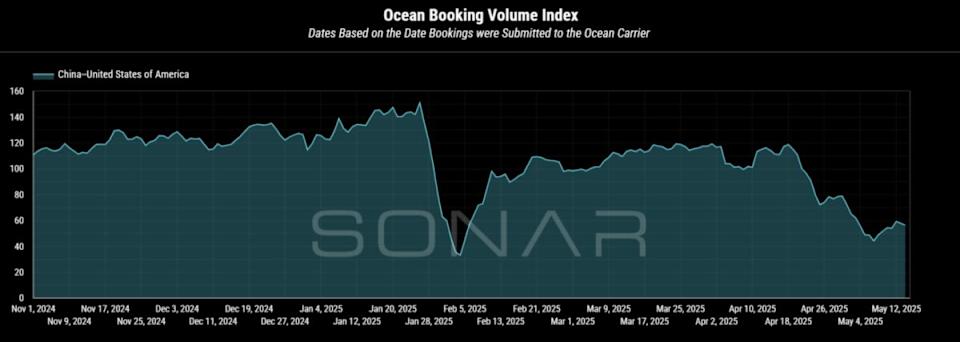
The current United States economy operates within a historical framework built upon low tariffs and relatively open international trade. Because the domestic economy functions similarly to a massive cargo ship with deep inventory reserves, the immediate effects of new trade policies often take months to materialize fully. Following initial policy announcements, importers aggressively accelerated orders to stockpile goods before tariffs took full effect. Consequently, import volumes adjusted significantly as businesses worked through existing inventories.
As these stockpiled goods deplete, economic analysts note that consumers and businesses may begin facing tangible price increases and potential supply chain bottlenecks. While minor consumer goods can see price adjustments with minimal systemic impact, increased costs for critical industrial tools, machinery, and raw components carry more substantial economic consequences.
Scenarios for the Future of Trade Policy
As the debate surrounding international trade policy continues, economic forecasters and market participants have outlined several potential trajectories for how the current situation might resolve.
One hypothetical scenario involves the persistence of historically high tariff levels. While considered less likely by many analysts due to widespread economic opposition, sustained high tariffs would likely lead to prolonged supply chain restructuring, higher baseline consumer prices, and persistent inflationary pressures across multiple industrial sectors.
Another widely anticipated scenario involves utilizing aggressive tariffs primarily as a diplomatic and economic negotiation tactic, eventually leading to stabilized trade agreements and a return to historically low tariff baselines. Historically, broad economic prosperity has been deeply tied to open trade networks and minimized trade barriers both domestically across state lines and internationally with allied trading partners.
As legal challenges regarding executive authority over trade policy play out across federal courts, the resolution of these ongoing disputes will likely determine the medium-term direction of the national economy. Meanwhile, long-term investors remain anchored in the broader historical resilience of the market, maintaining their positions through periods of short-term volatility while monitoring developments in trade policy and democratic governance.