The journey began a couple of years ago when the prominent financial blogger published a post detailing his active attempt to loosen the purse strings. Reflecting on that initial decision to upgrade his vehicle and lifestyle, he recently noted the internal shift in perspective. At the time, the adjustment felt like a major milestone in middle-aged habit-realigning, pointing toward a new chapter of the good life.
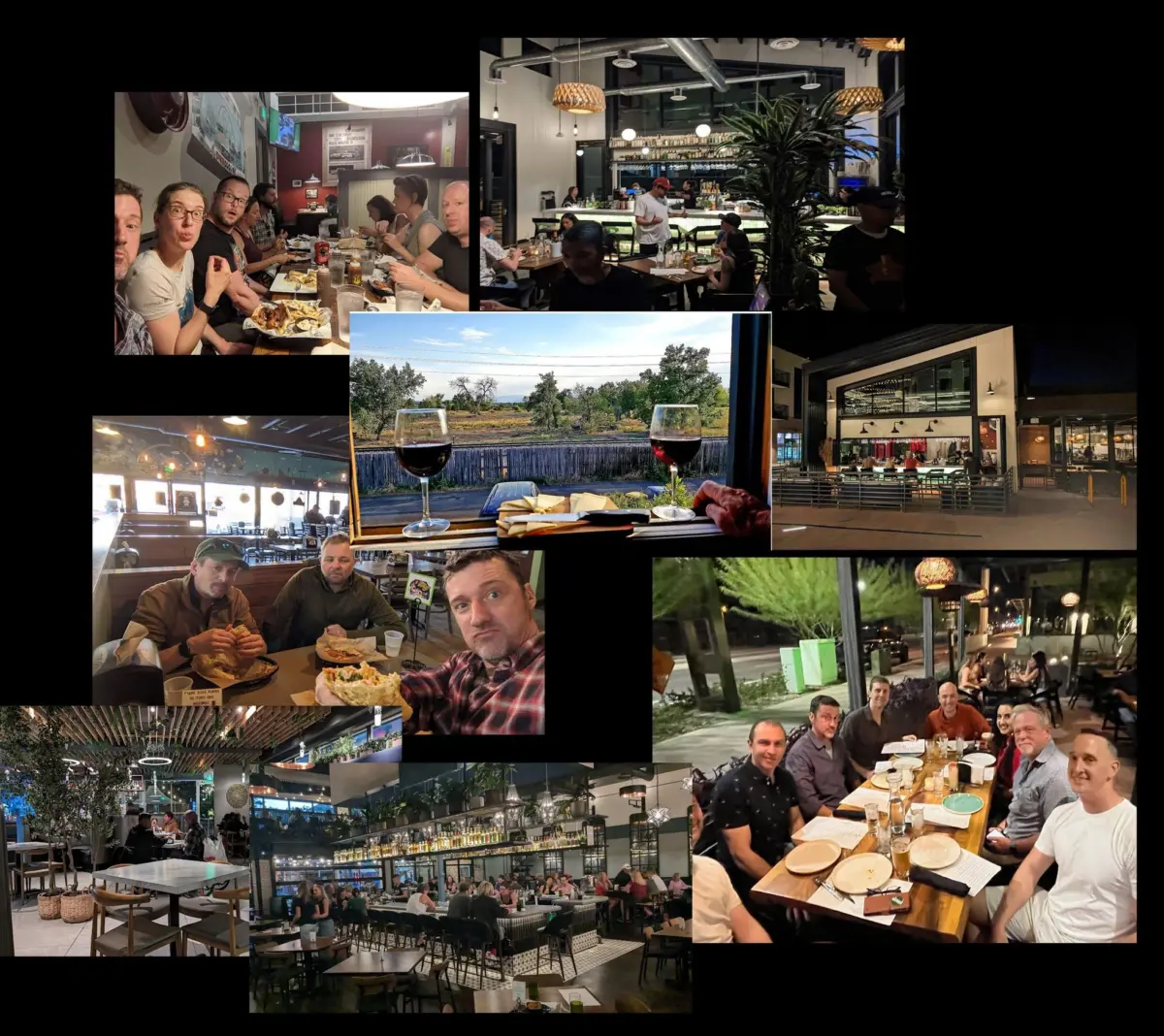
Following that philosophical pivot, the subsequent two years were marked by a tangible sense of abundance. Embracing the lifestyle of a wealthy traveler, he spent freely on experiences that previously would have been filtered through a lens of extreme frugality. He dined out at stylish restaurants, selected hotels based on comfort rather than bargain pricing, and routinely paid extra for upgraded airline seating. Grocery shopping trips shifted from discount wholesale clubs like Sam’s Club and Costco to higher-end supermarkets like Whole Foods, occasionally even maintaining memberships at both warehouse giants simultaneously.
His social and travel calendar expanded correspondingly. Alongside his young adult son, he attended a variety of late-night electronic dance music concerts and visited three different Meowwolf immersive art venues. This included a spontaneous Christmas Day road trip from his winter residence in Tempe, Arizona, to Las Vegas. Navigating much of the year as a single man, his open schedule allowed him to seamlessly connect with friends, explore new destinations, and embrace spontaneous opportunities.

With this noticeable increase in flashy spending and experiential luxury, the financial blogger assumed his annual budget must have crept firmly back into traditional American consumer territory. However, because he was thoroughly enjoying the experience, he initially felt no urgency to tally the numbers. It was only recently, while comparing notes during an informal financial coaching session with a friend, that they both decided to audit their respective spending for the previous year.
When the transactions were finally sorted into a spreadsheet and the totals calculated, the final figure came as a surprise. While overall expenditures had indeed risen—particularly within travel-related categories—the macro-level impact on his bottom line remained remarkably minimal. Depending on accounting methods for his vehicle and business expenses, his total personal cost of living hovered between $20,000 and $30,000, supplemented by the substantial financial cushion of a fully paid-off home.
This level of expenditure remains easily sustainable by a standard $1 million investment nest egg. Given that his actual investment portfolio sits significantly higher—bolstered by years of strong economic growth and a resilient stock market rally—his spending continues to track well below safe withdrawal thresholds. Although the experiment technically failed to hit the higher spending targets originally envisioned for affluent retirees, the outcome brought a positive verdict. He reported genuinely enjoying the psychological benefits of an abundance mindset and plans to continue exploring similar lifestyle experiments.
Delving into the specifics of the budget reveals where the money actually went over the course of the year. Groceries totaled $5,960.39, accounting for food consumed by himself, his young adult son roughly half the time, and occasional guests. Restaurant spending reached $2,243.59, reserved strictly for special social outings rather than routine convenience. Travel expenses accounted for $6,158.77, which included business-related trips to events like Camp Fi and other industry conferences.
Utilities added $1,909.51 to the ledger, while the Amazon and household category totaled $3,554.10, though roughly 75% of those business-related outlays represented construction materials purchased for client projects and subsequently reimbursed via invoice. Entertainment and social hosting, categorized under booze for wine and beverages, stood at a modest $250.67.
Healthcare costs totaled $3,536.66, kept relatively low through a combination of a Direct Primary Care subscription and a health-sharing organization membership, alongside elective advanced blood tests utilized for personal screening and educational purposes. Automobile expenses, limited primarily to insurance and vehicle registration, came to $2,425.21, exclusive of a separate calculation for depreciation. Phone and internet services tallied $1,410.56, featuring a $50 gigabit internet connection and a monthly mobile bill of $25 to $30. Finally, property taxes amounted to $2,577.30, a relatively reasonable sum given the typical $500,000 to $600,000 valuation of homes in his neighborhood.
Combining personal card expenditures of $20,284.67 with business card outlays of $9,742.09 brought the grand total to $30,026.76. Comparing these figures to his previously published 2019 spending data demonstrates that his overall costs have risen only slightly, absorbing recent inflationary pressures through lifestyle adjustments. While travel and entertainment expenses increased, home renovation costs dropped because his heavy travel schedule left less time for DIY projects around the house. Meanwhile, healthcare insurance emerged as a new line item compared to his previous self-insured status.
A primary driver of these low living costs remains the complete absence of a mortgage payment. Having paid off his home years ago, and preferring to handle his own home maintenance, he avoids routine bills for lawn mowing, plumbing, tree pruning, and handyman services. While acknowledging that taking out a large mortgage at historic low interest rates in 2021 and investing the principal in stock index funds might have yielded a higher net worth on paper, he emphasizes the enduring psychological peace of mind that comes from owning a home outright. Furthermore, skipping traditional homeowner’s insurance saves an estimated $2,000 annually, effectively boosting the return on his real estate investment.
On the healthcare front, continuing good health and fortune meant he incurred no major medical incidents over the past year. He maintains a two-tiered medical strategy consisting of a membership with a Direct Primary Care clinic at $107 per month and a high-deductible health-sharing plan through Sedera for $201 per month. Totaling roughly $308 monthly, this hybrid approach costs less than standard Bronze-tier health insurance while offering personalized primary care with zero deductibles alongside protection against catastrophic medical bills.
Reflecting on the broader purpose of wealth as a tool for survival and self-actualization, the blogger continues to evaluate potential lifestyle improvements. Citing a psychological principle that fixing persistent friction points yields more happiness than doubling down on areas that are already functioning well, he notes that his family relationships, health, daily diet, and core routines are already near optimal.
The primary persistent annoyance centers around physical space constraints, specifically his 440-square-foot, two-car garage workshop, which is frequently maxed out by space-intensive hobbies like construction and music. While a larger workshop or a future mountain compound with a stream remain appealing concepts, he remains hesitant to add further logistical complexity to an already full schedule of rewarding daily commitments.
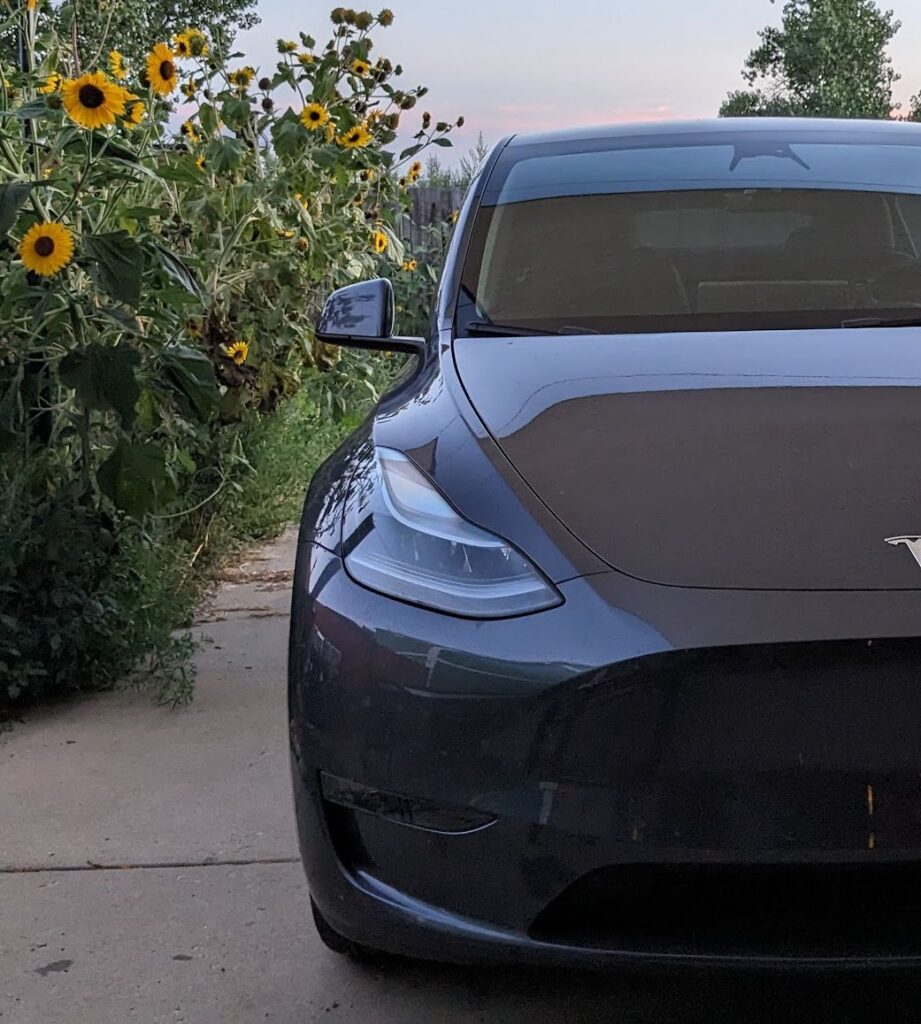
As he looks ahead, the focus remains on maintaining high energy and engagement for the coming year. Meanwhile, external market factors continue to draw attention to the automotive space, with potential shifts in federal electric vehicle tax credits prompting discussion around current pricing for models like the Tesla Model Y and Model 3.