
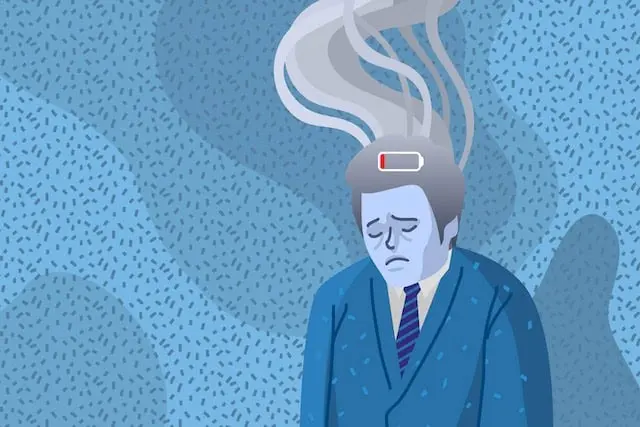
For Joe White, a veteran with more than twenty-five years of experience in technology, information security, and startups, risk management was not just a theoretical framework—it was his daily reality. Throughout his decades-long career, White’s primary responsibility was to question assumptions, identify structural weaknesses, and make high-consequence decisions under pressure.
Despite his professional expertise, White experienced a profound personal vulnerability that went undetected until it was too late. Severely burned out, his cognitive capacity and decision-making abilities became quietly impaired. The consequences of this exhaustion were catastrophic, culminating in the loss of approximately $3 million in retirement savings through an offshore cryptocurrency lending platform.
White’s experience serves as a stark warning about the insidious nature of burnout, illustrating how prolonged cognitive depletion can compromise the judgment of even those trained to recognize risk.
Burnout Didn’t Look the Way I Expected
A common misconception about professional burnout is that it manifests as a sudden, visible collapse. Society often imagines a burned-out individual as someone who is completely incapacitated—unable to get out of bed, perform basic tasks, or continue working altogether.
For White, the reality of burnout was far more deceptive. He remained highly functional on the outside. He continued to work long hours, solve intricate technical problems, participate in complex discussions, and make executive decisions. To his colleagues, peers, and even himself, he appeared to be operating normally.
In the fast-paced startup and technology sectors, working under chronic stress and enduring long hours are frequently normalized. Over time, professionals develop a habit of pushing through physical and mental exhaustion. When a person successfully navigates these high-pressure periods repeatedly, they can begin to view their ability to endure stress as proof of their resilience.
However, White points out the danger of this mindset. Relying on an exhausted brain to evaluate its own cognitive health creates a flawed feedback loop. By the time White exposed his retirement savings to extreme risk, his cognitive reserves were severely depleted. Although he was still processing information, his ability to analyze that information and recognize red flags was fundamentally altered.
The Warning Sign I Didn’t Recognize
In fields like cybersecurity, clear analytical thinking is an professional’s most valuable asset. Professionals must constantly evaluate incomplete data, weigh competing priorities, and identify hidden vulnerabilities. When burnout sets in, it slowly erodes these cognitive tools through a gradual process often referred to as "brain fog."
Because this cognitive decline occurs incrementally, it is incredibly difficult to detect. There is rarely a singular moment where an individual realizes their judgment has been compromised. Instead, the symptoms of exhaustion slowly become the individual’s baseline reality.
For White, fatigue, poor sleep, and difficulty concentrating gradually became his normal state of being. He found himself working harder and longer to achieve the same results that once came naturally. Because his productivity remained high, he interpreted his continued output as evidence that he was functioning well.
This illusion of high performance is one of the most hazardous aspects of burnout. Being capable of executing tasks is not the same as operating with a clear, unimpaired mind. When chronic exhaustion is accepted as a standard working condition, critical thinking and risk assessment are often the first faculties to degrade.
The Cost of Not Knowing
The financial impact of White’s impaired judgment was devastating. The loss of approximately $3 million represented decades of intense professional labor and the erosion of his long-term financial security.
The situation carried a painful irony for a professional who had dedicated his career to safeguarding complex systems. In information security, a fundamental principle is the avoidance of a single point of failure. Robust systems rely on layered defenses, redundant controls, and independent verification to ensure that a single mistake does not lead to a systemic collapse.
Yet, in his personal life, White had inadvertently created a system with a single point of failure: himself.
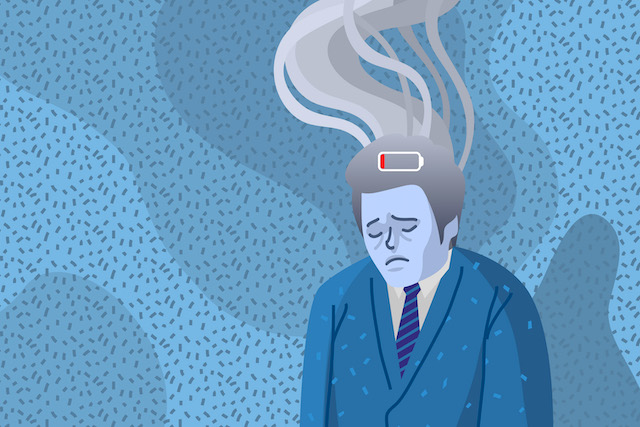
While his analytical judgment had guided him successfully through decades of professional challenges, he failed to account for how chronic stress and sleep deprivation had altered his cognitive baseline. The risk associated with the offshore cryptocurrency platform was misrepresented to him, but his depleted state prevented him from challenging those representations with his usual skepticism. He has spent the past three years pursuing legal accountability, but the realization of how burnout contributed to the oversight has forced a deeper reflection on the relationship between physical well-being and decision-making.
What I Wish I Had Done Differently
Looking back, White believes he should have applied the same rigorous security protocols to his major personal decisions that he routinely utilized in his professional life.
In high-risk cybersecurity environments, critical operations are never left to the sole discretion of one individual, regardless of their experience level. Instead, organizations implement strict administrative controls: they slow down processes, require secondary approvals, and mandate independent reviews.
White suggests that individuals facing major life decisions under stress should adopt similar safeguards:
- Deliberately Slow Down: Avoid making significant commitments or financial moves during periods of high stress or transition.
- Seek Independent Perspectives: Share plans with a trusted, objective third party who is not experiencing the same professional or personal pressures.
- Establish Hard Boundaries: Recognize when physical exhaustion is present and postpone critical decisions until rested.
For highly independent, successful professionals, asking for help can be particularly challenging. Competence can become a vulnerability when individuals assume that their past successes guarantee their current decision-making capacity. When severe burnout impairs the brain, it simultaneously compromises the self-awareness required to recognize that impairment.
Recovery Required More Than Rest
Through his recovery process, White discovered that overcoming deep-seated burnout requires more than simply taking a temporary break from work. While rest is essential, true recovery demands a structural redesign of how one manages their professional and personal life.
Rebuilding his resilience required a commitment to systemic wellness, including prioritizing consistent sleep, maintaining physical exercise, focusing on proper nutrition, and regularly disconnecting from digital devices. Establishing clear boundaries between professional obligations and personal life became vital, as did cultivating meaningful relationships and interests outside of work.
Furthermore, White learned the importance of implementing external checks on his own behavior. If he recognizes signs of extreme fatigue, irritability, or difficulty focusing, he no longer attempts to push through the obstacle. Instead, he reduces his decision-making load and defers non-essential choices. Involving others in irreversible or high-stakes decisions is no longer viewed as a sign of weakness, but rather as an essential component of personal risk management.
The Lesson I Learned Too Late
While White cannot undo the financial decisions that altered his retirement plans, he is focused on rebuilding his life and sharing the insights gained from his experience. His primary goal is to help other high-achieving professionals recognize the warning signs of cognitive depletion before they face irreversible consequences.
For those who have spent years operating under constant professional pressure, White offers crucial advice: do not use your continued ability to function as proof of your well-being.
Professionals must pay close attention when concentration becomes difficult, when chronic fatigue becomes the daily norm, and when their automatic response to declining efficiency is simply to work longer hours. Making life-altering decisions under these conditions carries profound risks.
Ultimately, the mind evaluating your cognitive state is the very mind affected by the exhaustion. Recognizing this limitation is the first and most critical step in defending against the silent progression of burnout.
Support and Ongoing Efforts
Today, Joe White is utilizing his twenty-five years of experience in technology and startups to raise awareness about the psychological and cognitive impacts of professional burnout. Alongside his advocacy, White is actively engaged in a legal fight to pursue accountability for his financial losses and is raising funds to cover immediate living and legal expenses.
To learn more about his journey, read his personal updates, or offer financial support to his ongoing efforts, visit his official GoFundMe campaign at gofund.me/816b05ab5.