To be eligible for consideration for the 2026 Booker Prize, a novel must be an original work of fiction written in English by an author of any nationality, provided it was published in the United Kingdom or Ireland between October 1, 2025, and September 30, 2026. The selection process begins months in advance, typically with the unveiling of a comprehensive longlist consisting of 12 or 13 compelling titles. The 2026 longlist was shared with the public in late July, capturing the attention of avid readers, critics, and industry insiders alike as they debated which titles would make the critical cut.
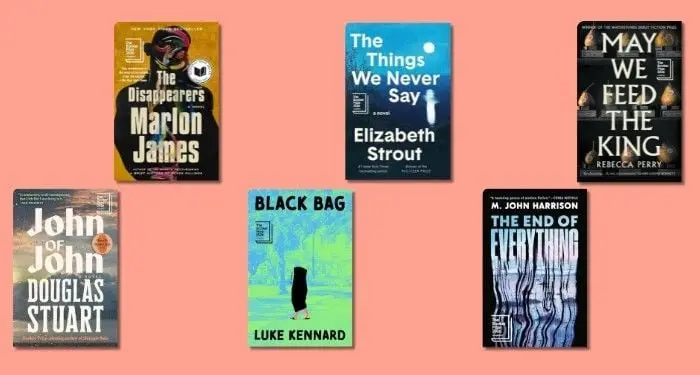
Today marks the next major milestone in the literary prize cycle as the committee reveals the official shortlist of finalist titles. The transition from the longlist to the shortlist narrows the field significantly, shining a bright spotlight on the select few works deemed by the judges to represent the absolute pinnacle of English-language fiction for the year. Beyond the profound prestige associated with being named to the Booker shortlist, each of the shortlisted authors receives a financial award of £2,500, roughly equivalent to $3,300, acknowledging their contribution to the literary arts. The anticipation will ultimately culminate on November 9, when the winner of the 2026 Booker Prize is officially announced. The chosen author will not only etch their name into the prestigious history of the award but will also take home a grand prize of £50,000, which amounts to approximately $67,000.
The unveiling of this year’s shortlist has already sparked lively discussions among literary critics and enthusiasts, particularly regarding notable patterns and historic milestones within the finalist selection. The 2026 shortlist features six exceptional titles, and industry observers have quickly noted that this year marks only the second time in a decade where male authors outnumber female authors among the finalists. This demographic shift within the shortlist has added an extra layer of commentary to the ongoing conversations surrounding representation and trends in modern publishing.
Furthermore, the 2026 shortlist carries significant historical weight due to the pedigree and backgrounds of the individual writers who have secured a place among the finalists. Among the six selected authors are Marlon James and Douglas Stuart, both of whom now find themselves in the enviable position of potentially making literary history. Each author harbors the distinct chance to become only the fifth multiple winner of the Booker Prize, a rare and extraordinary achievement shared by very few giants of modern letters. In addition to these past luminaries, another finalist, M. John Harrison, enters the final stretch with the potential to break records of a different kind. Harrison has the opportunity to be named the oldest author to ever win the Booker Prize, bringing decades of narrative mastery and critical acclaim to a potential career-defining victory.
As the literary world absorbs the implications of the shortlist, attention now shifts firmly toward the upcoming winner’s announcement. Readers, booksellers, and critics are eagerly diving into the shortlisted works to analyze the judges’ choices and place their bets on who will ultimately claim the coveted trophy. For those wishing to delve deeper into the particulars of this year’s competition, detailed information regarding the awards, the background of the distinguished judges, and comprehensive archives of past honorees can be found by visiting the official Booker Prize website. The countdown has officially begun, and all eyes remain fixed on November 9, when the 2026 Booker Prize winner will be revealed to the world.