
While market participants debate whether the current technological euphoria mirrors the dot-com bubble of the early 2000s, seasoned commentators find themselves reflecting on how cyclical market anxieties truly are. For many, the dot-com era defined the beginning of their careers and early retirement paths, even if the subsequent crash nearly derailed their financial stability. Today, as questions swirl around the sustainability of tech-heavy valuations, financial veterans are stepping up to address these anxieties through public speaking engagements, such as recent presentations at Camp FI Midwest and upcoming discussions at the Bogleheads conference.
Will the Artificial Intelligence Boom Ruin Our Retirement?
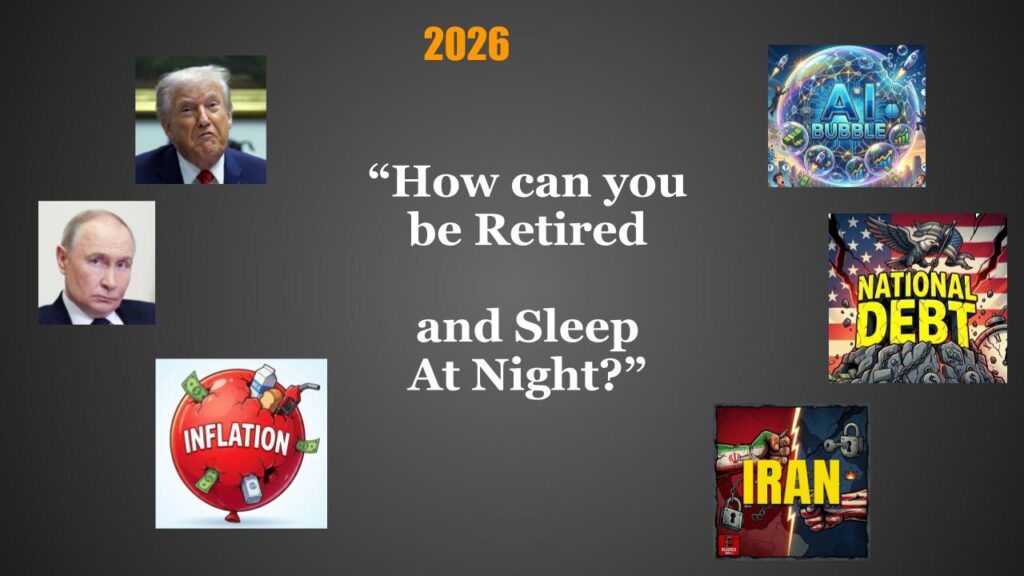
Reaching decades of retirement brings a certain comfort with market volatility, yet friends and peers frequently voice deep anxieties about the stability of the global economy. Conversations often circle back to a pervasive sense of unease: how can anyone remain comfortable in retirement with so much turmoil in the world? News cycles perpetually highlight an array of threatening developments, from geopolitical conflicts and shifting leadership to stubborn inflation, towering national debt, and the disruptive potential of automation.

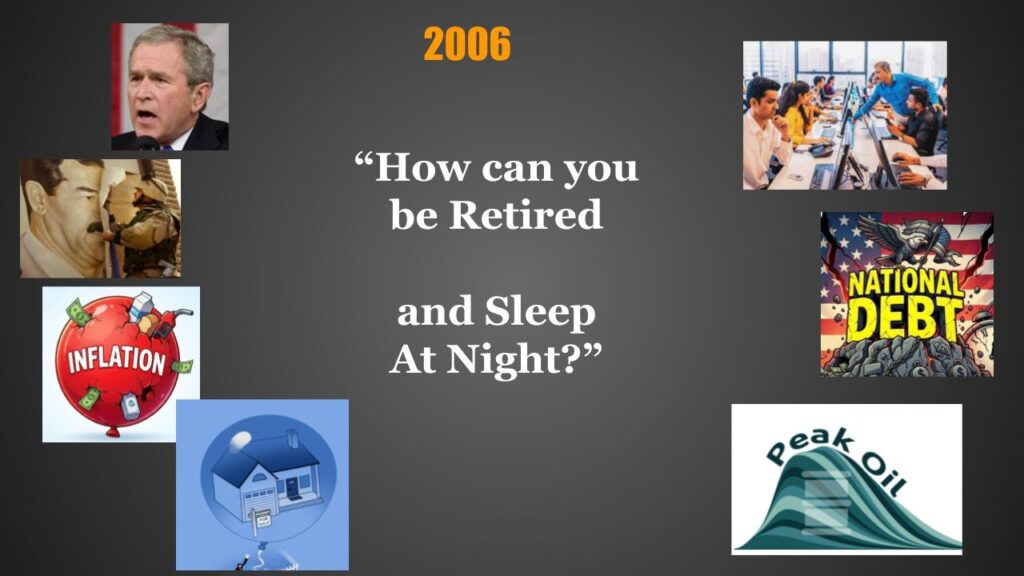
Yet, this brand of anxiety is hardly new. Looking back two decades to 2006, the worries dominating public discourse were strikingly similar, even if the specific names and technologies had different labels. Back then, markets fretted over geopolitical leaders, ongoing conflicts in the Middle East, surging national debt, inflation, and a housing bubble that eventually triggered the Great Financial Crisis. Rather than fearing artificial intelligence, workers in 2006 worried that their jobs would be outsourced overseas to India and China. There was even widespread panic over "peak oil," with forecasters predicting that rising fossil fuel consumption would inevitably outstrip supply and doom global civilization.
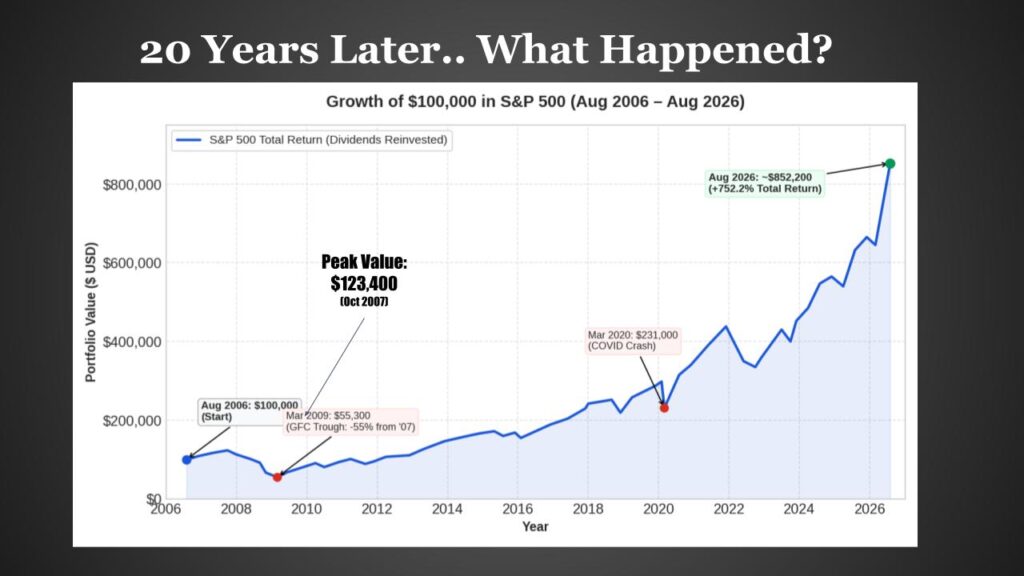
Despite the severe economic contraction of the Great Financial Crisis—the deepest market downturn since the Great Depression—the long-term trajectory of the stock market continued upward over the following twenty years. Historical data shows that a substantial investment made during the height of the mid-2000s anxiety would have grown significantly by the mid-2020s, easily weathering both the 2008 crash and the pandemic-induced market drop of 2020.
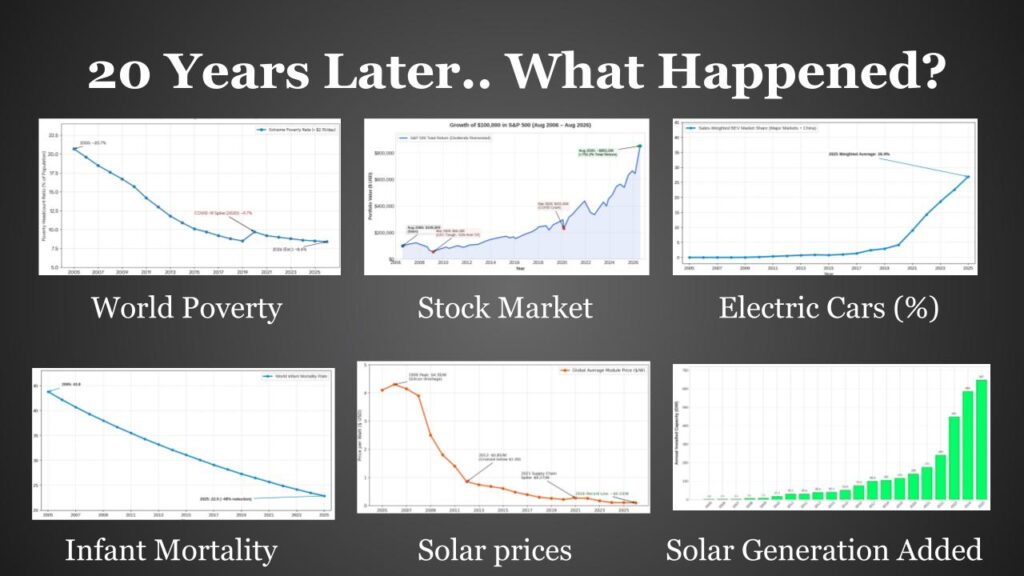
Simultaneously, global living standards improved dramatically across several key metrics. Extreme poverty rates dropped significantly over a twenty-year span, infant mortality rates were cut in half, and clean energy alternatives expanded rapidly as solar panel manufacturing costs plummeted. Solar power generation grew to account for the vast majority of new energy additions worldwide, while electric vehicle sales surged from near-zero to claim substantial market shares globally.
Prosperity Comes From Productivity
Despite historical evidence showing that humanity routinely adapts to and overcomes major economic shocks, financial media continues to promote apocalyptic narratives regarding national debt, technological bubbles, and automation. However, these pessimistic outlooks often overlook a fundamental economic principle: true prosperity does not originate from financial systems or stock market valuations, which are ultimately numerical representations on computer screens. Instead, prosperity stems directly from productivity.
Economic history demonstrates that capitalism is inherently volatile and prone to wild cyclical swings. Beneath the surface turbulence, however, real people continue performing tangible work and developing genuine innovations. Financial systems and economies are human inventions; if a financial system suffers a catastrophic correction because market participants dislike prevailing numbers, society has historically demonstrated the capacity to restructure the framework and resume productive activity.
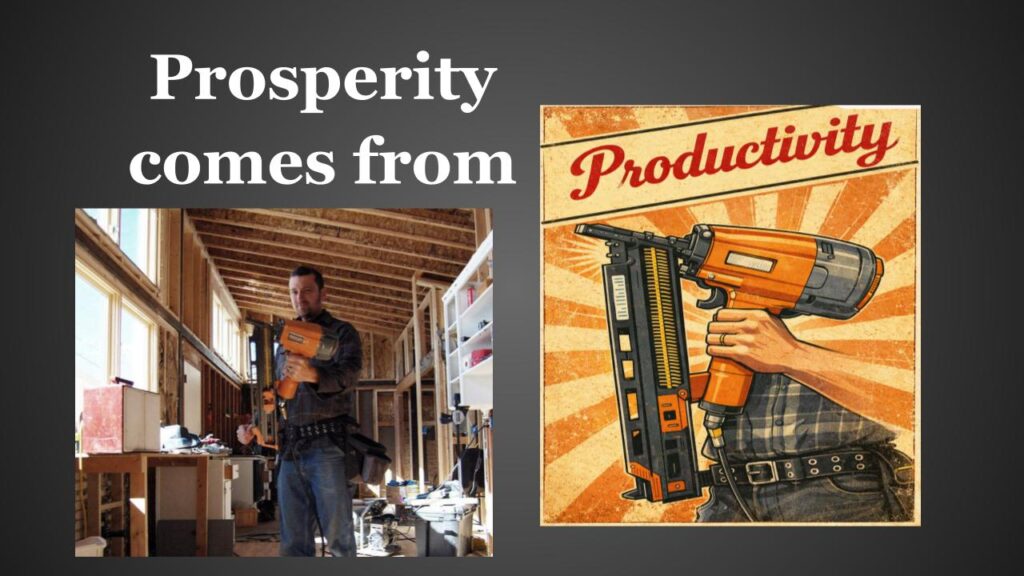
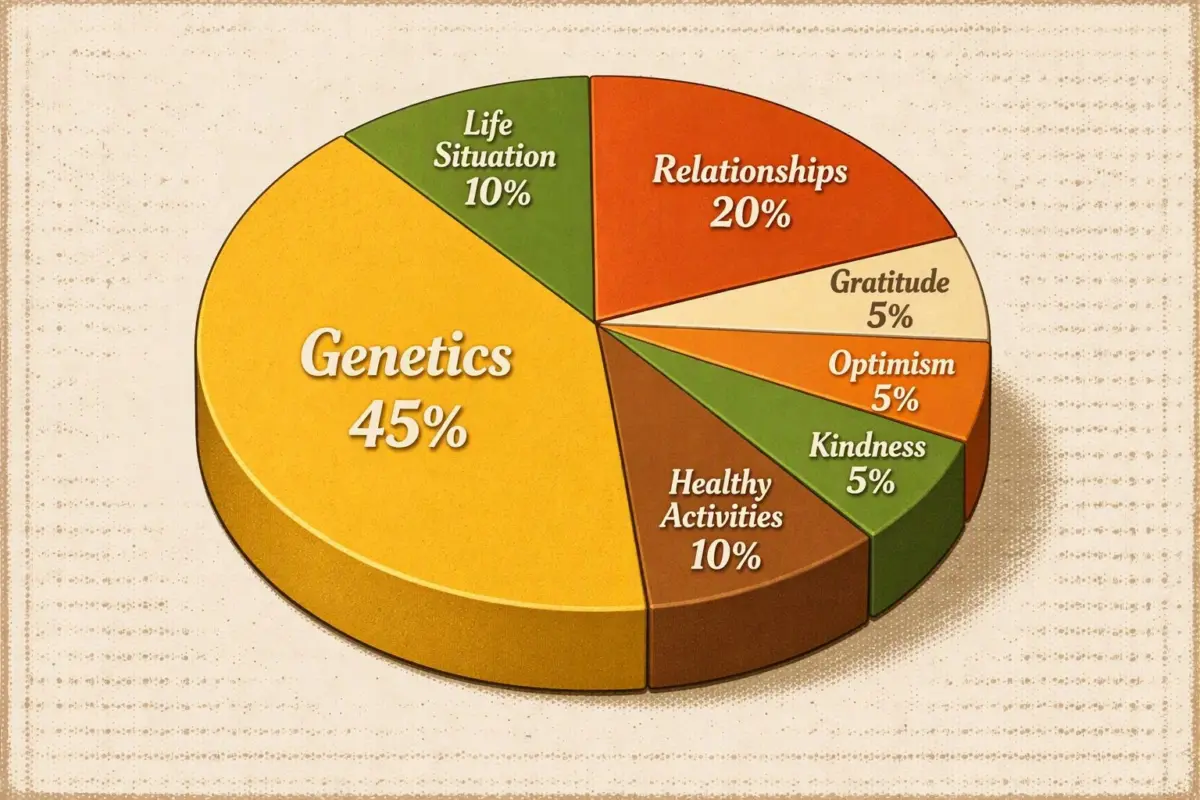
Standard of living, economic growth, and the viability of early retirement all depend fundamentally on high productivity. Furthermore, once societies achieve a certain baseline of economic development, human happiness plateaus in the material dimension. First-world populations surpassed these basic requirements decades ago, shifting their focus toward non-material factors that maximize overall life satisfaction, such as strong personal relationships, purposeful activity, and physical health.
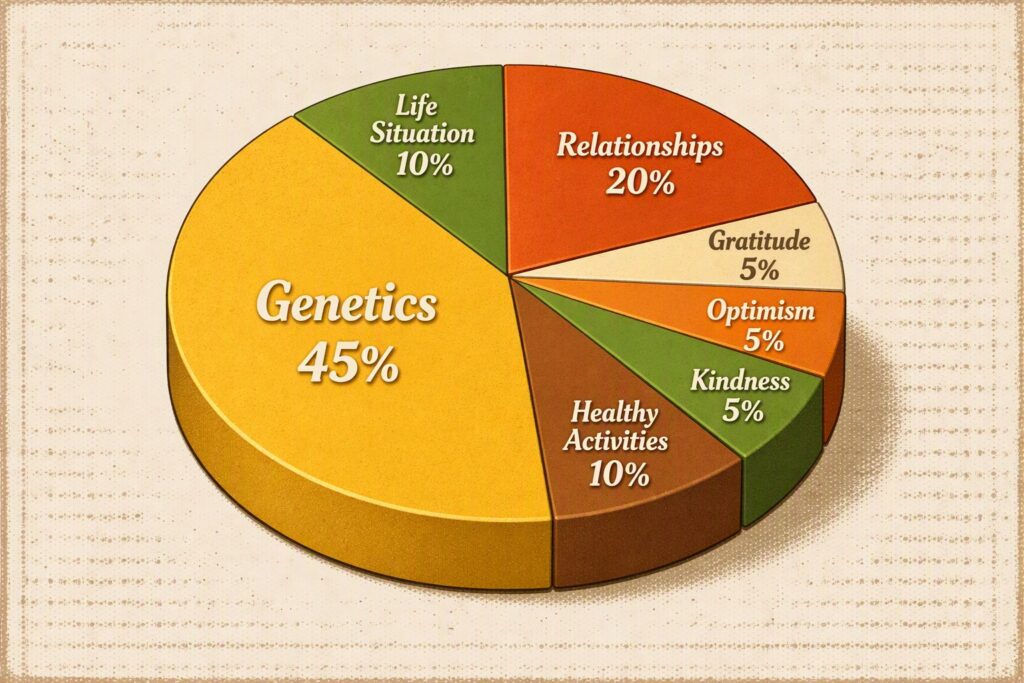
Understanding and Managing Financial Fear
The persistence of financial anxiety, even among those who have successfully achieved financial independence, points to a deeper psychological phenomenon: human beings are fundamentally wired as danger-detection machines. This background fear evolved as an essential trait to protect early humans from environmental threats. However, modern humans find themselves in a peculiar predicament where physical survival threats have largely receded, yet the underlying detection machinery continues to function, constantly shifting goalposts to find new targets for worry.

Once immediate survival needs are met, anxieties frequently pivot toward social standing, resource scarcity, tribal acceptance, or complex financial management issues, such as tax strategies and required minimum distributions for aging investors. Fortunately, individuals can actively counteract these irrational fears through self-awareness and historical reflection. Recognizing whether current anxieties stem from childhood experiences, family scarcity mentalities, or past trauma helps separate emotional responses from objective reality.
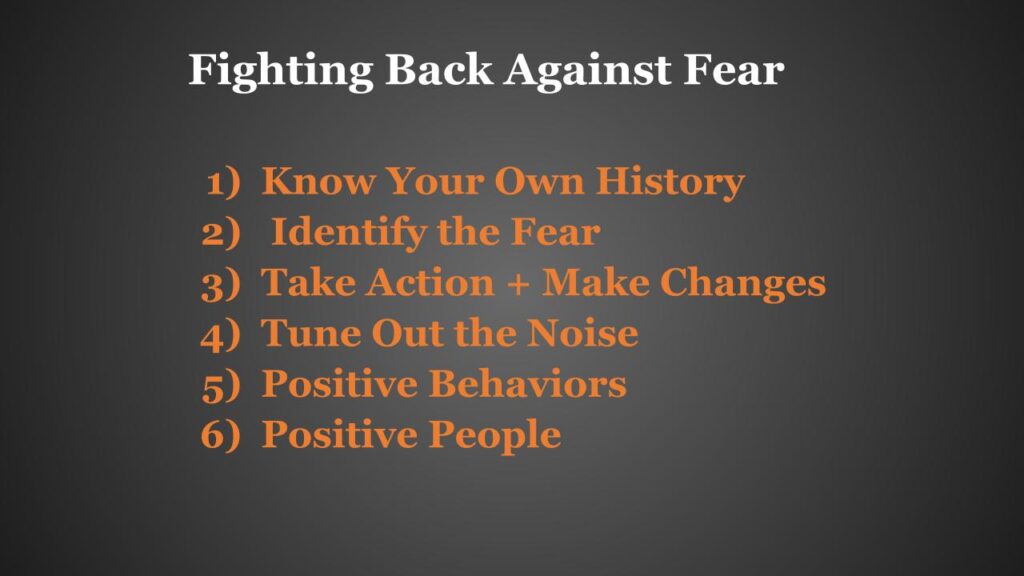
Analyzing the worst-case scenarios of financial fears often reveals that potential outcomes are far less catastrophic than anticipated. Taking concrete action is widely recognized as one of the most effective ways to cure fear, as it transforms the unfamiliar into the familiar and builds personal resilience. Furthermore, reducing exposure to sensationalized daily news cycles and surrounding oneself with positive, optimistic peers can profoundly improve mental well-being and outlook.

Viewing Technological Shifts as Experiments
Approaching major life transitions and technological disruptions through the lens of experimentation can fundamentally alter how individuals perceive uncertainty. Whether evaluating a minor lifestyle change or a major career shift like early retirement, treating situations as experiments removes much of the emotional weight associated with failure.
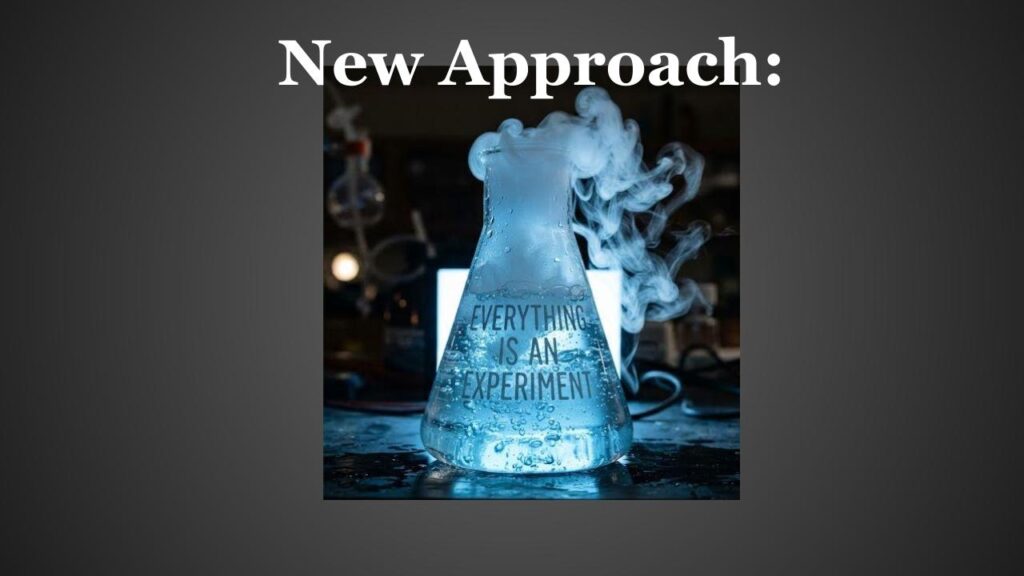
This experimental mindset applies directly to the current artificial intelligence boom, which many view with apprehension. Rather than succumbing to doom-scrolling and pessimistic news consumption, examining the underlying technology reveals why experts are enthusiastic about its potential. Artificial intelligence functions essentially as a cognitive tool designed to boost human efficiency and productivity.
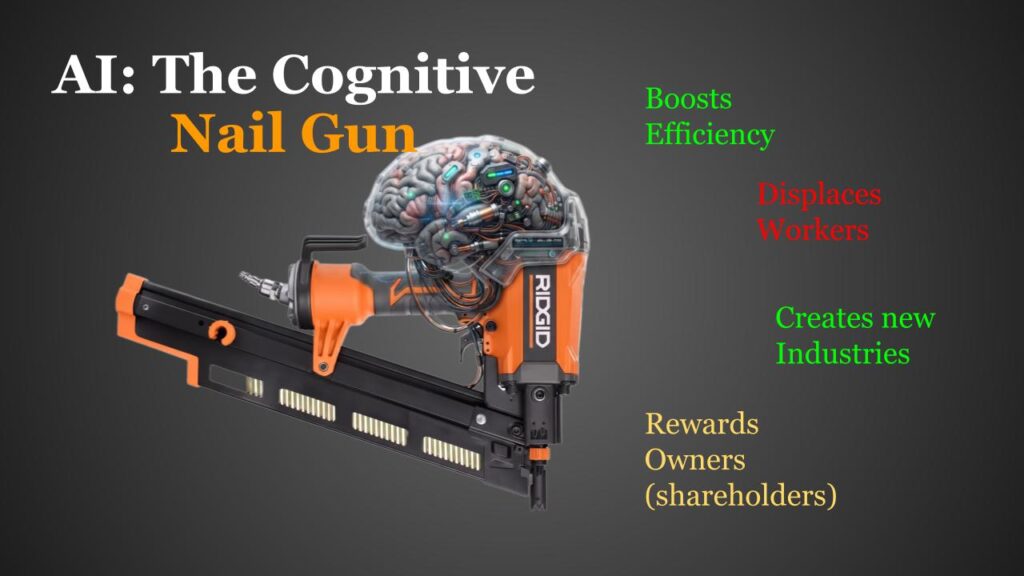
Like previous technological revolutions—including the rise of personal computing and the internet—artificial intelligence will inevitably displace certain entry-level office and administrative roles while simultaneously reducing the cost of services and spawning entirely new industries. While the economic rewards of these innovations often concentrate among asset owners and shareholders, the broader technological advancement mirrors historical shifts in human labor. Ultimately, technological progress offers an opportunity for continuous learning, adaptation, and purposeful living, proving once again that the most significant obstacles people face often lie on the other side of fear.