
In a personal reflection on stress recovery and emotional balance, writer and visual storyteller Oleksandra Fomichova, author of Under My Skin and Empath Diaries, explores how early life experiences shape adult responses to pressure. Drawing a sharp contrast between an childhood environment defined by emotional rigidity and one grounded in sensory warmth, Fomichova outlines how chronic stress can be addressed not through self-criticism or quick distractions, but through intentional self-compassion and genuine rest.
Two Worldviews: Order Versus Inspiration
Reflecting on her early upbringing, Fomichova describes growing up between two starkly different home environments, each instilling a fundamentally contrasting approach to emotional regulation and personal well-being.
Her parents’ home functioned like a structured, orderly sanctuary—what she recalls as an "ice castle." On the surface, everything was pristine, predictable, and arranged exactly as expected. Beneath that disciplined exterior, however, lay a persistent emotional coldness. Spontaneity and personal desire were systematically replaced by duty and obligation. Rather than engaging in activities for pleasure, she was expected to focus solely on what required completion. When exhaustion or frustration surfaced in the evenings, leading to quiet tears, her mother offered a standardized response: "You have to endure it. That’s how everyone lives."
In stark opposition to this rigid structure stood her grandmother’s world. Filled with warmth and creative vitality, her grandmother’s home was rarely immaculately tidy. Instead, it was an evolving hub of active creation—whether baking fresh recipes, sewing, tending to flowers, or experimenting in the kitchen simply for the joy of it.
Her grandmother honored personal choice, never forcing children to eat food they disliked, and held a deep affection for animals. On warm summer nights, her grandmother loved sleeping outside in the garden directly under the stars and frequently invited her to join—an activity her mother routinely forbade.
Though far from perfect, her grandmother imparted a foundational lesson regarding balance that would ultimately shape Fomichova’s understanding of human health: true vitality cannot be forced through perpetual obligation. While certain responsibilities are unavoidable, many aspects of life flourish only when approached through inspiration rather than burden. Crucially, she demonstrated that when a day has already proven stressful, home should serve as a retreat rather than a continuation of the race.
1. Replacing Mindless Scrolling with Restorative Silence
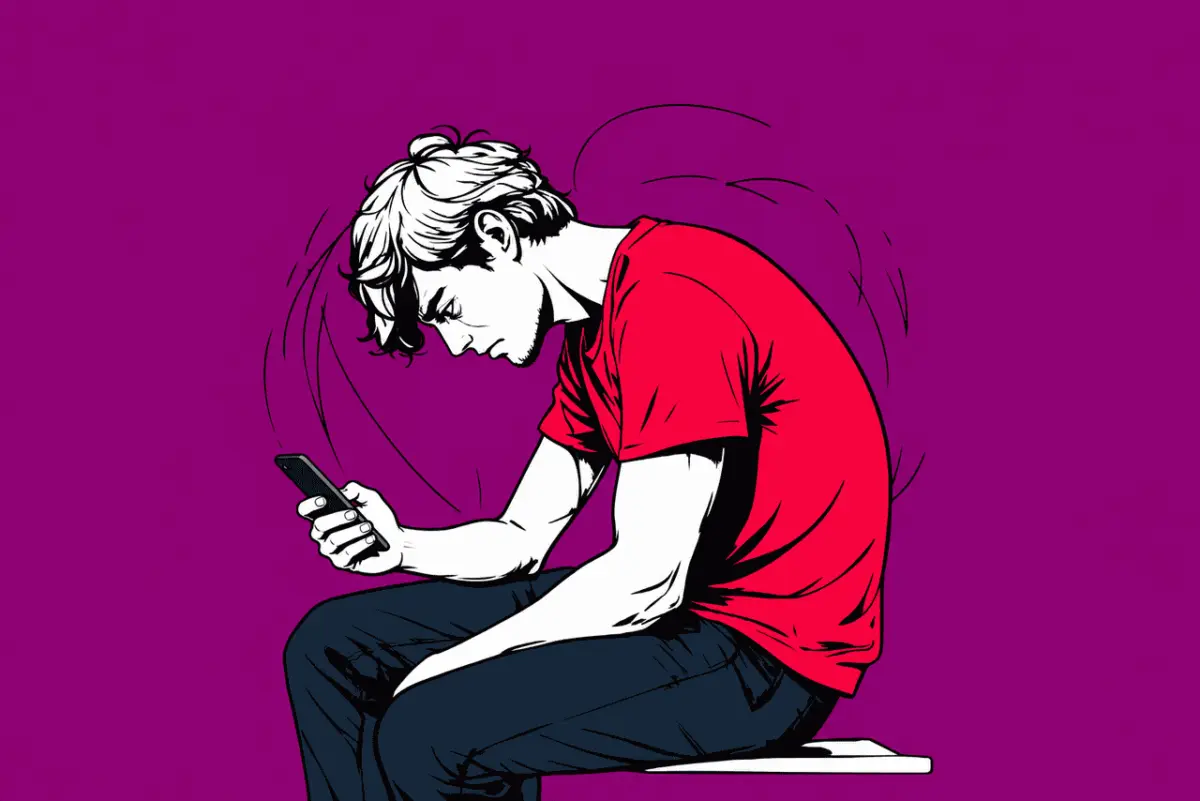
When emotional energy is depleted at the end of the day, turning to a smartphone screen often feels like the easiest way to unwind. A intent to spend five minutes checking social media can quickly dissolve into two hours of continuous scrolling. Yet, far from feeling rested, individuals typically emerge from these sessions feeling significantly more overwhelmed and disconnected.
Fomichova notes that the human brain frequently seeks digital distraction because slowing down forces a person to confront their underlying emotional fatigue. However, modern algorithms rarely deliver meaningful restoration. Instead, digital feeds flood the mind with unsolicited recommendations, hyper-curated lifestyles, and external opinions, adding unnecessary cognitive noise to an already overburdened mind.
To counter this digital overload, Fomichova advocates for simple sensory rituals designed to quiet the mind rather than fill it:
- Spending ten minutes in complete silence without engaging with devices.
- Preparing a hot cup of tea or a comforting beverage.
- Sitting quietly by an open window or watching the colors of a sunset, ideally alongside a loved one.
- Seeking out proximity to natural elements, particularly water or small green spaces.
- Taking a warm, uninterrupted bath or shower.
Even for those living in urban apartments without access to expansive gardens or open skies, taking a few quiet minutes in a nearby green space can significantly reduce physical tension. Choosing to disengage from online platforms often provides far greater mental clarity and creative inspiration than browsing curated mood boards or digital feeds.
2. Confronting Emotional Suppression and the Mask of Resilience
From an early age, many individuals are taught to adopt emotional masks, relying on default phrases like "I’m fine" or "It wasn’t that bad" to brush off genuine distress. While postponing emotional processing can occasionally serve as a temporary coping mechanism, chronically deferring difficult feelings ensures they remain unresolved. Over time, buried emotions inevitably re-emerge as heightened anxiety, chronic irritability, physical fatigue, or complete emotional numbness.
Fomichova traces her own habit of emotional masking directly back to her childhood, where maintaining an outward appearance of composure was considered an absolute requirement. Smiles were expected regardless of internal distress. Decades later, she has actively unlearned this requirement, choosing instead to acknowledge difficult days directly and allow natural emotional expression, including crying when necessary.
This philosophy also extends to her parenting. In raising her daughter, Fomichova refrains from asking her to pretend she is okay when she is suffering. By validating every emotion, she reinforces the principle that experiencing sadness or frustration does not indicate weakness; rather, denying those feelings causes long-term harm. True emotional resilience begins with the simple, honest admission: "Today was hard."
3. Viewing Stress as Essential Feedback Rather Than Personal Failure
A prevalent misconception surrounding stress is that feeling overwhelmed reflects a lack of personal strength or discipline. Individuals frequently criticize themselves for struggling to manage demanding workloads, rather than evaluating the systemic factors causing the strain in the first place.

In reality, stress serves as critical physiological and psychological information. It highlights when boundaries have been compromised, when workloads have exceeded sustainable capacities, or when essential rest has been neglected. Furthermore, stress often stems from external factors beyond individual control, such as unmanaged expectations from others or unexpected disruptions.
Fomichova recalls a humorous metaphor her grandmother used to describe unexpressed feelings: comparing trapped emotions to tiny internal worms. "If you keep them trapped inside," her grandmother would remark, "they’ll start nibbling at you from within."
By allowing emotions to be felt and released rather than internalized, stress
loses its capacity to cause long-term internal wear. Recognizing that yesterday’s difficulty does not have to dictate today enables individuals to approach each new morning with a clean slate, free from accumulating resentment or self-blame.
4. Dismantling the Belief That Rest Must Be Earned
A major driver of chronic fatigue is the persistent belief that rest is a reward reserved exclusively for completing every task on a to-do list. Individuals regularly convince themselves that after answering one last email, finishing one more household chore, or working an extra hour, they will finally give themselves permission to relax.
Because domestic and professional demands are essentially infinite, the finish line continually recedes. Rest, however, is a biological necessity rather than a privilege earned through output. When the brain remains in a constant state of hyper-vigilance waiting for permission to slow down, true recovery becomes impossible.
Reflecting on her own transition away from endless rushing, Fomichova observes that constant motion often masks a lack of meaningful direction. Driven by subtle internal fears—such as the fear of falling behind, missing opportunities, or being outpaced by peers—it is easy to confuse automatic busyness with genuine progress.
When she deliberately shifted her work habits to prioritize recovery, the results extended beyond physical relief. Her creative work evolved from mechanical production—designed primarily to satisfy external algorithms and external expectations—into an authentic, expressive process. Balancing active creation with intentional rest restored vibrancy and depth to her professional projects.
5. Choosing True Recovery Over Temporary Distractions
Following an emotionally draining day, the pull toward immediate comfort is exceptionally strong. Common avenues for instant relief include high-calorie comfort foods, impulsive online shopping, alcohol consumption, endless television binges, or late-night screen time. While these activities are not inherently harmful in moderation, they become problematic when utilized as an individual’s primary mechanism for stress management.
Instant relief strategies offer temporary escape by numbing symptoms, whereas authentic recovery requires practices that actively restore the nervous system. Sustainable recovery typically looks much quieter and less dramatic:
- Engaging in open, meaningful conversations with trusted friends.
- Taking unhurried walks in quiet settings.
- Practicing gentle physical movement or listening to calming music.
- Spending uninterrupted time reading or journaling.
- Securing seven to eight hours of continuous, restful sleep.
Rather than placing a superficial mask over exhaustion, genuine recovery involves turning toward the body’s strain with patience and understanding, allowing fatigue to gradually give way to real strength.
Reframing Recovery: Learning to Become a Safe Haven for Yourself
Ultimately, recovering from stress requires replacing internal criticism with structured self-compassion. Fomichova references a piece of advice from her grandmother that took years to fully appreciate: "A stressful day doesn’t mean you’re weak. It doesn’t mean you’re failing. It doesn’t mean you’re doing life wrong. It simply means your mind and body are asking for care instead of criticism."
To put this principle into practice, Fomichova suggests a practical mental framework: visualizing one’s exhausted self not as an overloaded adult, but as a young child who has endured a difficult day.
When responding to an exhausted child, an adult would not demand greater productivity, insist on forced smiles, or offer harsh criticism. Instead, they would offer tangible comfort—a warm drink, a soft blanket, a peaceful environment, and patience until safety and calm are restored. Applying that same degree of gentleness to oneself is central to sustainable well-being.
While societal demands continue to push for faster pacing, higher output, and constant availability, long-term health depends on the ability to pause, listen to internal signals, and prioritize nervous system health. Rest is not a departure from progress, but the foundation upon which meaningful work and authentic living are sustained.