
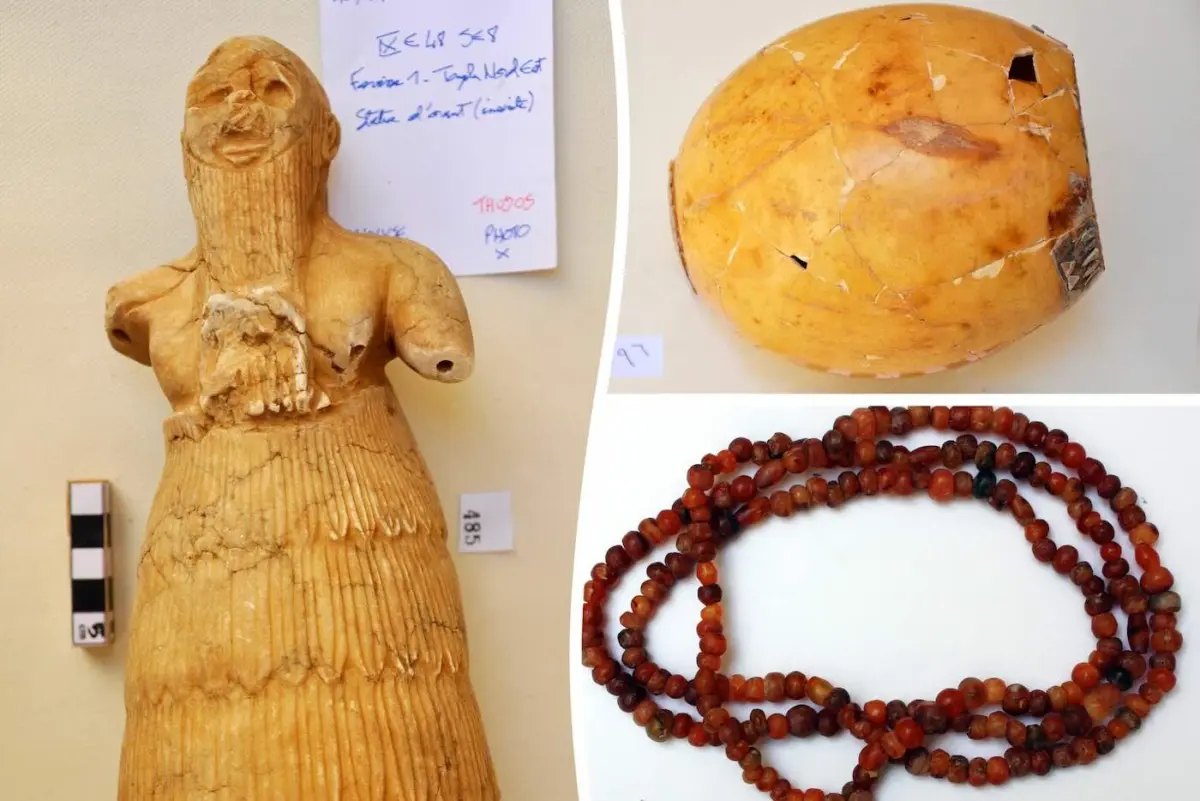
Amid the chaos and devastation of the Syrian civil war, heritage preservationists successfully rescued approximately 30,000 priceless artifacts from the Deir ez-Zor Museum. The daring operation took place between 2014 and 2015 as the strategic city in eastern Syria faced an imminent and violent capture by the Islamic State of Iraq and Syria (ISIS). Deir ez-Zor, the capital of the oil- and gas-rich province of the same name, became a fiercely contested battleground during the protracted conflict.
The heroic rescue effort is the focus of a new research paper published in the journal Museum Management and Curatorship. Authored by Professor Maamoun Abdulkarim, a leading scholar of archaeology and history at the University of Sharjah in the United Arab Emirates, the study examines the perilous operation as a vital case study in protecting vulnerable cultural heritage during active armed conflict.
Professor Abdulkarim emphasizes that the significance of the operation extends far beyond the sheer volume of saved items. The mission took place against a backdrop of widespread devastation inflicted on museums and ancient archaeological sites across the Middle East by extremist groups seeking to erase history and fund illicit trafficking networks.
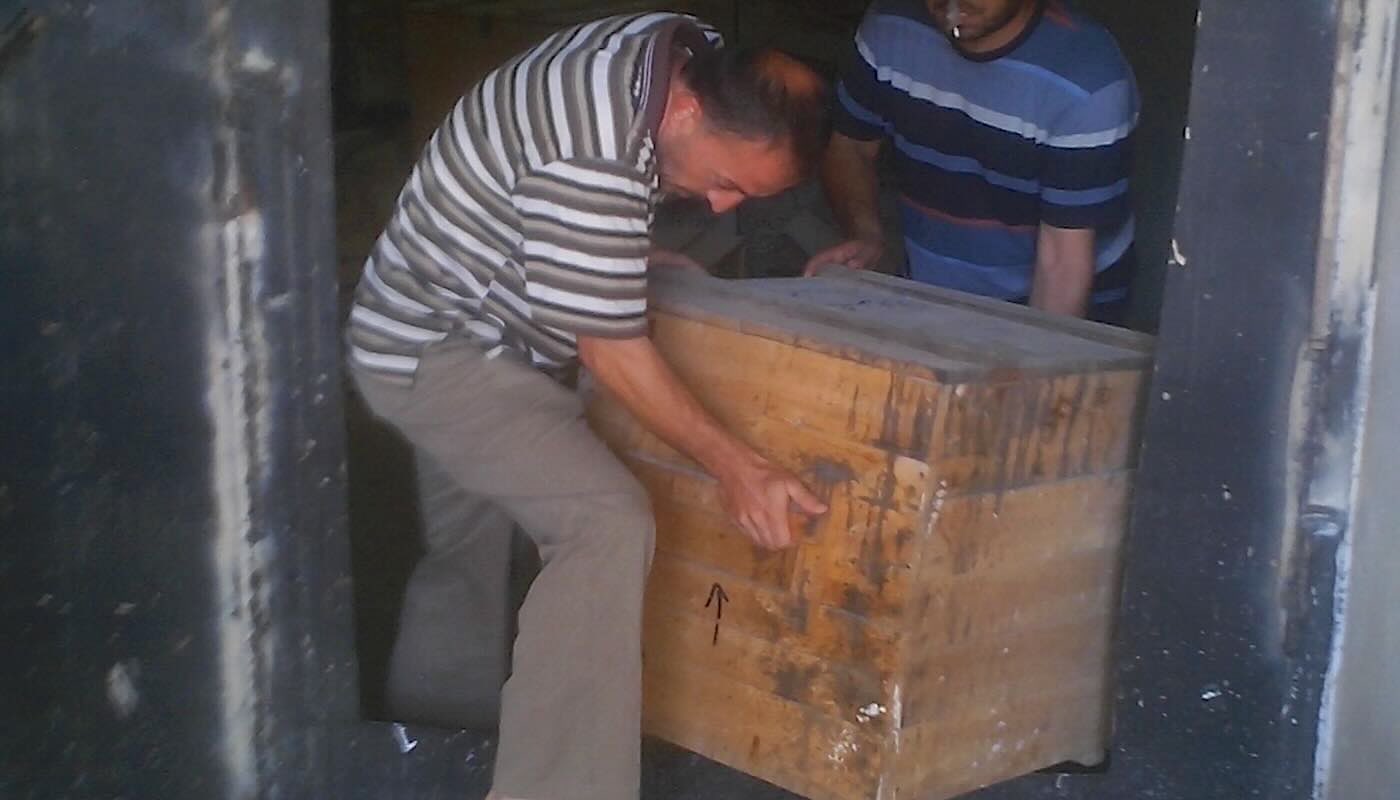
According to the study, executing a rescue mission of this magnitude amidst active hostilities requires far more than basic logistical planning. It demands institutional resilience, deep professional trust, rapid adaptability, and decisive leadership under immense pressure. Professor Abdulkarim, who oversaw the operation a decade ago while serving as the director-general of Syria’s Directorate-General of Antiquities and Museums, noted that hesitation can often prove far more fatal to history than calculated risks.
At the time of the evacuation, Deir ez-Zor was under severe restrictions. The museum was connected to a nearby military airport solely through a narrow, highly vulnerable corridor, turning the mission into an exceptionally dangerous undertaking. Antiquities personnel had to navigate active combat zones, shifting frontlines, and hostile territory to secure the collections before the city fell entirely under militant control.
Present-day Syria sits at the heart of the broader Mesopotamian cultural sphere, a historic cradle where some of the world’s earliest, most influential civilizations first flourished. Before the outbreak of the civil war in 2011, the country boasted a rich network of 35 archaeological museums spread across its diverse regions. While the Deir ez-Zor Museum was not the largest among them, it held status as one of the nation’s most valuable cultural repositories. Its halls housed irreplaceable collections excavated from renowned Mesopotamian sites such as Halaf, Dura-Europos, and Mari, alongside exquisite antiquities like second-millennium BCE agate bead necklaces from Tell Terqa.
The period following 2014 marked a dark chapter for cultural heritage in the region. As ISIS expanded its territorial control across large swathes of Syria and Iraq, museums and ancient ruins faced unprecedented levels of systematic looting, deliberate destruction, and illicit trafficking. This catastrophic wave of destruction coincided with the fall of Mosul in neighboring Iraq, the subsequent looting of the Mosul Museum, and the devastation of invaluable antiquities from ancient Nineveh and Assyria.
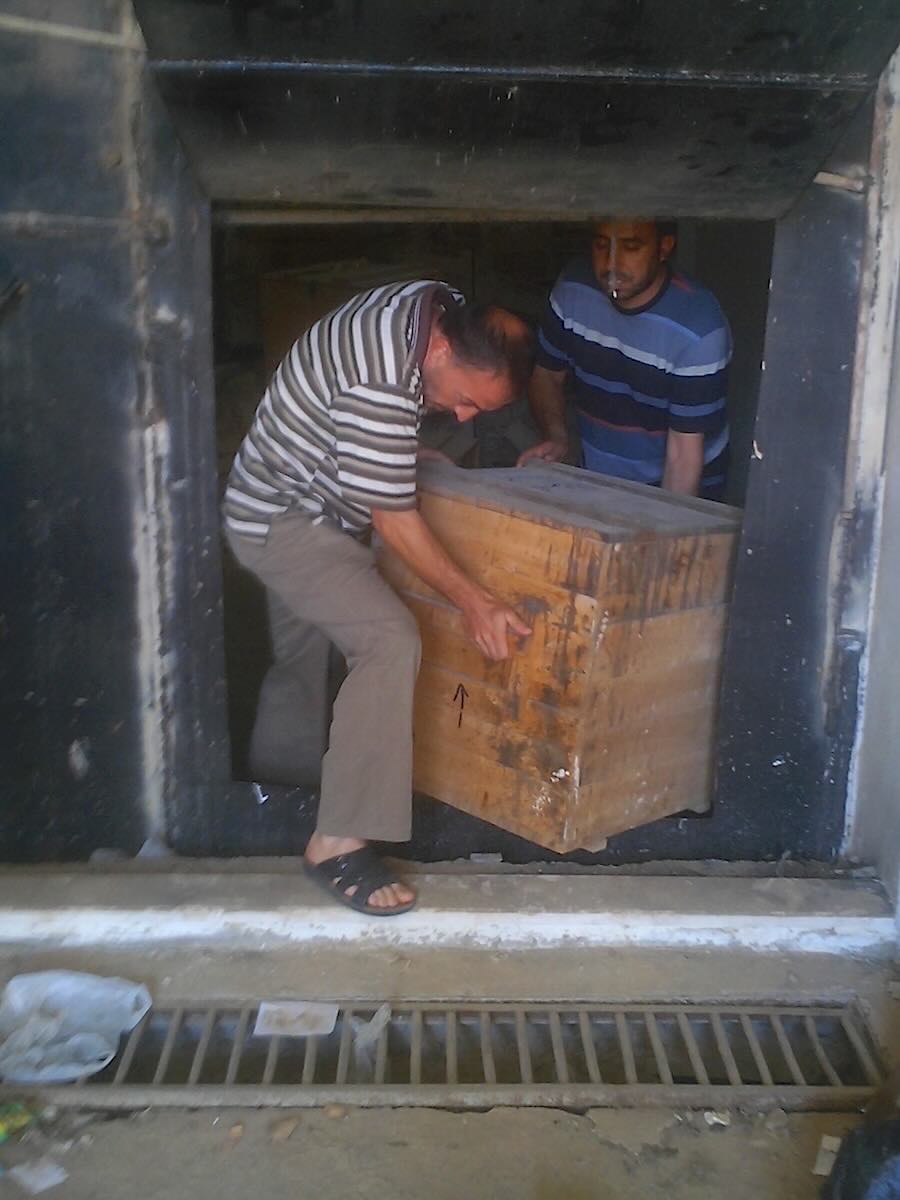
These chilling developments compelled Syrian antiquities authorities to rapidly reevaluate their protection policies and expedite emergency protocols in urban centers facing imminent siege or collapse. Under extraordinary circumstances, Professor Abdulkarim found himself forced to redefine traditional leadership paradigms. He realized that effective crisis management was not about waiting for easy decisions, but about possessing the moral courage to take necessary actions at the exact right moment—even when those choices carried severe personal and professional risks.
His foremost priority remained absolute: safeguarding the irreplaceable physical remnants of human history. He stated that he was fully prepared to bear whatever personal and professional consequences those high-stakes decisions might entail.
During his tenure leading Syria’s antiquities directorate until 2017, Professor Abdulkarim and his dedicated network of colleagues managed to rescue and relocate approximately 300,000 museum items to secure, hidden locations across the country. These salvaged pieces accounted for the overwhelming majority of Syria’s national museum collections, including the critical 30,000 objects evacuated directly from the jaws of danger at the Deir ez-Zor Museum.
For Professor Abdulkarim, these ancient relics are never viewed merely as priceless commodities or inanimate museum pieces. Instead, they are regarded as tangible embodiments of the collective memory, shared identity, and enduring history of humanity—treasures that far transcend the modern political borders of the countries where they happen to be unearthed.
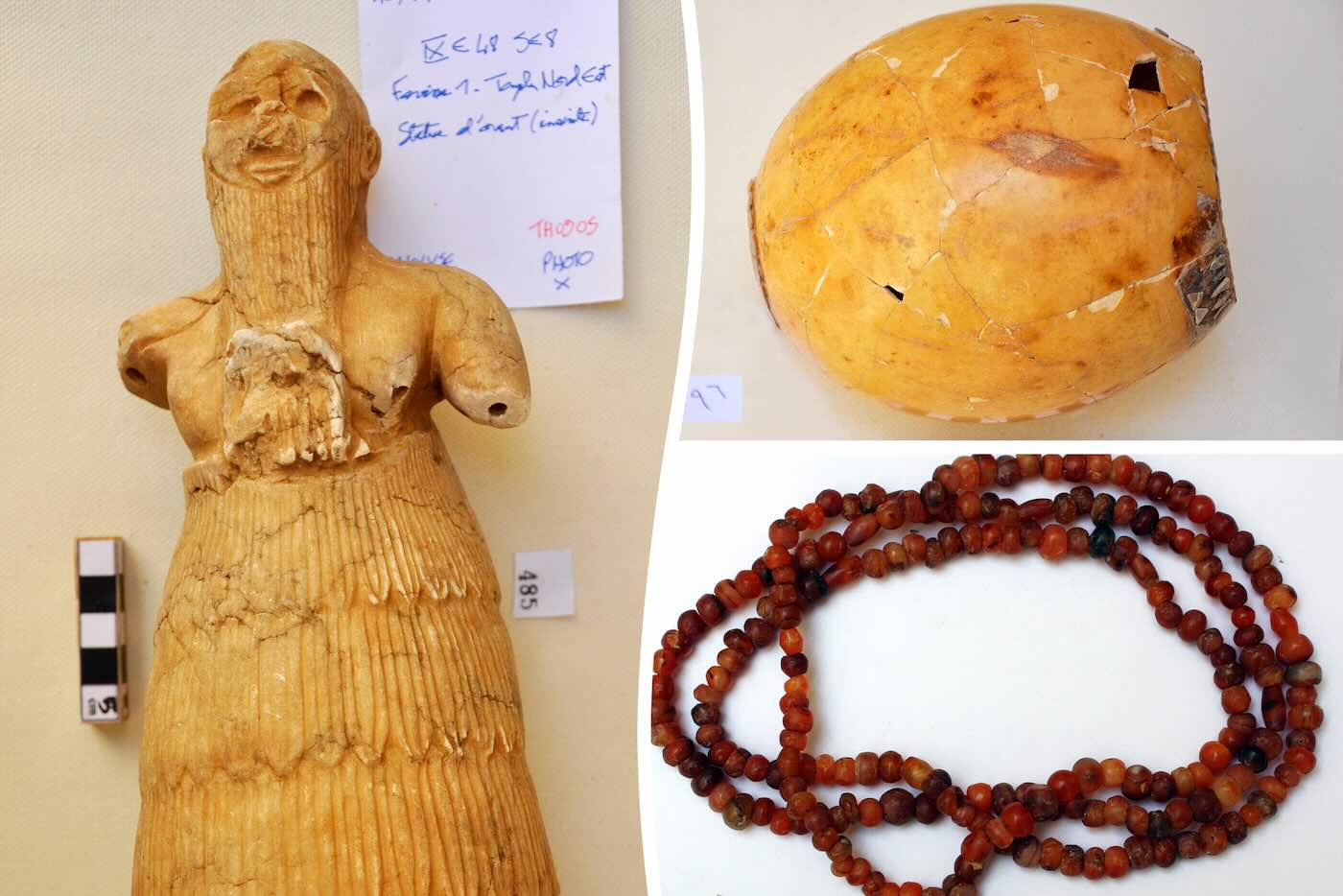
Reflecting on the motivations driving the dangerous rescue operations, the professor noted that the team was not just moving objects around a map to prevent theft. They were actively defending thousands of years of human memory that an ongoing war threatened to erase permanently. The thousands of artifacts rescued from Deir ez-Zor represent the soul and heritage of the communities that thrived along the Euphrates River valley for millennia.
The study highlights that timing remains the most decisive factor in any emergency rescue mission. Waiting for a perfect moment or seeking complete certainty during an armed conflict is often an illusion that results in tragedy. In a cultural emergency, delaying action to search for absolute security frequently poses a far greater danger than moving forward under uncertainty.
Furthermore, the professor stresses that the most valuable asset during a crisis is rarely financial funding or advanced technology. Time and again, the deciding factor is human trust—the unspoken bond between professional colleagues who are able to make swift, life-altering decisions when normal administrative procedures and standard operating protocols are no longer an option.