
In 2006, the island was the epitome of an off-the-beaten-path destination. For travelers willing to make the journey, it offered a primitive yet idyllic lifestyle. Electricity was restricted to just a few hours a day, basic beachfront accommodations cost roughly two dollars, and travel logistics involved catching what truly felt like the last boat of the season. The daily itinerary was simple: reading on the sand, snorkeling in clear waters, enjoying drinks at the island’s sole beach bar, and rotating meals among a handful of local restaurants before turning in early.
For many who visited during that era, the island represented the ultimate backpacker paradise—a place where days effortlessly bled into weeks, fostering deep connections with fellow travelers and locals alike while offering a glimpse into a simpler way of living.
For years, returning to Ko Lipe was deliberately avoided out of a reluctance to disrupt those powerful memories. The fear of chasing travel ghosts—trying to recreate a magic tied inextricably to a specific time and specific people—kept the door closed. There was also a deeper apprehension: witnessing firsthand how modern development had reshaped the sleepy paradise.
Thailand’s tourism landscape has long trended toward unsustainable growth, characterized by rapid, large-scale construction rather than careful environmental management. For a long time, the desire to protect the pristine image of the island from that reality outweighed any temptation to go back.
However, practical travel plans eventually forced a reckoning. While mapping out a journey through Southeast Asia that traced the Indian Ocean side of Thailand toward Malaysia, the route naturally passed close to the island. Needing a lively destination to ring in the New Year—and with few nearby alternatives capable of accommodating the holiday while offering a direct boat connection to the next stop in Langkawi—the decision was made to finally return.
The reality of the modern island proved difficult to process. Ko Lipe has largely adopted the tourism model seen on places like Ko Phi Phi, resulting in an exceptionally high degree of overdevelopment.
The transformation is visible across the landscape. Most of the island’s traditional dirt footpaths have been paved over with concrete to accommodate cars and construction trucks. Lush swaths of palm trees have been cleared to make way for high-end resorts complete with swimming pools, a striking addition for an island lacking any natural water supply. Meanwhile, heavy construction continues at a relentless pace.
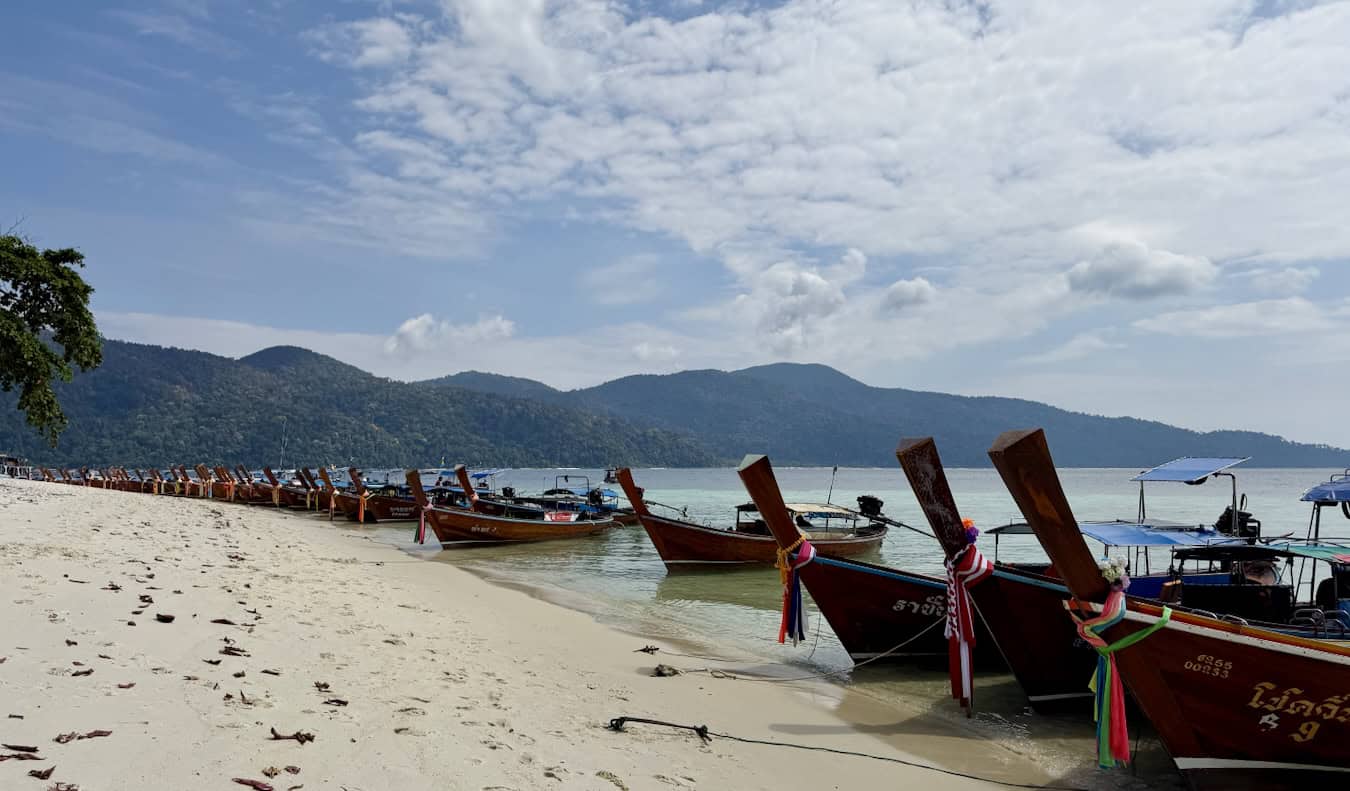
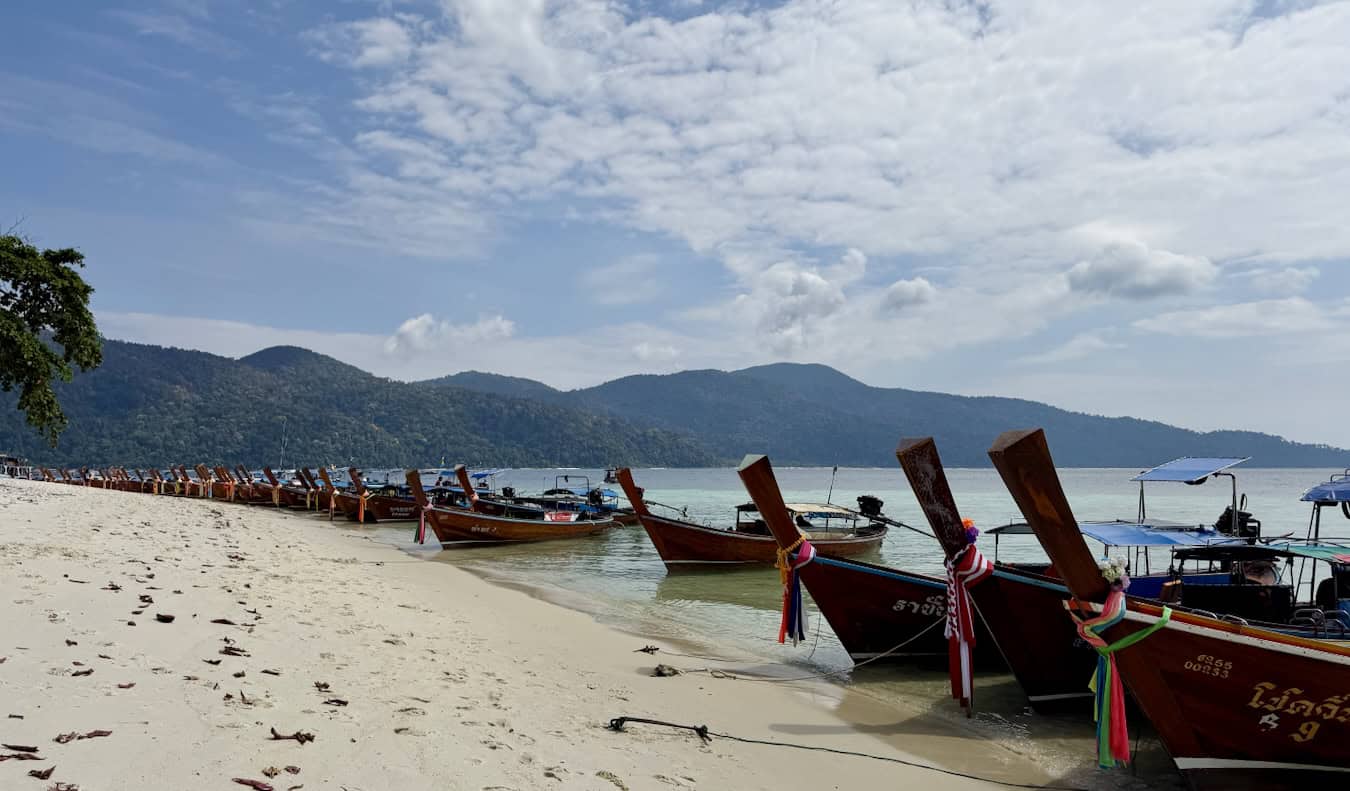
The ecological toll of this rapid expansion has been severe. The surrounding coral reefs are dying off, overwhelmed by heavy boat traffic, anchors, pollution, and overfishing. The beaches are now congested with longtail boats, their engines spilling exhaust into the ocean and leaving a visible film of oil that travels alongside swimmers. Furthermore, the local dining scene has shifted away from authentic Thai cuisine to cater to tourists seeking westernized menus.
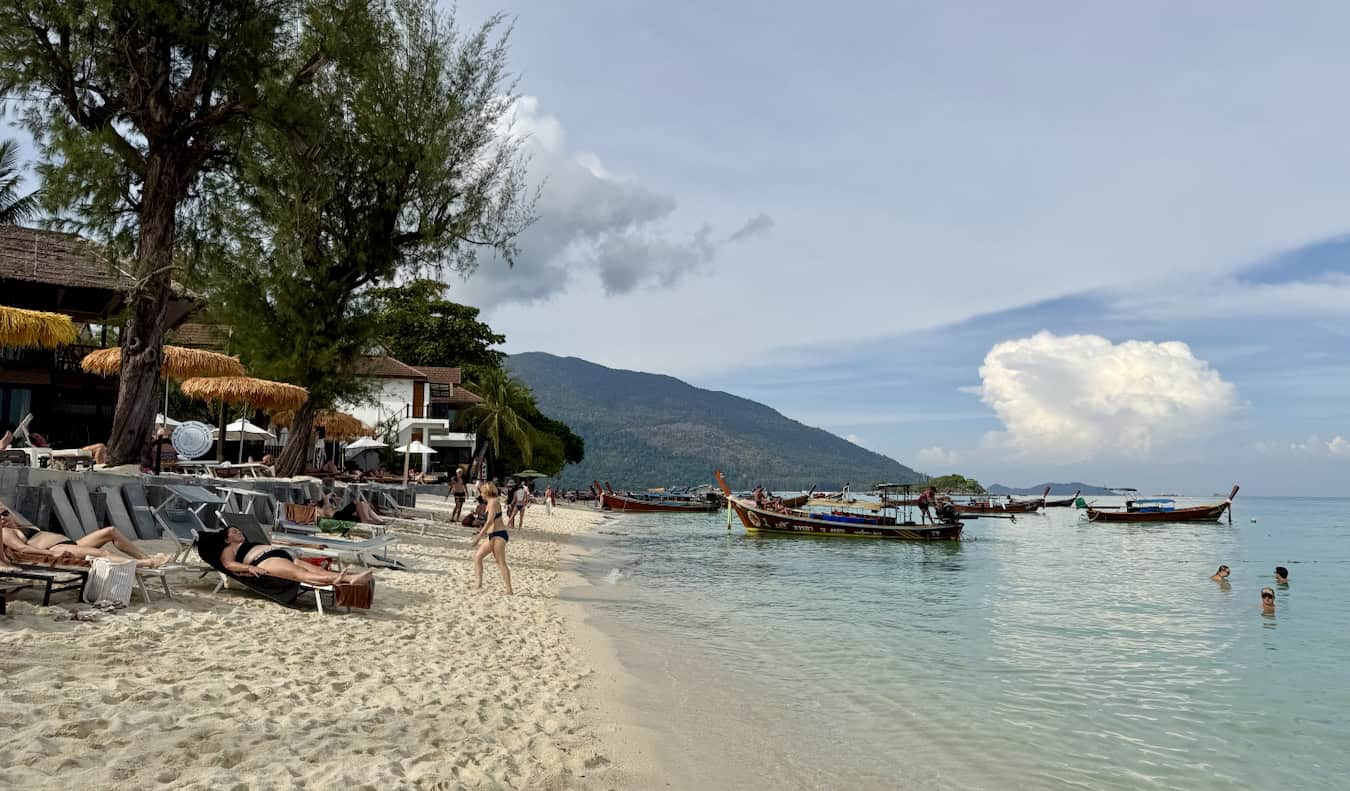
The economic and social shifts have been equally pronounced. The tourism boom has displaced numerous local residents, many of whom were compelled to sell their land to mainland developers. Consequently, much of the island’s workforce now commutes from the mainland, reaping few benefits from the lucrative tourism industry. Ko Lipe now stands as another casualty of Thailand’s broader struggle with overdevelopment and the intense exploitation of limited natural resources.
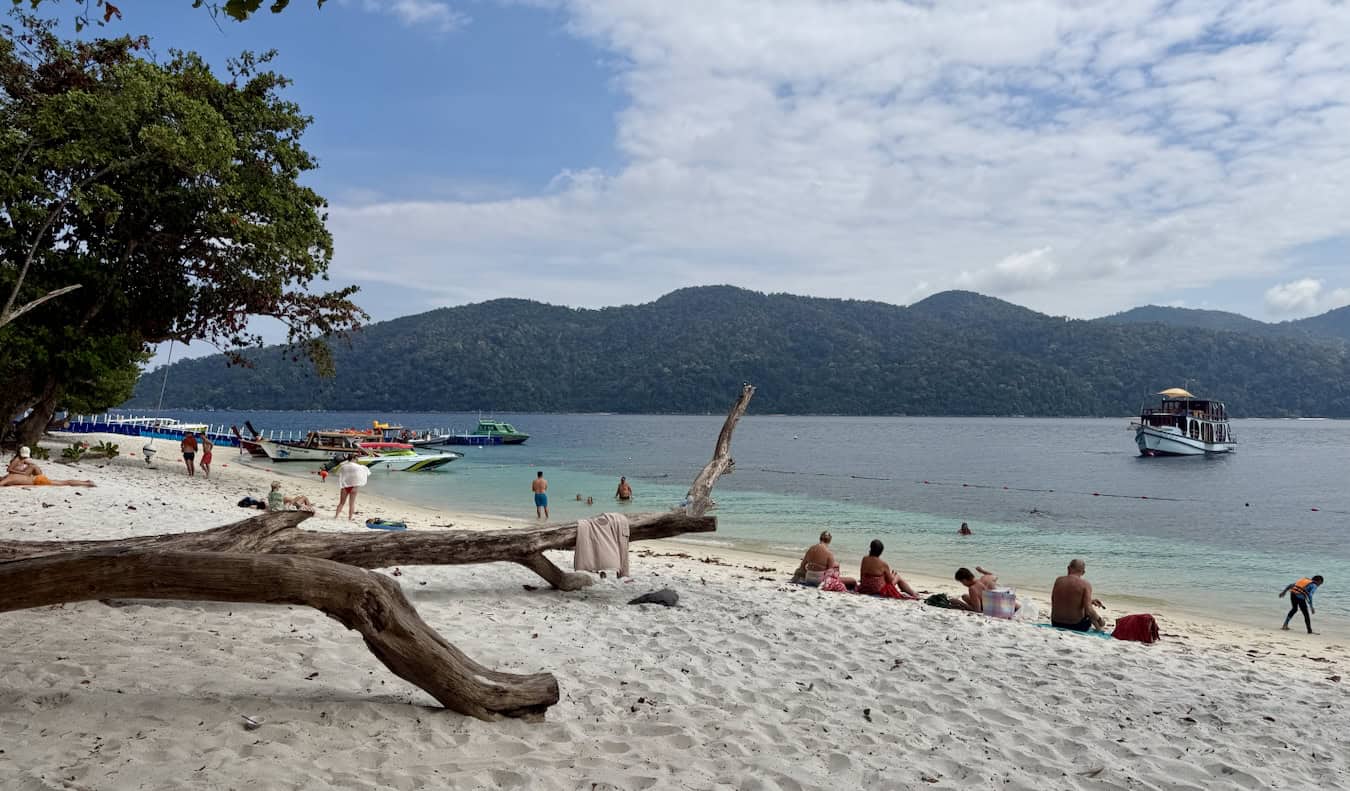
Despite these heavy modifications, the island still retains elements of its natural beauty. First-time visitors are often captivated by the postcard-perfect environment: azure blue water, pristine white sand, and proximity to a surrounding national park that offers boat tours to secluded nearby islands. Compared to heavily congested destinations like Ko Phi Phi, Krabi, or Phuket, Ko Lipe can still feel relatively restrained to newcomers taking their first steps onto its shores.
Yet, reflecting on the scale of the transformation leads to a difficult conclusion regarding responsible travel. While growth is not inherently negative, this specific brand of poorly managed expansion places an unsustainable burden on fragile island ecosystems. The clock cannot be turned back, and local residents cannot be expected to forgo economic progress simply to preserve an outsider’s idealized vision of paradise. Nevertheless, the current trajectory remains deeply flawed.
With numerous neighboring islands offering better management and preservation—such as Ko Lanta, Ko Jum, and Ko Mook—travelers are increasingly being urged to bypass Ko Lipe entirely. Continuing to visit a destination under such strain only accelerates the degradation of its resources.
While the sentiment is difficult to voice given the profound personal impact of an earlier era, responsible stewardship sometimes requires drawing a line. Choices matter, and consumer awareness has historically driven meaningful shifts in the travel industry, from the decline of elephant riding to the global rise of eco-lodges and heightened conversations surrounding overtourism.
Whether reduced visitor numbers could prompt a course correction on the island remains uncertain, but withholding participation ensures travelers are no longer contributing to the strain. By choosing alternative destinations that prioritize sustainability, visitors can exert a positive influence through their travel decisions.