In sharp contrast, creative skills often carry an intrinsic air of unlearnability. Cultural mythology frequently dictates that a person either possesses raw creative talent from birth or they simply do not. However, contemporary insights into skill acquisition suggest that this assumption is fundamentally untrue. Creative capabilities are just as learnable, malleable, and systematic as any other complex skill an individual might wish to master.
The Two Distinct Components of Creative Skills
Any creative pursuit an individual might choose to undertake—whether it involves painting, creative writing, musical performance, graphic design, or architectural drafting—essentially breaks down into two core components. Understanding this division is the first step toward demystifying the entire creative process.
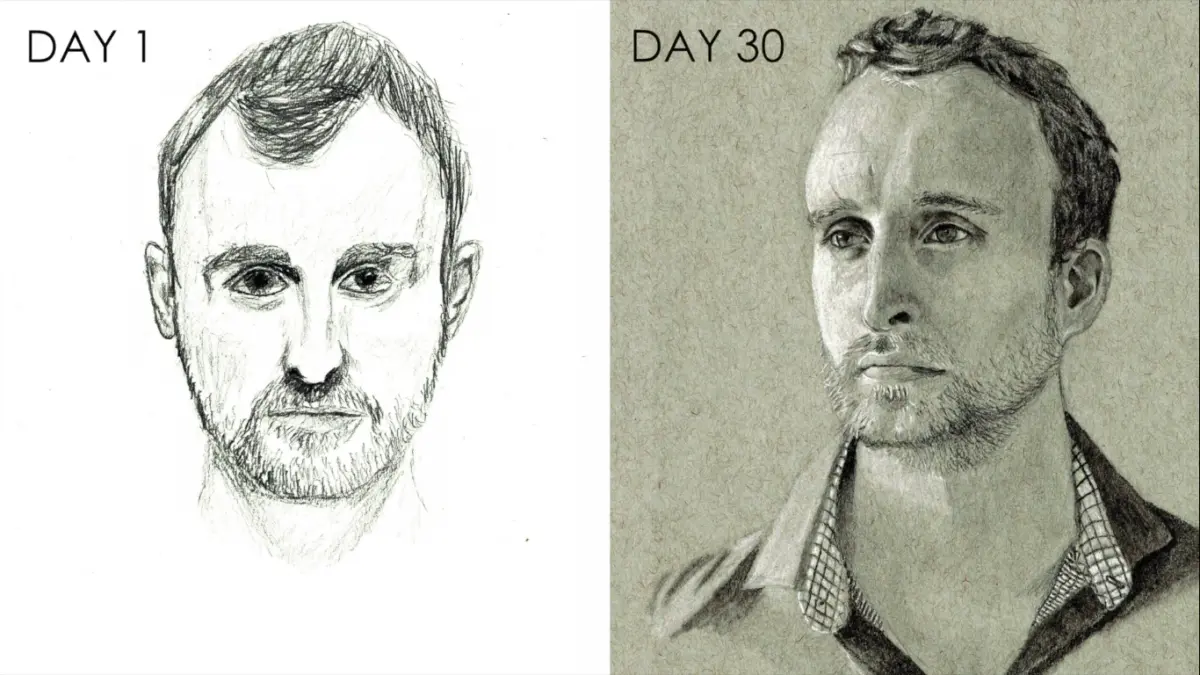
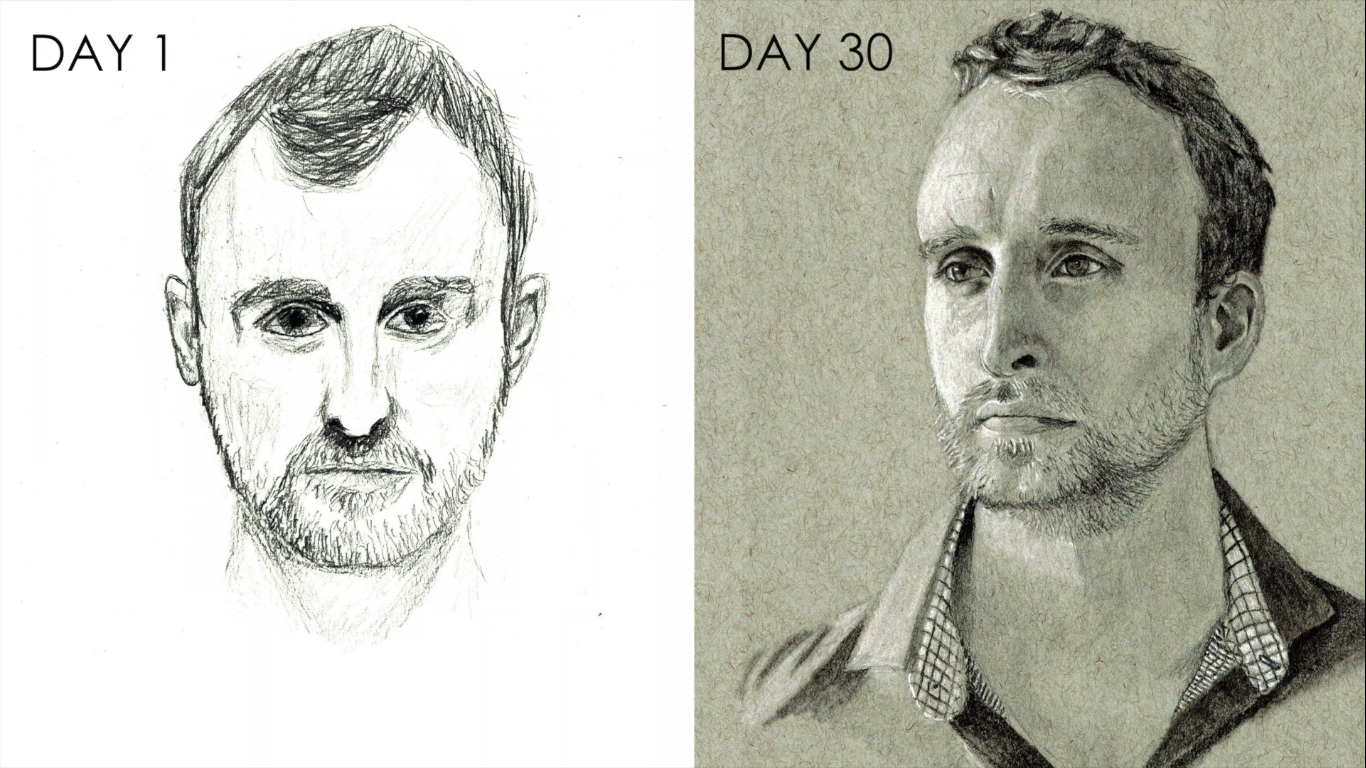
The first component involves technical skills. These represent the aspects of creativity that do not actually require traditional, spontaneous bursts of invention. Consider, for instance, a structured portrait drawing challenge. While an artist might feel immensely proud of the technical milestones achieved after a month of intensive work, the actual progression often relies on zero traditional creativity. The core difficulties encountered in such an endeavor are purely technical, revolving around proportion, shading, and observational accuracy.
Technical skill is precisely the dimension of artistic expertise that most profoundly impresses non-artists. The ability to execute a notoriously difficult guitar solo with absolute fluency or render a strikingly accurate likeness of a subject using only paint and pencil is undeniably difficult to achieve. Yet, strictly speaking, such execution requires very little in the way of novel ideation.
Ideational skills, by contrast, sit at the heart of what society traditionally refers to as creativity itself. True creativity is widely defined by practitioners and theorists alike as the ability to produce work that is simultaneously valuable and original. Among working professionals, there is typically a profound appreciation for these ideational skills. Technical prowess often loses its mystical aura once an individual has spent enough time practicing the foundational mechanics of a medium.
Great artists historically demonstrate strength in both technical and ideational components, though individual talents frequently lean more heavily toward one side or the other. The renowned portraits by John Singer Sargent, for example, are marvels of technical virtuosity. This brilliance becomes even more striking when one considers that the majority of his work was executed alla prima, meaning he completed each painting largely in a single session rather than meticulously building up layers of glaze through the multi-stage processes common during the Renaissance.
Conversely, Vincent van Gogh stands as a prime paradigm of an ideational genius who struggled with mediocre technical skills. During his time in a Parisian atelier, Van Gogh found himself unable to keep pace with his peers technically, which eventually led to his departure. Even during the height of his mature artistic phase, he frequently returned to repeat the exact same subjects multiple times simply because he continuously wrestled with getting the fine details correctly rendered. Nevertheless, despite Sargent’s breathtaking technical mastery, Van Gogh ultimately exerted a far more transformative impact on the trajectory of painting, largely driven by his fiercely original and emotionally compelling style.
Keeping this crucial distinction in mind allows aspiring creators to analyze how to develop proficiency in each separate realm.
Achieving Technical Proficiency
Technical proficiency represents the more approachable of the two creative dimensions. While achieving high-level execution is far from trivial, technical mechanics are remarkably amenable to hard work and deliberate practice in ways that ideational genius often is not.
Despite this accessibility, many individuals struggle to acquire technical proficiency in creative fields because they inadvertently approach the learning process backward. All technical skills ultimately rest upon foundational learning methods, mental modeling, and extensive, high-volume practice.
The initial hurdle involves identifying and adopting a functional method. This step can prove surprisingly difficult because accomplished artists have often overlearned their craft to such a degree that their execution appears completely effortless, as if they are following no particular method at all.
This exact phenomenon often confounds beginners. Witnessing street artists rapidly sketch an accurate likeness in mere minutes, or watching technically gifted masters render complex scenes with a few seemingly casual flicks of a brush, easily fosters the misconception that art relies entirely on innate talent or unteachable intuition.
However, cognitive research across a wide array of domains demonstrates that human expertise consistently follows a predictable trajectory. Complex skills begin as explicit, consciously learned rules and procedures. Over time, with sustained practice, portions of that explicit knowledge become fully automated, shifting from rigid steps into background intuition that is difficult to articulate consciously.
When beginners embark on rigorous artistic challenges without researching established techniques, they frequently make the mistake of assuming that raw, unguided bulk practice with feedback is the sole key to improvement. While maintaining a high volume of practice is undeniably essential, discarding structured methodologies is a critical error.
In reality, proficient practitioners utilize a diverse array of methods to achieve accuracy. Some of these approaches are perceptual, employing specific techniques to overcome optical illusions and natural human sensory limitations so the artist can correctly assess relative sizes, angles, and tonal values within a visual field. Other methods are conceptual, relying on a robust understanding of lighting physics, geometry, and anatomical structures to logically infer shapes that may not be immediately visible to the naked eye.
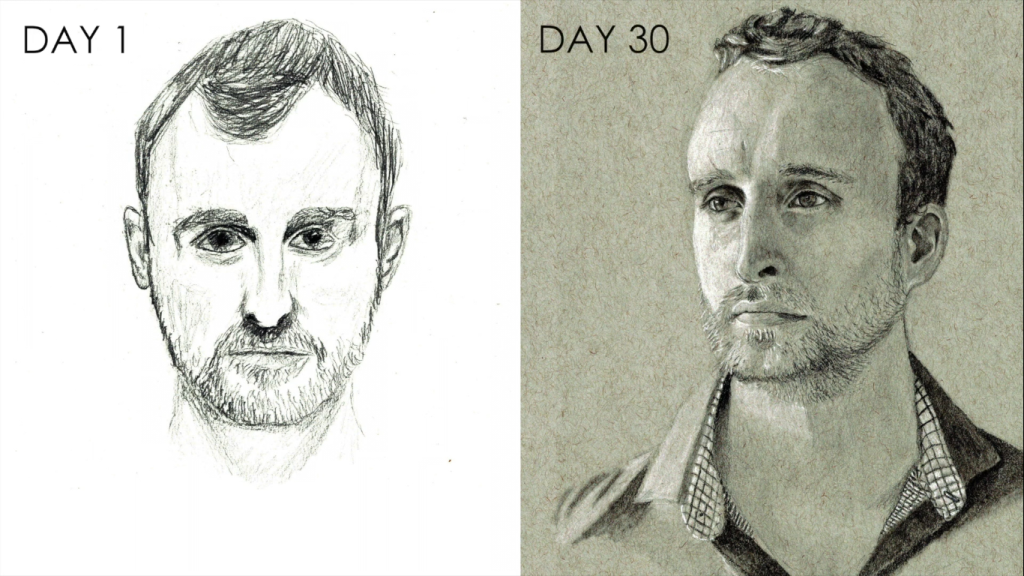
The true starting point for mastering any technical skill is to first uncover the established methods utilized by veterans, and then practice those methods until they transition into second nature.
Beyond rote procedural practice, technical proficiency also requires developing a sophisticated mental model that encompasses both the possibilities afforded by a given medium and its inherent physical constraints. In a famous behind-the-scenes anecdote from the pre-CGI era of filmmaking, director Steven Spielberg achieved a memorable scene in the film Hook—where one of the Lost Boys appears to bring down a sword with terrifying speed mere millimeters from actor Robin Williams’s head—by simply filming the entire sequence backward, including the actors’ dialogue. What appeared on screen as a perilous, near-fatal downward strike was actually the safe, controlled motion of the sword lifting upward rapidly in reverse.
The final pillar of technical virtuosity is an immense volume of targeted practice, where both precision and fluency play critical roles. Precision, defined as strict adherence to the accuracy demanded by a chosen method, is vital because it forms the mechanism through which underlying competence is internalized. Whether an individual is learning a structured drawing technique or mastering a complex musical passage, practice remains largely ineffective if the learner continually permits sloppy execution and numerous foundational mistakes.
Fluency matters equally because motor skills—such as the rhythmic strumming of a guitar strings or the precise flicking of a paintbrush—change fundamentally when executed with varying tempos or mechanical movements. Learners frequently grapple with the apparent tension between maintaining tight, controlled precision and embracing loose, expressive execution. However, this dichotomy is largely an illusion. Tightly controlled movements and loose, expressive gestures are simply different categories of motor skills. Both demand dedicated practice to master, yet neither eliminates the fundamental need for overarching technical proficiency.
Cultivating Better Ideas
The second major dimension of creative skill involves generating compelling, original ideas. This realm is not entirely divorced from technical proficiency; understanding the opportunities and constraints inherent to a medium is a prerequisite for expressing novel concepts effectively. Creativity, therefore, relies heavily on a foundation of operational competence.
Even so, it would be a mistake to collapse technical virtuosity directly into creativity, as genuine creative output demands much more than mere mechanical excellence. Producing truly original and valuable ideas is a mixture of deep domain knowledge and the capacity for rigorous self-critique.
Knowledge serves as the single most critical ingredient in this equation. Substantial empirical evidence indicates that the raw generation of ideas is, to a large extent, a stochastic process. What ultimately separates highly creative individuals from their peers is rarely an exceptional ability to generate a massive volume of random thoughts, as virtually all humans possess that basic cognitive capacity. Instead, highly creative practitioners distinguish themselves through superior internal quality filters, enabling them to judge far more reliably which specific ideas possess genuine merit.
Vincent van Gogh serves as a compelling illustration of this dynamic. Despite his ongoing technical struggles, he remained extraordinarily attuned to the avant-garde artistic landscape of his era. Through his brother’s work as an art dealer and his own extensive networking, Van Gogh maintained deep contact with the emerging trends sweeping through the European art world. Consequently, while popular culture frequently frames him as an isolated outsider compared to his academically trained contemporaries, he possessed deep insider knowledge of his field.
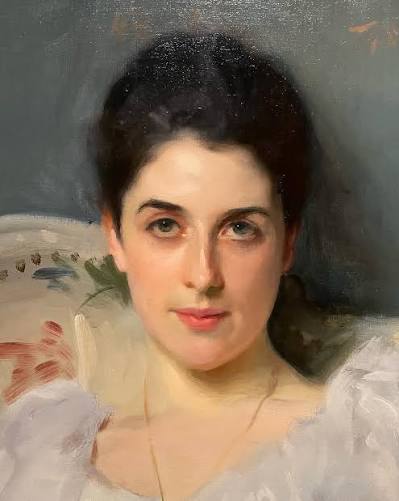
Similar patterns emerge in professional literature and other creative industries, where successful creators often demonstrate an uncanny ability to quickly ascertain which concepts will resonate with audiences, outperforming those who rely purely on raw writing flair. The enduring myth that successful innovators must be complete outsiders to their respective domains crumbles under closer inspection. While groundbreaking works certainly emerge from the fertile edges of a discipline—created by individuals less constrained by rigid paradigms—genuinely creative outsider art existing in a total vacuum is practically nonexistent.
This reality underscores the critical importance of social immersion within the community surrounding a creative endeavor. Creators who remain entirely detached from the cultural ecosystem that evaluates artistic value will inevitably struggle to produce work that resonates meaningfully with broader standards.
The second crucial aspect of generating creative ideas shifts the focus from ideation to disposition—specifically, possessing the psychological readiness to actually bring novel concepts into reality. Original work demands substantial effort, vulnerability, and a willingness to embrace risk. Creators must actively attempt pursuits that carry a high probability of failure and, particularly within high-art domains, offer little guarantee of financial return.
Valuable creativity is frequently stifled not because creators lack original visions, but because the social and institutional pressure to conform to established styles and genres remains overwhelmingly strong. As renowned social psychologist Mihaly Csikszentmihalyi observed regarding the societal dynamics of innovation, the limitations placed on creative output rarely stem from a scarcity of individual genius on the supply side. Instead, the primary bottlenecks reside on the demand side, reflecting the broader difficulty individuals and collectives face in rapidly adapting their cognitive structures to recognize and embrace novel concepts.
Ultimately, successful creative ideas tend to occupy a specific, balanced threshold of originality—novel enough to capture public imagination and spark interest, yet still sufficiently comprehensible to align with contemporary standards of taste.
Bringing the Elements Together
Ascending to excellence in any creative domain—whether painting, musical composition, prose writing, or fine woodworking—is undoubtedly an ambitious undertaking. It demands an extensive commitment to deliberate practice, theoretical learning, cultural immersion, and continuous experimentation.
Navigating this long and demanding road becomes significantly more manageable, however, when creators equip themselves with a clear framework. By breaking down the daunting monolith of creativity into distinct technical methods, foundational mental models, domain knowledge, and risk-tolerant execution, aspiring artists can chart a reliable course toward mastery.