Even long-term travelers who frequently proclaim that they "aren’t tourists" often fall into the exact same behavioral patterns, albeit at a slower pace and with a sharper focus on minimizing daily expenses. While there is nothing inherently wrong with this approach—it is simply the inherent nature of tourism—the reality rarely matches the romanticized expectation. Most travelers harbor a secret cinematic fantasy of dropping into a foreign culture, instantly befriending locals, and embarking on transformative adventures.
In practice, that rarely happens. Because travelers are merely passing through, locals rarely have an incentive to invest time in transient relationships, and everyday interactions between residents and tourists remain relatively limited. True cultural integration requires more than observation; it requires duration, commitment, and a tangible contribution to the host community. The most transformative travel experiences invariably involve staying somewhere long enough to build genuine relationships and becoming actively embedded in a destination rather than simply transiting through it.
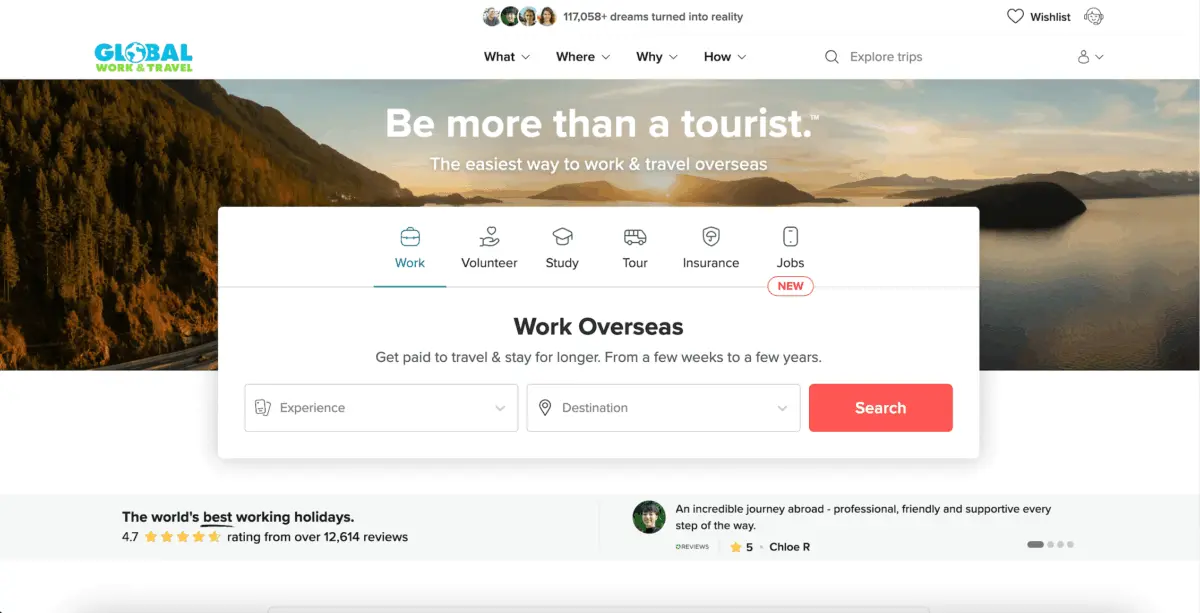
Observers note that modern travelers increasingly recognize the value of giving back and establishing roots, yet historical barriers often made it difficult to identify legitimate organizations and vetted opportunities that tangibly improved local lives. Today, however, an expanding ecosystem of specialized companies exists to help travelers secure meaningful volunteer positions, internships, and paid employment abroad. Among the prominent providers in this space is Global Work & Travel, which offers organized pathways for individuals seeking extended international experiences.
What Global Work & Travel Does
Operating as a major player in the gap year and international mobility sector, Global Work & Travel has facilitated working holidays, volunteer programs, teaching placements, and internships for nearly two decades. Having placed more than 116,000 participants across destinations spanning the United Kingdom, Europe, the Americas, Asia, Africa, and the Pacific, the organization addresses many of the logistical hurdles that traditionally deter prospective travelers.
Even for seasoned globetrotters, moving abroad presents formidable challenges. Securing employment in an unfamiliar job market, navigating permanent housing options, avoiding months of cramped shared-room arrangements, managing transportation costs in a new urban center, and competing against local applicants in interview processes represent only the initial obstacles of long-term international relocation.
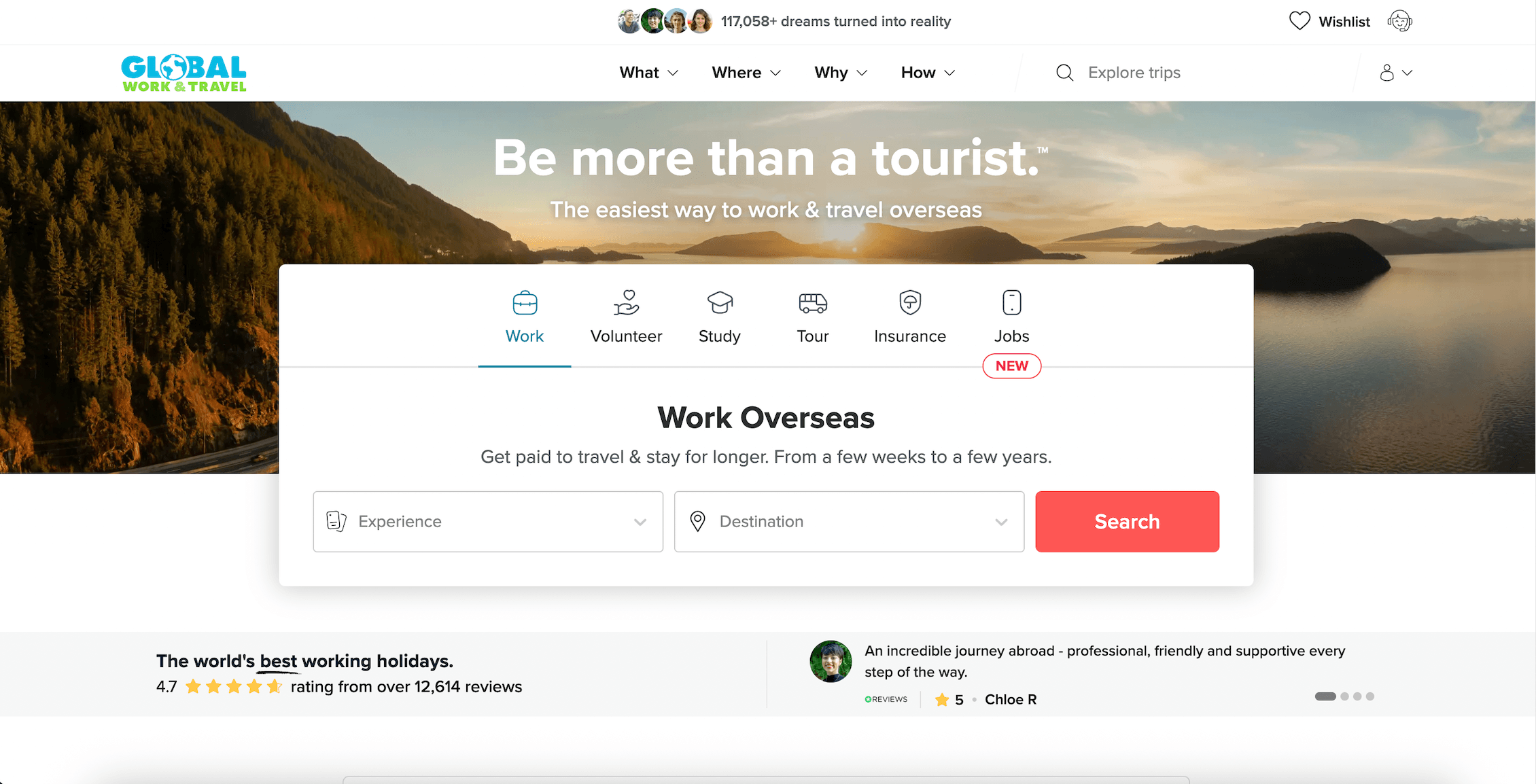
To mitigate these hurdles, structured international programs provide a logistical safety net for individuals who prefer not to manage every detail independently. Services typically encompass job matching, pre-departure planning, visa guidance, official placement, and ongoing administrative support through proprietary management platforms like the gWorld portal. For first-time international travelers, having access to an established support structure often determines whether a prospective journey moves forward or remains indefinitely delayed.
Why Working Holiday Makers Are the New "Digital Nomads"
For the past ten years, the lifestyle of the "digital nomad" has served as the aspirational peak of long-term independent travel. The formula appeared straightforward: maintain a remote job, earn income in a strong currency, relocate to a destination with a lower cost of living, and repeat the cycle indefinitely.
However, this model remains viable for only a narrow demographic. Success requires maintaining remote employment, a reliable income stream, and a degree of career stability that younger travelers or those in transitional life stages rarely possess. Working holidays effectively invert this traditional paradigm. Instead of bringing an external job across international borders, participants secure employment upon arrival, integrating directly into the local economy rather than floating above it. Professional environments foster social connections with both local colleagues and fellow travelers, establishing a sustainable daily routine rather than a transient holiday schedule.
In many respects, working holiday participants experience a more grounded and accessible version of the lifestyle often associated with digital nomadism. By maintaining a work schedule, collaborating with local coworkers, and committing to an extended stay, travelers develop authentic community ties and lifetime connections. This approach demands neither an established remote enterprise nor years of professional seniority; it requires primarily the willingness to relocate and access to a reliable logistical framework.
Consequently, travel trends indicate a noticeable shift in consumer interest away from questions regarding remote employment logistics and toward comprehensive strategies for living and working abroad for extended periods. Structured international programs address this demand by eliminating primary barriers such as visa navigation and job placement, enabling participants to transition from conceptual planning to execution. For many individuals, these programs offer a sustainable, realistic alternative to traditional digital nomadism.
Why Volunteering Matters
The landscape of international volunteering carries a complex reputation, characterized by both impactful initiatives and poorly managed programs designed primarily to appeal to travelers’ emotional sentiments without delivering substantive community benefits. Vetting organizations to ensure that initiatives in wildlife conservation, community development, education, and healthcare genuinely align with local priorities remains crucial for ethical participation.
When structured responsibly, volunteer initiatives can yield profound mutual benefits. Collaborating alongside local communities on self-defined priorities—such as community development projects in Zanzibar, wildlife conservation efforts in South Africa, or elephant rehabilitation programs in Thailand—fundamentally alters a participant’s worldview. Such engagement deepens an individual’s comprehension of the systemic challenges and needs facing local populations and ecosystems, fostering a broader global perspective. Furthermore, dedicated funding mechanisms, such as specialized animal welfare funds, can channel resources directly into conservation projects at partner sites, extending impact well beyond individual volunteer placements.
What I Love About Working Holidays
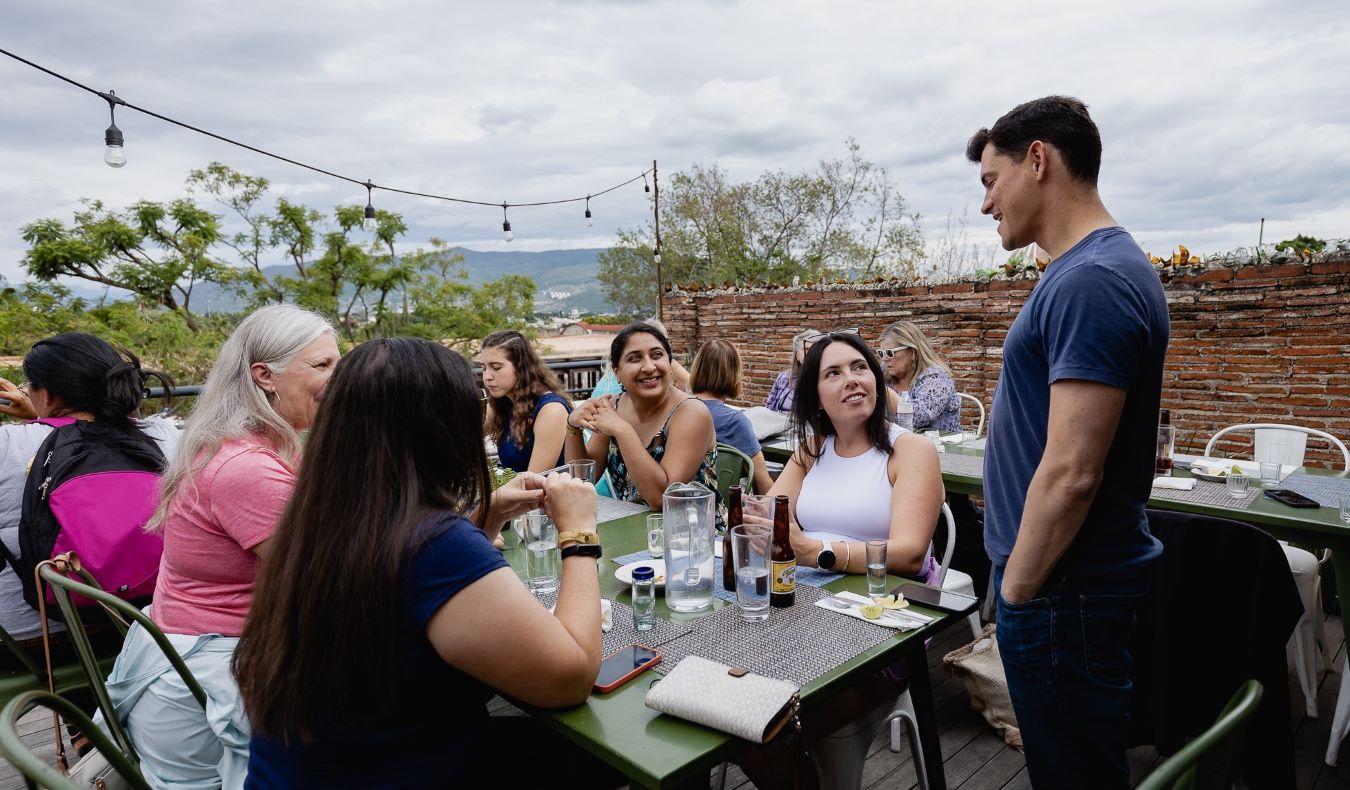
Working holidays transform standard travel into an immersive lifestyle rather than a fleeting vacation. By living locally on a daily basis, participants engage deeply with regional cultures, forge enduring friendships with residents and international peers, and sustain their travels through local earnings. This financial self-sufficiency permits significantly longer durations abroad, moving beyond the rushed itineraries characteristic of standard two-week holidays. Beyond cultural immersion, participants acquire international professional experience, enhance their resumes, and gain a nuanced understanding of foreign societies that conventional tourism cannot replicate.
Frequently Asked Questions
Prospective participants frequently inquire about the prerequisites for international employment. For the majority of programs, basic work experience suffices, while specialized education programs incorporate necessary training such as TEFL certification, and volunteer initiatives frequently accept participants with no prior field experience.
Age eligibility varies by program type, with most initiatives welcoming participants starting at 18 years of age. Working holiday visas commonly enforce an upper age limit of 35 depending on the host country, whereas volunteer and teaching programs remain open to a broader demographic range.
Planning timelines typically span six to twelve months in advance to accommodate administrative preparation, job matching, and visa quota availability. Financial safety policies, including lifetime deposit options and consumer protection memberships, are designed to safeguard initial investments against unforeseen itinerary adjustments. Additionally, solo travelers represent a substantial portion of participants, utilizing built-in community networks to integrate rapidly into group environments.
Ultimately, international travel leaves its most indelible impressions not through passive sightseeing, but through active human connection and substantive engagement. Structured international programs aim to make these deeper experiences accessible by streamlining complex logistics, allowing travelers to move beyond traditional tourism and establish meaningful, temporary roots abroad.